The video opens with a playful skit where an older "grandpa" style Hi-Power is compared to a newer one, setting up the theme of old school versus new school. The hosts then formally introduce the topic: the Browning Hi-Power, an iconic pistol produced for roughly 82 years. They explain that the design dates from 1935, ran through 2018, and then returned in updated form in 2022. The pistol has seen extensive wartime service and global use. One instructor notes that while the Browning company had weapons in World War I, the Hi-Power itself is especially associated with World War II and later conflicts such as Korea and Vietnam. They describe how, during World War II, Nazi Germany occupied Belgium while FN was producing these pistols. FN’s production of the P-35 for Allied forces led to operations being moved to Canada so manufacturing could continue. At the same time, occupied factories also produced pistols that ended up in German hands, meaning the same basic design armed both sides of the conflict. This dual use underscores the pistol’s broad historical footprint and reputation as one of the earliest widely adopted high-capacity service handguns.
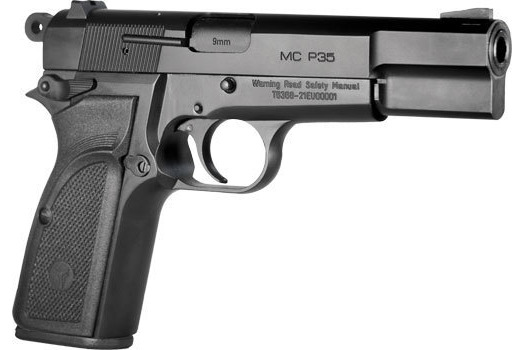
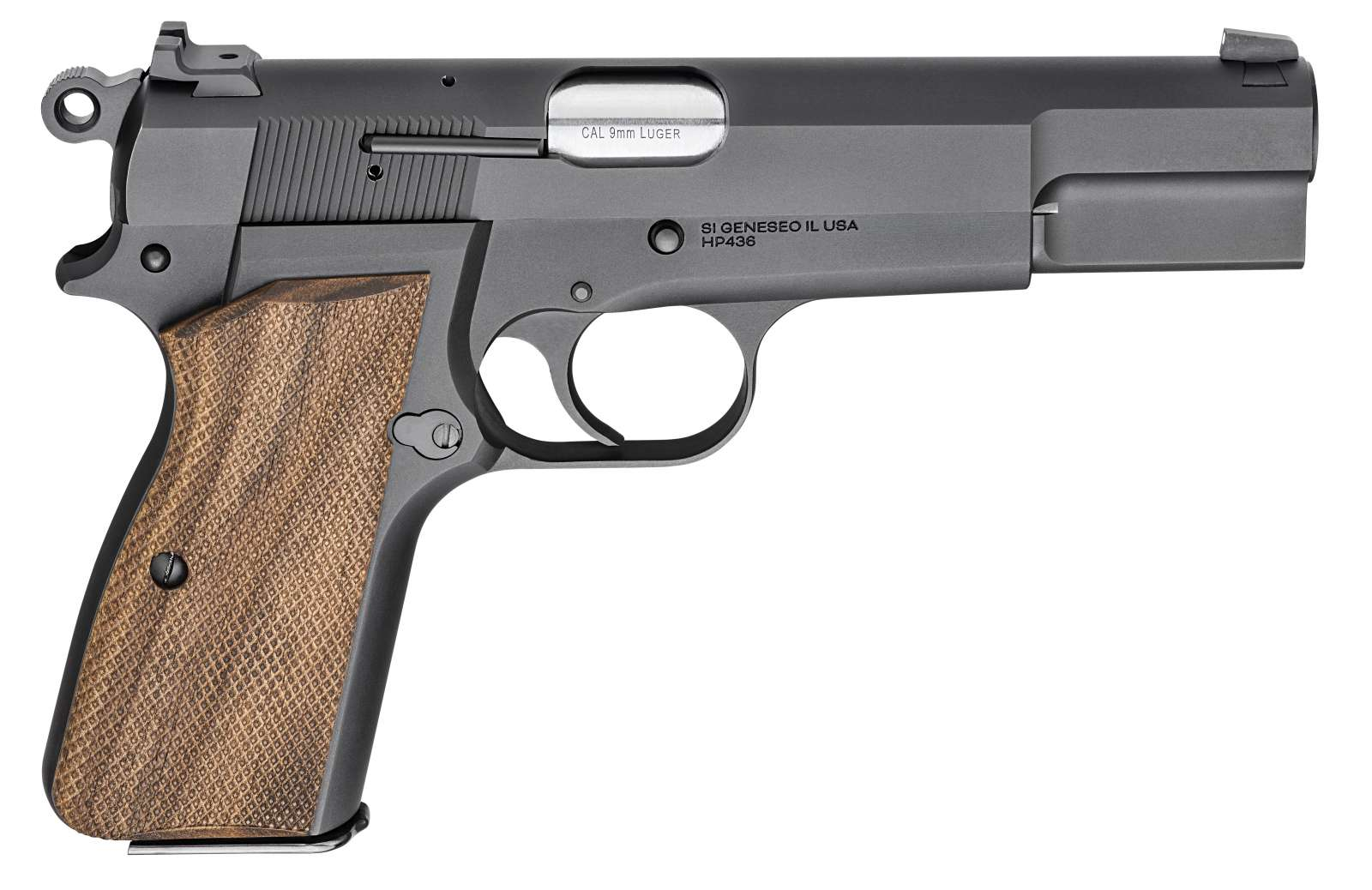
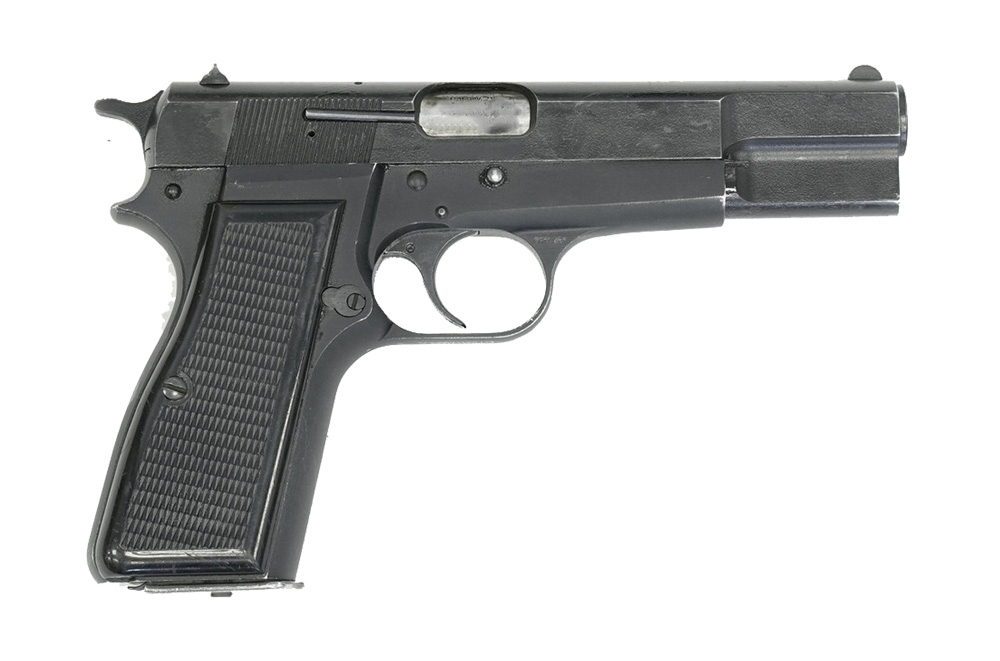
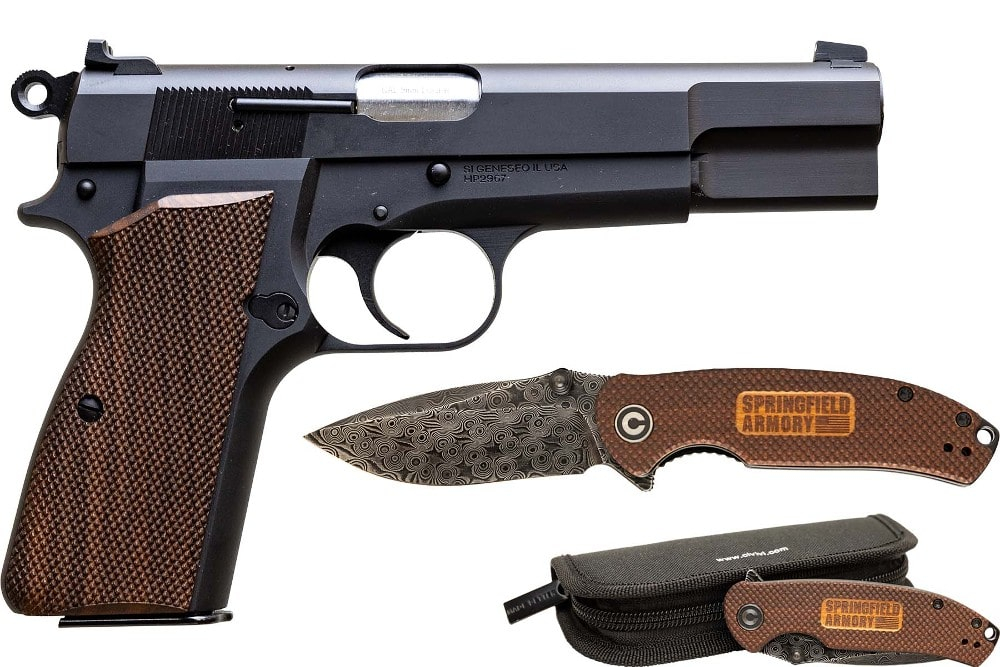
After laying out the historical background, the hosts move to what happened once FN stopped making the classic P-35 in 2018. They explain that several modern manufacturers stepped in with their own versions of the Hi-Power pattern. Among these are the Springfield SA-35 and the Turkish-made Girsan MC P35, which follow the same general design but are not original FN products. The presenters emphasize that these are pattern-based pistols rather than factory-original guns. Attention then shifts to a specific surplus example on the table: a Belgian police Hi-Power from 1978. They highlight that this pistol is a genuine FN-made service gun with real duty history, which gives it strong collector appeal and a lot of “cool factor,” even if its finish shows wear. The hosts contrast this with the Springfield SA-35, which updates the look and features of the platform but has generated scattered reports of reliability issues from users. This contrast sets up the central decision point for viewers: whether to prioritize authenticity and historical provenance with an older surplus gun, or to choose a newer production pistol with modern features but less proven long-term track record.
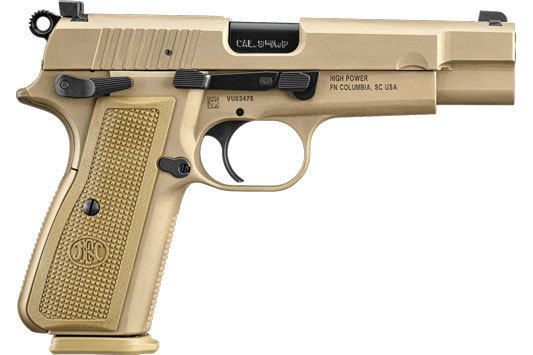
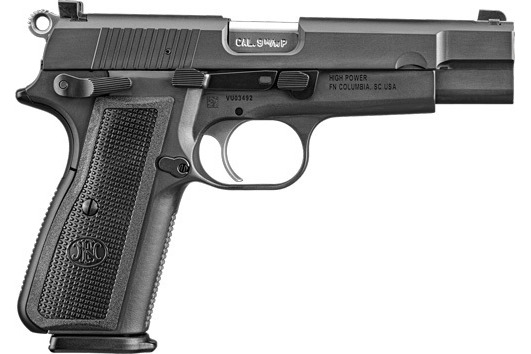
The discussion then turns to more recent interpretations of the design. The hosts briefly mention the Turkish Girsan MC P35, noting that they have limited personal time behind that model but have heard of potential reliability questions they may explore in future videos. The main focus becomes FN’s 2022 High Power, which they describe as a modern evolution rather than a simple reissue of the old P-35. The updated pistol features ambidextrous slide stop and safety levers, revised ergonomics, and a modified locking system intended to enhance durability and shootability. Magazine capacity is increased beyond the original 13-round standard, which was itself a major leap compared to contemporaries like the 7-round .45 ACP 1911 and the Walther P38. The hosts outline their test plan: they will shoot three pistols side by side—a 1978 Belgian police Hi-Power, a Springfield SA-35 from around 2019, and the new FN High Power—at approximately 35 yards. None of the shooters have significant prior time on these specific guns, so the test will capture first impressions of accuracy, recoil control, and handling.
On the range, after some lighthearted banter about age and experience, they start with the 1978 surplus Browning Hi-Power. Immediately, the shooters criticize the original sights, calling them tiny and essentially unusable by modern standards, especially when compared to contemporary tritium or fiber-optic sights. The trigger is described as extremely heavy—estimated somewhere between 10 and 20 pounds—which is far from what most shooters expect on a modern duty or competition pistol. Despite these shortcomings, the gun still produces respectable accuracy at 35 yards, reinforcing why the design earned such a strong reputation in its era. The ergonomics, grip angle, and overall feel are praised as remarkably good for a design from the 1930s. During the session, there is a brief mix-up when a Springfield magazine is accidentally inserted into the surplus gun, prompting a pause to sort out the magazines. The instructors also use the opportunity to coach proper grip and stance, including correcting thumb placement to avoid interfering with the slide’s movement during recoil.
Next, the Springfield SA-35 is brought to the firing line. Compared to the 1978 FN-made pistol, it immediately feels like a more modern, refined handgun. The sights are larger and easier to see, and the trigger is noticeably lighter and crisper. One shooter comments that it shoots very well and even suggests that performance at distance is comparable to, or better than, a familiar striker-fired pistol like a Glock. However, the positive impression is interrupted by a malfunction: the gun fails to fire despite a live round being in the chamber. This raises concerns about a possible light primer strike or feeding issue. On closer inspection, they discover that the problem is related to how the magazine is seating and how the 9mm round is presenting into the chamber, with a cartridge not fully settling into the barrel. The hosts examine the magazine and ammunition, talking through the likely cause. After clearing the issue, the SA-35 continues to shoot accurately, but the incident reinforces earlier mentions of user reports about potential reliability questions with this model.
The final gun in the lineup is the 2022 FN High Power. As soon as the shooter picks it up, he comments on how good the ergonomics feel, praising the grip shape, weight, and overall balance. The updated sights are described as clear and easy to track, and the trigger is characterized as clean and predictable, which helps with confident hits at distance. The ambidextrous controls, including the slide stop and safety, are highlighted as practical improvements over the original P-35 layout, especially for left-handed shooters or those who train to run the gun with either hand. During live fire, a malfunction occurs, and the instructors use it as a teaching moment. They explain that the shooter’s support-hand thumb is riding too high along the frame, similar to how some competitors use a gas-pedal-style thumb rest on race guns. On a more compact pistol without such a feature, this high thumb position can physically impede the slide’s rearward travel, causing failures to cycle and feed. The sequence becomes a practical lesson in adapting grip technique to the specific mechanics and dimensions of a given handgun.
In the wrap-up segment, the hosts clarify that the earlier malfunctions with the FN High Power were not due to a mechanical defect but were caused by the shooter’s thumb interfering with the slide, preventing a full cycling and feeding sequence. Once the grip is corrected, the pistol runs reliably and continues to impress with its weight, feel, ambidextrous controls, and well-tuned trigger. The instructors recommend the new FN High Power as the best choice for someone who wants a current-production defensive or range gun built on the Hi-Power concept. They contrast this with the appeal of original Belgian Browning Hi-Powers from the 1970s, which, despite their tiny sights and heavy triggers, offer iconic status, real police service history, and strong collector bragging rights. Comparing all three pistols, they note that each performed well overall, with the Belgian surplus gun arguably producing tighter groups than the Springfield SA-35 in their hands. The modern FN High Power earns praise for successfully modernizing a classic design while preserving the core character that made the original so influential.























 Loading...