The episode opens by setting the stage for another installment of the GOA Goals Show, a program centered on firearms, gear, and Second Amendment advocacy. The host quickly moves into the first major feature, signaling that this show will focus on hands-on impressions and technical breakdowns rather than surface-level overviews. Viewers are primed for in-depth coverage of new products, including suppressors, custom pistol components, and a modern .50-caliber rifle. The tone is geared toward enthusiasts who care about performance details like gas management, recoil, and ergonomics, as well as the broader mission of supporting gun rights. This introduction frames the episode as both a gear showcase and a platform for pro–Second Amendment messaging that will be revisited in the closing segments.
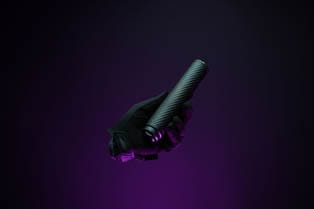
The first featured product is Dead Air’s new Lazarus rifle suppressor. The host explains that the Lazarus is built around a sophisticated gas management and baffle system produced via additive manufacturing. Rather than traditional machining, the internal structure is 3D-printed to create complex flow paths that would be difficult or impossible to achieve otherwise. The suppressor is made from Hayes 282, a high-temperature alloy selected for durability under sustained firing and harsh conditions. This material choice supports the Lazarus’s role on hard-use rifles and short barrels. The discussion emphasizes that the design is not just about raw sound reduction, but about how the suppressor handles heat, pressure, and gas flow over time, setting up later observations about back pressure and shooter comfort.
Attention turns to how the Dead Air Lazarus behaves on the gun, especially regarding gas management and back pressure. The host runs the suppressor on short rifles in calibers like 6 ARC and 5.56, platforms that typically highlight back-pressure issues. The Lazarus is described as having ultra-low back pressure, with noticeably less gas coming back into the shooter’s face compared to many traditional rifle cans. This is attributed to the additive-manufactured baffle geometry and internal flow paths that redirect and slow gases without forcing them back through the action. The result is a more comfortable shooting experience, especially for those who run high round counts or suppressed carbines in training and competition. The segment underscores that the Lazarus is engineered for real-world usability, not just meter numbers.
The host then evaluates the Lazarus’s tone and flash characteristics. Rather than a sharp, high-pitched crack, the suppressor produces a more pleasant, bass-heavy tone that is easier on the ears and less fatiguing over extended sessions. Flash mitigation is also highlighted, with the can doing a strong job of taming muzzle flash, an important factor for low-light shooting and maintaining situational awareness. Compatibility is another key point: the Lazarus uses a hub pattern that works with popular mounting systems like Dead Air’s own Zeno and KeyMo. This allows shooters to integrate the suppressor into existing setups without being locked into a single proprietary interface. The combination of sound quality, flash control, and flexible mounting positions the Lazarus as a versatile option for modern rifle builds.
Rounding out the Lazarus segment, the host addresses cost and practical deployment. The suppressor is positioned with an MSRP under $1,000 when paired with the Zeno mount, placing it in a competitive price bracket for a high-performance, additive-manufactured rifle can. The host reiterates that the Lazarus has been tested on short-barreled rifles in calibers like 6 ARC and 5.56, where back pressure and blast are typically most noticeable. Even in these demanding configurations, the can maintains low gas-to-face and a comfortable shooting experience. This makes it appealing for users running compact carbines, duty rifles, or training guns that see heavy use. The segment closes by framing the Lazarus as a modern suppressor that balances advanced engineering, shooter comfort, and realistic pricing.
The show transitions to Warwick Tactical, focusing first on their direct factory replacement grips for the Springfield Prodigy 2011 platform. These metallic grips are designed as drop-in upgrades, allowing Prodigy owners to swap out the stock grip module for higher-performance options. Warwick offers both aluminum and steel variants, giving shooters a choice in weight and feel. The segment explains that these grips are intended to improve control, durability, and overall shooting characteristics without requiring extensive gunsmithing. By targeting a popular 2011-style pistol like the Prodigy, Warwick positions its products as accessible enhancements for competitive shooters and enthusiasts who want a more refined, race-gun-like experience from their existing handgun.
The host dives deeper into the differences between Warwick’s aluminum and steel grip options for the Springfield Prodigy. Aluminum grips offer a lighter overall package, which can be beneficial for carry or shooters who prioritize quick transitions and reduced fatigue. Steel grips, by contrast, add noticeable weight to the frame, helping to soak up recoil and keep the muzzle flatter during rapid strings of fire. The segment notes that grip weight can significantly influence how a 2011-style pistol tracks and returns to target, especially in competition settings. Warwick’s approach lets shooters tune the Prodigy’s balance and recoil impulse to their preferences simply by choosing the grip material, without altering the slide or barrel. This flexibility is presented as a key advantage of the system.
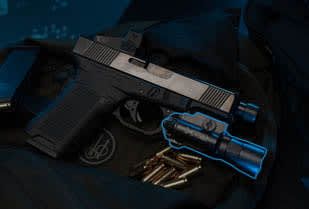
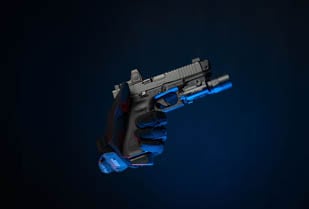
Beyond replacement grips, Warwick Tactical also showcases its own in-house 2011-style race guns. These pistols are built from the ground up as performance-focused handguns rather than modified factory models. The host describes them as full-featured competition pistols with attention to fit, finish, and reliability. Warwick’s race guns incorporate design elements that go beyond the Prodigy upgrade path, offering a more integrated solution for shooters who want a turnkey match-ready platform. The segment emphasizes that these are not entry-level 2011s; they are purpose-built for serious use in competition or demanding range work, reflecting Warwick’s experience with tuning and optimizing the 2011 platform for speed, accuracy, and durability.
The technical details of Warwick’s in-house 2011 race guns are explored next. One standout feature is the wider slide designed for direct-mount optics, allowing red-dot sights to sit low and securely without relying on plates. This improves durability and sight tracking under recoil. The pistols also use external extractors, a choice often favored for consistent extraction and easier tuning compared to some internal designs. Warwick offers different grip weights and configurations, letting shooters tailor the gun’s balance and recoil characteristics much like with their Prodigy grips. The combination of direct-mount optics, external extractors, and customizable grip setups positions these 2011s as highly tunable platforms for competitive shooters who demand both reliability and performance.
The host addresses where Warwick’s in-house 2011 race guns sit in the market. With pricing around $3,000, they are clearly aimed at serious enthusiasts and competitors rather than casual range users. This price point reflects the custom-level features, including the direct-mount optic slides, external extractors, and carefully tuned grip options. The segment suggests that these pistols are ideal for disciplines where fast follow-up shots, dot tracking, and consistent reliability are critical. By offering both Prodigy grip upgrades and full custom-style 2011 builds, Warwick caters to shooters at different investment levels, from those upgrading an existing gun to those stepping into a dedicated race platform built to their performance expectations.
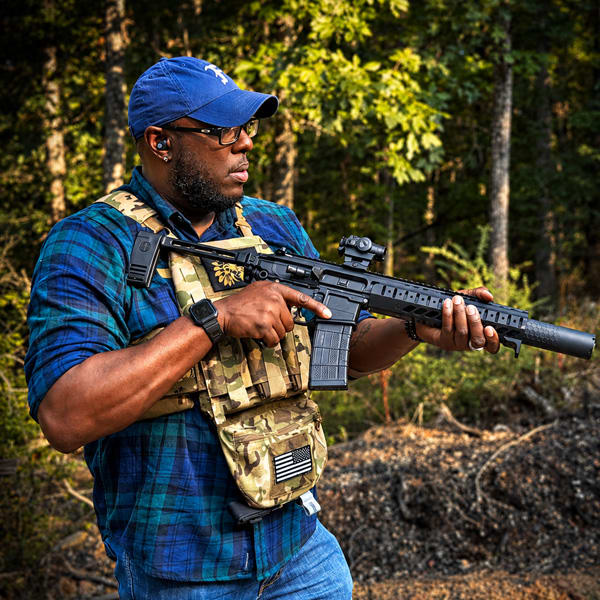
The show then shifts focus to a very different kind of firearm: the T50, also referred to as the Tao 50, a .50-caliber long-range rifle from Auto-Ordnance. The host introduces it as a modern take on the .50-cal platform, designed to be more approachable and user-friendly than some traditional, bulkier .50-cal rifles. This segment sets up the T50 as a long-range tool that still borrows heavily from familiar AR-style ergonomics. Viewers are prepared for a discussion that will cover not only the rifle’s raw power, but also how its controls, furniture, and recoil characteristics make it more manageable for shooters who might be new to .50-caliber platforms or looking for a more practical big-bore option.
The T50’s layout and handling are examined in detail. Auto-Ordnance has given the rifle AR-style controls and furniture, making it feel familiar to anyone accustomed to modern sporting rifles. Controls such as the safety and magazine release are positioned in ways that mirror common AR patterns, reducing the learning curve. The furniture, including the stock and handguard, also follows AR-inspired lines, contributing to a more intuitive shoulder and cheek weld. This design choice helps demystify the .50-cal platform, presenting the T50 as a rifle that can be run with similar ergonomics and handling techniques as smaller-caliber ARs, while still delivering the long-range and terminal performance expected from a .50-caliber system.
Despite its chambering, the T50 is described as having relatively soft recoil for a .50-cal rifle. The host notes that the rifle’s design, likely including its weight, stock geometry, and muzzle device, works together to tame the otherwise punishing impulse of .50-caliber rounds. This makes extended shooting sessions more realistic and less fatiguing. The segment also highlights that the T50 is suppressor-capable, an important feature for shooters who want to manage blast and sound on such a powerful platform. The ability to run a suppressor on a .50-cal rifle broadens its practical applications, from long-range target shooting to specialized roles where reduced signature is beneficial, further reinforcing the T50’s modern, user-focused design.
The host frames the T50 as a long-range rifle that blends big-bore performance with practical usability. Its .50-caliber chambering positions it for extreme-distance shooting and roles where significant energy on target is required. Yet, thanks to its AR-style controls, familiar furniture, and moderated recoil, it does not feel like an unwieldy specialty piece reserved only for niche users. The segment suggests that shooters can realistically integrate the T50 into their long-range lineup without a steep handling learning curve. The mention of suppressor compatibility further supports its versatility. Overall impressions present the T50 as a modern, approachable .50-cal option that respects traditional power while embracing contemporary ergonomics and accessory compatibility.
As the gear segments wind down, the host informally recaps the episode’s highlights: Dead Air’s Lazarus suppressor with its additive-manufactured Hayes 282 construction and ultra-low back pressure, Warwick Tactical’s metallic Prodigy grips and in-house 2011 race guns, and Auto-Ordnance’s T50 .50-cal long-range rifle with AR-style ergonomics and manageable recoil. This recap reinforces the show’s focus on practical performance details and real-world usability. The host also ties these product spotlights back to the broader mission of the GOA Goals Show, which is not only to showcase innovative firearms and accessories, but also to support and highlight organizations and efforts that defend the Second Amendment. This sets the stage for the closing advocacy-focused segments.
The closing portion of the video shifts firmly into advocacy, with the host praising a specific no-compromise Second Amendment organization. The commentary emphasizes that very few groups operate with the same level of commitment and effectiveness in defending gun rights. The host underscores that this organization stands out in the pro-gun landscape, doing work that others are not willing or able to do. Viewers are encouraged to check them out and consider supporting their efforts, with the implication that backing such a group directly contributes to preserving and expanding firearms freedoms. This segment positions the show as aligned with principled, hardline advocacy rather than watered-down or compromise-driven approaches.
Building on the previous praise, the host continues to highlight how rare it is to find organizations that “do what they do” in the gun-rights space. The segment reiterates that this featured group is actively engaged in meaningful, on-the-ground work for the Second Amendment, distinguishing it from more passive or fundraising-focused entities. Viewers are again urged to look into the organization, with the clear suggestion that their involvement or support can make a tangible difference. This repeated emphasis reinforces the idea that the GOA Goals Show is not just about products, but also about connecting the audience with effective advocacy channels that align with a no-compromise philosophy on gun ownership and rights.
Attention then turns to CFCcontest.com, which the host promotes as a place where “good things happen.” The wording implies that the site may host giveaways, contests, or special opportunities related to firearms and gear. Viewers are directly encouraged to visit the website and see what is available, framing it as a beneficial destination for enthusiasts who follow the show. This call to action is repeated multiple times, reinforcing the URL and the idea that there is something worthwhile waiting there. The segment blends commercial promotion with the show’s community-oriented tone, suggesting that participation at CFCcontest.com is another way for viewers to engage with the broader ecosystem surrounding the GOA Goals Show.
The episode concludes with an extended outro that repeatedly thanks viewers for tuning in and explicitly expresses appreciation for their business and support. The host acknowledges the audience as both viewers and customers, hinting at a sponsor or retail connection behind the show. A standard sign-off line promises to see the audience on the next episode, signaling continuity and future content. In the final seconds, the phrase “see you on the next one” is repeated with progressively shortened versions, creating an echo-like, fading effect that serves as an audio signature for the show’s ending. No new products or technical details are introduced here; the focus is entirely on gratitude, viewer connection, and a memorable close.












 Loading...