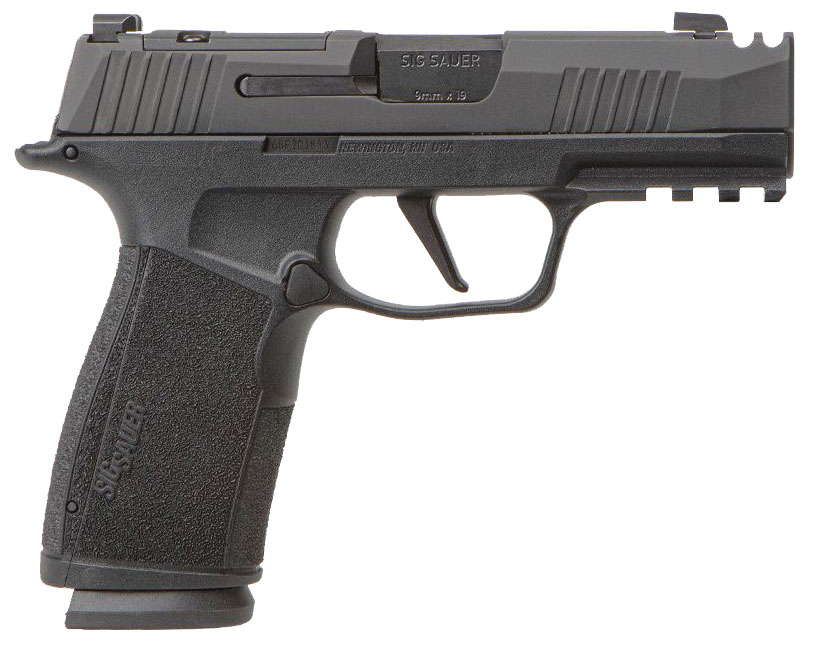
The video opens at Neutral Ground Gun Company with Kai joined by James Reeves from TFBTV to stage a direct comparison between two popular compensated micro-compacts: the Springfield Hellcat Pro Comp and the Sig P365X Macro. James lays out the basics of the P365X Macro comp, explaining its dimensions, 17-round capacity, and how it fits into the broader P365 ecosystem alongside the standard P365 and P365 XL. He notes that in prior testing, the Macro variant actually shot best for him out of the P365 family. Both hosts agree that the P365 lineup in general is one of the strongest recommendations for concealed carry, thanks to its size-to-capacity ratio and proven track record. This early framing sets the Sig as a known quantity and benchmark, while the new Hellcat Pro Comp is positioned as the challenger they are eager to evaluate on the range.
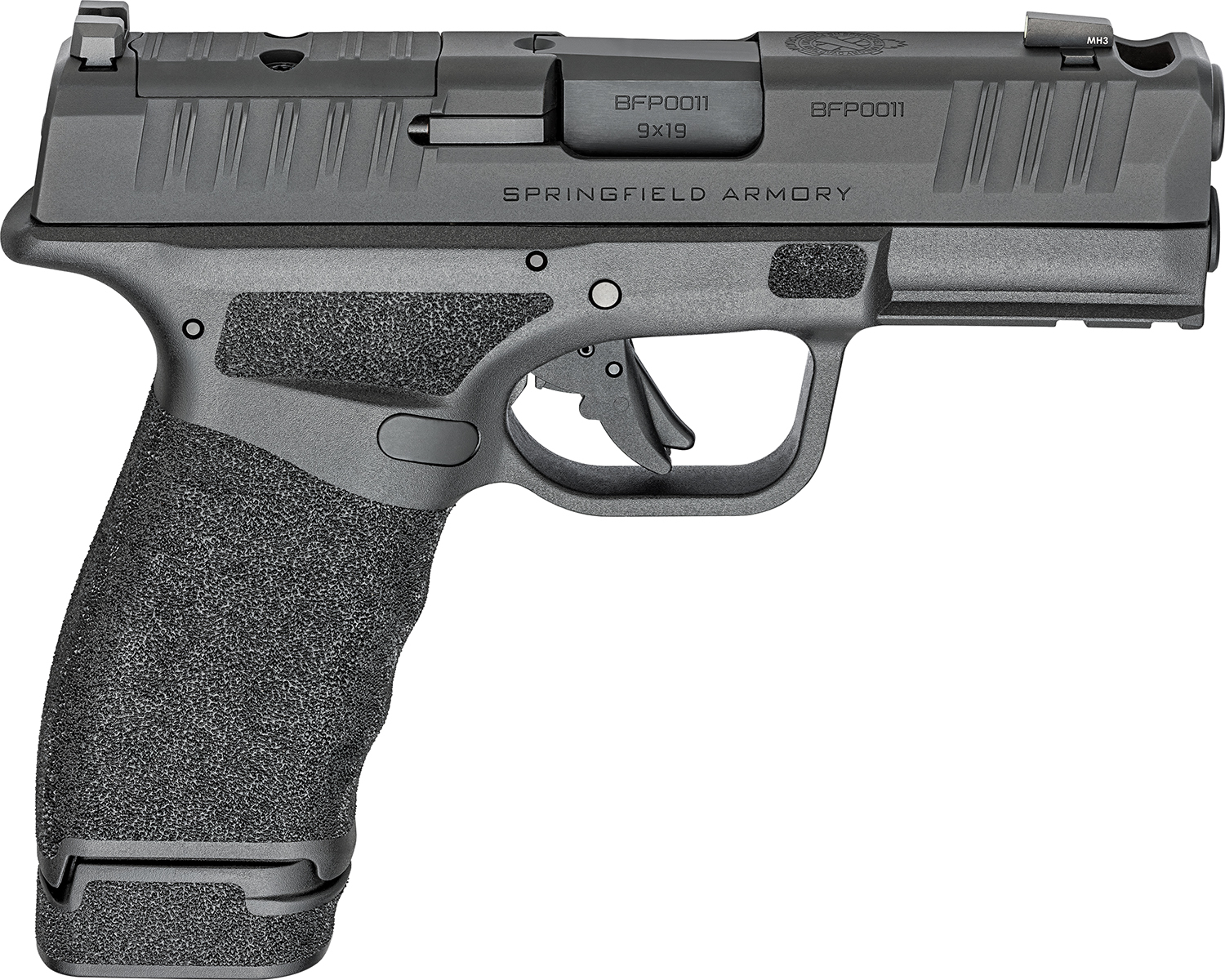
The discussion turns to how the Hellcat and P365 series have evolved as direct competitors in the micro-compact market. The hosts recall that the original Springfield Hellcat gained an early edge by squeezing an extra round into its flush-fit magazine compared to the first P365, which helped fuel brand loyalties and biases on both sides. They emphasize that, despite internet arguments, both platforms are solid carry choices. Attention then shifts to the compensator systems on these new models. The Sig P365X Macro uses a slide-integrated compensator with a non-ported barrel, venting gases through ports machined into the slide itself. In contrast, the Hellcat Pro Comp integrates the compensator into the barrel, visible through a cut in the slide. The hosts predict that, in practice, both designs will likely feel similar in terms of muzzle rise mitigation, but they are curious to see if one system offers a noticeable advantage once they start shooting.
The middle portion of the video focuses on capacity and concealment, where small dimensional differences matter. The hosts revisit how the original Hellcat’s flush-fit magazine beat the P365 by one round, then update the comparison for the current models. The Hellcat Pro Comp ships with a 15-round magazine and can accept an optional 17-round magazine, while the Sig P365 X-Macro offers a 17-round flush-fit capacity. When they physically line up the pistols, they discover that the Hellcat Pro Comp with its 15-round magazine actually has a shorter grip than the X-Macro, despite similar overall roles. This shorter grip can reduce printing under clothing, a key concern for concealed carriers. At the same time, the Hellcat Pro Comp user can swap to a 17-round magazine when capacity is prioritized. The hosts highlight this configurable grip profile as a practical advantage, allowing shooters to choose between maximum concealability or maximum capacity before heading out, rather than being locked into a single grip length.
With the specs and theory covered, the hosts set up a head-to-head range test to answer two questions: which pistol they would actually carry and which one offers the better shooting experience. They keep the test realistic by shooting at seven yards, a typical defensive distance, and by using the guns in configurations a concealed carrier would likely choose. There is some light banter about clothing choices and being on TFBTV, but the focus remains on practical performance. They start with the Sig P365X Macro, acknowledging its established reputation and James’s extensive experience with the P365 family. The plan is to alternate between the Sig and the Springfield Hellcat Pro Comp, compare groups on paper, and pay close attention to recoil impulse, controllability, and how each gun feels in rapid strings. This structure is meant to minimize bias and give both pistols a fair, back-to-back evaluation.
The first live-fire sequence features the Sig P365X Macro at seven yards. Immediately, the hosts notice the loud report, attributing it to the compensator venting gases upward and sideways. Despite the increased blast, they praise the pistol’s controllability and smooth recoil impulse, noting that it stays flat and is easy to keep on target during rapid fire. Even though the red dot on the Sig is slightly off zero, the groups are still respectable, reinforcing their confidence in the P365 platform as a carry choice. They comment on how impressive the accuracy and shootability are for such a thin, lightweight pistol with a 17-round capacity. This initial string sets a high bar for the Hellcat Pro Comp, as the Sig performs in line with its strong reputation and James’s prior preference for the P365 XL and Macro variants.
Next, the hosts move to the Springfield Hellcat Pro Comp for its first shots straight out of the box, hoping the included optic is properly zeroed. The pistol is equipped with a Shield micro red dot, and almost immediately they begin criticizing the optic’s behavior. The dot appears to blink or stutter, which they find highly distracting during live fire. They explain that some micro-compact red dots use slower refresh rates, which can cause the dot to appear as multiple points or a dotted streak, especially when viewed through a camera or during rapid movement. This effect is contrasted with earlier Hellcat-packaged optics like the Wasp, which had their own drawbacks. While working through the heavy trigger and initial shots drifting left, they continue to comment on how the optic’s blinking dot complicates aiming. Despite these issues, they push forward with the test to see how the Hellcat Pro Comp groups on paper compared to the P365X Macro.
After the first round of shooting with both pistols, the hosts walk downrange to inspect the targets and are surprised by the results. Both shooters find that their groups with the Springfield Hellcat Pro Comp are actually better than with the Sig P365X Macro, despite one of them having strong loyalty to and extensive experience with the P365 lineup. This unexpected outcome prompts them to repeat the test to ensure it was not a fluke. They run the P365X Macro again from seven yards, this time aiming at specific shapes on the target and focusing on consistency. The Sig produces tight groups with only minor flyers, demonstrating excellent performance for such a slim, lightweight gun. A subsequent string with the Hellcat Pro Comp yields strong groups as well. When they compare the final paper targets, one shooter ultimately performs slightly better with the Sig, but both acknowledge that the Hellcat Pro Comp shot very well overall and, in some cases, even edged out the P365X Macro.
With multiple strings completed, the hosts step back to analyze how the two pistols actually feel in recoil and muzzle control. They agree that, in terms of perceived recoil and muzzle rise, there is no meaningful difference between the Hellcat Pro Comp and the Sig P365X Macro. Both compensator systems seem to work effectively, though they also make the guns noticeably louder. Attention then shifts to the sight configurations. The Springfield Hellcat Pro Comp uses a U-notch rear sight paired with a large yellow front night sight. The hosts describe this setup as acceptable but somewhat divisive, as not everyone prefers the U-notch style. In contrast, the Sig P365X Macro features three-dot X-Ray night sights, which they consider more universally liked and easier for many shooters to pick up quickly. They also acknowledge that the different optics mounted on each gun may have influenced their results, especially given the Shield optic’s distracting blinking dot on the Hellcat.
The conversation deepens around optics and overall value. The hosts compare the Sig P365X Macro’s X-Ray night sights favorably against the Springfield Hellcat Pro’s sight picture, reiterating that the Sig’s three-dot setup is more conventional and widely appreciated. They note that the Shield optic on the Hellcat Pro Comp offers auto-adjusting brightness and relatively clean, low-distortion glass, while Holosun 407/507 optics can show more noticeable warping and tint, even though Holosun remains popular. Pricing is then addressed: the Hellcat Pro Comp carries an MSRP around $699, while the Sig P365X Macro is roughly $800. In real-world terms, they conclude that street prices bring the two pistols fairly close together. A major differentiator is the Sig’s modular fire control unit, which allows users to move the serialized chassis between different P365 frames and even platforms like the Flux Raider 365. By contrast, the Hellcat Pro Comp’s design effectively locks the user into the original frame, limiting modularity and future configuration options.
In the closing segment, the hosts discuss Springfield’s partnership with HS Produkt, a Croatian military manufacturer known for producing tough, high-quality pistols. They highlight that HS Produkt-made Springfield handguns, including early Hellcats, underwent extensive high round-count durability testing, which helped establish a reputation for reliability. While they criticize Springfield’s confusing naming conventions, they acknowledge that the Hellcat Pro and Pro Comp have built a solid track record in the field. The conversation returns to magazine strategy: Springfield’s choice of a 15-round flush-fit magazine for the Hellcat Pro Comp positions it neatly between Sig’s 12-round and 17-round options, making it an appealing middle-ground for capacity and grip length. After comparing their groups and shooting impressions, they ultimately call the matchup a tie, noting that one shooter produced a slightly better group with the Hellcat Pro Comp but both guns performed excellently. They close by inviting viewers to share their own experiences with the Sig P365 lineup and Hellcat Pro models, emphasizing that individual shooters may naturally shoot one platform better than the other.





















 Loading...