The video opens with a look at the Sylvan Arms Gen 4 folding stock adapter for AR-15 platforms, described as a robust accessory. Before detailing the Gen 4, the host revisits the earlier Gen 3 adapter that many Classic Firearms viewers may recognize. That Gen 3 unit was subjected to extreme abuse, including being run over by a truck and slammed repeatedly into steel at the range. Despite visible marks and deformation along the edges, the Gen 3 adapter continued to function as designed. This prior testing sets the context for evaluating how the Gen 4 builds on the durability and performance of the earlier model.
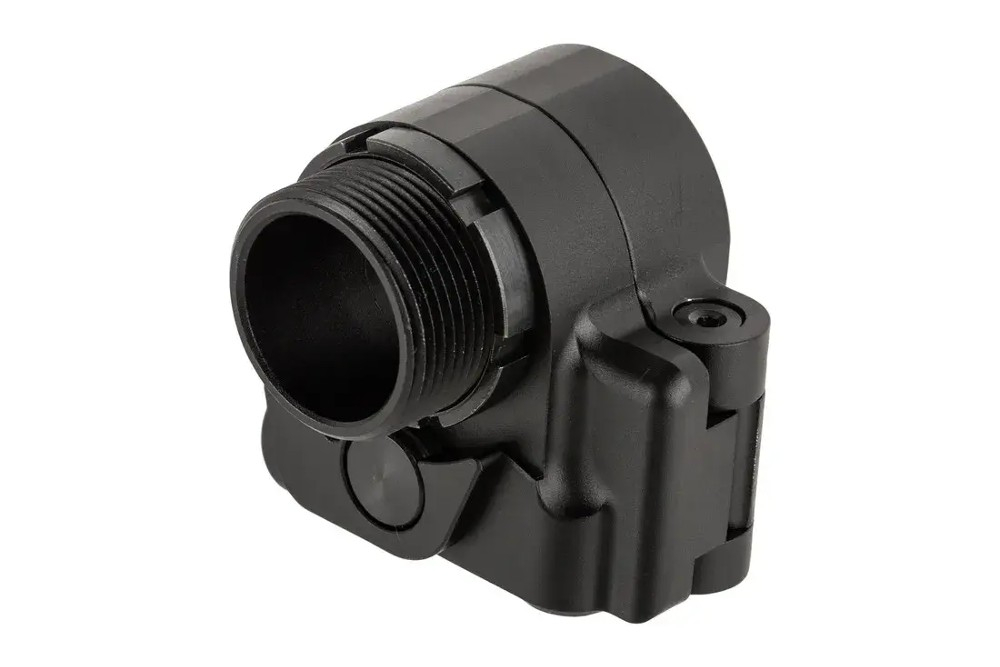
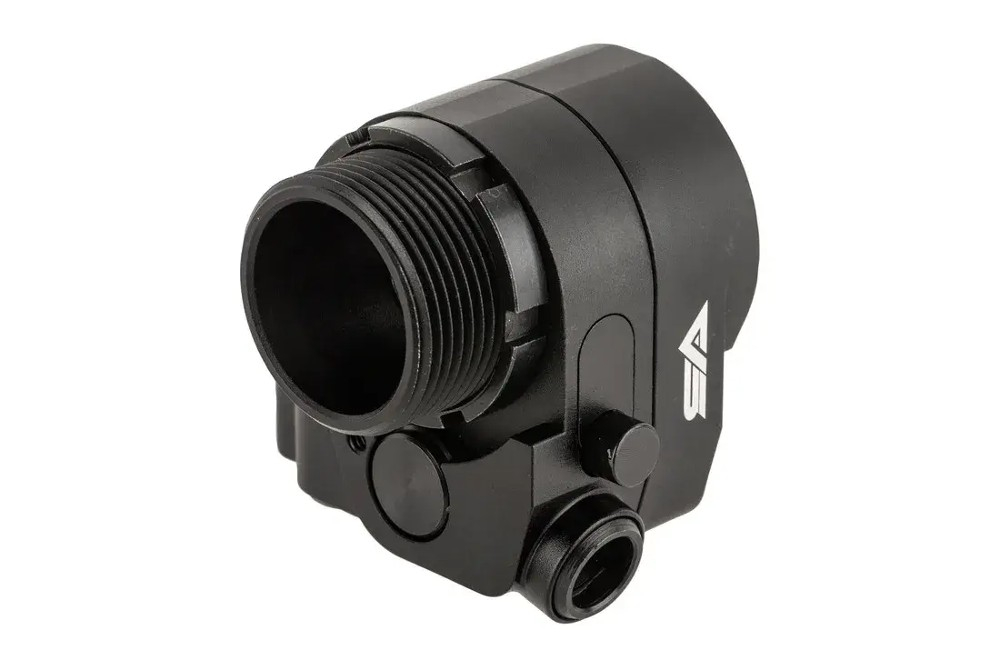
The comparison between the Sylvan Arms Gen 3 and Gen 4 folding stock adapters begins with overall size. The Gen 4 is slightly smaller and more compact. Internally, the Gen 4 uses more steel components, including a redesigned button mechanism. The Gen 3 used a half-moon style button, while the Gen 4 features a full-circle steel button. The locking mechanism also changed: the Gen 3 lock was aluminum and showed some bending under hard use, whereas the Gen 4 lock is steel. The steel locking piece can be removed and replaced via a small screw if it ever bends or warps. The body of the Gen 4 adapter is made from 7075-T6 aluminum, emphasizing a robust construction compared to the previous generation.
Moving from Gen 3 to Gen 4, Sylvan Arms added two QD sling mount points to the adapter, one on the bottom and one on the opposite side of the hinge. This leads into the discussion of choosing between the left-folding and right-folding Gen 4 models. The left or right designation is tied to the shooter’s dominant hand. Right-handed shooters are advised to select the right-folding adapter, while left-handed shooters should choose the left-folding version. The idea is that the stock should fold away from the shooter’s body on the side opposite the dominant hand, improving comfort and avoiding interference with gear and sling placement during use.
The host demonstrates how sling placement interacts with the folding direction. Using a QD sling attached to the left-folding adapter, the stock folds toward the shooter’s body when used by a right-handed shooter, causing the folded stock to interfere with the sling. Folding requires working over or around the sling, which slows deployment and feels awkward. In contrast, when the folding direction matches the shooter’s dominant hand recommendation, the stock folds away from the body and clears the sling more naturally. This configuration allows faster, more consistent deployment. The segment reinforces that right-hand shooters benefit from the right-folding adapter and left-hand shooters from the left-folding adapter to minimize sling interference.
Another key improvement on the Gen 4 adapter is how it interfaces with the buffer tube and receiver. On the Gen 3, there was a visible gap between the adapter and the receiver, which added extra overall length and created an unfinished appearance. The Gen 4 design brings the adapter flush against the receiver, eliminating the gap and reducing added length. The video shows a side-by-side comparison of the older and newer units to highlight this change. Sylvan Arms also includes a dedicated wrench with the Gen 4 kit. This tool engages the adapter so it can be tightened securely onto the rifle, ensuring a solid, rigid fit at the receiver interface.
The closing section summarizes the main specifications and observations. Sylvan Arms is described as a United States company based in Myrtle Beach. The Gen 4 folding stock adapter uses more steel components than the Gen 3 and is built from 7075-T6 aluminum, with a listed weight of approximately 6 ounces. The adapter is presented as a functional tool for AR-15 rifles rather than a novelty item, with construction intended to withstand hard use. Viewers who have experience with either the Gen 3 or Gen 4 adapters are encouraged to leave reviews and comments about their performance. The video ends with brief closing remarks and a sign-off.





















 Loading...