The video focuses on comparing the Glock 19 Gen 5 with the newer Glock 19 Gen V. The presenter notes recent talk about Glock discontinuing Gen 4 and even some Gen 5 models, which caused confusion until the Gen V appeared. At first, it was unclear whether the V indicated a new generation or just a minor revision, since V can also represent the number five. The goal of the video is to examine what actually changed on the Gen V, then shoot it side by side with a standard Glock 19 Gen 5 to see if there is any noticeable difference in feel or performance.
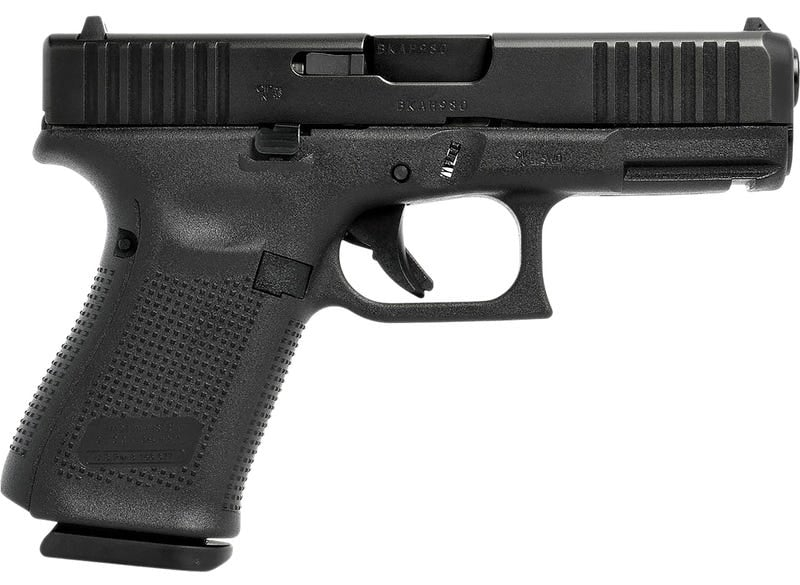
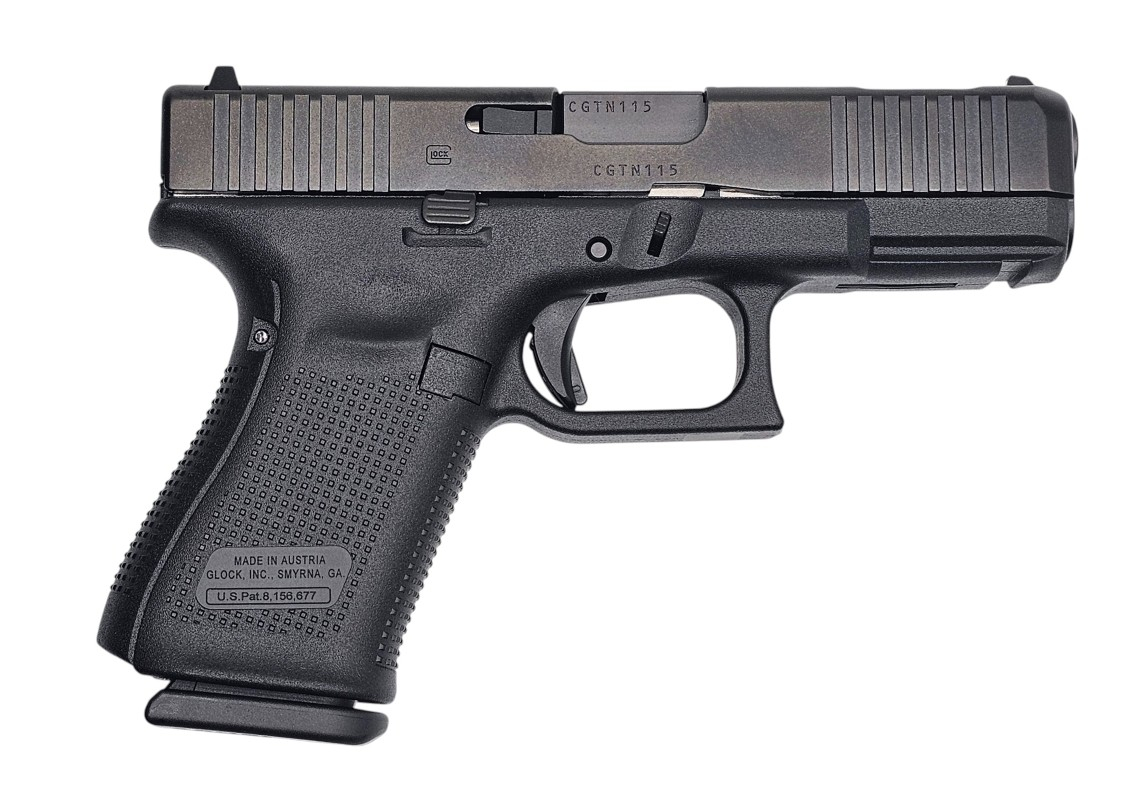
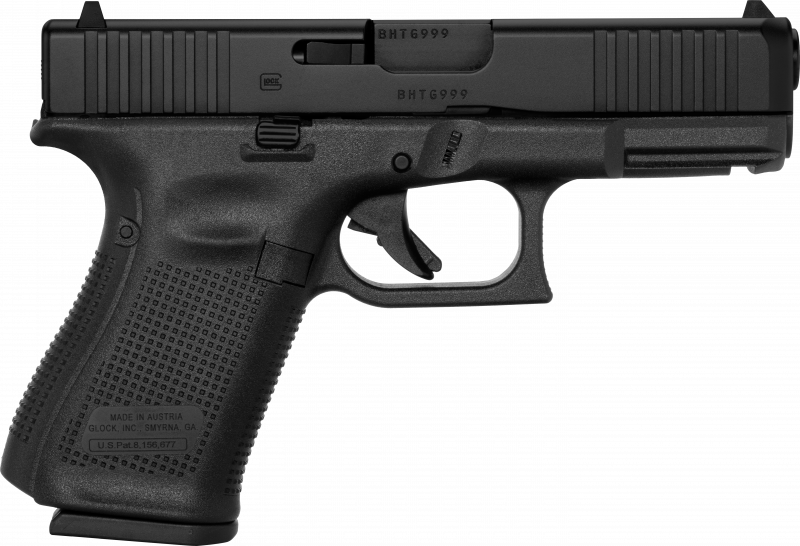
The Glock 19 Gen 5 shown has front and rear slide serrations, an optic cut for a red dot, and standard plastic Glock sights. It features an ambidextrous slide catch and a reversible magazine catch, along with the familiar Gen 5 frame without finger grooves and a typical Glock trigger. The Glock 19 Gen V slide is marked “Glock V,” with a V on the frame as well. Externally, it looks almost identical to the Gen 5, with front and rear serrations and standard sights, but the example shown is not cut for an optic. The main visible differences appear at the rear of the slide: the Gen V back plate is shaped differently, with a narrower, angled center section, and the extractor spring area is slightly larger compared to the Gen 5.
With both pistols disassembled, the presenter compares the slides and internal components. The Glock 19 Gen 5 striker is visibly larger in the area that interfaces with the trigger bar. On the Glock 19 Gen V, the striker channel area has raised sections around it, and the channel itself is narrower. These raised channels and the altered geometry around the striker are highlighted as the primary internal changes. The explanation given is that these revisions are intended to prevent installation of aftermarket devices sometimes referred to as Glock switches, making it more difficult to alter the firing behavior. The frames are also marked to indicate Gen V, and aside from the narrower internal channel and raised polymer areas, they look very similar to the Gen 5 frames.
The presenter addresses whether Gen 5 and Gen V parts can be interchanged. Based on the narrower internal channel in the Gen V frame and the raised areas around the striker in the Gen V slide, he concludes that the slides are not compatible across generations. When attempting to fit a Gen V slide onto a Gen 5 frame, it encounters a physical blockage and will not travel onto the frame rails. He also notes that the different rear plate shapes strongly suggest that Gen 5 and Gen V back plates are not interchangeable, whether factory or aftermarket. Overall, Glock appears to have made targeted dimensional changes to prevent cross-compatibility of certain slide components and plates between Gen 5 and Gen V models.
On the range, the Glock 19 Gen 5 is fired first for a quick baseline. The pistol behaves as expected, with reliable function and familiar trigger characteristics. The focus then shifts to the Glock 19 Gen V for its first shots. Initial impressions are that it feels very similar to the Gen 5 in recoil and overall handling. After shooting additional magazines, the presenter comments that the trigger on the Gen V might feel slightly better, while acknowledging this could be a subjective or psychological impression. In practical terms, the Gen V shoots like a standard Glock 19 Gen 5, with consistent reliability and a good ejection pattern. The sights are described as serviceable but a candidate for future replacement with upgraded options.
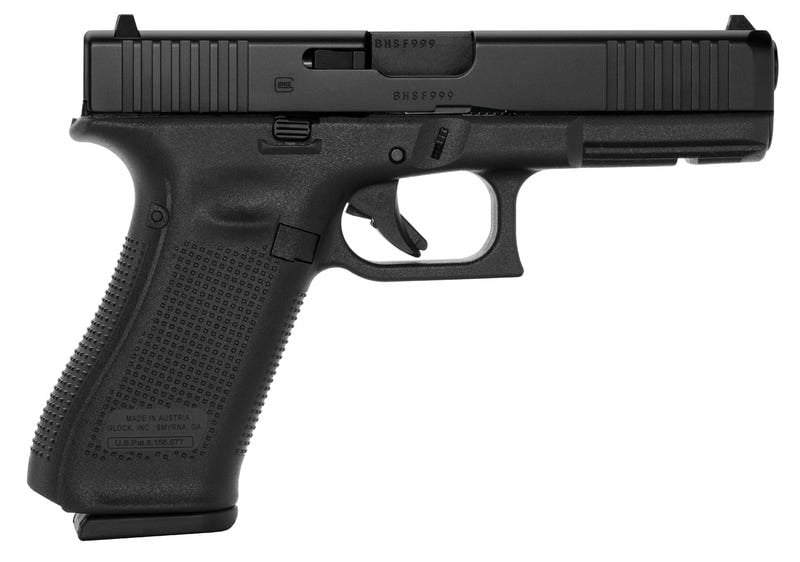
A Glock 19C is briefly shown, with the slide marked “Glock 19 C.” The presenter clarifies that the C refers to a compensated, ported configuration rather than competition or compact, and notes that this pistol will be covered in a separate, dedicated video instead of being fired here. The comparison then moves to full-size models, starting with a Glock 17 Gen 5. The presenter expresses a strong preference for the Glock 17 platform and fires a string of shots. Afterward, a Glock 17 Gen V is shot under similar conditions. Despite the longer slide, increased sight radius, and additional weight that should aid recoil management, the shooter humorously notes missing more with the 17 in this sequence, treating it as a reflection on his own performance rather than the pistols.
In closing, the presenter reiterates that the Glock Gen V changes are mostly internal, focusing on the striker channel, back plate design, and frame channel dimensions. On the range, both the Glock 19 Gen V and Glock 17 Gen V feel and perform much like their Gen 5 counterparts, with reliable cycling and familiar triggers. The main practical takeaway is that certain parts, including slides and back plates, do not interchange between Gen 5 and Gen V models due to the revised geometry. Viewers are invited to share opinions on whether the Gen V updates are worthwhile and which generation they prefer. A future comparison between the Glock 19 Gen V and the ported Glock 19C is teased for an upcoming video.



















 Loading...