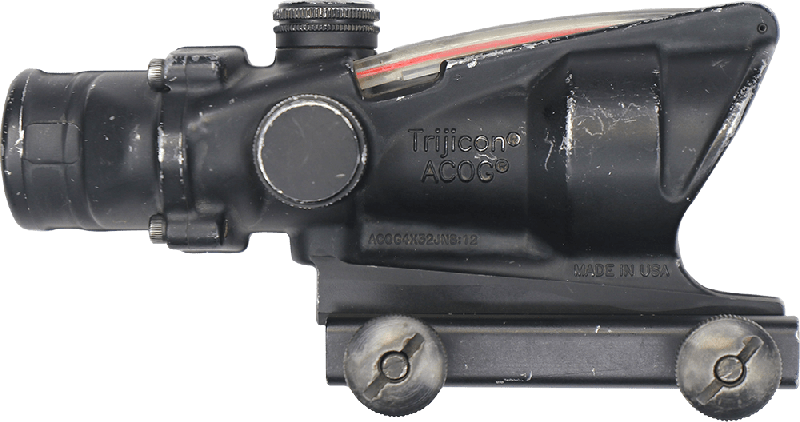
The video opens with Classic Firearms unveiling a large surplus lot of Trijicon ACOG 4x32 optics, specifically the RCO variants that served with the U.S. military. These scopes are described as genuine former service optics, not commercial knockoffs, with most units dated between roughly 2008 and 2012. The host explains that the lot has been carefully sorted and graded so buyers know exactly what they are getting. Each ACOG is categorized into condition codes, with the grading focused primarily on cosmetic wear to the housing rather than internal damage. Viewers are told that these are battle-proven optics that have seen real use, which explains the variety of finish wear, dings, and handling marks. The introduction sets the tone that this is a rare opportunity to own authentic military RCO ACOGs, emphasizing their reputation for durability, reliability, and combat pedigree while hinting at different grades and price points to be covered later in the video.
The host moves into a detailed explanation of the Trijicon ACOG’s chevron reticle and bullet drop compensation system. Using a standard 4x32 RCO as the example, he breaks down how the illuminated red chevron is intended to be used for quick, precise holds at various distances. The very tip of the chevron is described as the 100-yard aiming point, while the “crotch” or inner angle of the chevron corresponds to a 200-yard hold. Below that, the top of the vertical post is used for 300 yards, and additional BDC stadia lines extend down the reticle, calibrated out to approximately 800 yards for the appropriate cartridge. The video emphasizes that despite being surplus, the glass remains impressively clear, the tritium illumination is intact and visible, and the optics are still nitrogen-filled to resist fogging. This section underscores why the ACOG has such a strong reputation among service members and enthusiasts for rugged, fixed-power performance.
Attention then shifts to one of the most distinctive and controversial aspects of older Trijicon ACOGs: the Bible verse markings. The host points out that many of the pre-2010 units in this surplus batch feature small engravings such as “JN 8:12” on the housing, referencing John 8:12. He explains that Trijicon historically included these coded scripture references on military optics, which later became the subject of political and media controversy. As a result, many ACOGs in service had the markings removed, sometimes professionally and sometimes with crude methods like a dremel tool. The video notes that within this lot, buyers will encounter a mix: some scopes still retain the original verse inscription, while others show evidence of careful or rough removal. The date ranges on the optics help identify which are likely to have had the markings originally. This segment adds historical and collector interest, highlighting how each optic may carry unique cosmetic and cultural history from its time in service.
The video then dives into the condition grading system, starting with the more heavily used Grade C ACOGs. These are presented as the most cosmetically worn examples in the lot, often showing significant finish wear, scratches, dings, and other evidence of hard field use. The host makes clear that the grading is largely about external appearance, not internal function. Even the Grade C units have been screened to ensure that the reticles are bright, the tritium is still serviceable, and the optics remain mechanically sound. Viewers see or are told about housings that may look beat up but still hold zero and perform as intended. This grade is positioned as an excellent value for shooters who care more about function than looks and who appreciate the character of a scope that has clearly been there and back. The segment builds excitement by suggesting that these workhorse optics offer authentic military history at a more accessible price point.
Next, the host contrasts the rougher Grade C scopes with cleaner Grade B examples from the same surplus batch. Grade B ACOGs are described as having noticeably less cosmetic wear, with better overall finish, fewer deep scratches, and generally more attractive housings. While still surplus and showing some signs of use, these units are presented as ideal for buyers who want a military-proven optic that also looks good on a rifle. The video reiterates that Classic Firearms accepted only units with good, bright reticles and functional tritium, regardless of grade, so customers are not gambling on dead illumination or fogged glass. The grading system is portrayed as transparent and conservative, giving shooters confidence in what they are ordering. This section reinforces that there are multiple condition tiers and likely corresponding price levels, allowing enthusiasts to choose between maximum value or better cosmetics while still getting an authentic Trijicon ACOG RCO 4x32.
As the overview of the surplus lot wraps up, the host connects these Trijicon ACOG RCO 4x32 scopes to broader promotions and giveaways run by Classic Firearms. The surplus optics are framed not only as standalone purchases but also as part of complete rifle and gear packages that the retailer is known for featuring. The video suggests that some rifles in current or upcoming giveaways may be outfitted with these very ACOGs, underscoring their desirability as top-tier combat optics. Viewers are encouraged to keep an eye on Classic Firearms’ site and promotions so they do not miss out on limited-quantity offerings. The tone emphasizes urgency and exclusivity, reminding the audience that surplus military ACOGs in good working order do not appear on the market often, and when they do, they tend to sell quickly. This segment bridges the technical discussion with the retailer’s ongoing marketing campaigns and community engagement.
In the closing portion of the video, Classic Firearms repeatedly highlights rifles equipped with Trijicon ACOG optics, describing them as beautiful optics on beautiful rifles. The host showcases at least one specific rifle topped with a surplus ACOG, using it as a visual example of how these 4x32 RCO scopes complete a high-quality fighting or competition setup. The message is clear that there are multiple ACOGs and related optics available, and viewers are urged not to miss out on the current offerings. Classic Firearms is promoted as the go-to source for these surplus Trijicon ACOGs, compatible rifles, and any other gear shooters might need. The outro loops a branded tagline along the lines of “anything you guys need, we got it, Classic Firearms, and we’ll see you soon,” reinforcing both availability and brand identity. The video ends on this upbeat call-to-action, inviting viewers to visit Classic Firearms and check out the ACOG inventory.





















 Loading...