AK-47 Basics, Thunder Ranch Viska, and Safety Fundamentals
The video opens with light banter about a Century AK and a Canik magazine that clearly does not fit, setting a relaxed tone before introducing the featured rifle: the Thunder Ranch Viska. Viewers learn that this specific Viska is the giveaway gun, and the prize includes flying the winner to Thunder Ranch in Oregon for a two-day course with Clint Smith and the hosts. The instructors explain that this is a warm-up session with simple, practical drills rather than a full-blown class. They contrast the AK and AR platforms, calling the AK more rugged and primitive, and highlight the 7.62x39 cartridge as both devastating and fun to shoot. New AK owners are shown how to rock the magazine in instead of inserting it straight like an AR, how to use the large right-side safety lever, and how to chamber a round. The hosts stress that the safety blocks the charging handle and that most AKs lack a last-round bolt hold-open, which significantly affects how reloads must be performed.
AK Reload Methods, Extended Mag Release, and Recoil Anticipation Drill
The next section demonstrates basic AK-47 firing and reload techniques, emphasizing that most AKs do not lock open on an empty magazine. Shooters must manually run the charging handle after each reload to chamber a new round. Different reload styles are shown, including the classic technique of using a fresh magazine to knock out the empty one before rocking the new mag into place. The Thunder Ranch Viska’s wider, extended magazine release is highlighted as easier to activate than a standard AK paddle, making reloads more forgiving for newer shooters. The focus then shifts to coaching Katie through a structured drill with an AK loaded to an unknown round count. She is instructed to fire two shots per called target and to pay close attention when the rifle goes “click” instead of “bang,” using that moment to diagnose recoil anticipation. The instructor encourages her to slow down her reloads, concentrate on shot placement, and get comfortable with the iron sights, especially on a second target that has seen fewer hits.
Improving AK Reload Efficiency and Maintaining Visual Workspace
Live-fire practice continues with an emphasis on familiarity and control. The instructor notes Katie’s slight forward lean and visible recoil anticipation when the rifle unexpectedly goes click, using this to reinforce proper stance and follow-through. Her initial reload technique is critiqued for being low and away from her face, which forces unnecessary movement and reduces awareness. The instructor demonstrates a more efficient AK reload, keeping the rifle higher in the visual workspace, using a “chicken wing” arm position, and performing all manipulations where the eyes naturally rest. This approach preserves situational awareness and reduces muscle strain by avoiding dropping the rifle toward the waist. Katie then repeats the drill without a makeshift sling that had been getting in the way. She practices a deliberate sequence: firing, dropping the stock into the armpit, removing the empty magazine, inserting a fresh one, running the charging handle, and re-engaging the target. Throughout, the instructor stresses prioritizing solid hits and smooth mechanics over raw speed.
Timed AK Drills, Low Round-Count Practice, and Friendly Challenges
The training progresses into timed AK drills from a low-ready position, incorporating magazine changes and target engagement under mild pressure. Katie runs the sequence multiple times, and the instructor calls out her improving times, dropping from around 10.2 seconds to about 9.28 seconds despite some fumbled movements. This visible progress underscores how quickly shooters can improve with just a few focused repetitions. The instructor emphasizes that these are low round-count drills, making them practical and affordable for regular practice. Viewers are encouraged to run similar exercises with friends as informal challenges, using a timer to track performance and build confidence. The focus remains on consistent mechanics, efficient reloads, and maintaining the rifle in the visual workspace rather than chasing speed alone. The segment reinforces that even short, structured sessions can dramatically increase comfort with the AK platform and prepare shooters for more advanced training or competition.
Mag Dump Finale and Thunder Ranch Viska Giveaway Details
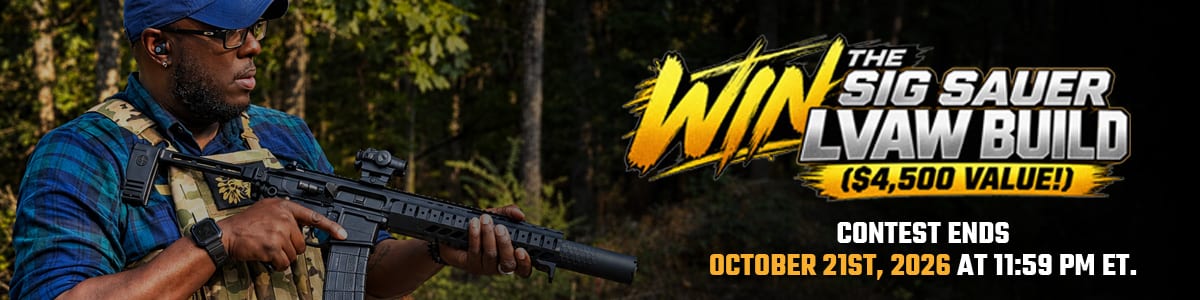
To wrap up the training session, the instructor invites Katie to perform a mag dump with the remaining rounds, letting her experience the AK’s 7.62x39 recoil and rhythm at full speed. Her rapid progress throughout the video is praised, and the hosts comment that she could be competitive in AK matches with continued practice. Attention then turns back to the featured rifle: the Thunder Ranch Viska being given away through classicfirearms.com. The hosts detail that the giveaway package includes the rifle itself, a 30-round US Palm magazine, and a SureFire Mini Scout Light mounted on an RS Regulate Picatinny mount, creating a practical fighting setup. The winner will also be flown to Thunder Ranch in Oregon for a dedicated training trip with Katie and the team, combining gear and instruction. The closing message encourages viewers to train with friends, support gun rights organizations, and take advantage of opportunities to learn the AK platform properly.



















 Loading...