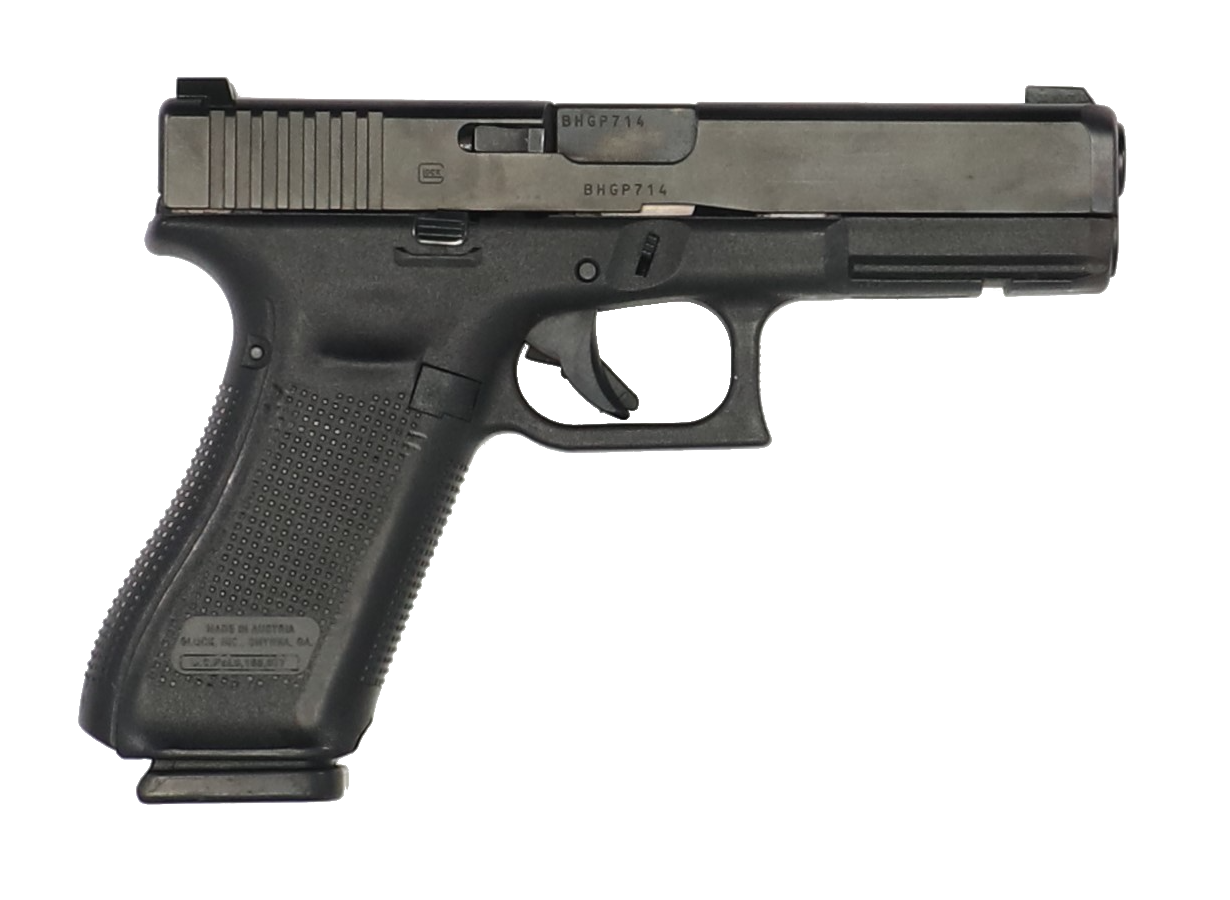
The discussion opens with the Glock 17 framed as the original, proven Glock design. The hosts note that the Glock 17 was the first Glock ever made, introduced in 1982. It was adopted by the Austrian military, with an initial delivery of around 25,000 pistols, and then spread widely in military, law enforcement, and civilian use. The pistol is shown in its current Gen 5 form, and they mention that the platform has gone through five generations so far, with speculation about a possible Gen 6 in the future. The Glock 17 is described as one of the most sold handguns worldwide, second only to the Glock 19.
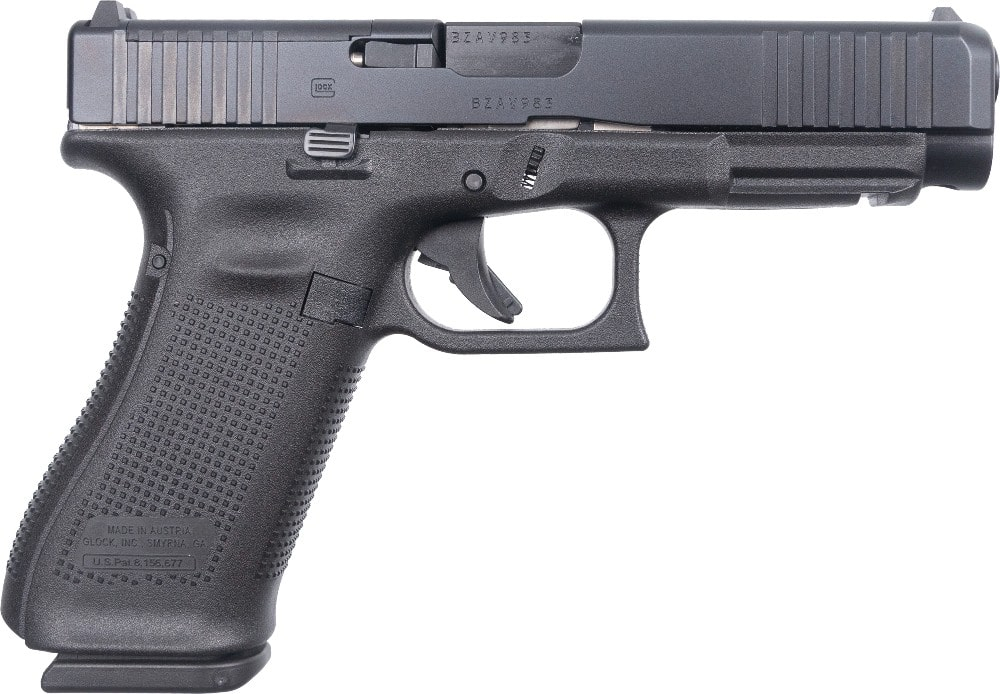
Attention shifts to the Glock 47 and why it exists alongside the Glock 17. The hosts explain that around 2020, U.S. Customs and Border Protection (CBP) asked Glock for a new pistol that would replace existing Glock 19s while maintaining parts compatibility. CBP had significant inventories of parts and wanted interchangeability across their pistols. The Glock 47 was developed to meet that requirement, offering a configuration that works with existing Glock 19 components. The frame is described as being similar to a Glock 45 or Glock 19X style frame, with compatibility that made CBP “happy” from a logistics and maintenance standpoint.
The hosts compare the Glock 17 and Glock 47 side by side. At a glance they look very similar, but the Glock 47 has a shorter frame at the front, which results in a shorter recoil spring and guide rod. The Glock 47 uses a Glock 19 recoil spring and guide rod, while the Glock 17 uses its own longer Glock 17 recoil spring assembly. Magazine capacity remains the same at 17 rounds for both pistols, and overall slide length and general size are very close. They emphasize that the main mechanical difference is the recoil system length and corresponding frame cut, not the magazine capacity or basic footprint.
To answer viewer questions about felt recoil and ergonomics, the hosts take both pistols to the range. One host shoots the Glock 17 first, then immediately switches to the Glock 47 using the same ammunition and similar drills, including some one-handed shooting. After shooting both back to back, they compare impressions. Both agree there is a noticeable difference in recoil. The Glock 17 feels softer and more controlled, while the Glock 47 feels slightly snappier. They stress that “snappy” is only in comparison to the Glock 17, not that the Glock 47 is difficult to shoot. The test is meant to highlight relative recoil characteristics between two very similar full-size 9mm Glock platforms.
The hosts try to quantify the recoil difference between the Glock 17 and Glock 47. One estimates the Glock 47 has roughly 20–25% more perceived recoil than the Glock 17, while the other jokingly calls it about 18.9%. They describe the Glock 47 as having more muzzle rise, with the slide hitting the rear of its travel more sharply. The shorter recoil spring assembly in the Glock 47 is shown next to the longer Glock 17 spring, illustrating why the longer system absorbs recoil more effectively. They relate this to basic physics: shortening the recoil system over the same horizontal plane leads to a sharper start and stop of the slide’s mass. This is contrasted with longer-slide models like the Glock 34, which benefit from more mass and a longer sight radius for softer, more controllable recoil.
The Glock 47’s recoil and feel are compared to other Glock models. One host notes that the Glock 47 feels similar to a Glock 19 in recoil, while the other feels it is slightly harsher than a Glock 19 because of the longer slide mass working with a shorter recoil system. They agree the Glock 45 feels more tamed, with a better balance between slide mass and spring length. A previous video comparing Glock 19 and Glock 17 is referenced, where accuracy between the two remained essentially the same despite the Glock 19’s slightly greater recoil and shorter sight radius. The takeaway is that while recoil characteristics differ, practical accuracy can remain consistent if the shooter is comfortable with the platform.
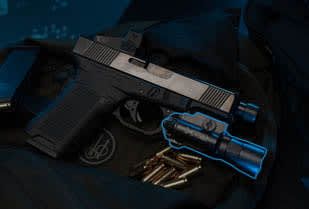
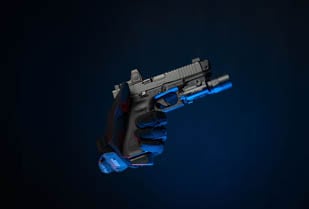
The conversation turns to optics mounting and configuration choices. The Glock 17 shown is a non-MOS Gen 5, while the Glock 47 in the video is cut for an MOS-style optic. They note that Glock discontinued the Glock 17 MOS variant, so shooters wanting a factory optics-ready full-size slide may lean toward the Glock 47. Another option is to use an older Gen 3 Glock 17 or similar model and have the slide milled for a red dot by an aftermarket shop. They mention that companies like DPM offer alternative recoil spring assemblies that could help tame the Glock 47’s sharper recoil. In closing, both pistols are considered viable, but the hosts personally favor the Glock 17 for its softer recoil and status as the original Glock design.
















 Loading...