The video focuses on the Blue Force Gear Vickers push button sling and how it functions on a rifle. The discussion stays on the sling itself rather than specific carry techniques, since those vary widely by shooter size, stature, and preference. The featured model is a Vickers push button sling with a quick detach point, intended for use on rifles as a practical support and retention tool. The goal is to explain its technical details and features, and how those compare to other sling options without going into every possible way to wear or configure it.
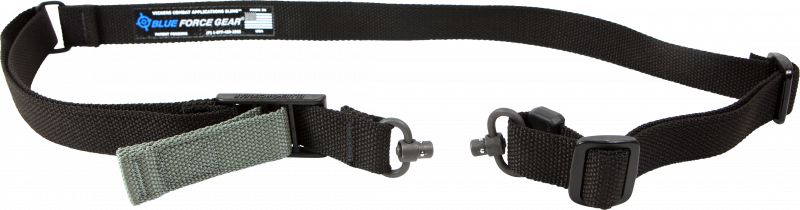
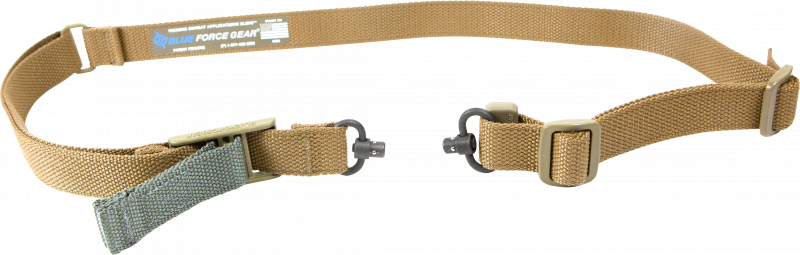
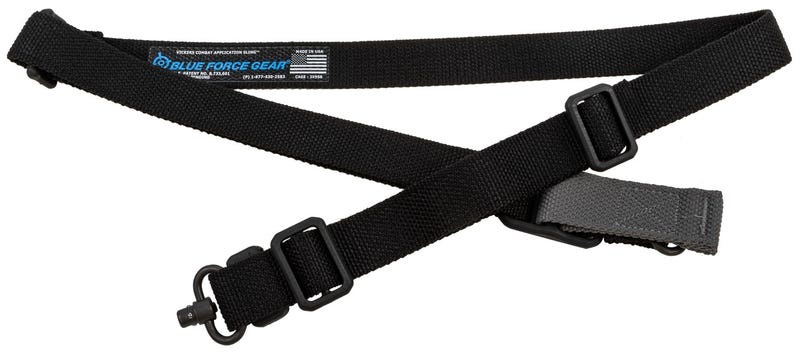
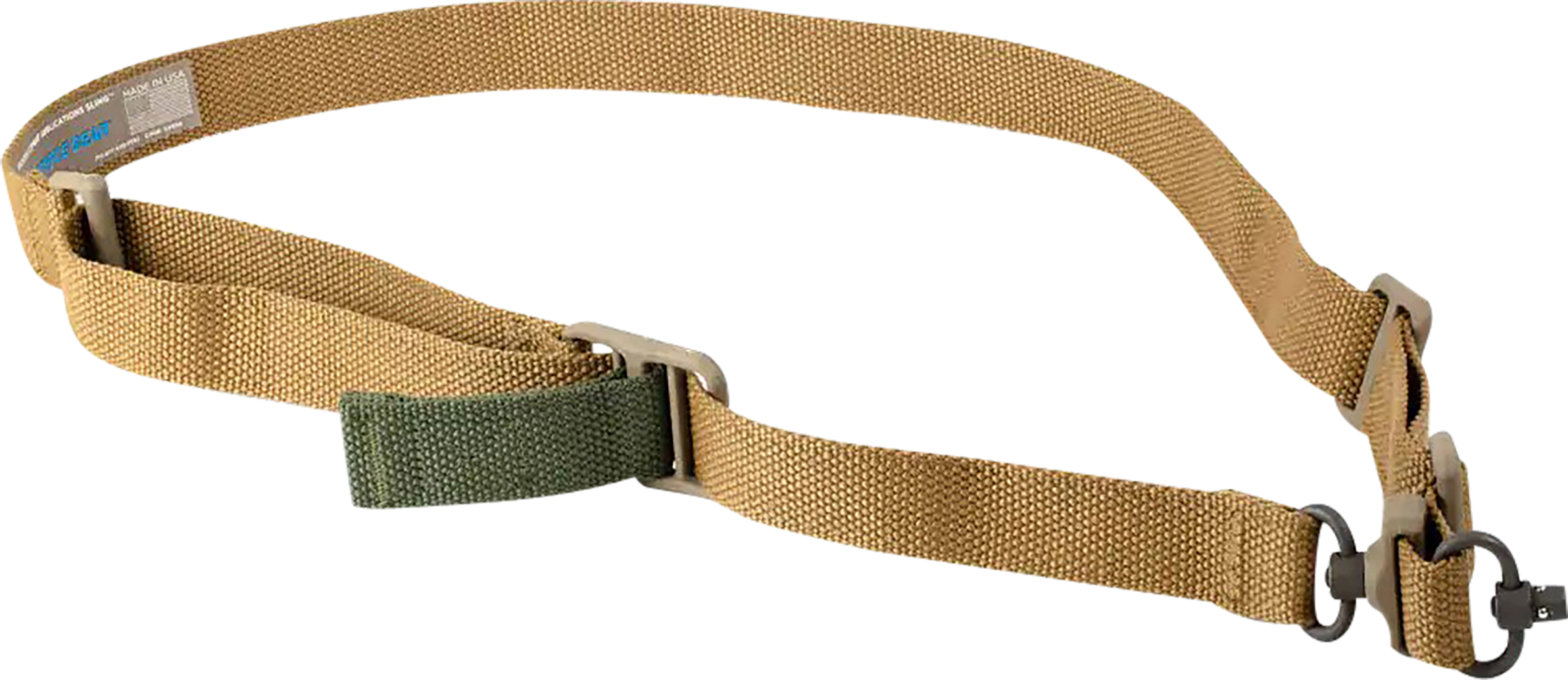
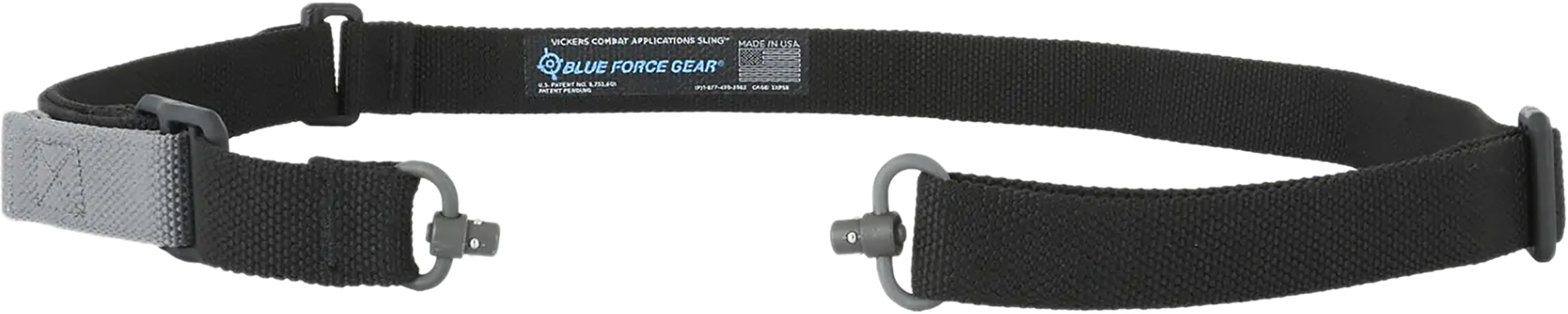
This sling is a QD model with steel quick detach points and push button operation. The example shown has a sewn-in QD sling point on one end, which is permanently attached to the webbing, and a more adjustable 1.25 inch QD loop on the other end. The sling includes both male and female QD ends, allowing it to convert from a two-point configuration into a single point by plugging the ends together. Users can also choose versions without sewn-in QD hardware if they prefer to save money or use different attachment types.
Blue Force Gear slings are described as American made and available in multiple colors, including various multicam patterns, green, tan, and black, to match different rifle builds. The hardware is glass reinforced DuPont Zytel nylon, used throughout the sling for strength and rigidity. The webbing is their Invista solution dyed Cordura, with a 1.25 inch width and a relatively thick, robust feel. The construction gives the impression of high tensile strength, with the sling resisting stretching or tearing under heavy pulling compared to many other options.
The sling offers significant adjustability on the non-sewn side, with an overall length range of roughly 30 to 60 inches. This allows it to fit a wide range of shooters, from shorter to taller users, and to adapt to different rifle setups. The adjustment hardware is designed so the sling can be quickly lengthened or shortened as needed. The focus is on making the sling versatile enough to work across different body types and configurations without requiring a separate model for each user.
Because the sling uses steel QD sling points, the video notes the importance of pairing them with steel QD cups on the rifle. Steel hardware on aluminum QD sockets, such as those found on some handguards or other mounting points, can gradually wear the aluminum over time. Shooters who are concerned about long-term wear or who run their rifles hard may prefer versions without sewn-in steel QD points so they can choose aluminum QD swivels instead. The choice depends on how the rifle is used and how often the sling is attached and removed.
A Geissele Super Duty rifle is used to demonstrate how the sling mounts and functions. The sling is attached at the rear of the lower receiver and at a forward point, though it can also be mounted to the buttstock or other front locations depending on preference. In a tighter, more administrative carry setting, the sling is adjusted so the rifle sits close and taut against the body while still allowing some movement. This configuration keeps the rifle controlled and reduces how far it hangs away from the user during general movement or non-firing tasks.
When more freedom of movement is needed, the sling can be quickly loosened to bring the rifle up on target and to allow easier transitions. A looser setting also makes it easier to swim out of the sling if the shooter needs to reposition or remove it quickly. The demonstrated setup keeps the sling clear of the magazine well so it does not interfere with reloads, which is one reason this configuration is popular and why Geissele includes a similar arrangement on its rifles. The video closes by inviting feedback from users of Blue Force Gear slings, including padded and non-padded versions, steel QD and standard attachments, and single point use.

























 Loading...