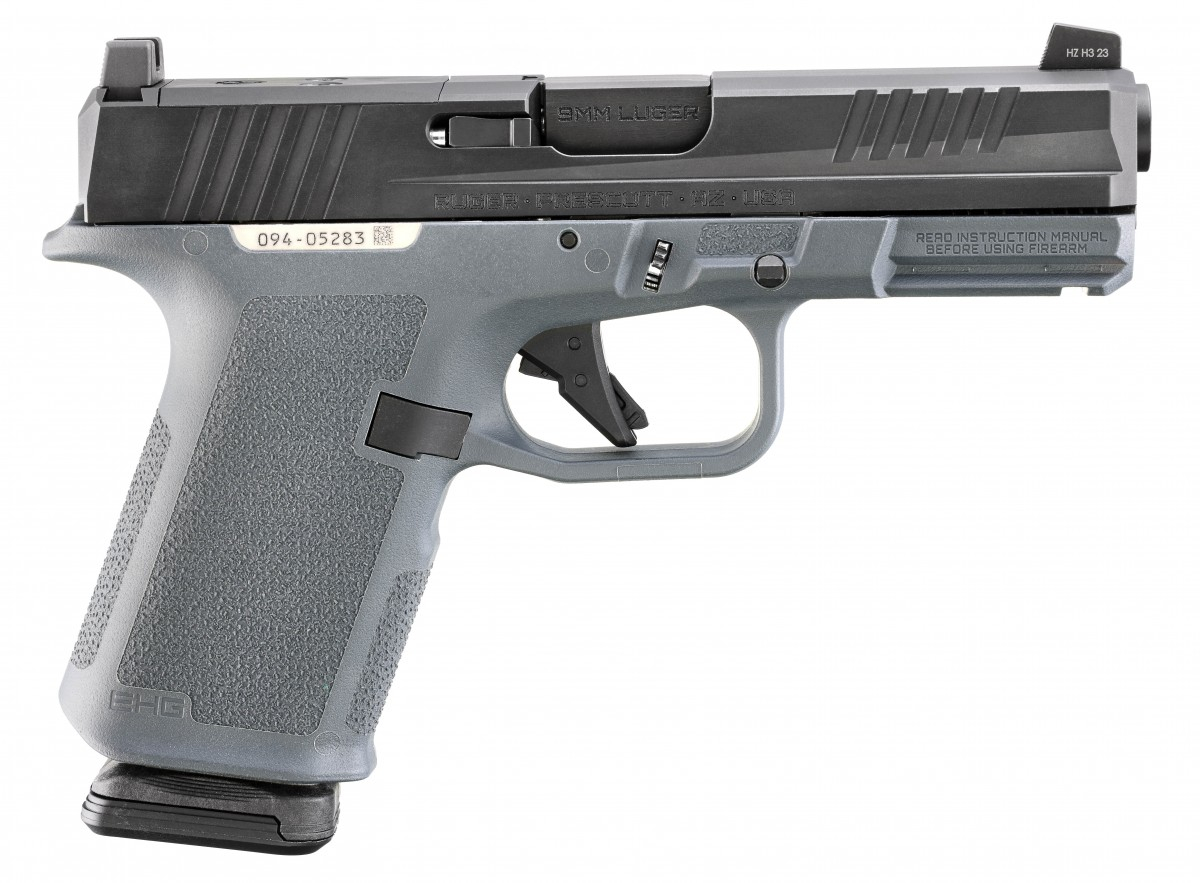
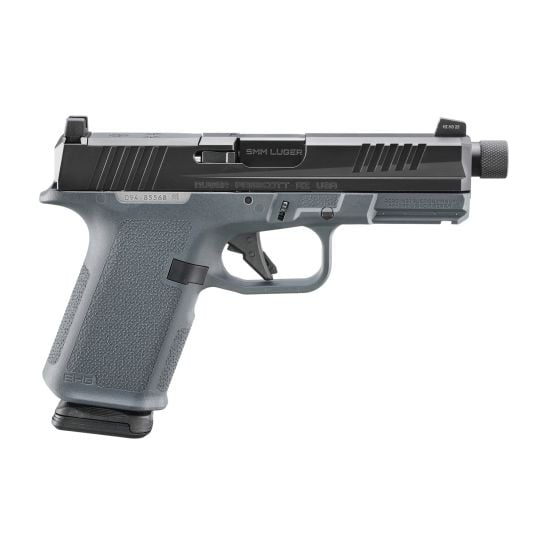
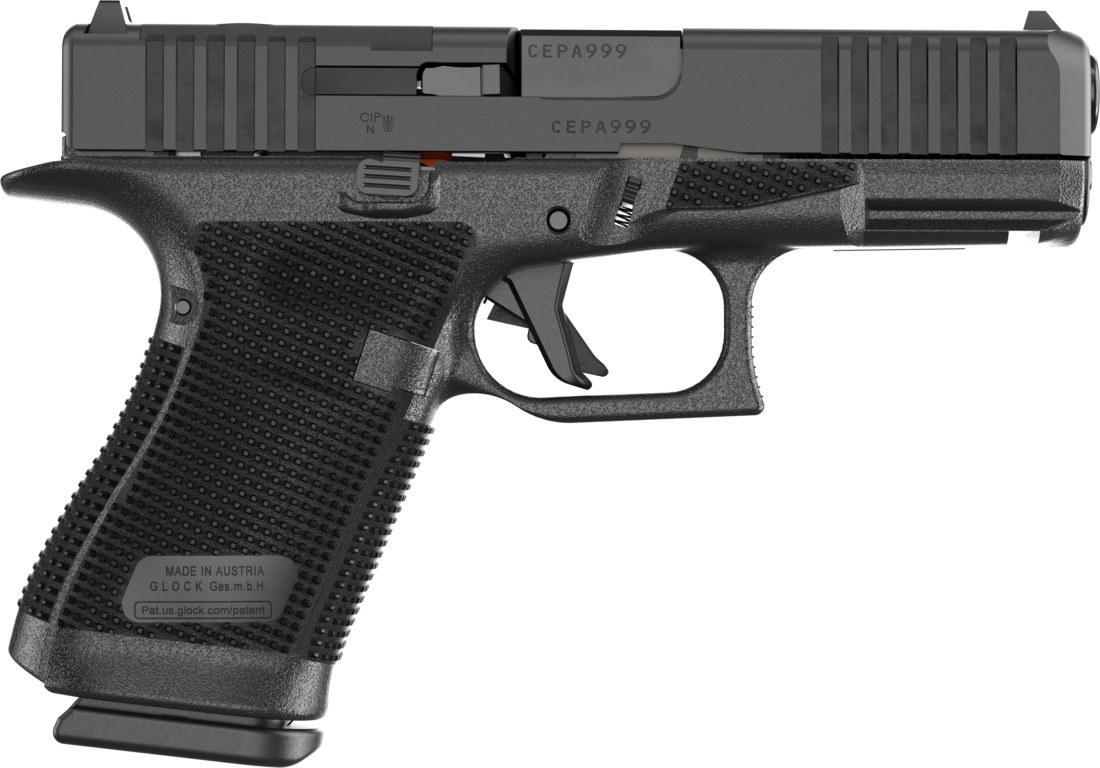
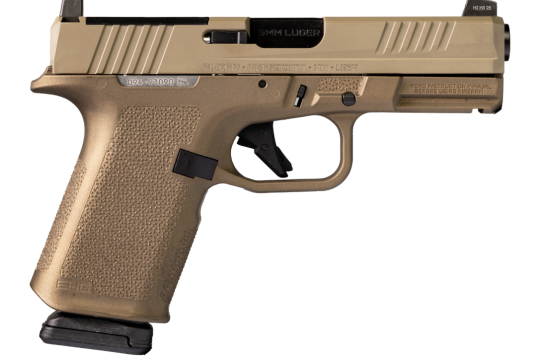
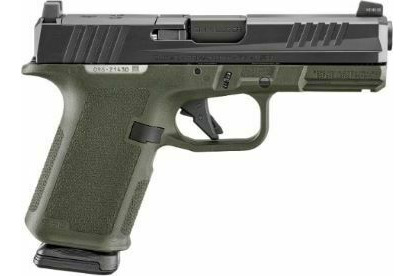
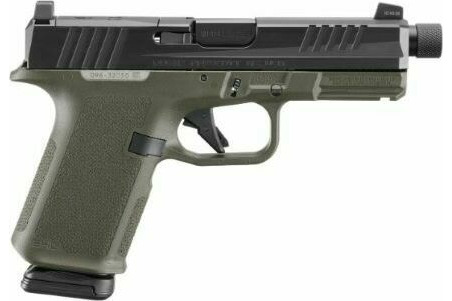
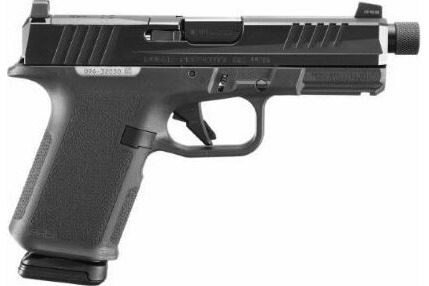
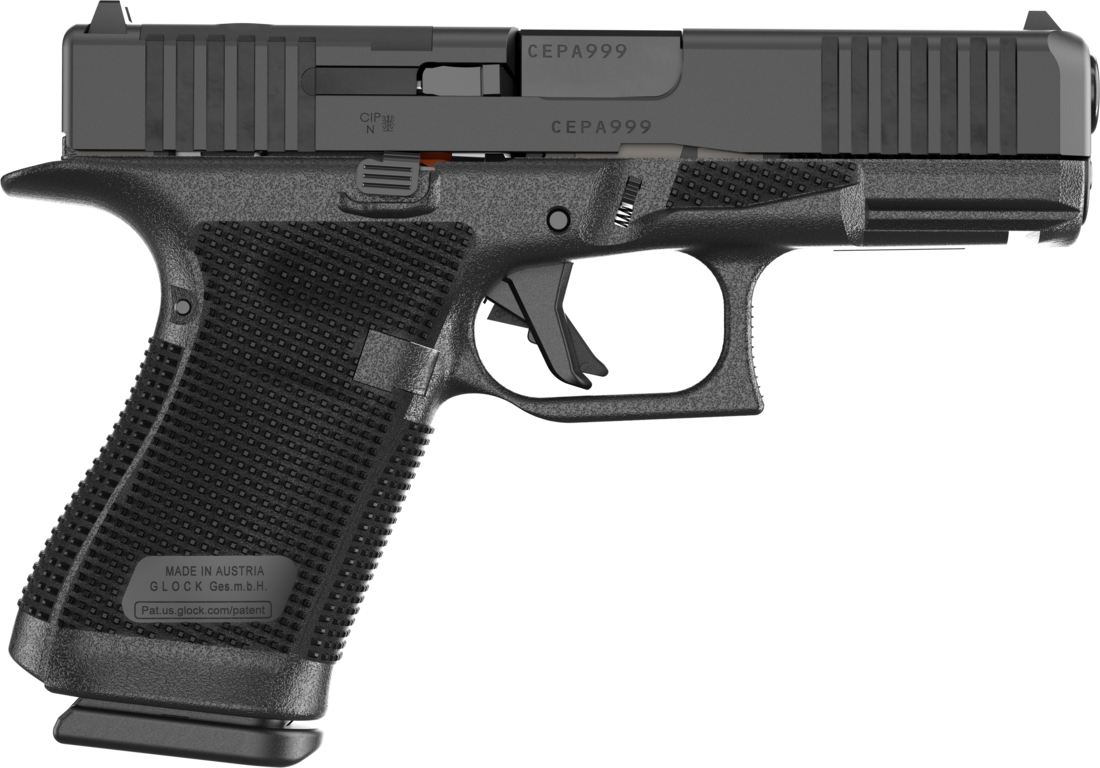
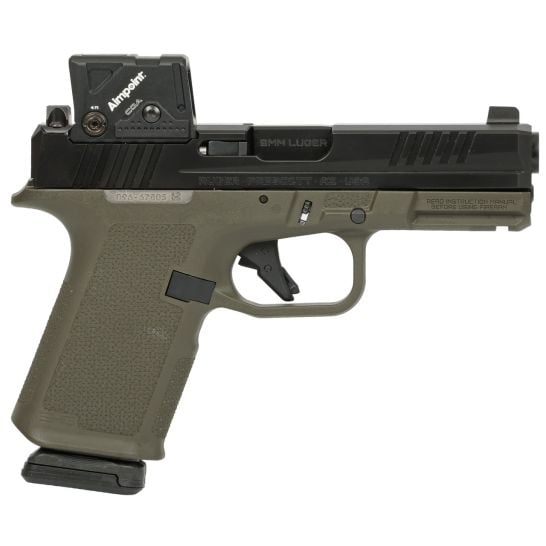
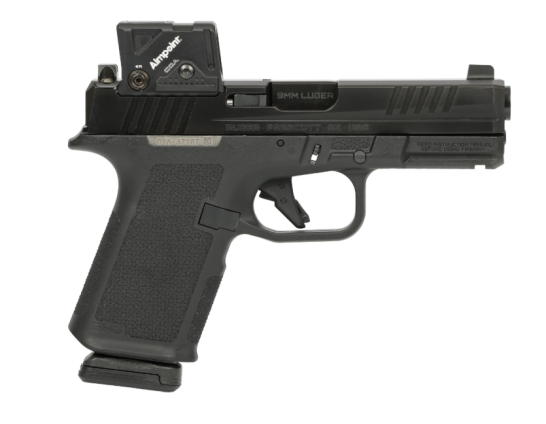
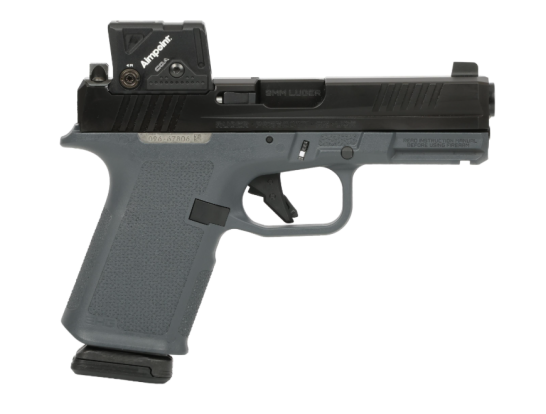
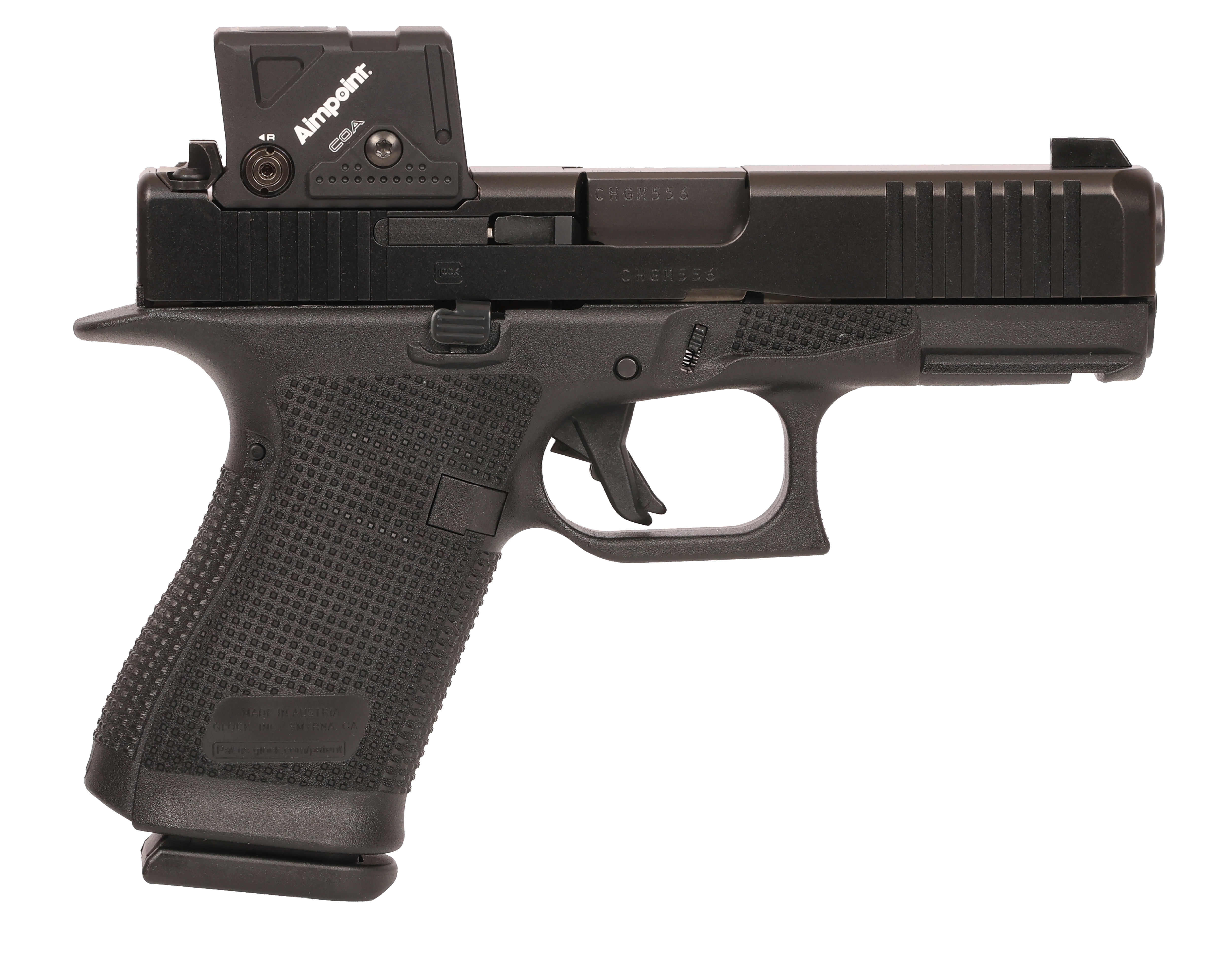
The hosts introduce a side‑by‑side comparison between the Ruger RXM and the Glock 19 Gen 6, noting that the RXM in this configuration is the shorter model, making it a fair match‑up. Viewers had repeatedly requested that the new Gen 6 Glock be compared directly to the Ruger. One host takes the role of defending Ruger and the commenters who prefer it, while the other leans toward Glock. They frame the discussion as a mix of subjective impressions and factual differences, focusing on how these 9mm pistols stack up in real features rather than brand loyalty.
They begin with basic specifications. Both pistols use Glock‑pattern magazines, so magazine capacity and compatibility are essentially the same. The Glock 19 Gen 6 has a 4 inch barrel, while the Ruger RXM example has a slightly longer 4.2 inch barrel, which one host jokingly counts as a win. The RXM’s listed weight is about 23.2 ounces, while the Glock is around 20 to 20.11 ounces, with some uncertainty about whether those figures include an inserted magazine. Overall length on the Glock is about 7.15 inches from barrel to beavertail, and the RXM is about 7.25 inches, which aligns with the small barrel length difference.
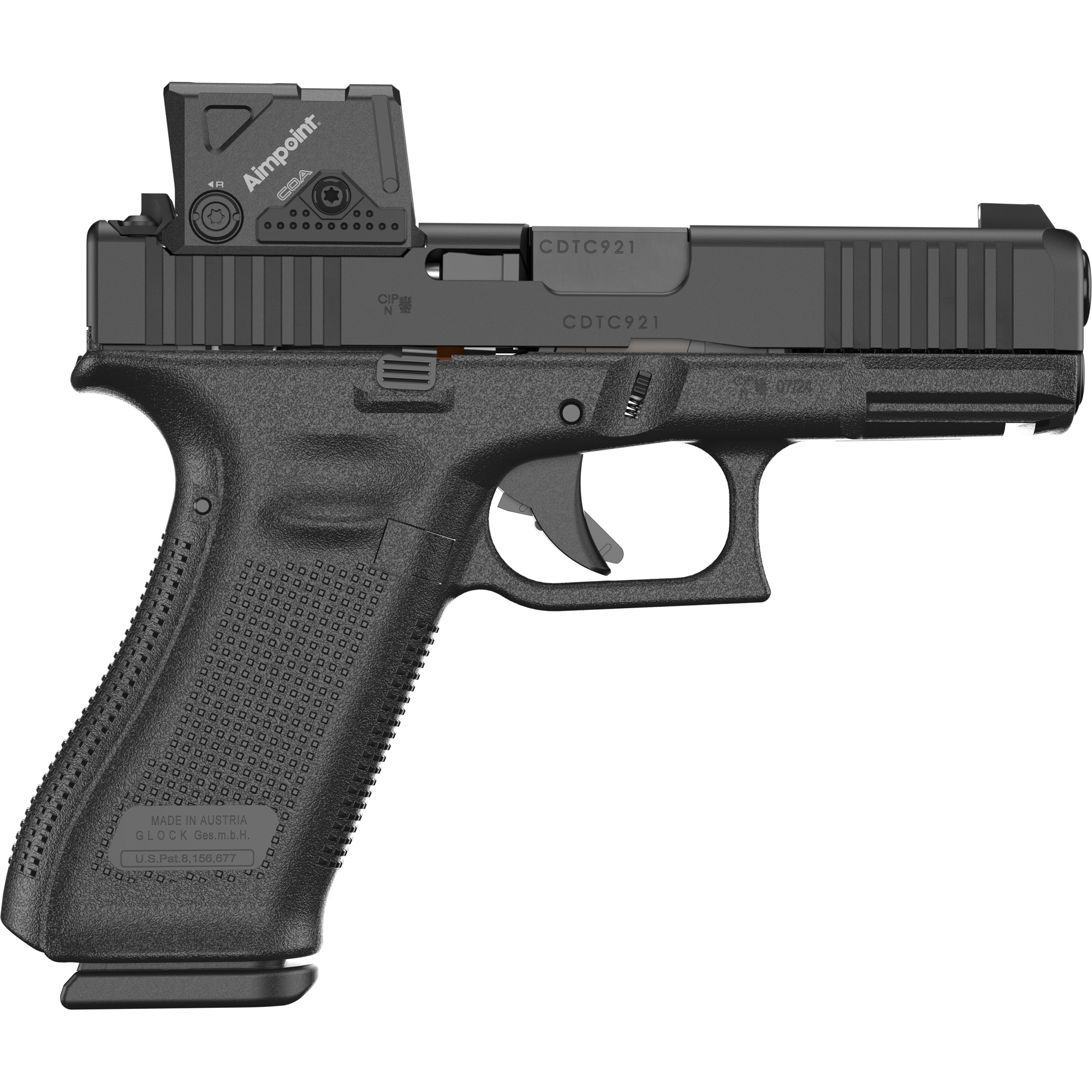
The Glock 19 Gen 6 sample on the table looks heavily used and is missing its rear sight because it was recently torture tested at Grantham’s range in Idaho. For sight comparisons, they substitute a Glock 45. The Glock slide has serrations that are deeper near the top and lighter toward the bottom, giving good purchase. The Ruger RXM also has front serrations that are angled and fairly deep, and both hosts agree the overall grip on the slide feels similar. The RXM stands out with taller, metal sights featuring a tritium front and a blacked‑out rear, which they consider a clear advantage over the Glock’s standard “U” style sights. Both slides are optics‑ready. The Glock Gen 6 uses a new optics system, while the RXM is milled directly for RMR and DeltaPoint Pro‑style footprints, with the plate recessed into the slide for a solid interface, though they note that long‑term durability still needs more testing.
Attention shifts to the grip areas. The Glock 19 Gen 6 grip module is described as very refined and comfortable, with RTF6 grip texturing and a pronounced shelf or gas pedal area that supports the support‑hand thumb. The Ruger RXM grip is modular and uses an FCU, which the hosts acknowledge as a major design advantage, but its texturing is not as aggressive as the Glock’s. The RXM has dual accelerator cuts on each side with tactile stippling, giving the thumb a place to rest during presentation, though the ledges are smaller than the Glock’s gas pedal. One host notes that the smaller accelerator cut on the RXM can get hot during extended shooting and may become uncomfortable, whereas the Glock’s larger gas pedal avoids that issue. They also compare beavertails, joking about an exaggerated example, and conclude that the Gen 6 finally offers a meaningful beavertail to reduce slide bite, while the RXM had already incorporated a beavertail design.
They briefly discuss the lower frame and magwell. The Glock 19 Gen 6 has a slightly flared magwell, which one host considers a small but real advantage for reloads. The RXM’s magwell is more boxy and less flared. In terms of concealment, the Glock’s shape is described as less likely to print compared to the more angular areas on the RXM’s grip and frame, which might show more under clothing. When talking about shooting characteristics, one host insists the Glock 19 Gen 6 feels more controllable in hand, crediting the grip shape, texturing, and gas pedal. However, they emphasize that these impressions are subjective and that a proper range comparison between the RXM and the Glock Gen 6 will be needed to fully validate controllability claims.
The conversation moves to triggers. The Glock 19 Gen 6 uses a flat‑faced trigger rated at about 5.5 pounds, with the familiar Glock trigger safety. The RXM trigger has a mostly flat face with some curvature. Initially, one host feels the RXM trigger might be better, but after switching back and forth, both agree they feel very similar, almost like Glock‑style triggers in practice. To quantify this, they use a trigger pull gauge. Because of the Glock’s trigger safety, they must pull low on the trigger shoe, which tends to read lighter than the true weight. The Glock registers about 3.13 pounds on the gauge, and the RXM comes in around 3.9 pounds. They note that these readings are not absolute values but show that the triggers are close enough that, in hand, they are hard to distinguish.
In closing, they decide not to compare overall weight further because the tested Glock is missing some parts, which would skew results. Both pistols are very similar in length and general size. One host strongly prefers how the Glock 19 Gen 6 feels in the hand and believes it is more controllable, while also emphasizing Glock’s established reliability. The other highlights the Ruger RXM’s modular design, FCU, and compatibility with many Glock Gen 3 parts as significant strengths. They tally the Glock’s wins in grip texturing, gas pedal, and iron sights on the Glock sample with upgraded sights, while crediting the RXM with modularity and its optics‑ready, tritium‑equipped slide. Ultimately, they consider the comparison close and stress that the choice should come down to individual hand fit and shooting preference. Viewers are encouraged to try multiple 9mm platforms, including the Glock 19 Gen 6 and Ruger RXM, to determine what works best for their own use.

















 Loading...