The video opens by introducing the Ruger RXM as a new 9mm semi-automatic pistol born from a collaboration between Ruger and Magpul. The host explains that Magpul brings its polymer expertise to a Glock Gen 3–compatible frame, while Ruger provides a modular fire control unit (FCU) that drops into the chassis. This modular FCU concept allows the grip module to be swapped, similar to other modern chassis-based pistols, while keeping the serialized core intact. Positioned as an entry-level, optics-ready handgun with an MSRP around $499, the RXM is framed as a value-focused option that still incorporates enthusiast features. The introduction sets expectations for a full 1,000‑round review, emphasizing that the goal is to see how this collaborative design holds up under extended use, not just a brief first-look or tabletop overview.
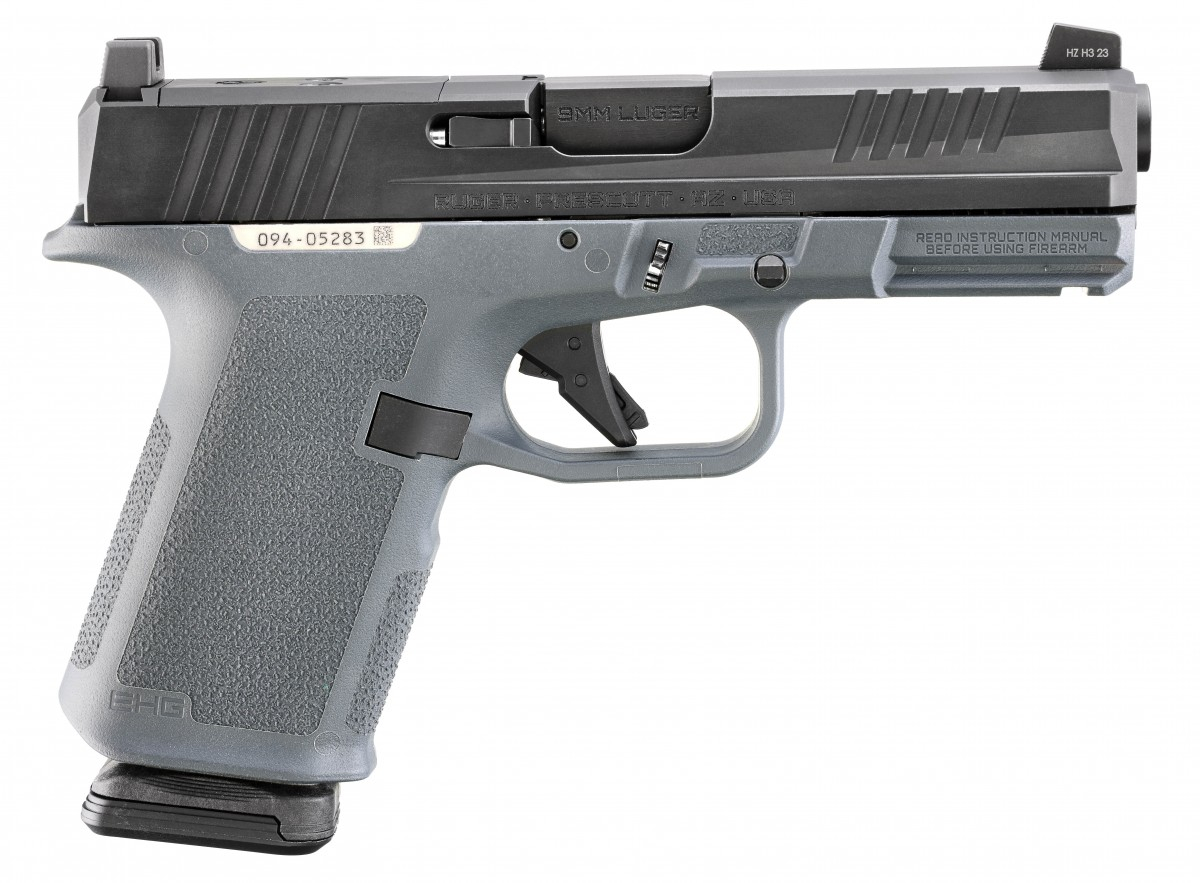
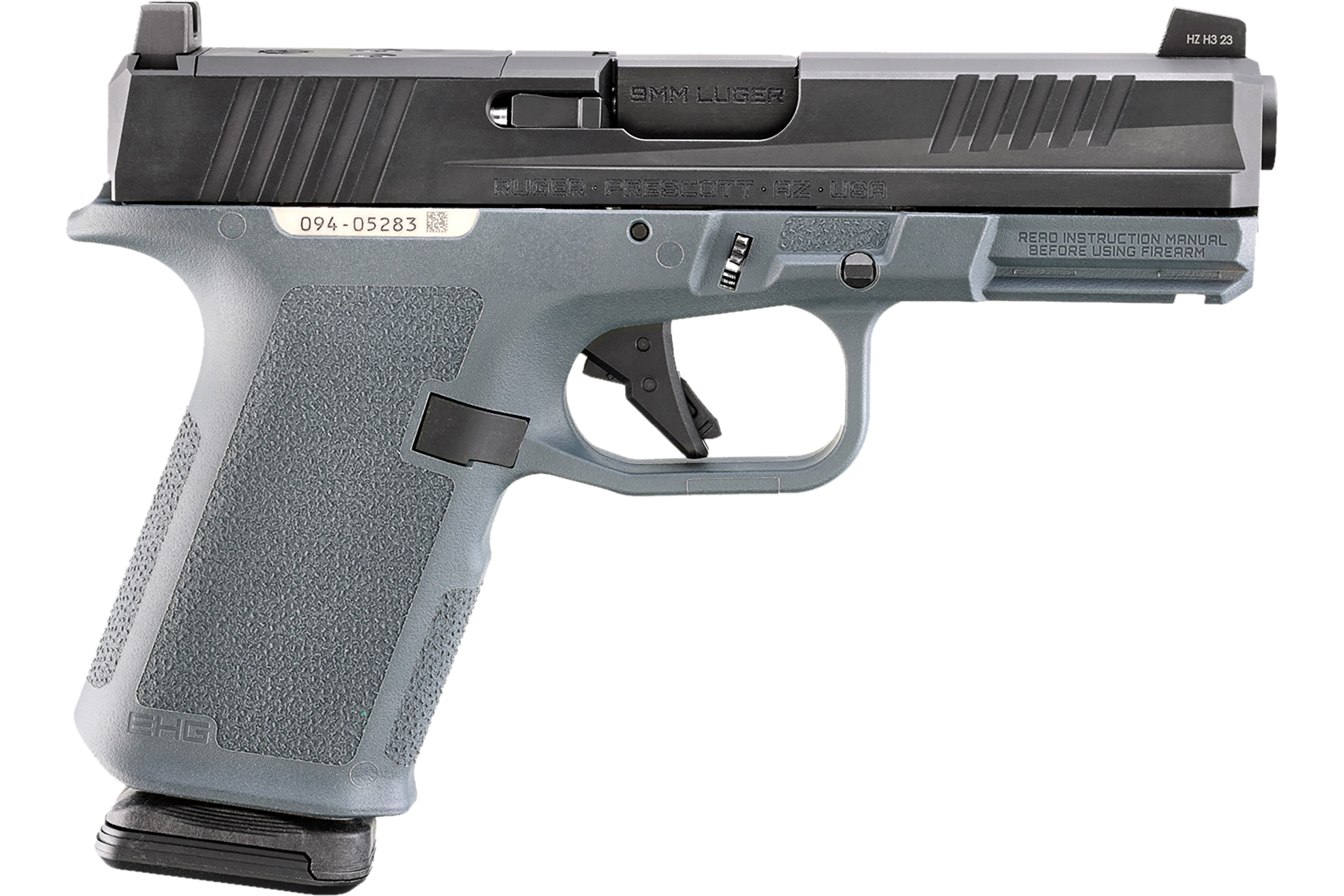
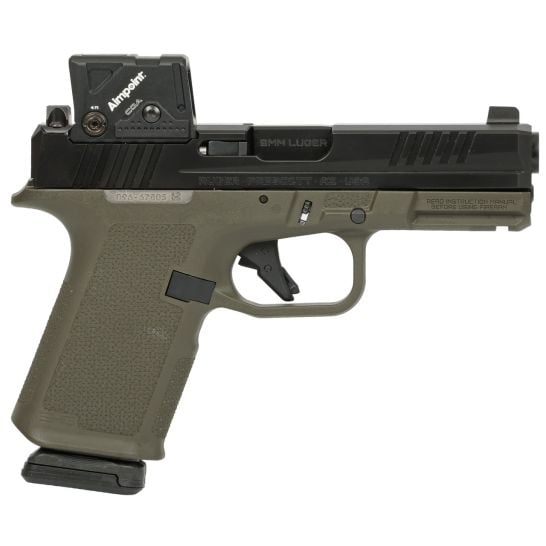
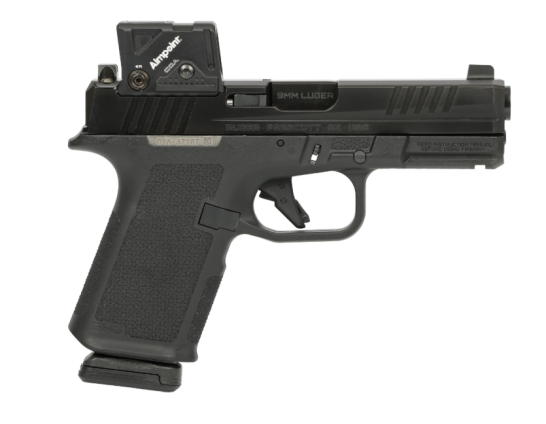
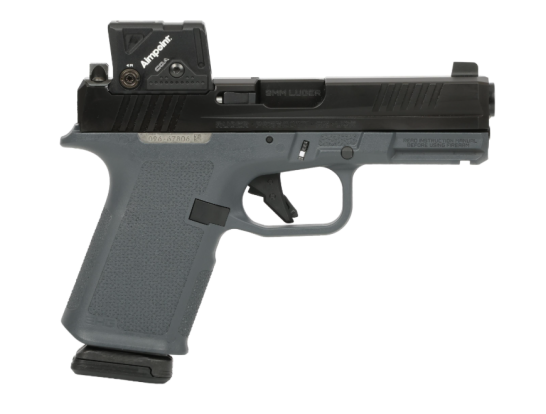
The host moves into a detailed walk-through of the RXM’s external features and ergonomics. The slide is direct-milled for multiple popular optics footprints, including RMR, DeltaPoint Pro, and RMSC, eliminating the need for bulky adapter plates. Suppressor-height, co-witness sights come standard, with a blacked-out rear and a tritium front sight for low-light visibility. Aggressive front and rear slide serrations are highlighted for improved manipulation, especially when running an optic. The grip is described as Glock 19-sized, with texturing that balances control and comfort, and the frame includes an accessory rail for lights. Controls are laid out in a familiar striker-fired pattern, with attention to how the modular FCU and Magpul frame work together to deliver a modern, optics-ready carry or duty pistol that still feels approachable for new buyers.
The review protocol is outlined as a structured 1,000‑round test, broken into 250‑round blocks to monitor performance over time. The host explains that a variety of 9mm ammunition will be used to stress the Ruger RXM in realistic conditions. Loads include Blazer, X Force 124‑grain, Barnul steel-case, and PMC Bronze, giving a mix of brass and steel, different bullet weights, and varying power levels. This mix is intended to reveal how the pistol handles common range fodder as well as slightly hotter or dirtier ammo. The plan is to track malfunctions, note any patterns, and see whether the RXM’s modular FCU and Magpul frame show any quirks as the round count climbs. The host emphasizes that this is not a pampered test; the gun is being run as a practical, everyday-use pistol would be.
As the round count builds, the host reports early reliability findings from the 1,000‑round run. During the mixed-ammo testing, the RXM experiences a light primer strike and a stovepipe, both of which are documented rather than glossed over. The host notes the specific ammunition types involved and pays attention to whether the issues repeat or appear isolated. Magazine performance becomes a point of comparison, with Magpul Pmags run alongside standard Glock-pattern magazines to see if feeding or lock-back behavior differs. The RXM’s compatibility with Glock Gen 3-style magazines is underscored as a practical advantage, but the test also highlights that not all mags behave identically. Overall, the pistol is portrayed as largely reliable through the early stages, with the few malfunctions treated as data points in a broader, long-term evaluation.
The shooting impressions segment focuses on how the Ruger RXM feels on the range over hundreds of rounds. The host notes that the pistol exhibits noticeable muzzle flip, especially compared to some competitors, and discusses how grip size and frame geometry contribute to that sensation. While the Glock 19-sized grip is appreciated for its compactness, the reviewer expresses a preference for a longer grip similar to a Glock 45 or Glock 17 profile, which would offer more purchase and potentially better control under recoil. The texture and contouring of the Magpul frame are praised for providing a secure hold, but the desire for a full-size or duty-length variant becomes a recurring theme. These observations are framed as practical feedback for shooters who prioritize fast follow-up shots and stable recoil management in a defensive or training context.
Building on the shooting impressions, the host outlines a wish list for future Ruger RXM variants. A longer-grip model, akin to a Glock 45 or Glock 17-sized frame, is suggested as a natural evolution to complement the current Glock 19-sized configuration. The modular FCU is highlighted as the key enabler for such variants, since Ruger and Magpul could theoretically offer different grip modules without redesigning the core pistol. The video references previous 1,000‑round reviews, such as the Live Free Armory Apollo 11, to position the RXM within a broader landscape of modern striker-fired handguns. The host also teases potential future tests, including the Daniel Defense H9, jokingly referred to as the Hudson A8, signaling interest in comparing the RXM’s performance and value against other innovative or hyped designs in the handgun market.
Near the end of the video, the host circles back to the running joke about the Hudson A8 while actually referring to the Daniel Defense H9. This playful reference assumes the audience is familiar with both the defunct Hudson H9 and the newer Daniel Defense H9 that echoes its concept. By repeatedly mentioning the H9 in this context, the host hints at viewer curiosity and possible future coverage, positioning it as another pistol that might undergo the same 1,000‑round treatment as the Ruger RXM. The comparison underscores how the RXM fits into a field of modern, optics-ready, striker-fired or hybrid pistols that try to blend classic ergonomics with contemporary features. This segment serves as a bridge between the completed RXM test and potential upcoming content that viewers may want to see reviewed in a similar, data-driven format.
The closing portion of the video focuses on viewer engagement and gratitude, repeated several times due to transcript duplication. The host invites viewers to leave their thoughts and feedback about the Ruger RXM, the 1,000‑round review format, and potential future pistols like the Daniel Defense H9 in the comments section. There is an emphasis on appreciating viewers’ and customers’ business and support, acknowledging that many are in a “checking on” mood, browsing related content on the channel. The outro includes a consistent religious blessing, with the host saying “God bless” and promising, “we’ll see you guys later,” as a friendly farewell. No new technical details about the RXM are added here; instead, the segment reinforces community connection, thanks the audience for watching, and formally closes out the review.























 Loading...