Pre-range prep, gear setup, and dry reloads at home
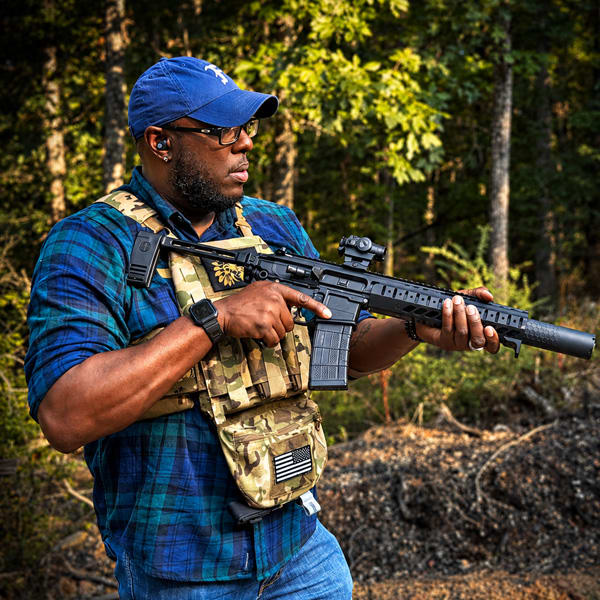
The video opens by stressing that effective AR-15 or carbine training starts long before stepping onto the range. The instructor explains that shooters should already be comfortable with their gear so that slings, pouches, or other equipment do not become surprises under stress. He highlights his range setup, including Walker Bluetooth Silencers ear protection, a High Speed Gear padded belt, and High Speed Gear Taco pouches, noting their comfort and ability to hold different magazines. Rather than wasting live ammo learning basic manipulations, he demonstrates slow, methodical dry reloads at home. The focus is on building consistent hand paths, indexing magazines, and seating them firmly while maintaining control of the rifle. He encourages repeating these reloads during everyday activities to ingrain muscle memory. The segment also introduces extensive dry fire trigger work, concentrating on a smooth press and clean reset to stay familiar with different trigger types. This foundation sets up the later emphasis on low round count drills that prioritize fundamentals when ammunition is limited.
Dry fire, rifle mount, and timed low-ready drills
The focus shifts to how shooters mount the rifle and acquire the sight picture. Many people drop their head to the optic instead of bringing the rifle up to their natural line of sight. To correct this, the instructor recommends dry-fire practice by snapping the rifle from low ready to a fixed point on a wall, mentally checking that the reticle or dot lands where intended. He stresses that the buttstock should ride high in the shoulder and the rifle should come to the face from any body position. Moving to live fire, he runs timed low-ready drills at close distance using an EOTech optic. From the beep, he drives the rifle up, accounts for height-over-bore, and fires a single center-mass shot, tracking times in the roughly 0.47 to 0.8 second range. Throughout, he reinforces safe habits: immediately placing the rifle on safe after shooting, confirming the gun is charged, and maintaining consistent mechanics before repainting the target and preparing for faster drills.
Double-tap speed work and sling fundamentals
Building on the single-shot low-ready work, the instructor begins running double-tap drills. Starting from low ready, he drives the AR-15 up and fires two rapid shots to center mass on the buzzer. He tracks split times on a shot timer, aiming to get under half a second for the full string but typically landing between about 0.68 and 0.93 seconds. Pushing for speed causes the group to open up, which he uses to illustrate the trade-off between raw speed and acceptable accuracy. To help manage recoil and stabilize the rifle, he emphasizes the importance of a quality adjustable sling, mentioning options like the Magpul MS series and Blue Force Gear Vickers slings. A properly adjusted sling keeps the rifle snug for longer standing shots while still allowing shoulder transitions and movement. The segment closes with a one-shot, reload, one-shot drill, reinforcing repetitive reload practice and careful sling management so the sling does not block the magwell when inserting a fresh magazine.
Reload mechanics, sling interference, and faster follow-ups
Attention turns to refining reloads under time pressure and dealing with sling interference. The instructor notes how a poorly managed sling can snag or push the rifle out of position during magazine changes. He runs timed strings that include firing, reloading, and firing again, working his time down to around 3.07 seconds while tightening shot placement. A key technique is driving the support hand straight to the magwell, stripping the empty magazine, inserting the new one decisively, and then immediately hitting the bolt release. This direct path minimizes wasted motion and gets the rifle back into the fight faster. He stresses that the reload should end with the shooter already reestablishing a firing grip and sight picture so follow-up shots come quickly and accurately. Throughout, he keeps highlighting the need to balance speed with control, ensuring that the sling is adjusted and routed so it supports the rifle without obstructing reloads or manipulations.
Stress drills with M4, RCO, and offset RMR
The video then shifts to an M4-style setup and introduces a stress-inducing drill designed to simulate elevated heart rate and fatigue. The shooter performs jumping jacks, then sprints with an ammo can before engaging a target with one headshot and two chest shots. Times land around 16.6 seconds and then improve to about 15.17 seconds. After each run, he evaluates hits, noting a miss and then marginal impacts drifting to the right. This leads into a discussion of his optic configuration: an RCO (Rifle Combat Optic) paired with an offset RMR red dot. The magnified RCO is used for more precise shots, while the offset RMR allows quick transitions to a close-range aiming solution by canting the rifle. He suggests that the rightward impacts may indicate a zero issue that needs correction. The core lesson is using short, intense physical exertion to expose weaknesses and reinforce fundamentals like sight picture and trigger control under stress.
Combining short workouts with live fire fundamentals
Continuing the stress-based approach, the instructor describes integrating brief 15–16 second workouts directly into live fire training. Simple movements such as sprints or calisthenics are performed immediately before shooting to spike heart rate and breathing. With the RMR-equipped rifle, he demonstrates the need to consciously slow down for the first, more precise shot, focusing on a steady trigger squeeze despite fatigue. Once that initial hit is confirmed, he transitions into a quick double tap, using the red dot to drive faster follow-up shots while still maintaining control. This pattern reinforces the idea that fundamentals do not change under stress; shooters must deliberately apply them even when tired. The segment ties back to earlier points about practicing manipulations and sight acquisition until they are automatic, so that during these short, intense drills the shooter can concentrate on decision-making and shot accountability instead of fighting unfamiliar gear or sloppy technique.
Dry fire priorities, low-round drills, and training over gear
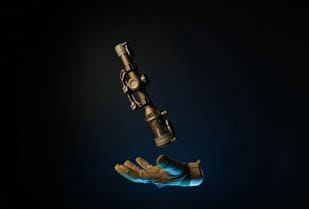
The closing portion emphasizes that AR-15 or carbine training should begin at home with dry fire and reload practice. The instructor recommends running trusted gear—slings, belts, pouches, timers—during dry sessions so that any issues are discovered before live fire or stressful drills. With ammunition scarce, he encourages viewers to focus on low round count drills that still reinforce core skills like mag changes, trigger control, and target transitions. He invites the audience to share their favorite low-round and dry fire drills in the comments to help others train efficiently. The video also features a Classic Firearms giveaway of a NEMO Omen .300 Win Mag equipped with a Trijicon Tenmile scope, bipod, a signed Donut Operator skateboard, and Premier Body Armor. Despite showcasing this high-end setup, he stresses that even the most upgraded “gucci” AR is essentially useless without consistent, thoughtful practice built on the fundamentals covered throughout the video.












 Loading...