The video opens with a full introduction to the new Glock Generation 6 lineup, focusing on the Glock 45 Gen 6, Glock 17 Gen 6, and Glock 19 Gen 6. The reviewer characterizes this as the best Glock generation to date, citing improved balance, a cleaner ejection pattern, and a notably better trigger feel. Unlike the incremental evolution from Gen 2 through Gen 5, Gen 6 is described as a meaningful departure in ergonomics and overall design. A side-by-side comparison between a Glock 17 Gen 5 and a Glock 17 Gen 6 highlights a more refined, slightly more pronounced flared magwell that speeds up reloads. The older front cutout at the bottom of the grip, previously used for stripping magazines, has been removed for a smoother, more comfortable frontstrap. Early impressions emphasize that these changes collectively make the pistols feel more modern and purpose-built while still retaining the familiar Glock reliability and operating characteristics that many shooters expect from the platform.
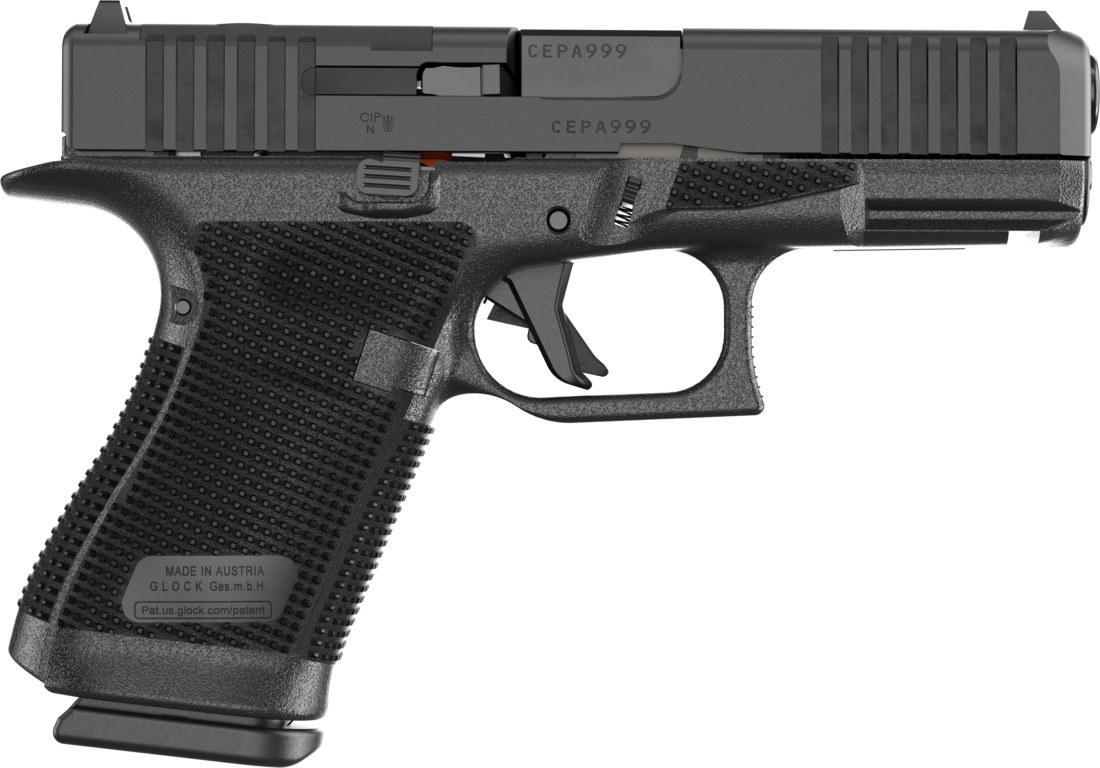
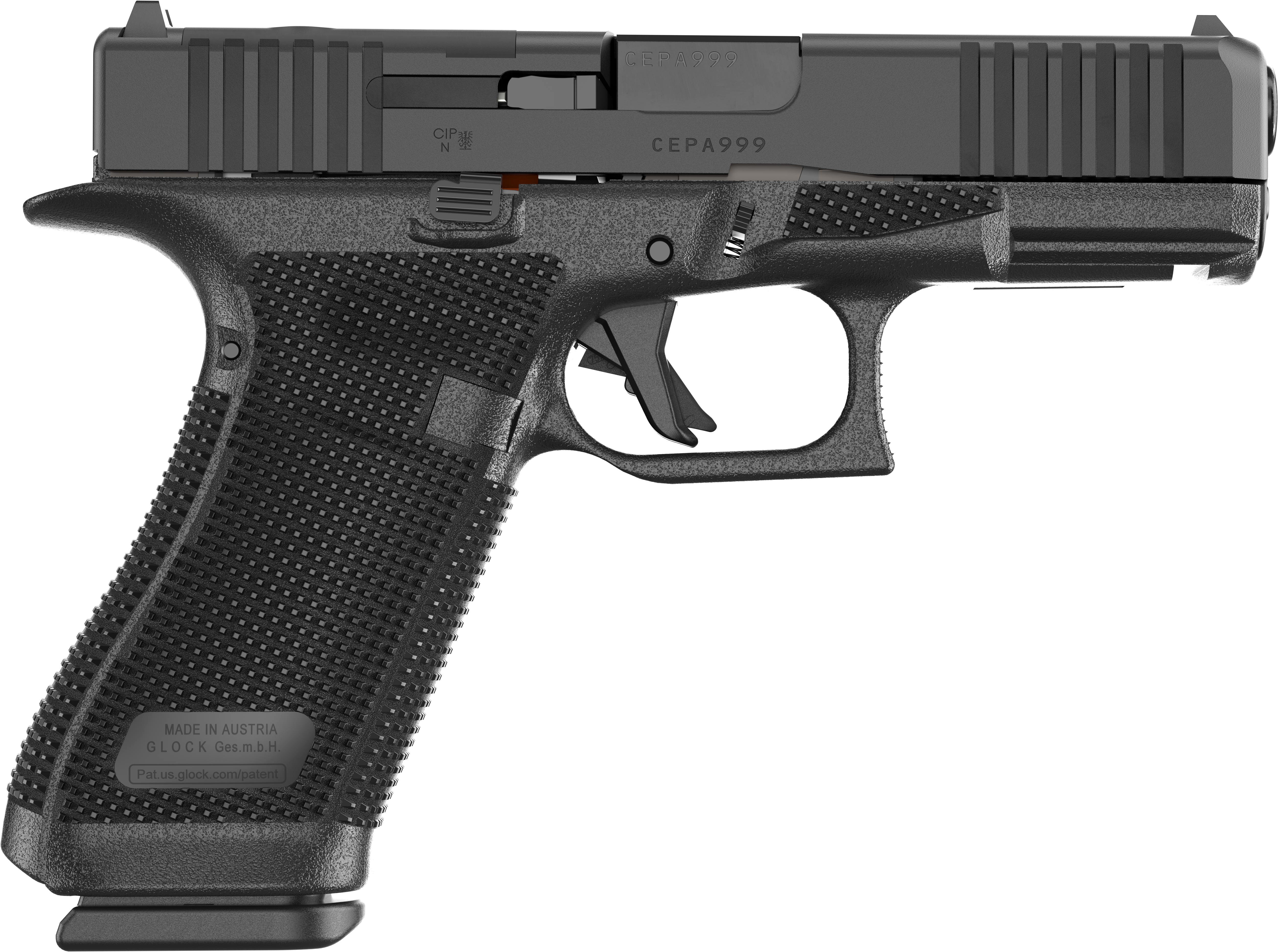
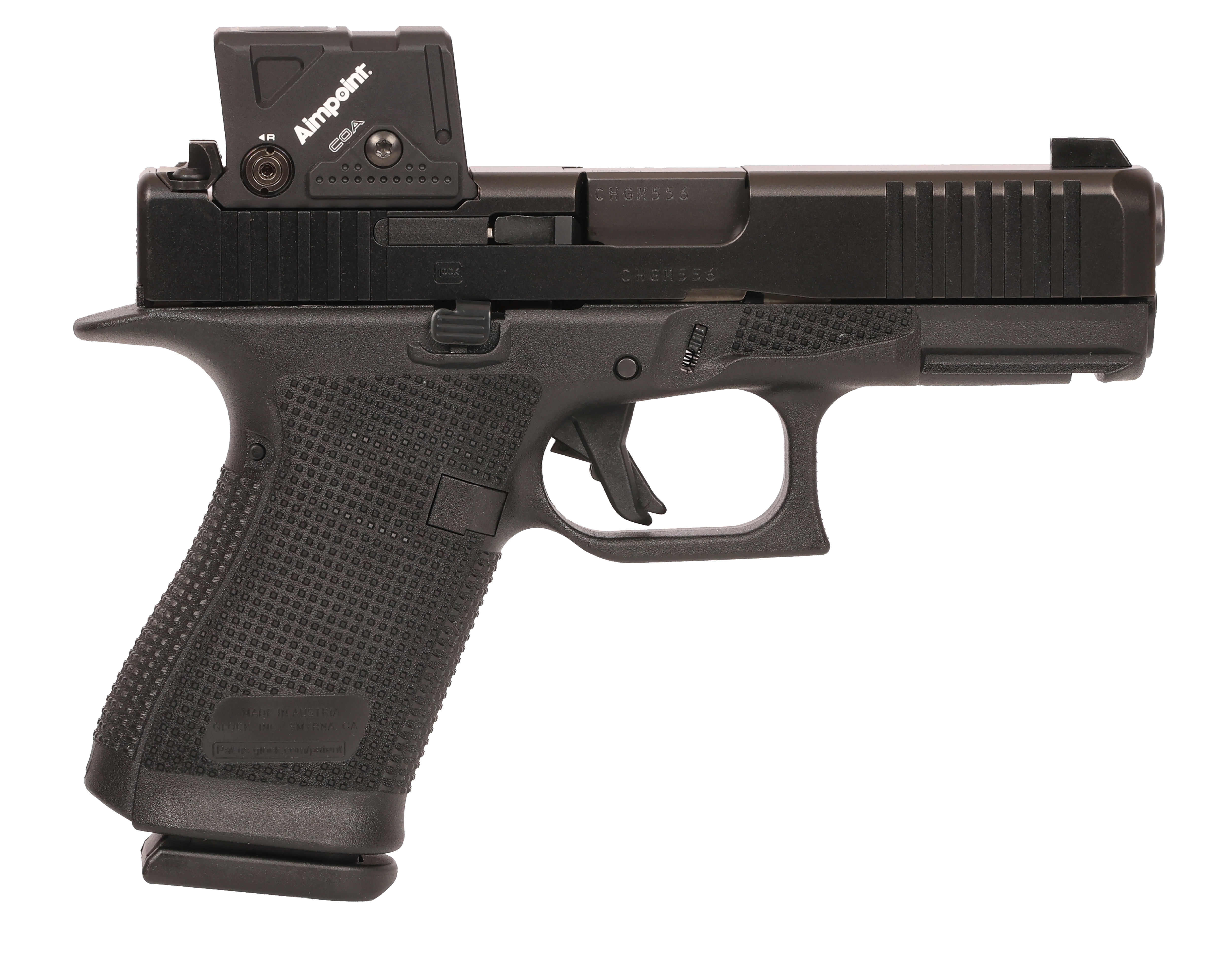
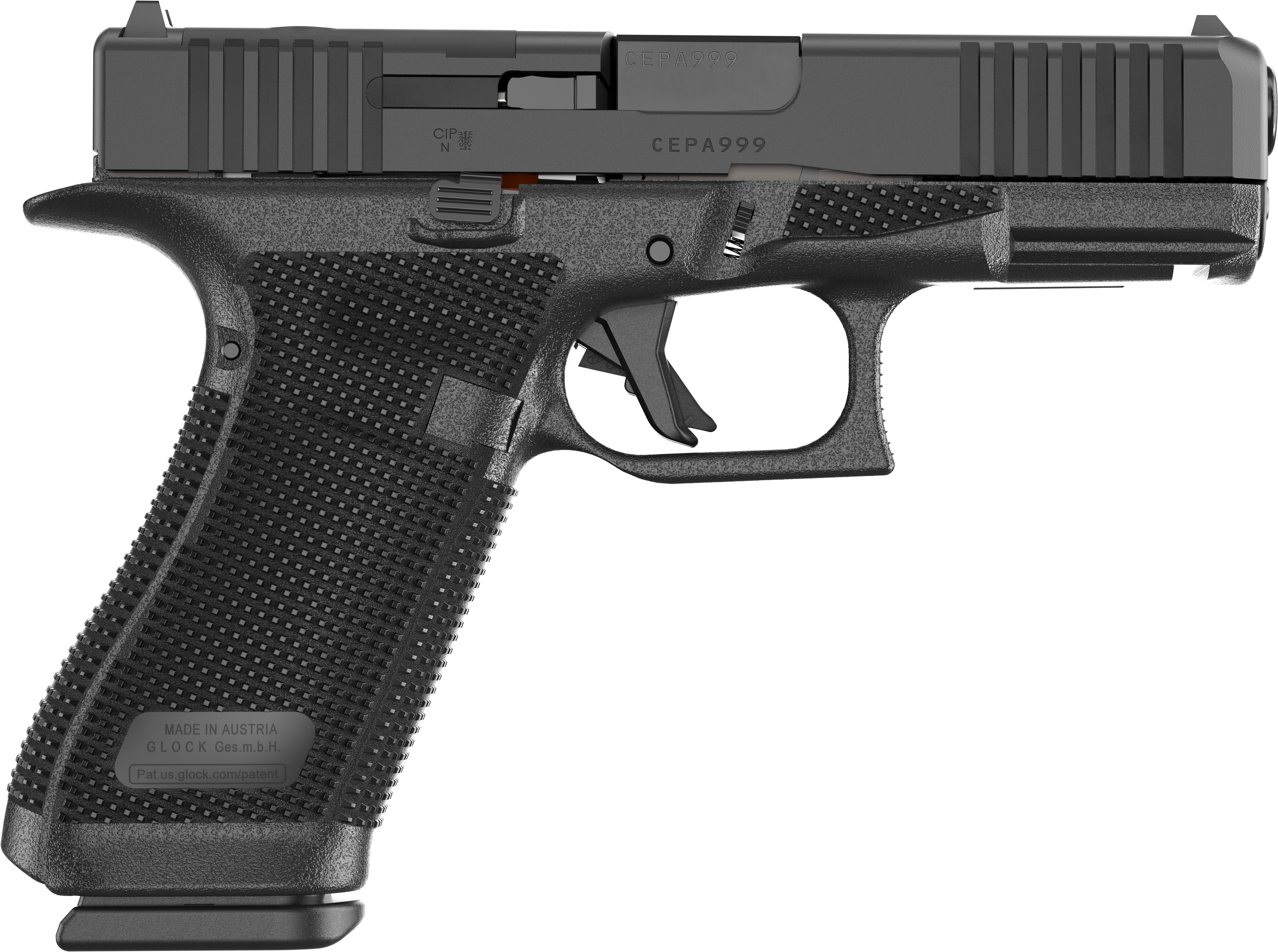
Attention then shifts to the new RTF6 stippling and grip shaping on the Glock Gen 6 frame. The RTF6 texture is described as more aggressive than previous generations yet still comfortable for extended shooting, offering a secure purchase without feeling overly abrasive. This texture now runs higher up around the magazine catch area, improving control during reloads and manipulations. The front of the grip is more rounded compared to earlier flat-faced designs, and Glock has integrated a subtle palm swell into the backstrap. This palm swell fills the hand more naturally while preserving the traditional Glock grip angle, giving the pistols a more locked-in feel. Combined with the more pronounced but not oversized flared magwell, these changes help guide magazines into the gun more efficiently. The result is a grip that feels less blocky, more ergonomic, and closer to what shooters previously sought through aftermarket stippling and frame work.
The mid-section of the video focuses on control enhancements and frame geometry around the shooter’s hands. Glock has added a deeper undercut at the trigger guard, allowing a higher grip and better recoil control without the need for custom frame work. The magazine release remains reversible but has been slightly revised for improved reach and usability. The slide catch or slide release has been reworked and now features a protective barrier or fence to reduce accidental activation during recoil or aggressive grip. A longer, more pronounced beavertail is showcased, designed to protect shooters with larger or meatier hands from slide bite, a common complaint on earlier generations. The trigger is now a flat-face design while maintaining an approximate 5.5-pound pull weight. This flat shoe is highlighted as more comfortable over long shooting sessions, offering a more consistent finger placement and perceived break, contributing to better control and confidence during rapid fire.
Next, the reviewer explains how Glock has slimmed down the frame in the support-hand thumb area, mimicking popular custom shop modifications. This thinning creates a built-in, textured "gas pedal" ledge on the frame, giving the support-hand thumb a defined place to drive the gun and manage recoil and muzzle rise. Despite the reshaping, holster compatibility with many Gen 4 and Gen 5 rigs is maintained, which is important for duty and concealed carry users. The Glock 45 Gen 6 and Glock 17 Gen 6 share the same full-size frame, while the Glock 19 Gen 6 uses a dedicated compact frame, yet all three share the same recoil spring assemblies. On the slide, Glock has revised the front serrations, making them more aggressive and slightly tapered to improve traction for press checks and front-of-slide manipulations. Rear serrations remain similar to Gen 5, preserving a familiar feel while adding more functional front-end control.
The video then dives into internal mechanical updates. The extractor system on the Glock Gen 6 has been redesigned to eliminate the long extractor detent pin that previously ran under the optic plate area. This simplifies the internal layout and reduces parts in a critical zone. The recoil spring assembly returns to a single-stage polymer guide rod design reminiscent of Gen 2 and Gen 3 9mm models, which the reviewer notes is entirely adequate for 9mm pressures, reserving dual-stage systems for higher-pressure calibers like 10mm and .40 S&W. Inside the frame, Glock has added a relief cut near the trigger bar assembly to prevent it from contacting the barrel, enhancing reliability and reducing friction. Raised channels around the striker are also noted, along with a new front-access hole that allows extractor removal from the front of the slide. Despite these changes, the pistol remains a traditional, non-FCU Glock, keeping the classic integrated frame and fire control layout.
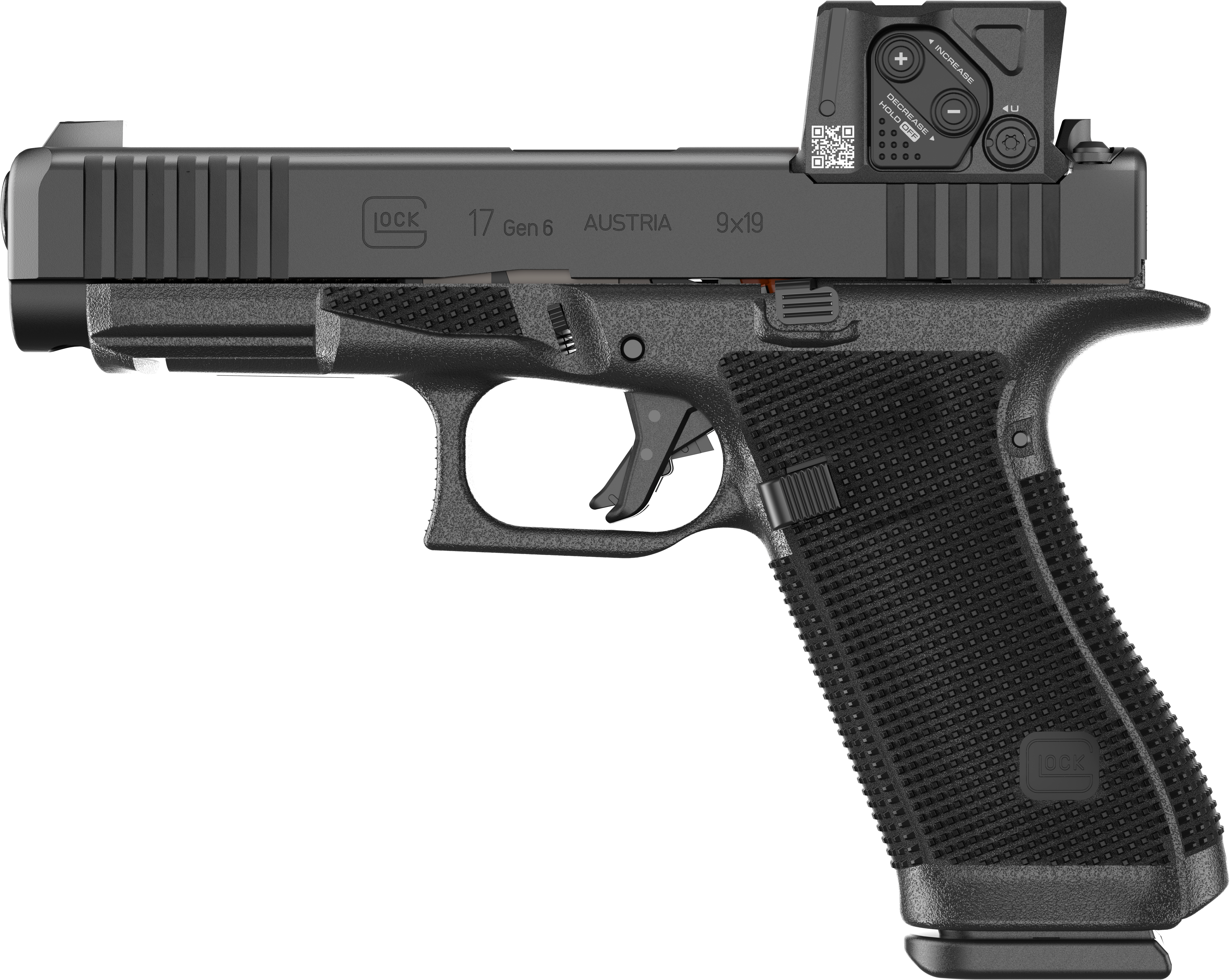
A key section covers the new non-MOS optic mounting system introduced on the Gen 6 slides. Instead of the familiar MOS metal plates, Glock now uses thin polymer plates that act like crush washers between the slide and optic. One plate is compatible with RMR-pattern optics, while additional plates support other popular footprints. The choice of polymer is explained as intentional, providing slight flex and conforming under torque while still offering sufficient durability for duty use. The system is designed to be low-profile and robust without overcomplicating the slide. The initial Gen 6 release includes the Glock 17 Gen 6, Glock 45 Gen 6, and Glock 19 Gen 6, with an MSRP around $750. The reviewer hints that a Glock 43X update may follow in the future. Early live-fire impressions emphasize excellent balance, a consistent ejection pattern, and how the new grip texture, rounded edges, and integrated gas pedal reduce the need for aftermarket stippling or frame modifications.
In the closing portion, the reviewer offers a strong endorsement of the Glock Gen 6 platform. The integrated gas pedal is repeatedly praised for giving shooters better leverage and recoil control straight from the factory. The flared magwell is described as hitting a sweet spot: large enough to speed reloads yet not so big that it becomes bulky for carry, with the expectation that competitive shooters will see even more aggressive aftermarket magwell options. Glock’s decision not to adopt an FCU-style modular system is defended, with the argument that existing FCU ecosystems lack the widespread infrastructure and proven track record of the traditional Glock format. The new RTF6 stippling, redesigned frame and grip contouring, and extended beavertail are all highlighted as major ergonomic upgrades. The flat-face trigger shoe is singled out as a significant improvement over prior Glock triggers. Overall, the reviewer calls Gen 6 the best Glock generation yet and a pistol they would confidently rely on for serious use.























 Loading...