The video opens by stressing that a sling is essential on any shoulder-fired weapon system, from rifles to pistol-caliber carbines (PCCs). A sling is described as the long gun’s equivalent of a holster, giving the shooter constant, positive control of the weapon. With a proper sling, the user can let go of the rifle to go hands-on, manage other tasks, or assist someone without risking dropping or losing the firearm. The host emphasizes how a sling reduces fatigue during extended carry, keeps the gun attached to the body in dynamic or physical encounters, and prevents an opponent from easily taking it away. This foundational section sets up the rest of the video by framing the sling not as an optional accessory, but as a critical part of any practical rifle or PCC setup, especially for defensive or duty-style use.
The discussion moves into single-point slings, using a QD-mounted example to show how they attach at a single point near the rear of the firearm. The host highlights how a single-point sling allows very fast shoulder transitions, letting the shooter move the rifle from one shoulder to the other without fighting the sling. Because the attachment is centralized and close to the body, there is less material running along the rifle, which helps reduce snagging on gear or obstacles during reloads and manipulations. The video notes that this simplicity makes single-point slings intuitive and quick to deploy. The host frames them as particularly appealing for users who prioritize speed and freedom of movement around the gun, especially when working in tight spaces or needing rapid presentation from a slung position.
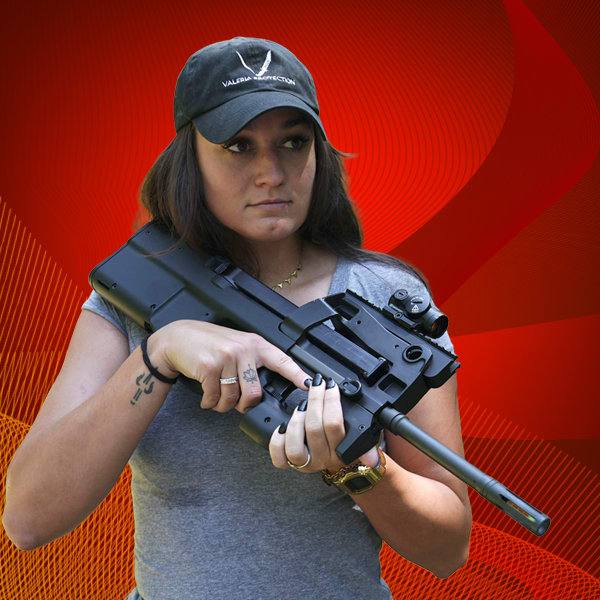
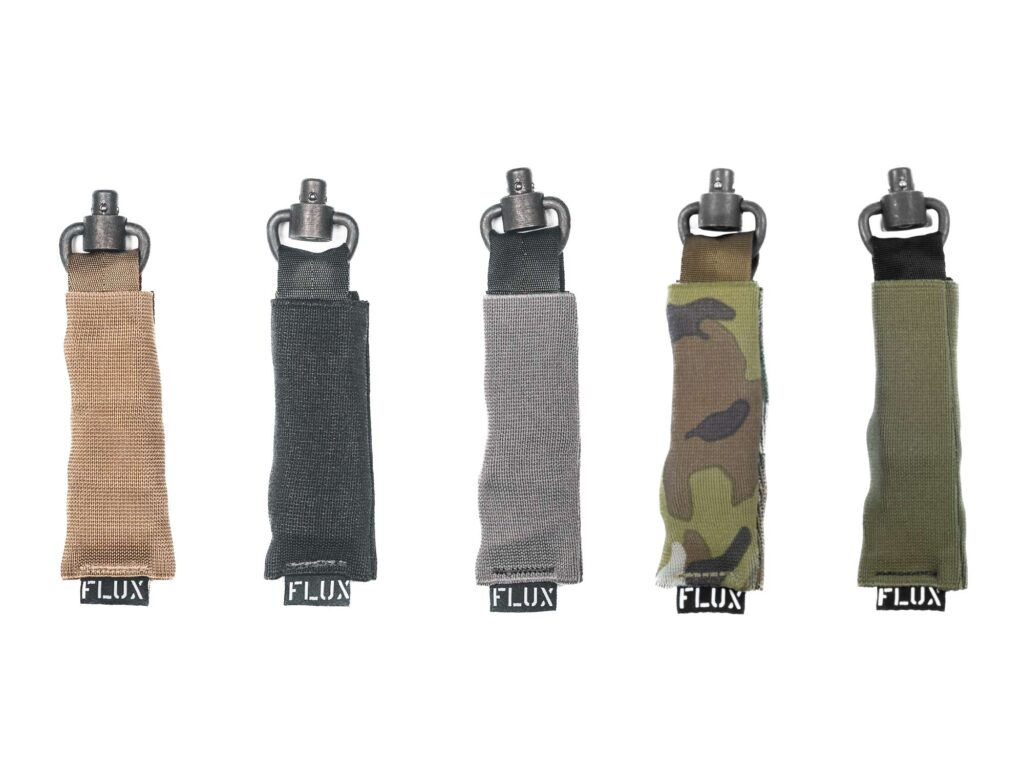
After outlining the benefits, the host explains the drawbacks of single-point slings. Because the rifle hangs from a single rear point, it tends to swing freely when the user moves, which can cause the muzzle and stock to bang into the knees or groin and feel unstable during dynamic movement. This free-swinging behavior makes it less comfortable for long periods of carry or when running, climbing, or going hands-on. The video clarifies that these limitations are less severe on compact platforms, such as short pistol-caliber carbines and the Flux-style PDW setups, where overall length is reduced and the gun is more manageable. On these smaller systems, a single-point sling can shine by keeping the weapon close, fast to deploy, and easy to control, making it a strong option for compact defensive carbines and PDW-style builds.
The focus shifts to two-point slings, using a Ferro Concepts Slinger mounted on an H&K rifle as a working example. The host explains that two-point slings attach at both the front and rear of the firearm, creating a more stable connection to the body. Various mounting hardware options are discussed, including QD swivels, fixed loops, HK-style hooks, D-rings, and even improvised solutions like 550 cord tied through sling slots or around handguards. The video shows how different attachment points along the rail and stock can change how the rifle hangs and how quickly it can be shouldered. This section emphasizes that the user should choose mounting locations that balance stability, comfort, and accessibility, while also considering how the sling will interact with other accessories on the rifle.
Building on the basic setup, the host demonstrates how to adjust and run a two-point sling effectively. Viewers see how to “swim” in and out of the sling, slipping an arm through or out to transition between a fully supported carry and a looser, more maneuverable position. The video addresses how overly tight sling adjustment can interfere with reloads and manipulations, especially around the magazine well and controls. To mitigate snag hazards, the host recommends careful placement of front and rear attachment points so the sling lies flat along the rifle and body, avoiding sharp bends or crossing over critical controls. This section underscores that a properly tuned two-point sling can provide excellent retention and stability while still allowing the shooter to move, reload, and shoulder the rifle efficiently in practical use.
As the technical discussion winds down, the host briefly mentions other sling brands and styles beyond the Ferro Concepts Slinger example. Names like Viking Tactics and Tac 10 are referenced as additional quality options in the two-point sling space, illustrating that there are many viable products on the market for different preferences and budgets. The video reinforces that the core principles of attachment, adjustment, and intended use matter more than any single brand choice. Viewers are invited to share their own experiences and preferences in the comments, including which sling types and setups they favor on their rifles, PCCs, or PDW-style builds. This segment encourages audience engagement and feedback, positioning the video as part of an ongoing conversation about practical sling selection and configuration.
In the closing portion, the host references something called the CF Contest and suggests that viewers unfamiliar with it should search for more information online. An unspecified item is mentioned as the only one available, with the host joking about wanting to keep it while still asking for viewers’ thoughts. The remainder of the outro focuses on appreciation and gratitude, repeatedly thanking viewers for tuning in and for their business and support. The host offers a religious blessing, saying “God bless,” and promises to see the audience in the next video. This final section reinforces the channel’s connection with its audience, combining a light reference to the CF Contest with a warm sign-off and a commitment to return with more content in future uploads.




















 Loading...