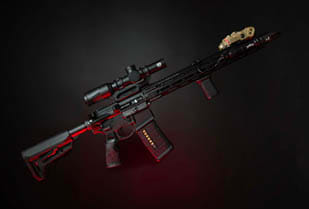
The video opens by framing the AR-15 as a highly tunable platform where recoil can be significantly reduced with the right setup. The hosts start with adjustable gas blocks and properly ported barrels, explaining that controlling gas flow is foundational for softer recoil and reliable cycling. They reference tuning for specific loads like Mk 262, M193, and M855, and note that both direct impingement and piston-driven rifles benefit, citing examples such as PWS, Rifle Speed, and Q systems. Viewers are reminded that gas tuning is time-intensive, involving careful observation of ejection patterns and ensuring consistent lock-back on empty magazines. The discussion then moves to optimizing the buffer system by experimenting with buffer weights and action springs. They highlight Geissele H2 buffers paired with triple-braided springs, A5-style systems from companies like Sons of Liberty Gun Works and BCM, and options from Sprinco, Griffin, Vltor, and flat-wire spring designs. The segment emphasizes that matching gas, buffer weight, and spring tension is key to reducing felt recoil while maintaining reliability.
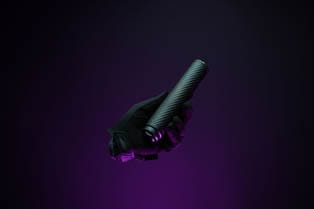
The next section continues with buffer and action spring options, briefly revisiting Geissele and Vltor components as part of a complete recoil-tuning package. The focus then shifts to muzzle devices, starting with flash hiders. Flash hiders are described as excellent for reducing muzzle flash but offering minimal help with recoil or concussion. The hosts contrast these with muzzle brakes, such as a SureFire two-chamber brake, which aggressively vent gas to the sides to cut recoil and keep the rifle flatter, at the cost of significant noise and blast. Compensators are also covered, including A2-style birdcage comps and more modern angled spade designs that direct gas upward to counter muzzle rise. The trade-off is increased concussion for shooters and bystanders. Suppressors are then introduced as another option, adding back pressure and front-end weight that can smooth recoil impulse and improve balance at the shoulder. However, the video notes legal and regional restrictions, mentioning that some states like New York limit ownership of suppressors or certain muzzle devices.
After comparing suppressors with brakes and compensators, the hosts explain that suppressors are generally more range-friendly and polite, while brakes and comps deliver the flattest shooting but are loud and antisocial. The conversation then moves to rifle weight as a recoil management tool. Adding mass through heavier barrels, robust handguards, or accessories can make the gun more stable and reduce movement under recoil. Examples include classic heavy setups like a Mark12 or M4A1 with a quad rail, which feel planted but are noticeably heavier to carry and hold on target. The hosts point out that even small additions, such as mounting a GoPro, can make a previously light rifle feel front-heavy and fatiguing over time. They stress that extra weight should be added strategically, not randomly, to avoid compromising handling. The segment transitions into the importance of shooter input, noting that hardware changes only go so far without proper technique, stance, and body alignment behind the rifle.
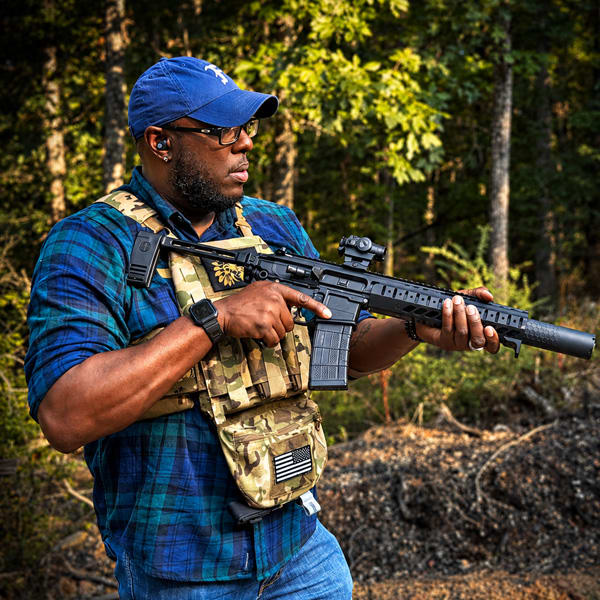
The final portion focuses on the shooter’s technique as a major factor in recoil control. The hosts describe how, during longer strings of fire, many shooters unconsciously drift into weaker positions, letting their stance collapse and stock placement slip. They emphasize maintaining a solid, aggressive stance, proper stock weld, and strong support-hand position, along with good hip and upper body alignment, to keep the rifle flat and controllable. The video underscores that firearm owners have a responsibility to become proficient, especially if the AR-15 is used for home defense, duty, or competition. Viewers are encouraged to seek quality training from reputable groups such as GBRS and Esoteric to refine fundamentals and avoid ingraining bad habits. The hosts invite comments on other effective methods for reducing AR-15 recoil, acknowledging that many shooters have deep technical experience. The segment closes with tongue-in-cheek suggestions about intentionally increasing recoil, like chambering the rifle in .308 “for science,” followed by a final reminder to prioritize training and skill development.
















 Loading...