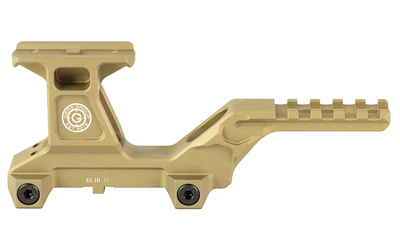
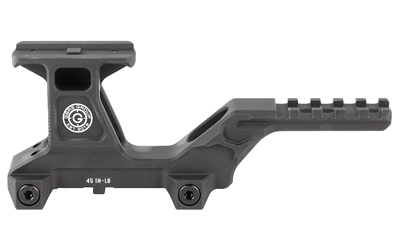
The discussion begins with an overview of the GBRS Group Hydra mount as a dual optic mounting system. Two main models are mentioned: the Hydra Aimpoint and the Hydra EOTech, with the distinction based on optic footprint rather than a specific brand-only design. The mount is intended to provide a heads-up display that works well with gas masks and passive night vision use, helping the shooter acquire targets more quickly. Its elevated design supports a more natural, upright head position instead of forcing the shooter to drop their head to the stock. The conversation sets the stage for how this mount integrates with modern carbines and short-barreled rifles while maintaining a consistent shooting posture.
The Hydra mount is described as compatible with a range of optics that share the Aimpoint T2 footprint. This includes options from manufacturers such as Sig Sauer and Vortex, in addition to Aimpoint itself. The focus is on the footprint standard, not a single brand, so any optic using the T2 pattern can be mounted. The speakers emphasize that this flexibility lets users choose between different reticle styles, such as a small dot similar to Aimpoint or an EOTech-style reticle, depending on preference. The mount is presented as a way to standardize mounting height and position while allowing the shooter to select the specific T2-footprint optic that best fits their needs.
Attention shifts to how the Hydra mount frees up rail space on short-barreled rifles. By elevating the optic and laser, the system opens room on the handguard for accessories such as clip-on thermals or other devices. The laser can be moved back and up from the muzzle end of the rail, which helps keep the shooter’s daytime and nighttime grips identical and prevents the support hand from obscuring the laser. Mounting the laser farther from the muzzle also protects it from muzzle blast and barrel heat, which can shorten laser life when it is placed at the very front of the rail. The design aims to preserve laser longevity while maintaining a clear, unobstructed beam.
An example rifle is shown with a Hydra mount installed, demonstrating that the system is not limited to Aimpoint optics. In this case, a Sig Pro 4XT optic is mounted, illustrating compatibility with other T2-footprint Sig optics. The speakers note that these optics have proven dependable in use. With the optic and laser mounted on the upper receiver rather than the handguard, concerns about zero shift from rail flex are reduced. The elevated mounting position also reduces offset between the laser and the red dot. Additionally, shifting the optic and laser mass closer to the rifle’s center, around the magazine well, improves overall balance and makes the gun feel more maneuverable when being moved or shouldered.
The Hydra mount height is specified as 2.91 inches. This dimension was chosen first to ensure proper laser height, making sure that shooters with large hands or gloves do not block the laser with their support hand on the rail. Once the ideal laser height was established, the optic height was set to match. This configuration keeps the laser beam clear of obstructions while maintaining a practical sight line. The elevated height also reduces the amount of head movement required to obtain a sight picture, supporting a more natural, upright posture. The design is intended to work for a wide range of shooters and gear setups while preserving consistent laser performance.
The conversation turns to how the 2.91-inch height affects aiming. With the Hydra mount, the shooter brings the red dot up to the eye line instead of dropping the head down to the stock, enabling faster sight acquisition and a true heads-up shooting position. A cheek riser accessory is mentioned, available in half-inch and three-quarter-inch heights. This riser helps maintain a familiar cheek weld while aligning the eye with the elevated optic. The combination of mount height and cheek riser allows the shooter to keep the same touch point on the stock and transition seamlessly between day and night standards. The result is a consistent, repeatable sight picture without needing to adjust head position between different shooting conditions.





















 Loading...