

















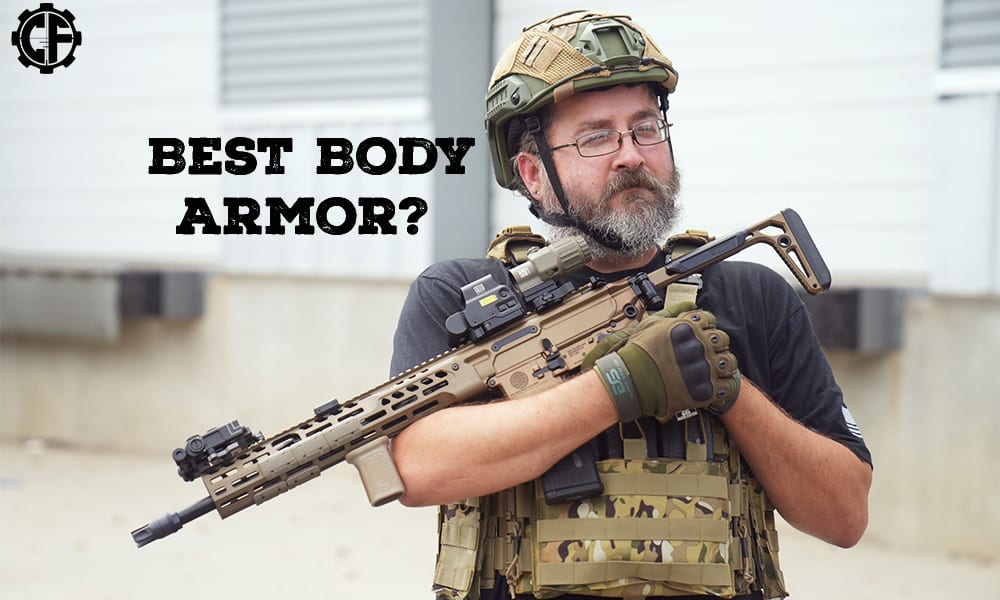
The Different Types Of Body Armor
In general, there are two types of body armor: soft armor and plate armor. Soft armor can usually be worn under clothes (think of the vests police officers wear while in uniform), whereas plate armor consists of thick steel or ceramic inserts that are worn in a dedicated plate carrier.
A plate carrier is typically worn on top of clothing and features external webbing which allows the shooter to attach magazine pouches, tourniquets, and other gear. Each system has pros and cons, so it's important to choose the setup that best fits your individual goals and preferences.
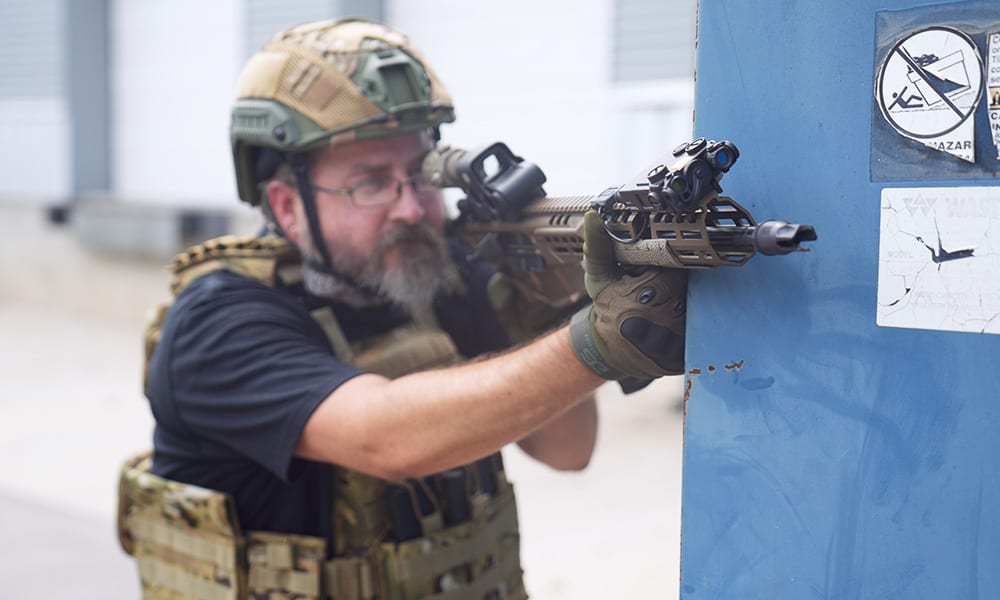
The Case For Soft Armor
Soft armor affords the wearer a higher degree of mobility and comfort. This type of armor can also be concealed, so it's ideal for civilians, working professionals, and private security. Plus, because soft armor is more flexible, it provides greater coverage with less overall weight.
So, why does anyone choose plate armor over soft armor? Despite its numerous advantages, most soft armor does not offer the same level of ballistic protection as plate armor. Armor ratings are determined by which threats the armor can stop, with soft armor typically only protecting against handgun rounds and 12GA shotshells. For a comprehensive breakdown of body armor ratings, read our blog here.
There are some soft armor inserts that are lightweight and flexible, yet protect against rifle rounds. For shooters who are not willing to compromise, a product like the Guard Dog Body Armor Versa Level III+ offers the best of both worlds.

Guard Dog Body Armor Versa Level III+ Lightweight Flexible Rifle Rated Plate - VERSA
The Case For Plate Armor
Quality plate armor protects against a greater range of threats (up to a single .30-06 M2 Armor Piercing round with Level IV armor). This versatility is complimented by the modularity of modern plate carriers, which can be configured to carry extra ammo as well as blades, chem lights, and more.
Because plate armor is thicker and more rigid than soft armor, plates are formed to protect only the most vital areas while soft armor can conform to the wearer's entire torso. To achieve the same coverage, some plate carriers can be outfitted with additional armor panels on the sides. Each additional plate adds weight, though, which is an important consideration for shooters who plan to wear their armor for extended periods.
Armor panels are made from either AR500 steel or ceramic. Ceramic plates tend to be heavier, but also offer greater protection against rifle threats. For this reason, plate carriers are often preferred by most military and law enforcement personnel.

Guard Dog Body Armor 10X12 Level III+ AR500 Steel Plate - Single Curve - Multi-Coated - Tested to NIJ Standards - AR500

Which Armor Is Right For You?
To determine which type of armor is best for you, it's important to consider your intended use case. If you're looking for armor you can conceal beneath formal wear, then soft armor is the best bet. However, if you just want something quick to throw on when you're unsure of what threats may be lurking around the corner, a dedicated plate carrier with steel or ceramic inserts will serve you better.
A plate carrier grants the user more options, including greater threat protection, versatility, and customization. Modern plate carriers are easy to put on and take off, so they tend to be quicker than soft armor. Outside of a few niche applications, plate armor is simply the better choice for most shooters.
Click here to shop all plates and plate carriers! Need help with your plate carrier setup? Watch our video with Elliot Delp discussing the most realistic plate carrier configurations in 2025!



 Loading...