
















Best Accessories For Your AR-15
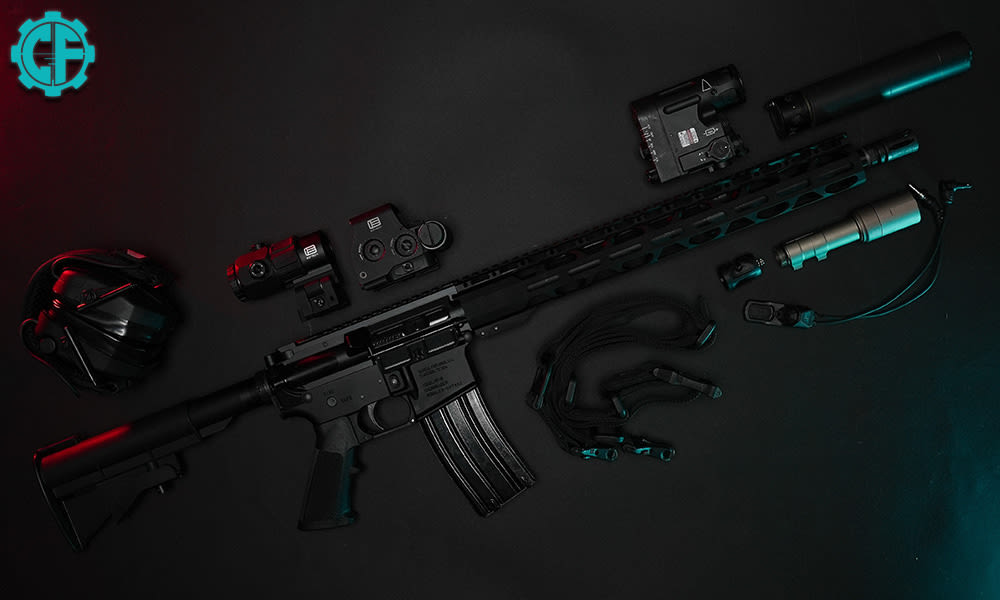
The AR-15 platform is favored for its modularity and versatility, making it one of the few firearms capable of excelling in practically any shooting scenario. As such, the key to unlocking the AR-15's full potential is understanding how different parts and attachments impact performance.
And while much of this understanding comes with experience, the Classic Firearms team is happy to share our expertise with our customers. Below are our recommendations for the best AR-15 setup.

Optics
Before making any other modifications, we suggest choosing the sighting system that is best suited for your intended use case. A quality red dot sight is sufficient for most defensive carbine builds, but can also be paired with a magnifier for making shots at greater distances.
Low power variable optics (LPVOs) offer an enhanced sight picture with a range of magnification settings. This is especially useful in dynamic shooting environments with targets staged at varying distances, as the ability to land precise shots and make quick adjustments on the fly is critical to success.
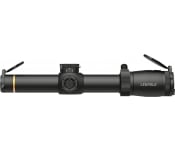
Once the optic is mounted, invest in at least 100-200 rounds of target ammo to zero your red dot / LPVO and get a feel for how a particular AR-15 variant performs in its stock configuration. Doing so can highlight parts that may need to be added or upgraded to achieve the desired results.
Furniture
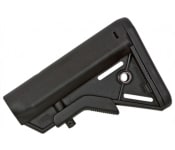
Installing a new stock, pistol grip, handguard, or foregrip is a simple and relatively low-cost upgrade that can have a huge impact on shootability as well as comfort. There are many excellent options on the market in 2025, although we're partial to the B5 Systems Bravo Stock and pistol grip combo.
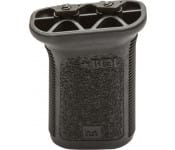
In terms of foregrips, look for a model that provides a positive indexing point for your support hand, allowing for improved recoil control and handling. The BCM Gunfighter is a minimalist option with enough surface area to comfortably grip, and can also brace against a barricade while shooting from behind cover or concealment.
Trigger
As the primary interface between the AR-15 and the shooter, the trigger is perhaps the most important upgrade when setting up your rifle. Most AR-15 variants ship with a mil-spec single-stage trigger from the factory and for most applications, the factory trigger is perfectly usable.
Some shooters prefer to upgrade to a lighter, crisper trigger for faster follow-up shots. Additionally, swapping triggers allows the shooter to choose between a flat or curved trigger shoe.
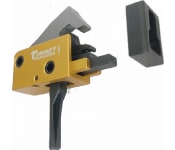
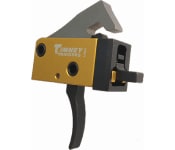
For precision shooting, we recommend a quality two-stage trigger. These triggers have two distinct stages; the first stage is the takeup and the second stage is when the shot breaks. This allows for enhanced control and better shot placement when shooting at greater distances.
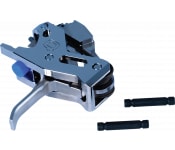
Q LLC Literally The Best Trigger Ever Made AR Trigger, AR-15/AR-10, Flat Two-Stage, 3 lb Pull, Non-Adjustable, 1.9 oz.
Weapon-Mounted Light
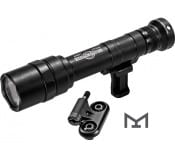
Positive target identification is imperative, so a weapon-mounted light is a must-have for a dedicated defensive rifle build. A light with high Candela and high Lumens (500-1000) works best in low-light settings and can serve the added function of disorienting armed assailants. The SureFire Scout Light is the gold standard in the industry and is available in a variety of color finishes.
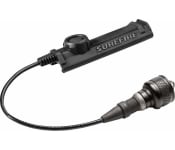
To maintain light discipline, most firearms trainers encourage shooters to install a pressure switch for their light. This feature enables momentary on / off as well as constant-on capabilities, requiring deliberate action to activate the light and preventing the user from inadvertently revealing their position.
Sling
A well-made rifle sling offers several key benefits, including weapon retention and a convenient way to stow your AR-15 when not in use. Out of all the single-point and two-point slings we've used, one of our favorites is the Blue Force Gear Vickers sling, which has a pull tab for quick sizing adjustments.

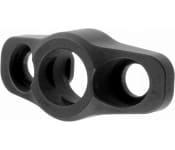
Many AR-15 stocks are equipped with quick-detach sling attachment points, allowing the shooter to easily add or remove virtually any sling they want. And if your AR-15 has an M-LOK handguard, you can position the forward attachment point anywhere on the handguard with an M-LOK QD sling mount.
Suppressor
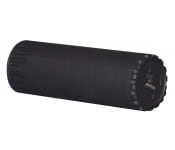
As anyone who has fired an AR-15 indoors can attest, 5.56 NATO is LOUD. Mounting a suppressor is the best way to mitigate hearing loss and reduce your overall signature when shooting. For the best results, look for a dedicated 5.56 suppressor and choose a mounting solution that works for your needs.

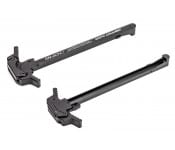
Note: Mounting a suppressor will result in a Point Of Impact (POI) shift, so plan to re-zero your optic. Additionally, many shooters prefer to run a suppressor-optimized charging handle like the Griffin Armament SN-ACH Gen 2, which redirects gas away from the shooter.
Buffer
Experimenting with buffer weight can improve an AR-15's performance by providing smoother, more reliable cycling. As a result, many shooters opt to replace their buffer spring and install a heavier H2 or H3 buffer - especially when shooting suppressed. While not strictly necessary, this affords shooters a measure of fine tuning beyond what is available from the factory.
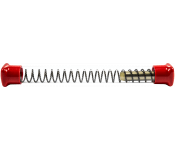
Because it may take some trial and error to find the best buffer setup for your rife, the Classic Firearms team usually suggests completing this upgrade after all other setup is complete. This way, any performance issues from this point forward are isolated to the buffer and spring, making it easy to swap parts until you're happy with the way your rifle runs.
What Is The Best Zero For Your AR-15?
Once your build is finished, the only thing left to do is get out and shoot! But before you go, be sure to watch our video below explaining which zero is best for your AR-15!



 Loading...