The video focuses on police trade-in Smith & Wesson M&P pistols, specifically M&P 45 and M&P 40 models that have recently arrived at the warehouse. Several pistols are laid out for inspection and unboxing. These are law enforcement trade-ins, so their condition varies from lightly used to showing moderate wear. Some boxes are labeled with the original officer’s name and handedness, which adds a bit of history to each firearm. The host notes an interest in police trade-ins because the exact condition and configuration can differ from gun to gun, making each unboxing somewhat unique while still staying within the M&P family of duty pistols.
The first box opened is labeled for an officer named Purcell and contains a Smith & Wesson M&P 45. The serial number on the pistol matches the box. This example comes with a lock and test cartridge but no extra backstraps. The pistol shows some bluing wear near the muzzle and front of the slide, consistent with duty use, but overall appears in good condition. It is equipped with night sights, which still have some visible glow when the lights are turned off, though brightness varies and is not guaranteed. Additional M&P 45 pistols are unboxed, some with adjustable backstraps included. Serial numbers again match their boxes, and most show only light holster wear at the front of the slide and serrations.
The M&P 45 pistols shown are chambered in .45 Auto and use 10-round stainless steel magazines, clearly marked for capacity. Several examples retain factory night sights, though the remaining tritium brightness differs from gun to gun and is not assured. The pistols feature front and rear slide serrations, making press checks and slide manipulation straightforward. The host demonstrates the trigger, noting a short take-up, a defined break, and a quick, tactile reset. One of the M&P 45 pistols appears nearly new, with minimal finish wear and intact night sights. All share a polymer frame, stainless steel slide, and an accessory rail for mounting lights or laser units, making them suitable for roles such as a bedside or general-purpose defensive handgun.
Attention then shifts to Smith & Wesson M&P 40 police trade-ins. One pistol arrives wrapped in parchment paper and includes adjustable backstraps. This .40 S&W model uses a 15-round Smith & Wesson magazine and has a similar overall size and feel to the M&P 45, but is chambered in .40 instead of .45. It retains a Picatinny rail but lacks front slide serrations, having only rear serrations. The night sights on this example use a tritium insert with standard white outlines at the rear and an orange ring with tritium up front. Other M&P 40 pistols are unboxed, some with adjustable backstraps and some without, reflecting typical surplus variability. Most show only light holster wear at the front of the slide and along the edges, with night sights that are still usable on several guns.
Additional M&P 40 pistols display minor cosmetic wear, such as bluing loss along the slide and at the muzzle, but nothing that appears to affect function. Some still have light oil on them, suggesting recent maintenance or storage preparation. A few lack extra backstraps, which is presented as normal for surplus firearms where accessories may be missing. The pistols share the same general ergonomics as the M&P 45, with a polymer frame, stainless steel slide, and accessory rail. They also feature a loaded chamber indicator on top of the slide, allowing a visual check for a cartridge. The host notes that these .40 S&W pistols would serve well as everyday carry or working guns, especially for shooters who already stock .40 caliber ammunition and want to add another compatible pistol.
After the tabletop overview, two pistols are chosen for live fire at Take Aim Range: an M&P 45 associated with Officer Sharp and an M&P 40. The selection is made to compare how the .45 ACP and .40 S&W versions handle and perform under similar conditions. The plan is to move from the unboxing environment to the range to see how these police trade-in pistols actually shoot, focusing on recoil, controllability, and general shooting characteristics. This transition underscores the idea that cosmetic wear from duty use does not necessarily reflect how well the pistols function when fired.
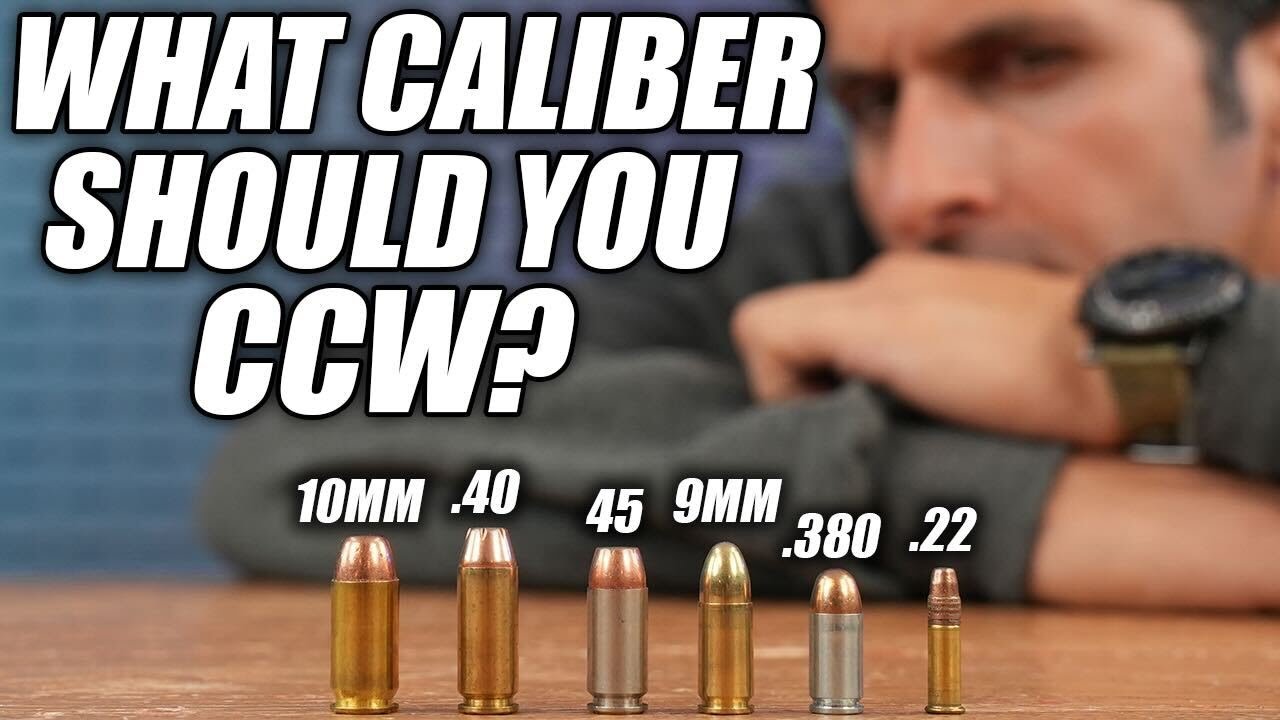
On the range, the Smith & Wesson M&P 45 is fired, including one-handed shooting, to get a feel for its behavior. The pistol is described as accurate and enjoyable to shoot at roughly 15 yards, with the .45 ACP characterized as a heavy, slow round. Recoil is noticeable due to the lightweight polymer frame but remains manageable with training and practice. The trigger system is explained: the pistol uses a trigger safety rather than an external manual safety lever. A tab or lower portion of the trigger must be properly depressed for the gun to fire, preventing discharge if the trigger is not pulled correctly. The M&P 45 is presented as straightforward to manipulate and suitable for roles such as everyday carry or a nightstand gun, depending on user preference and comfort with the .45 ACP recoil.
The M&P 40 is then fired to compare it with the M&P 45. The .40 S&W round is described as snappy, but overall the pistol is easier to shoot than the .45 ACP version because it produces less overall recoil. It uses the same style polymer frame and stainless steel slide, so the ergonomics feel familiar when switching between calibers. The 15-round magazine capacity is highlighted as an advantage, especially in high-stress situations where additional rounds may be beneficial. The shooting impressions suggest that shooters concerned about managing .45 ACP recoil might find the M&P 40 a better fit, while still retaining the duty-style features and handling characteristics of the M&P platform.