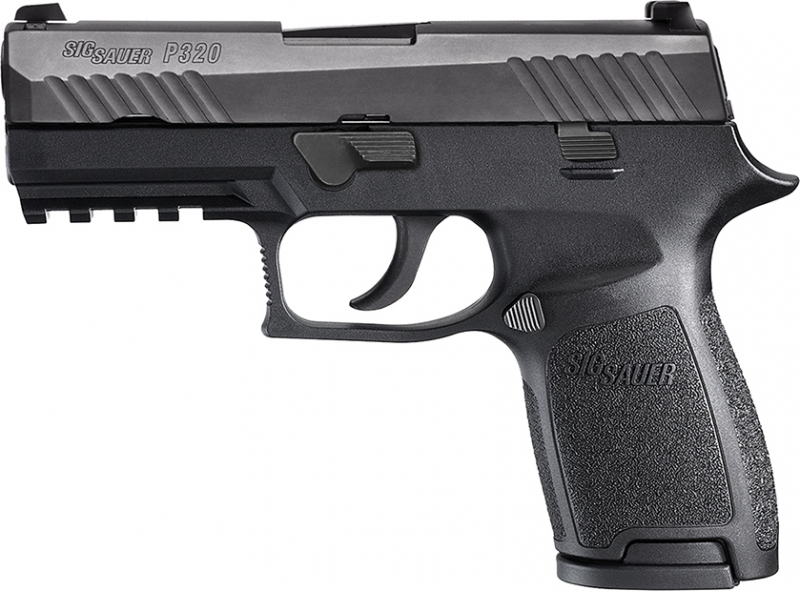
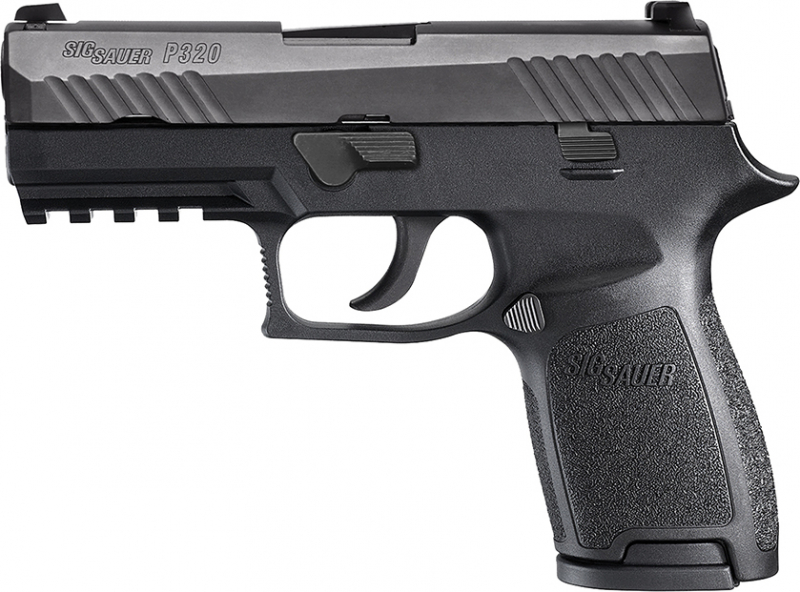
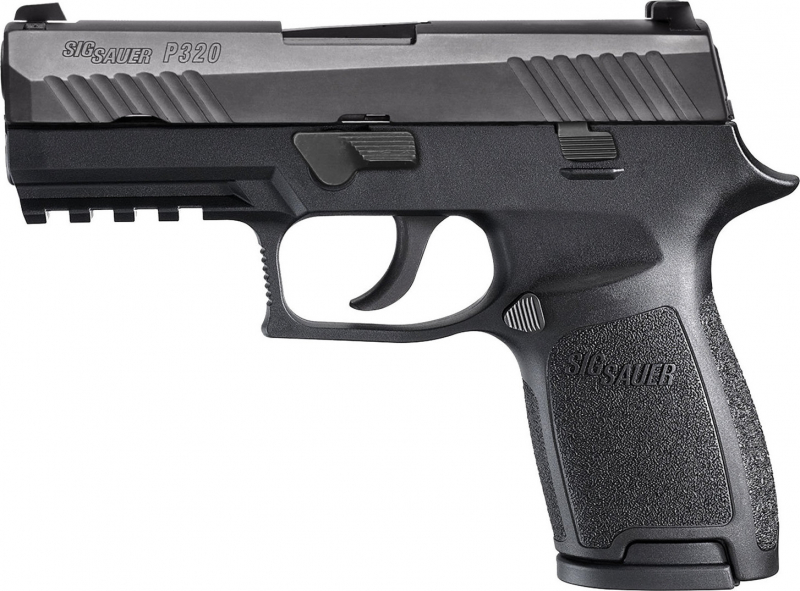
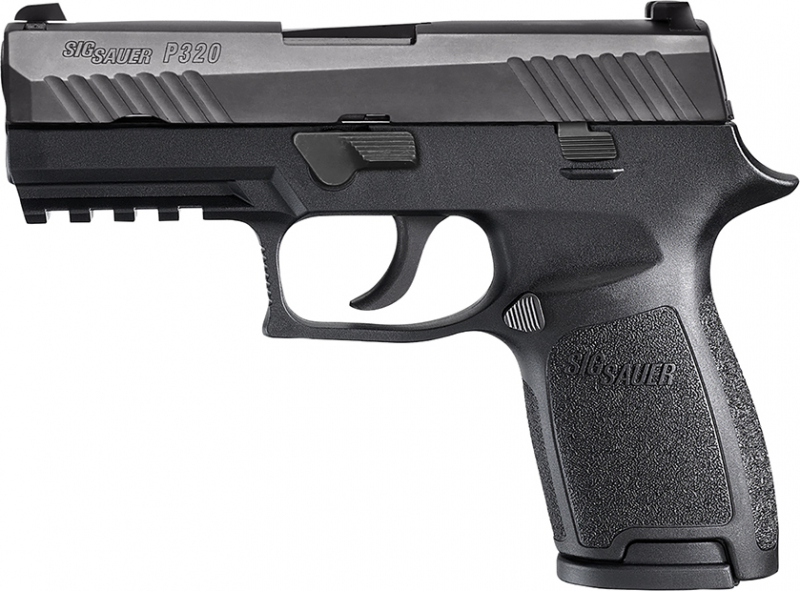
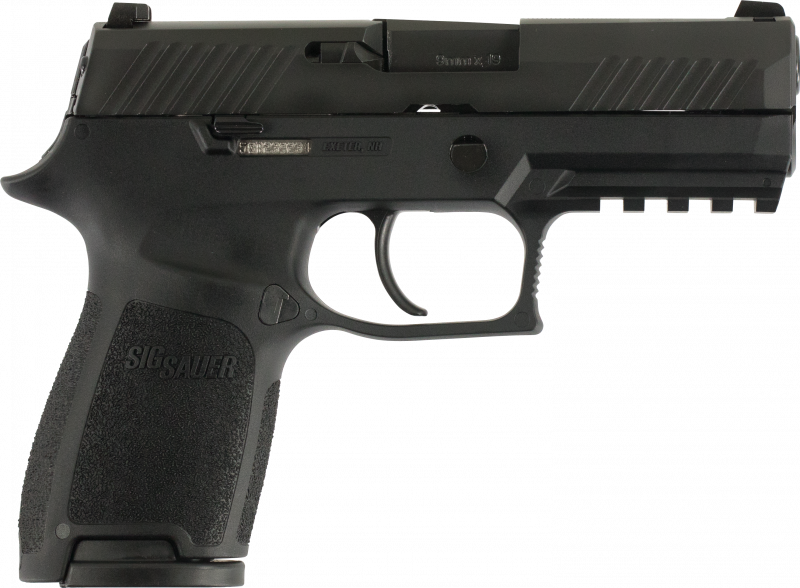
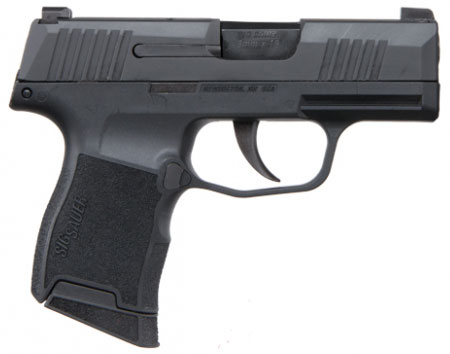
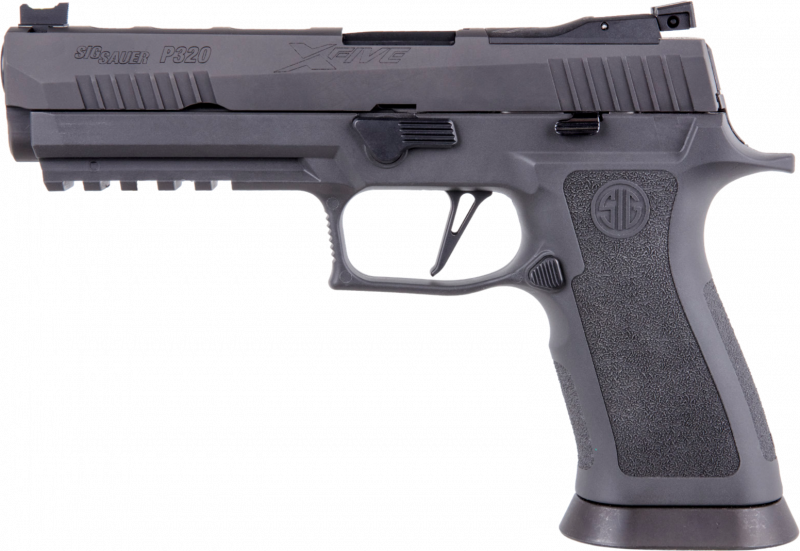
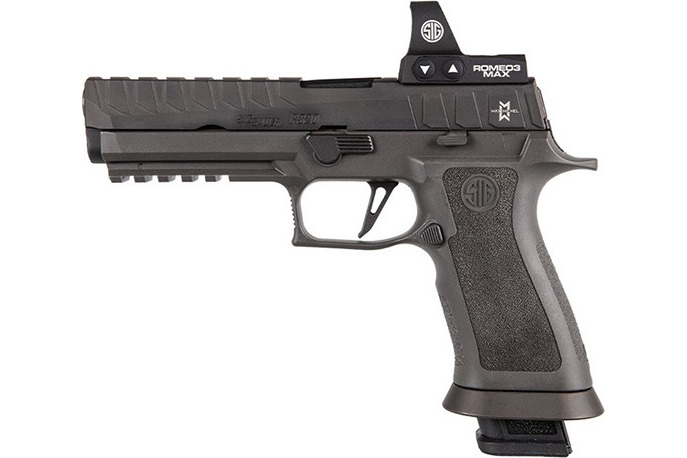
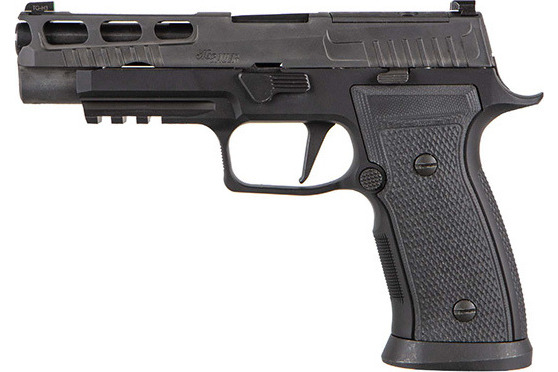
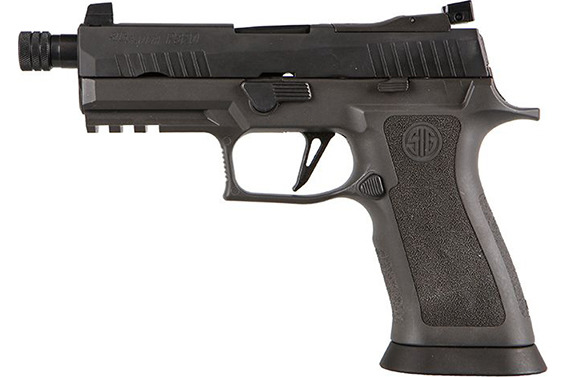
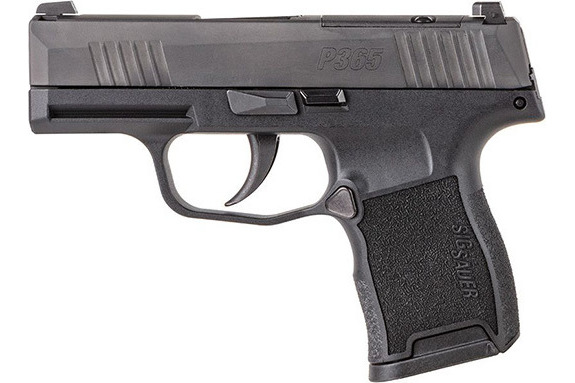
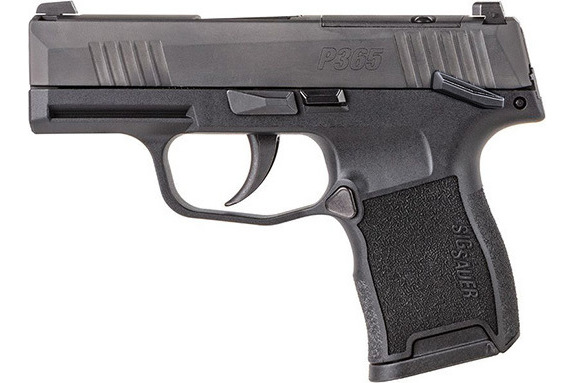
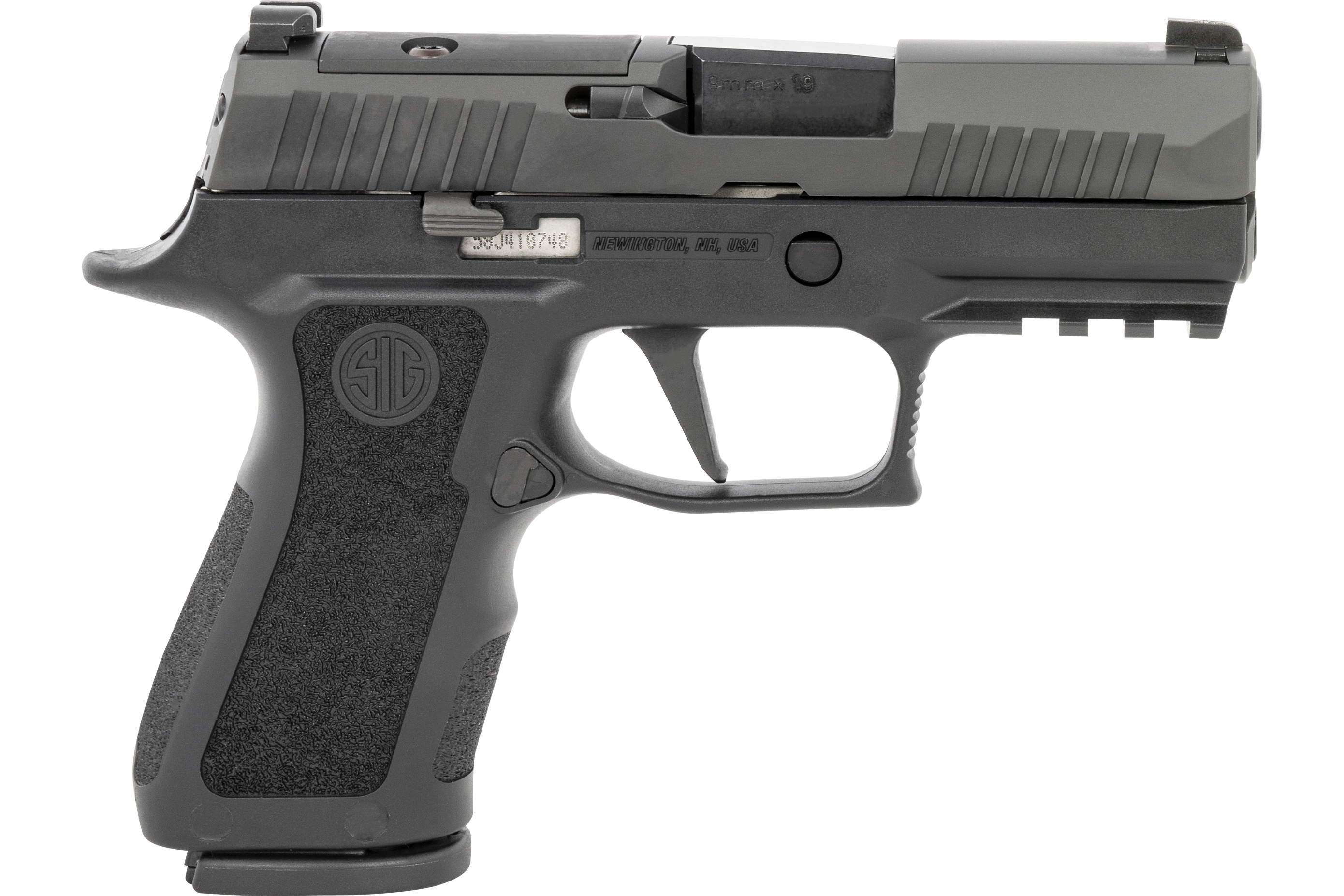
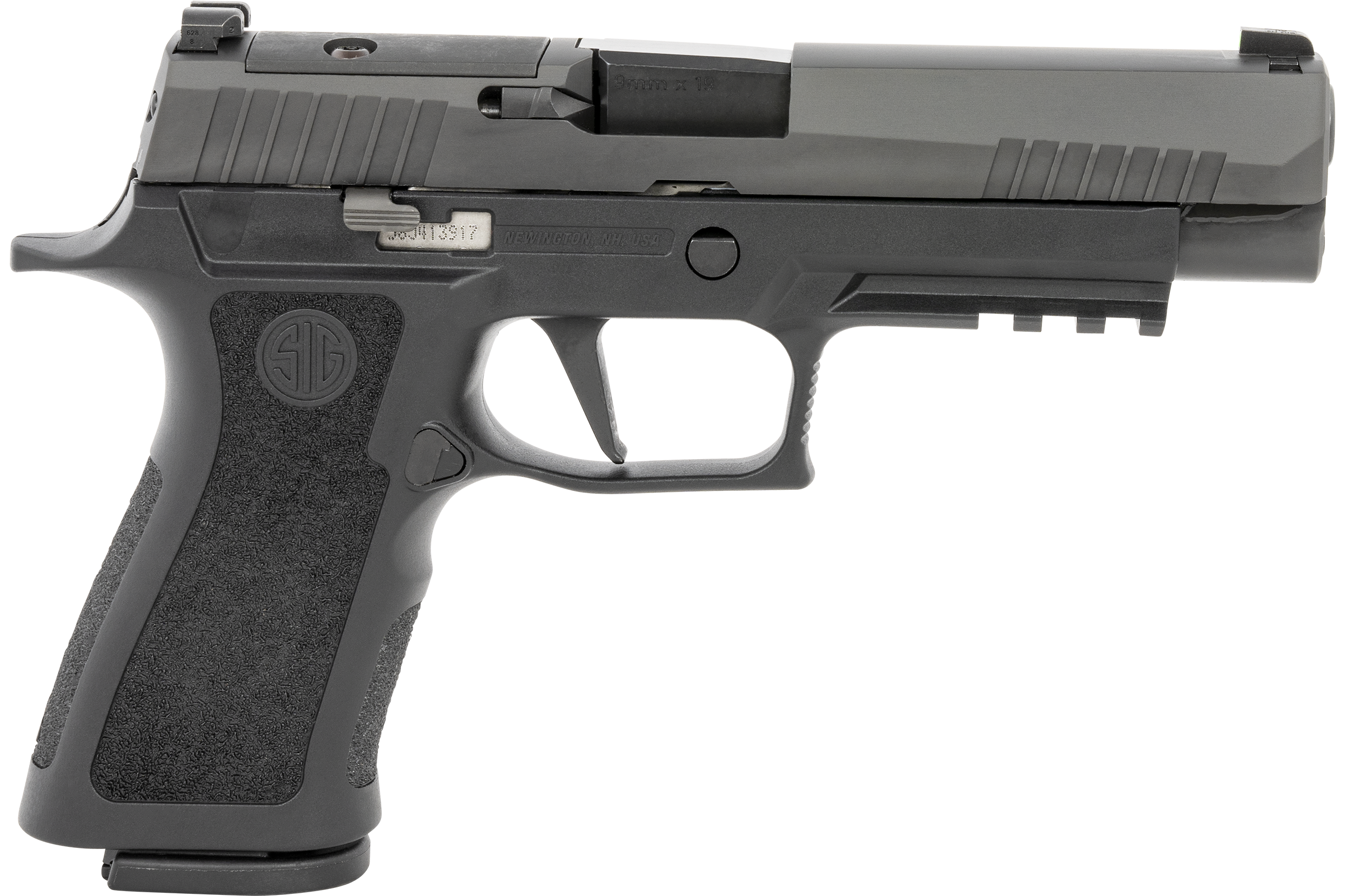
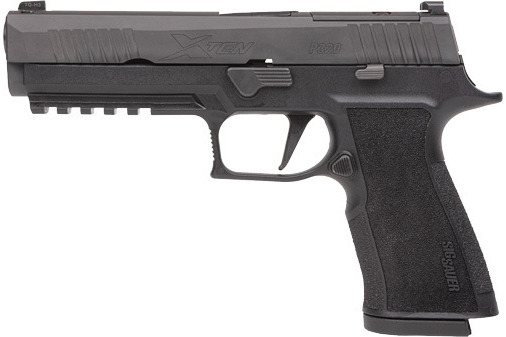
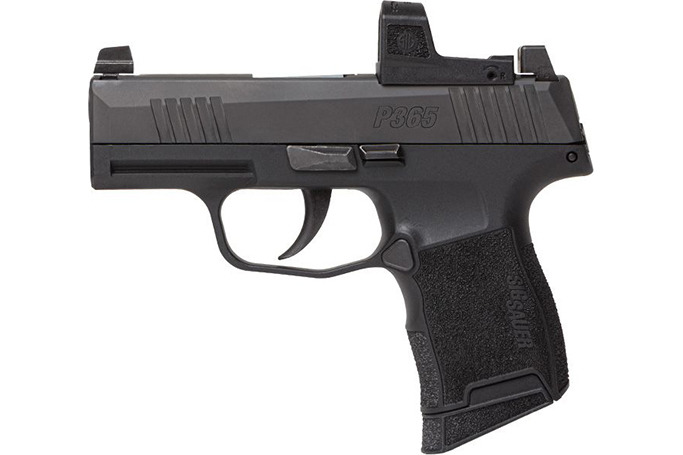
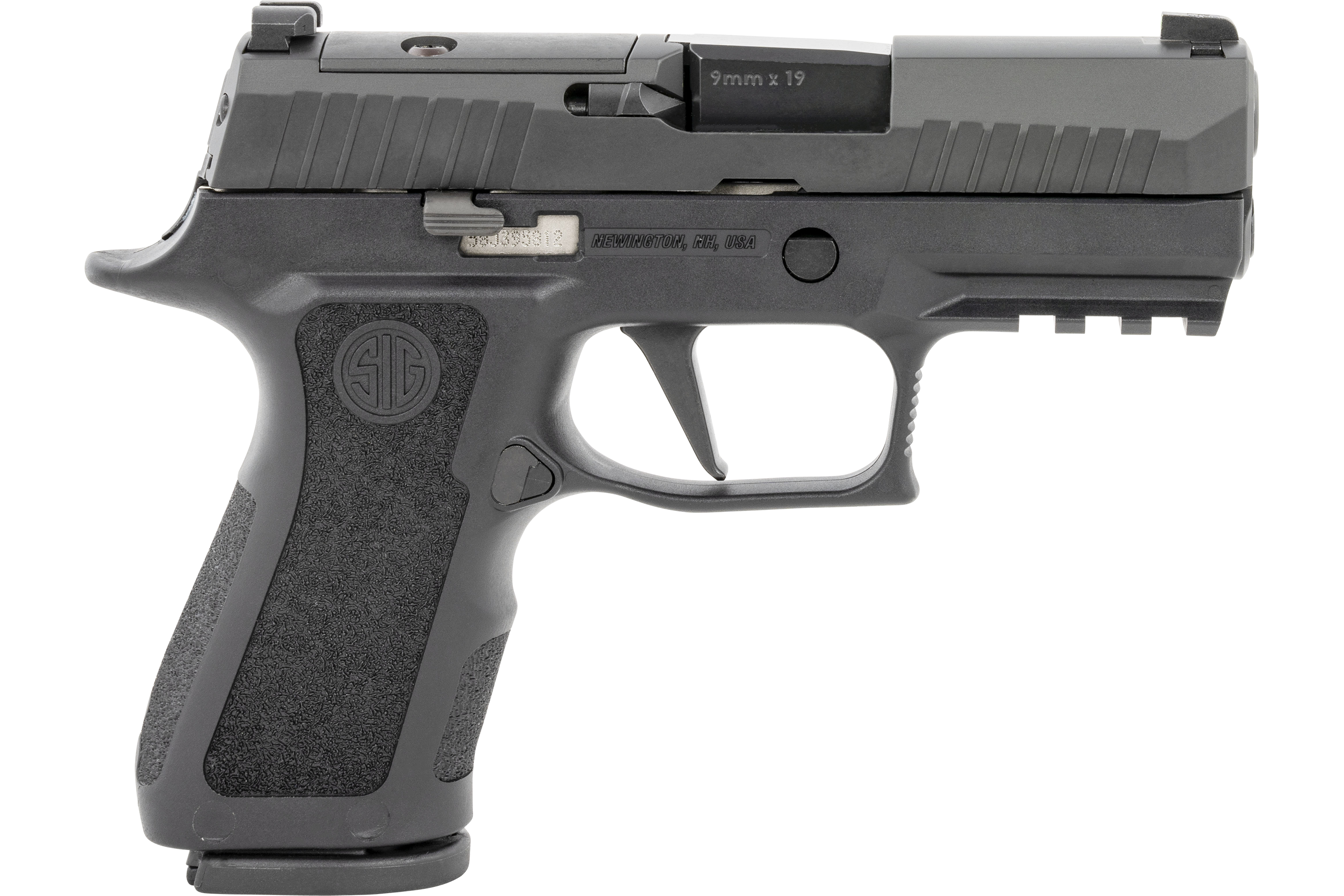
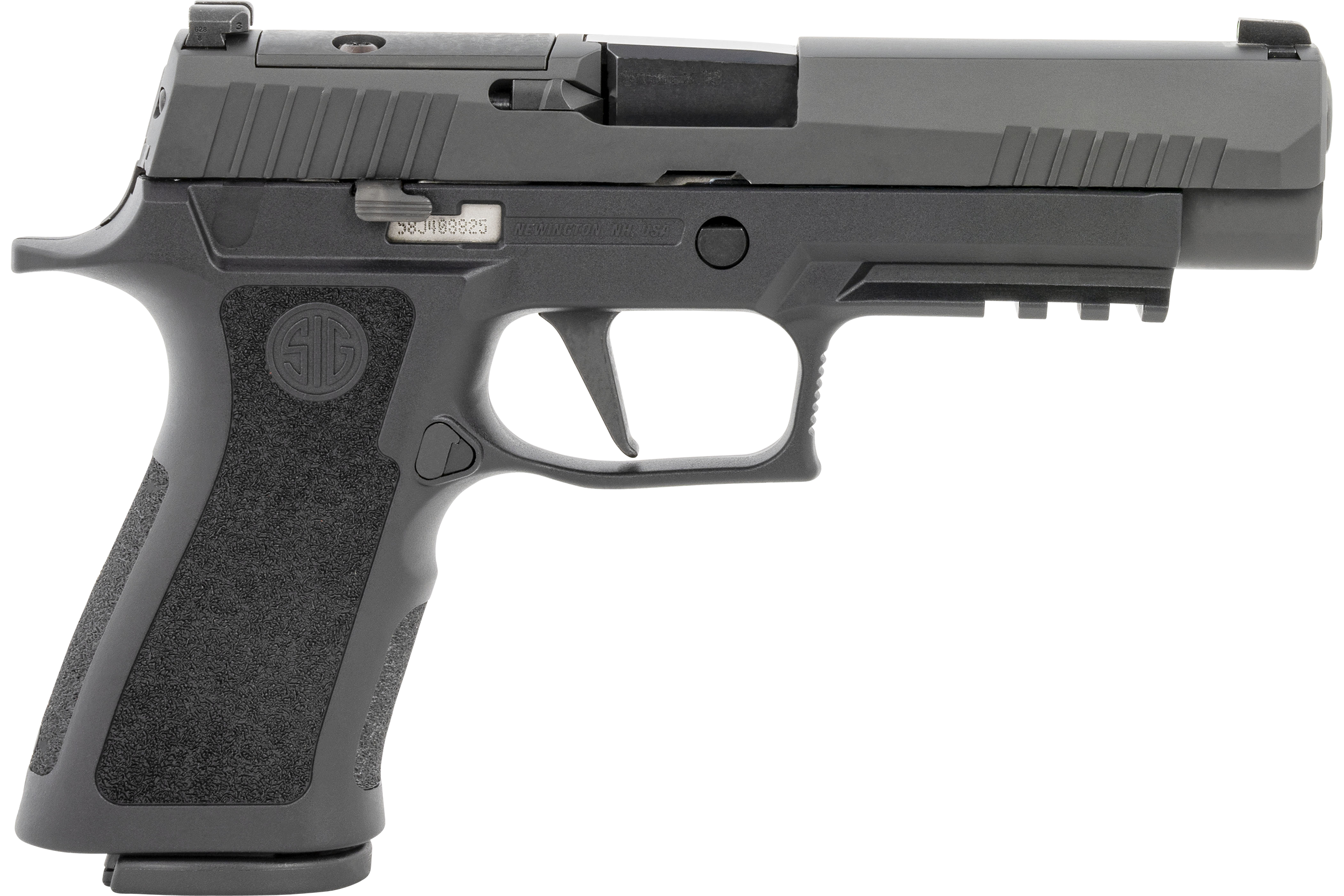
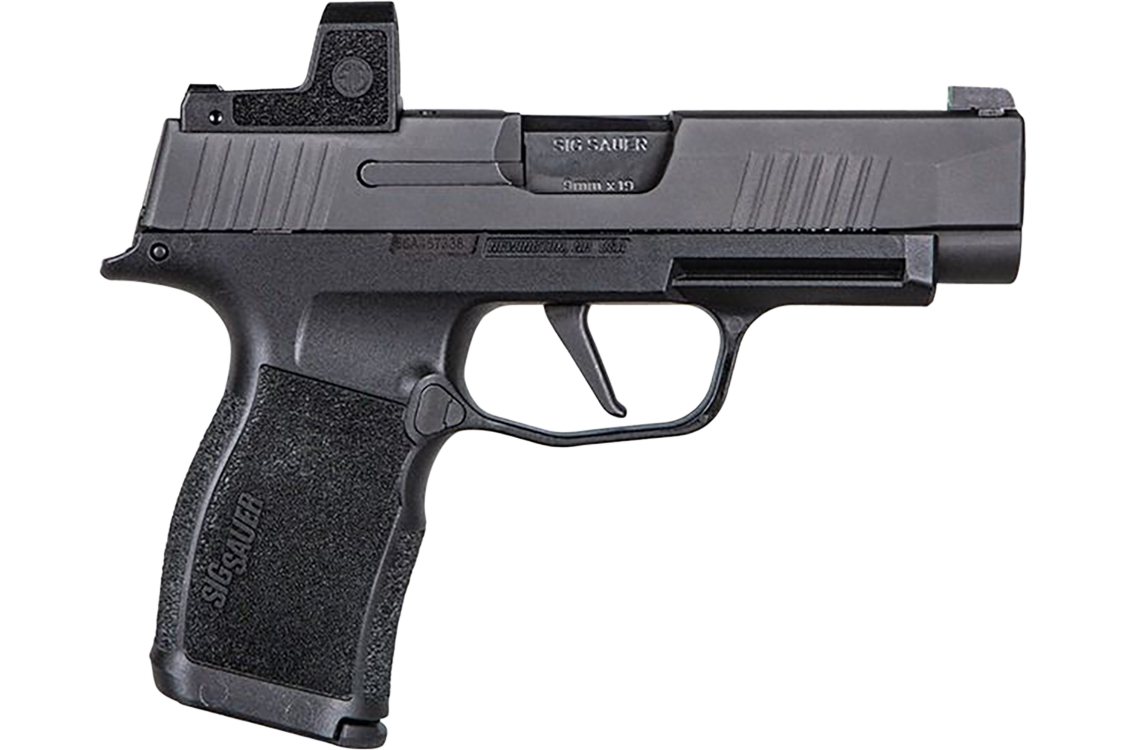
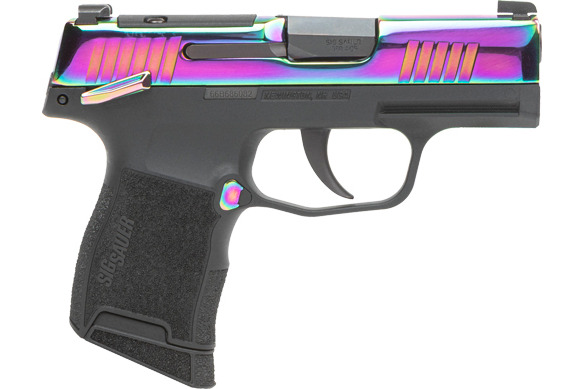
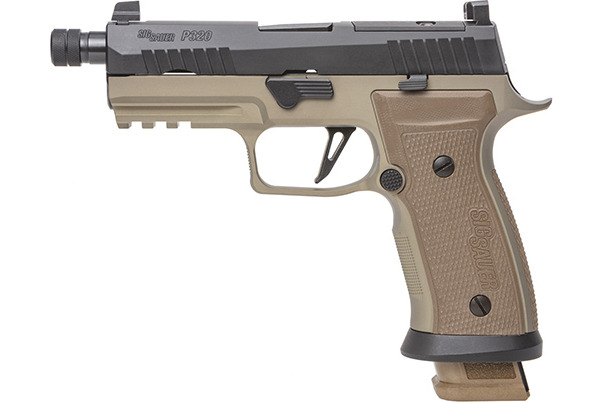
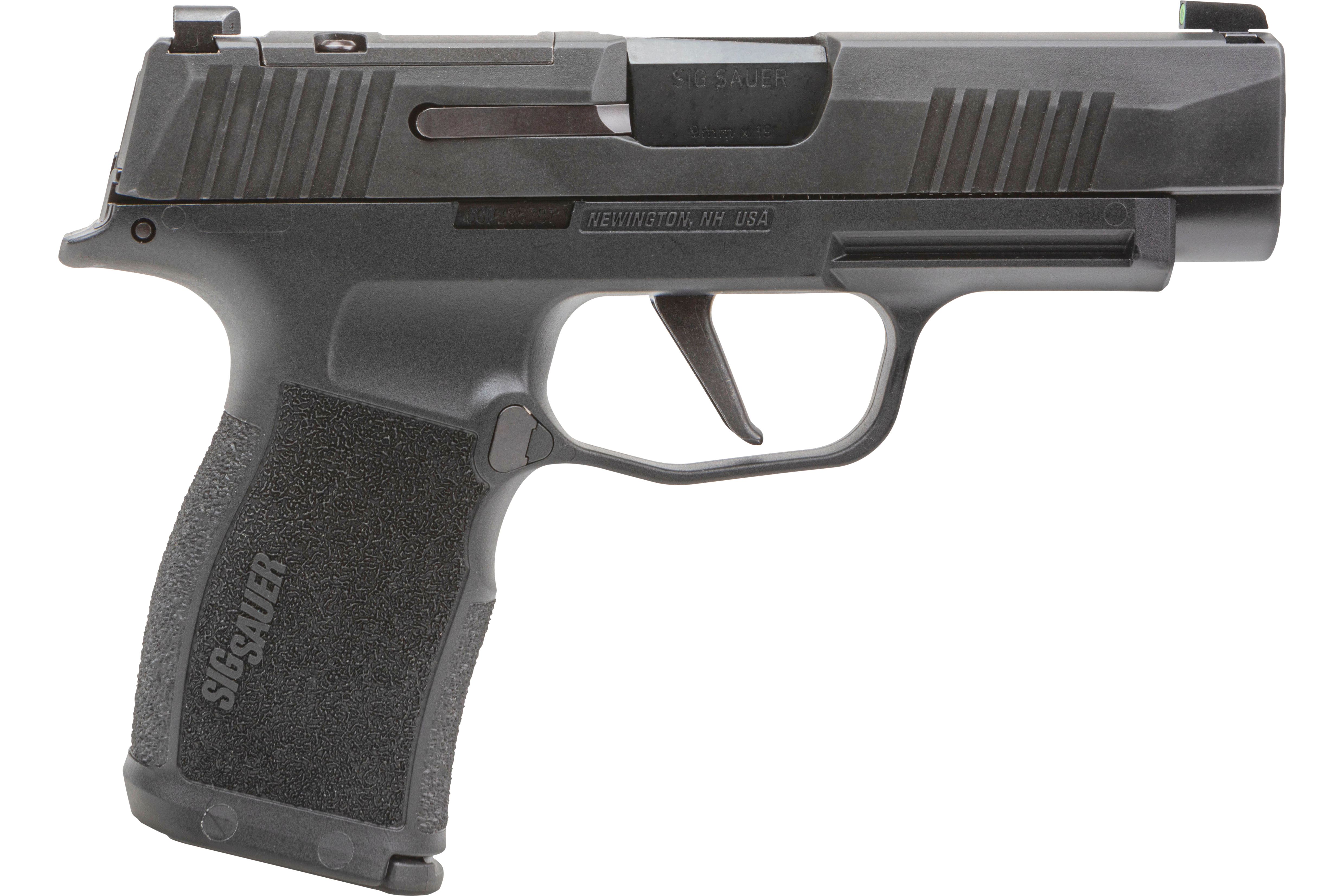
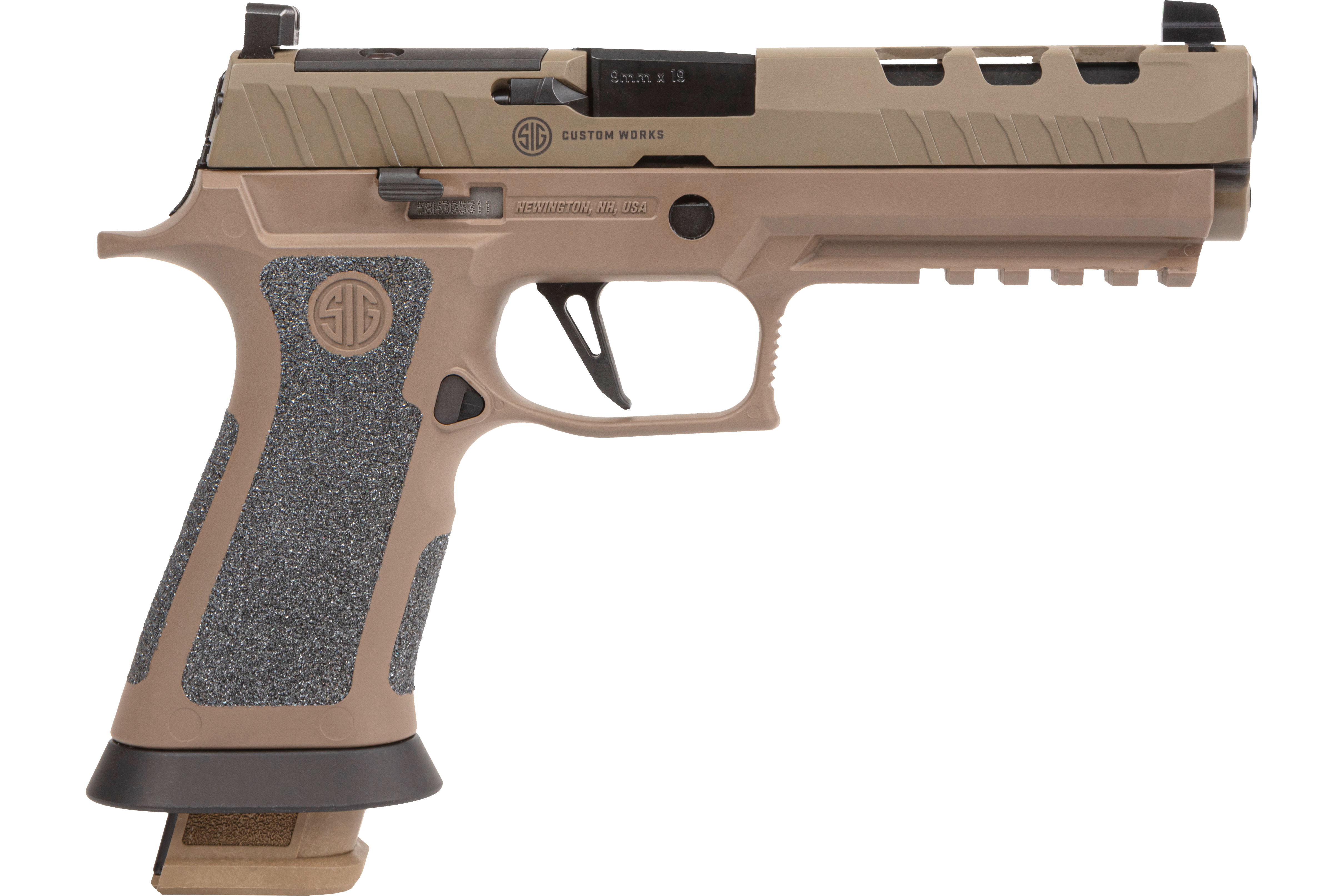
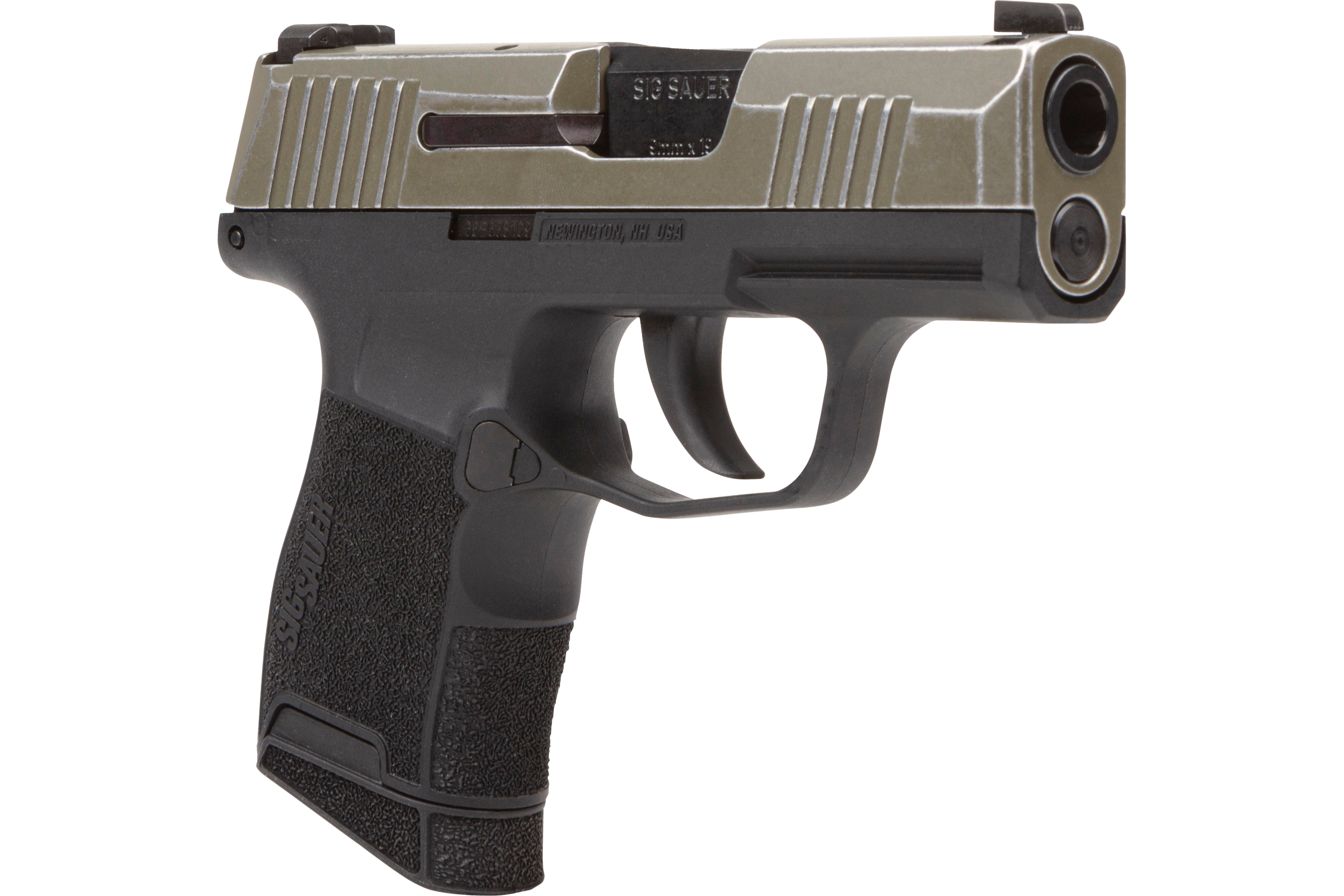
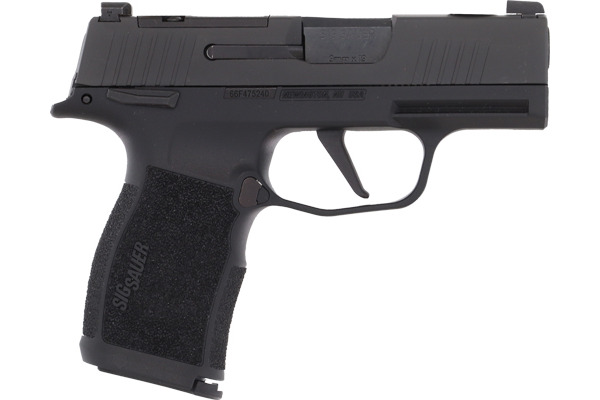
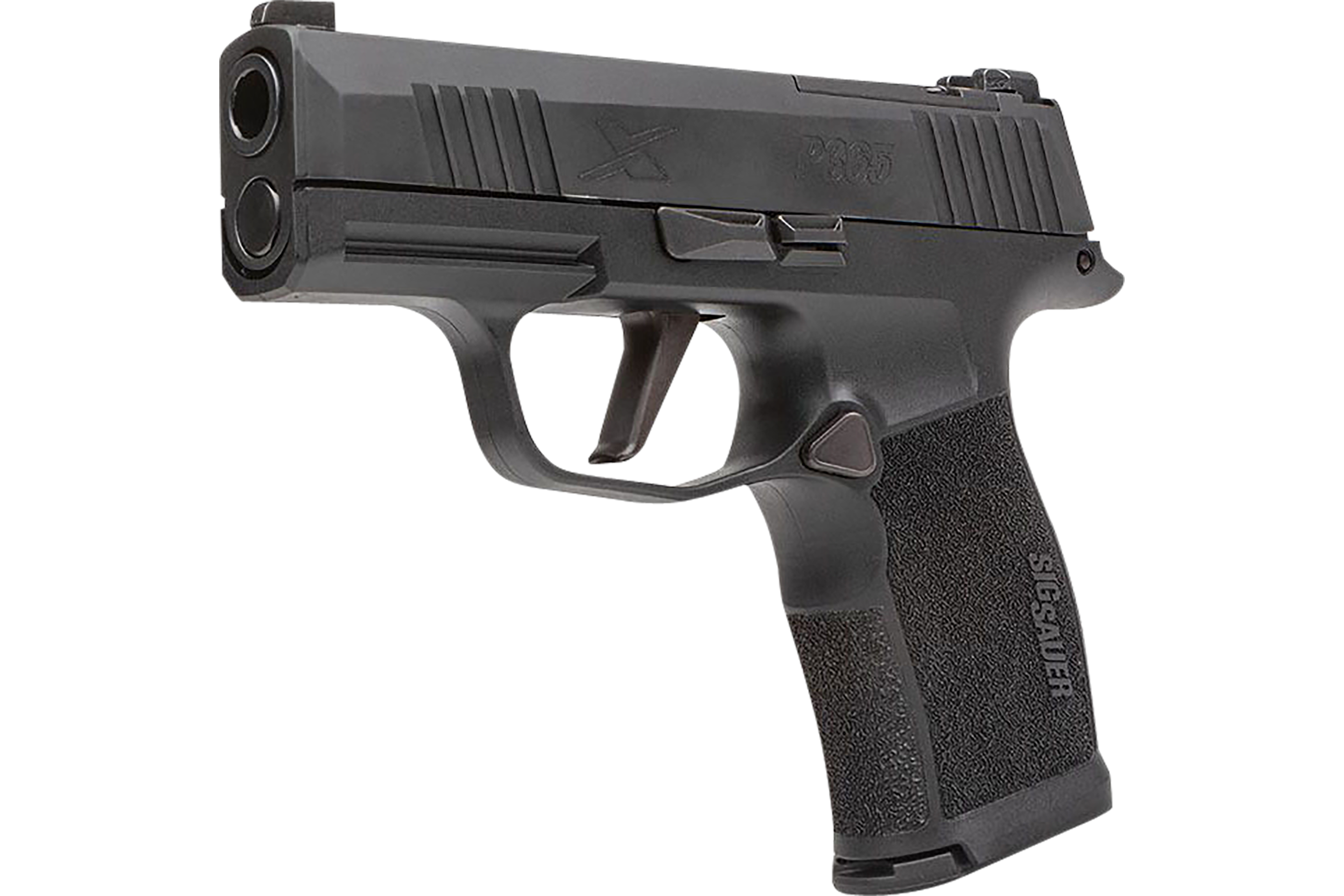
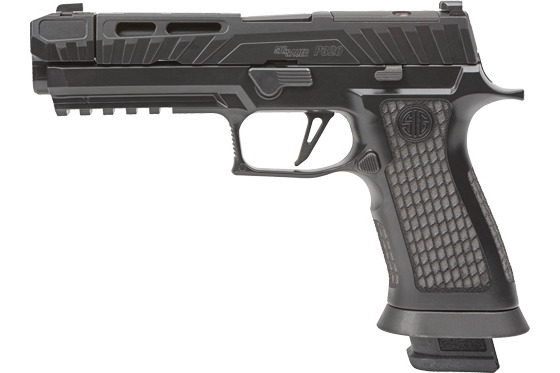
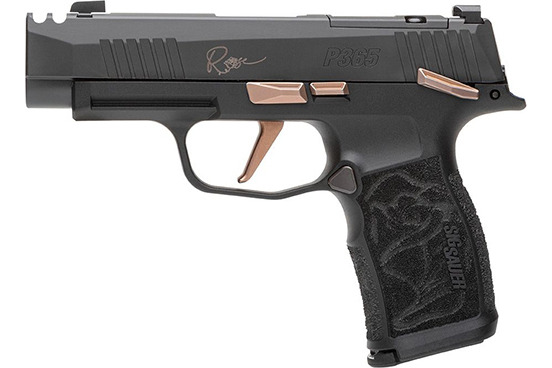
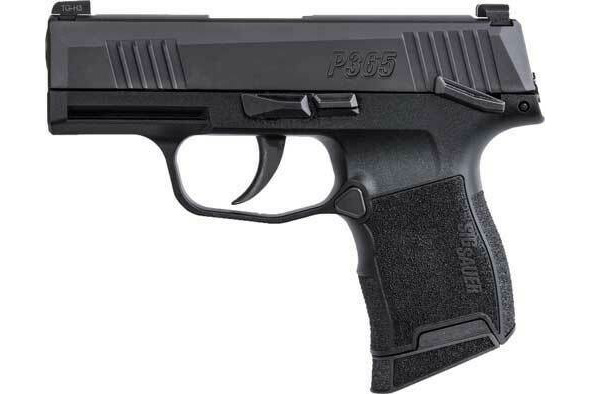
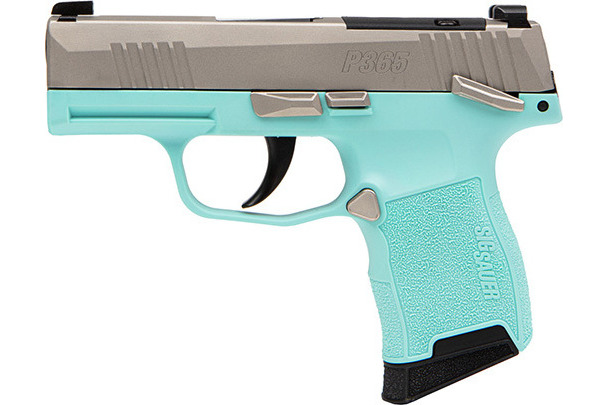
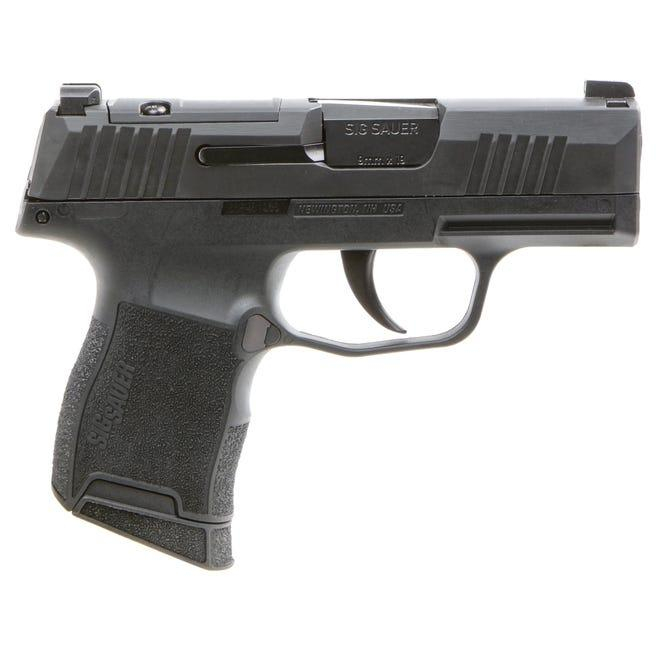
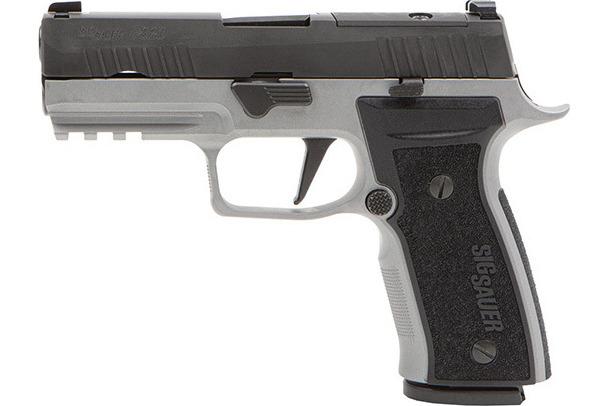
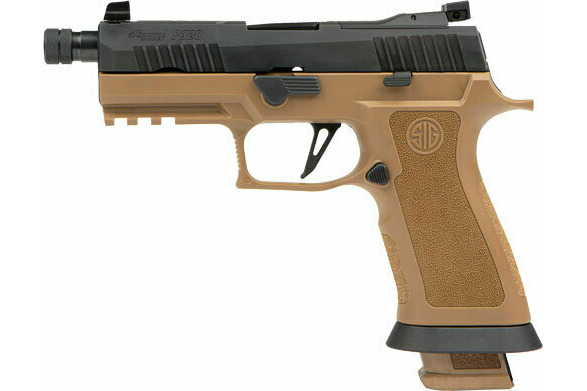
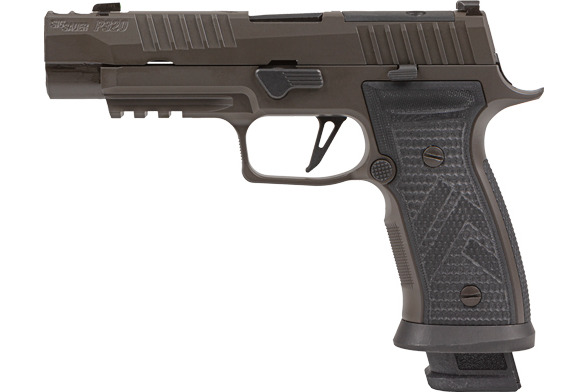
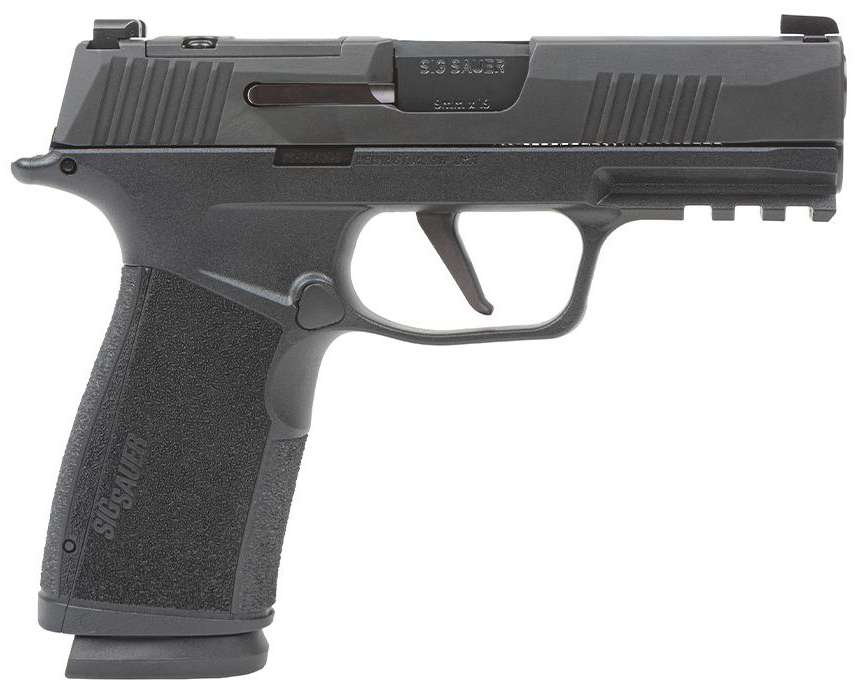
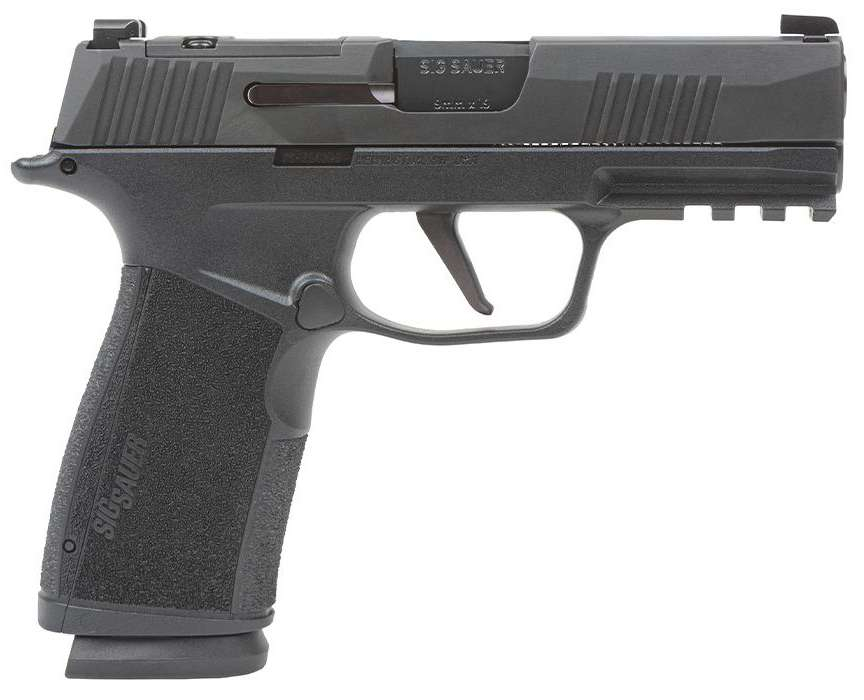
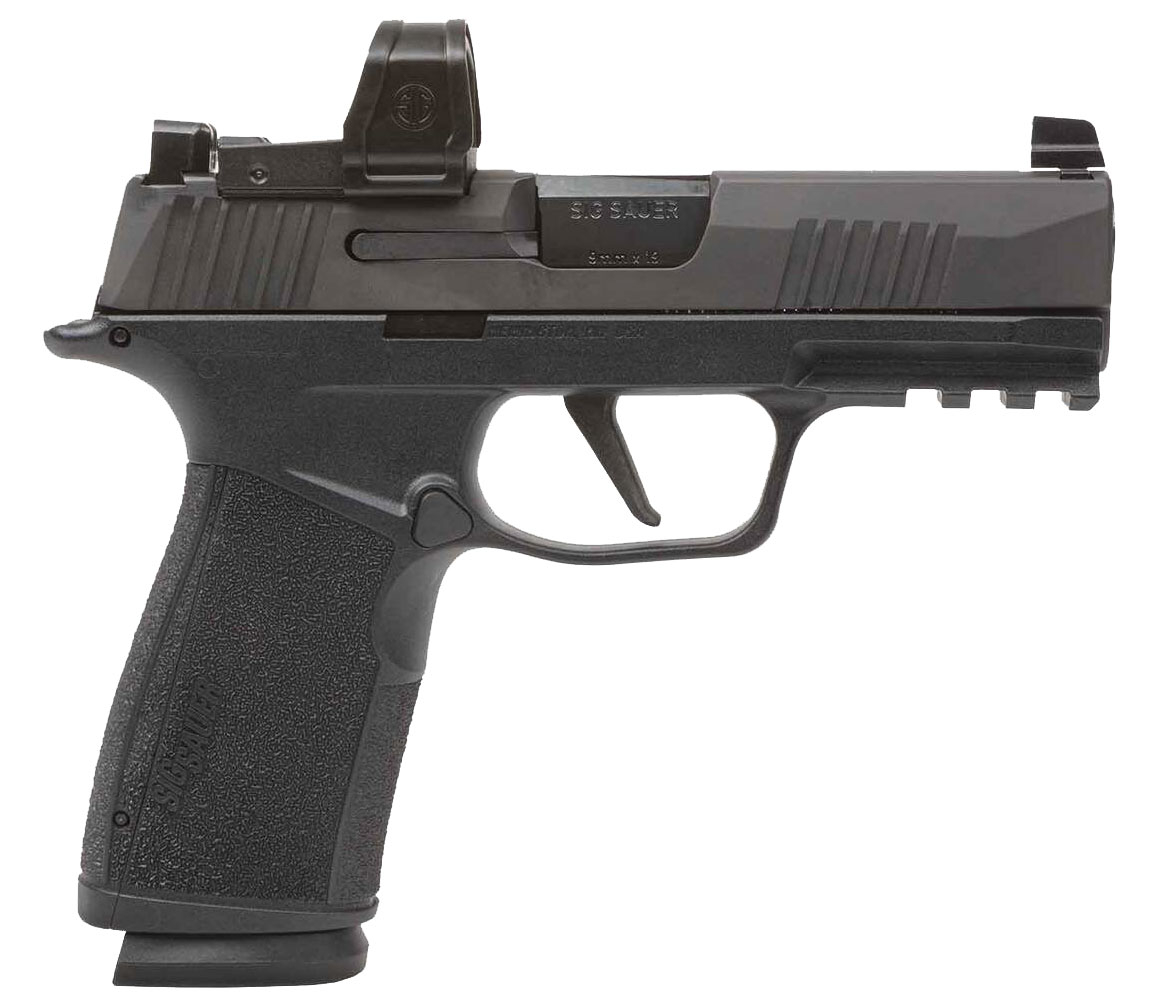
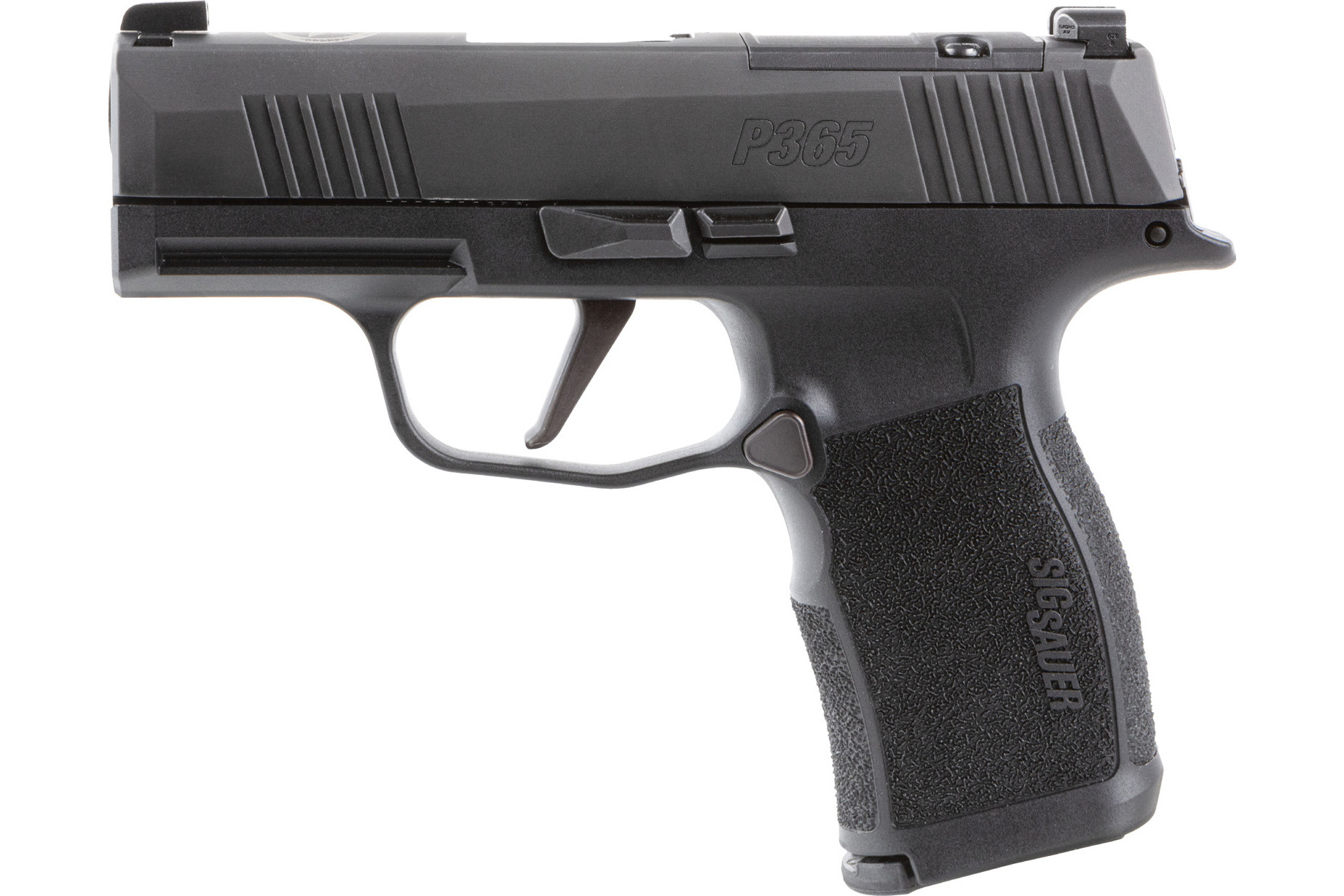
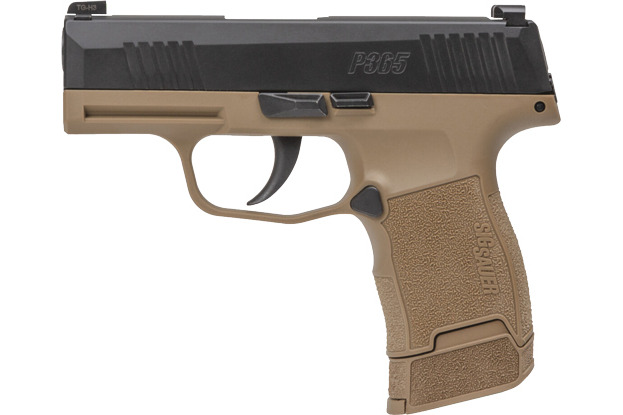
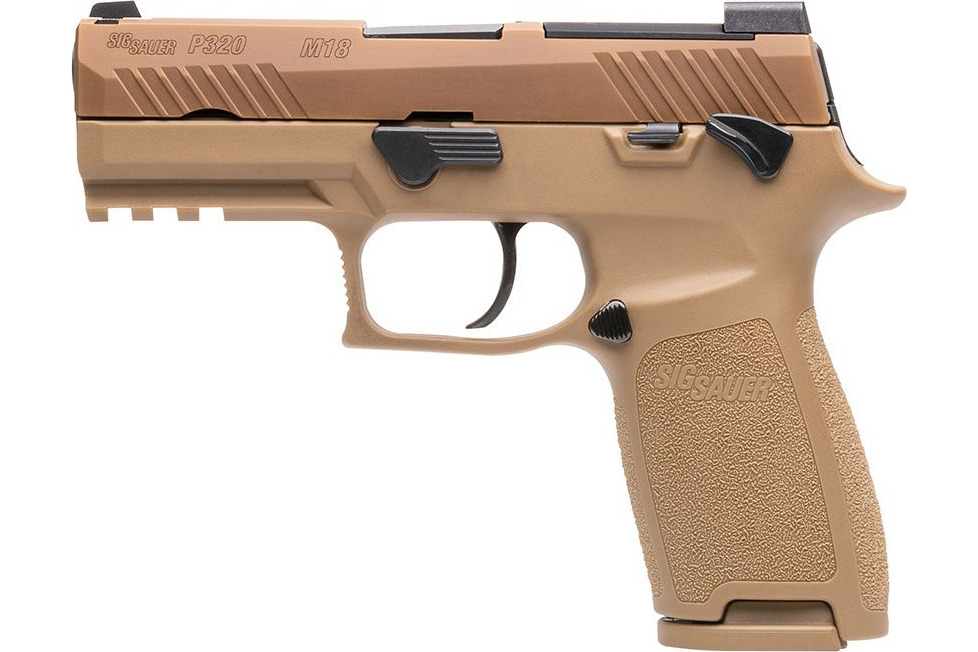
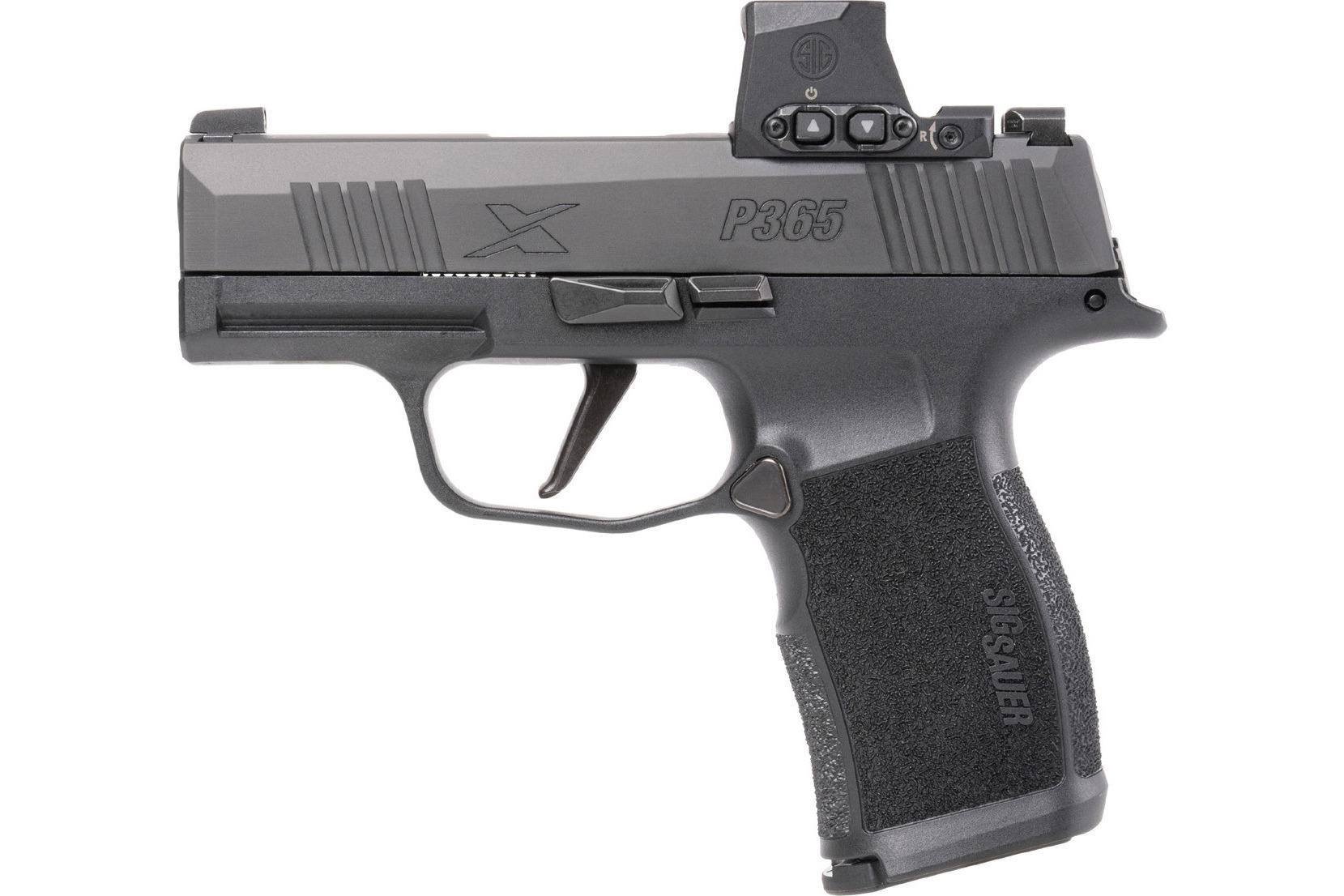
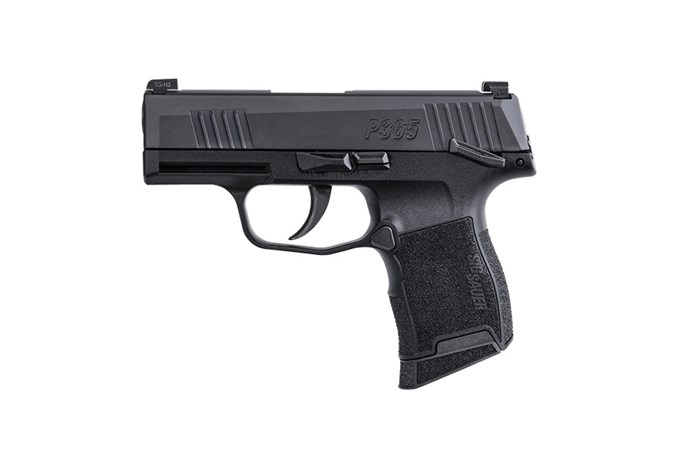
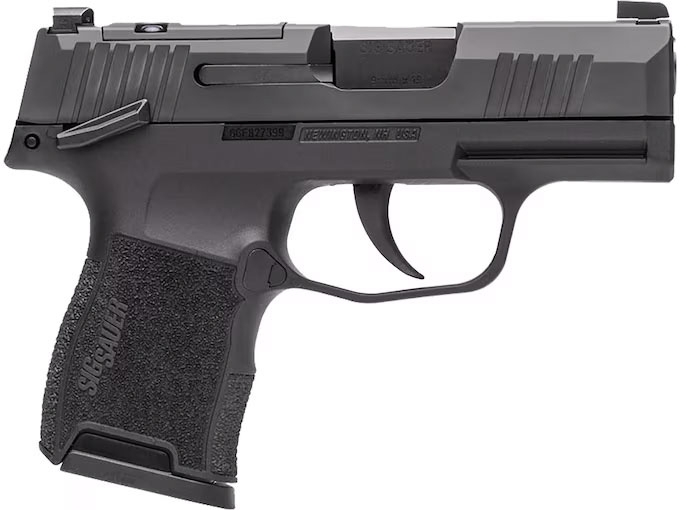
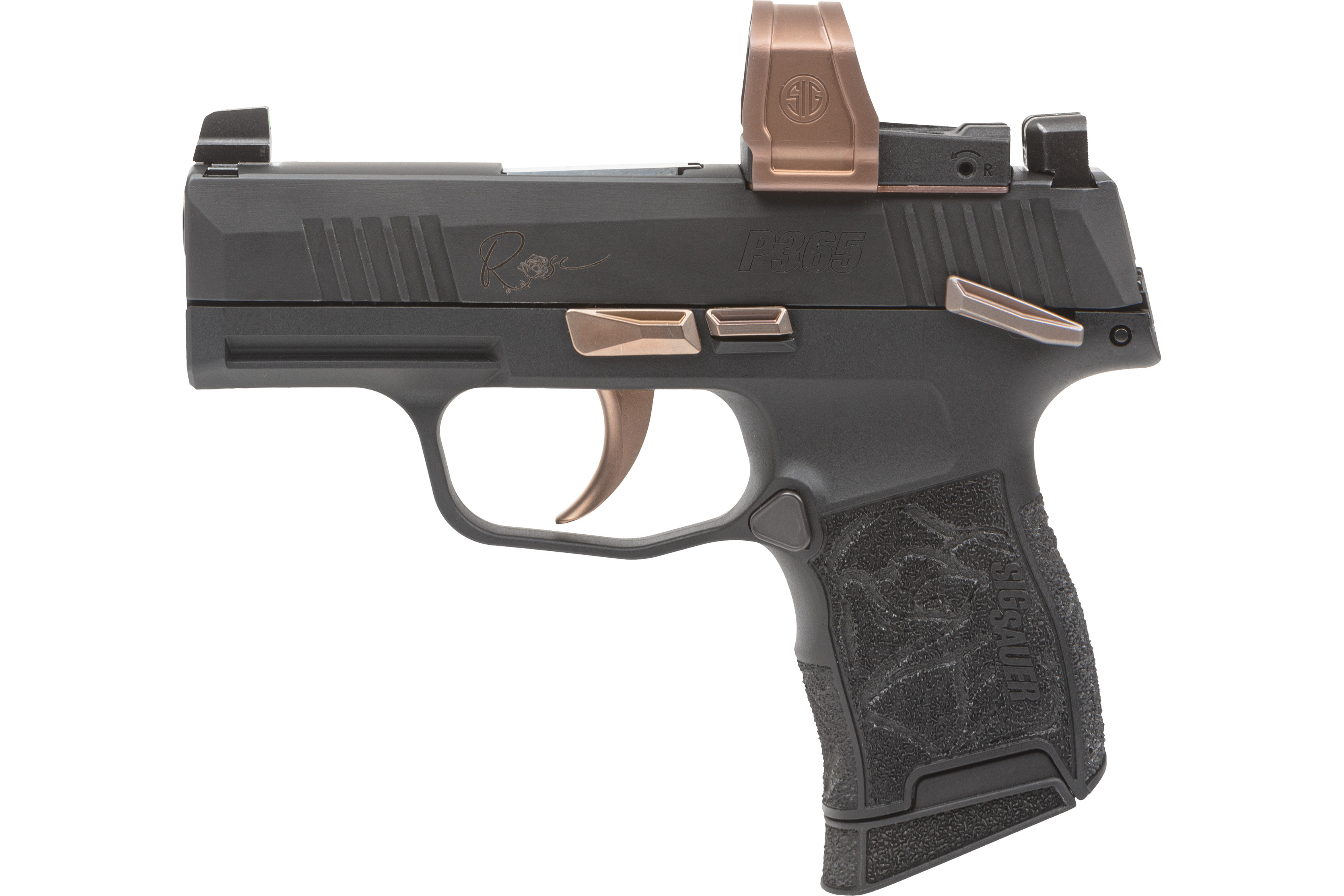
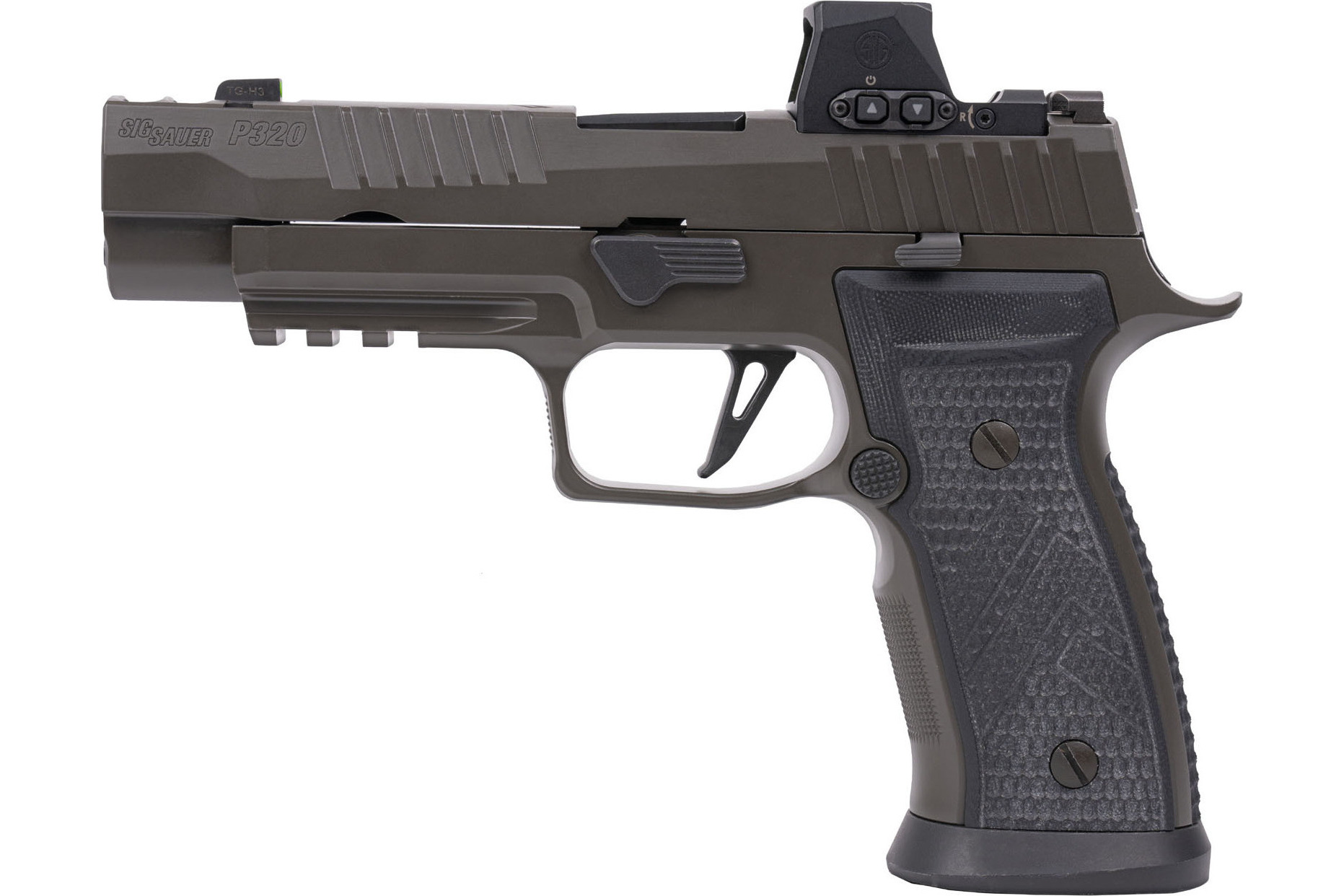
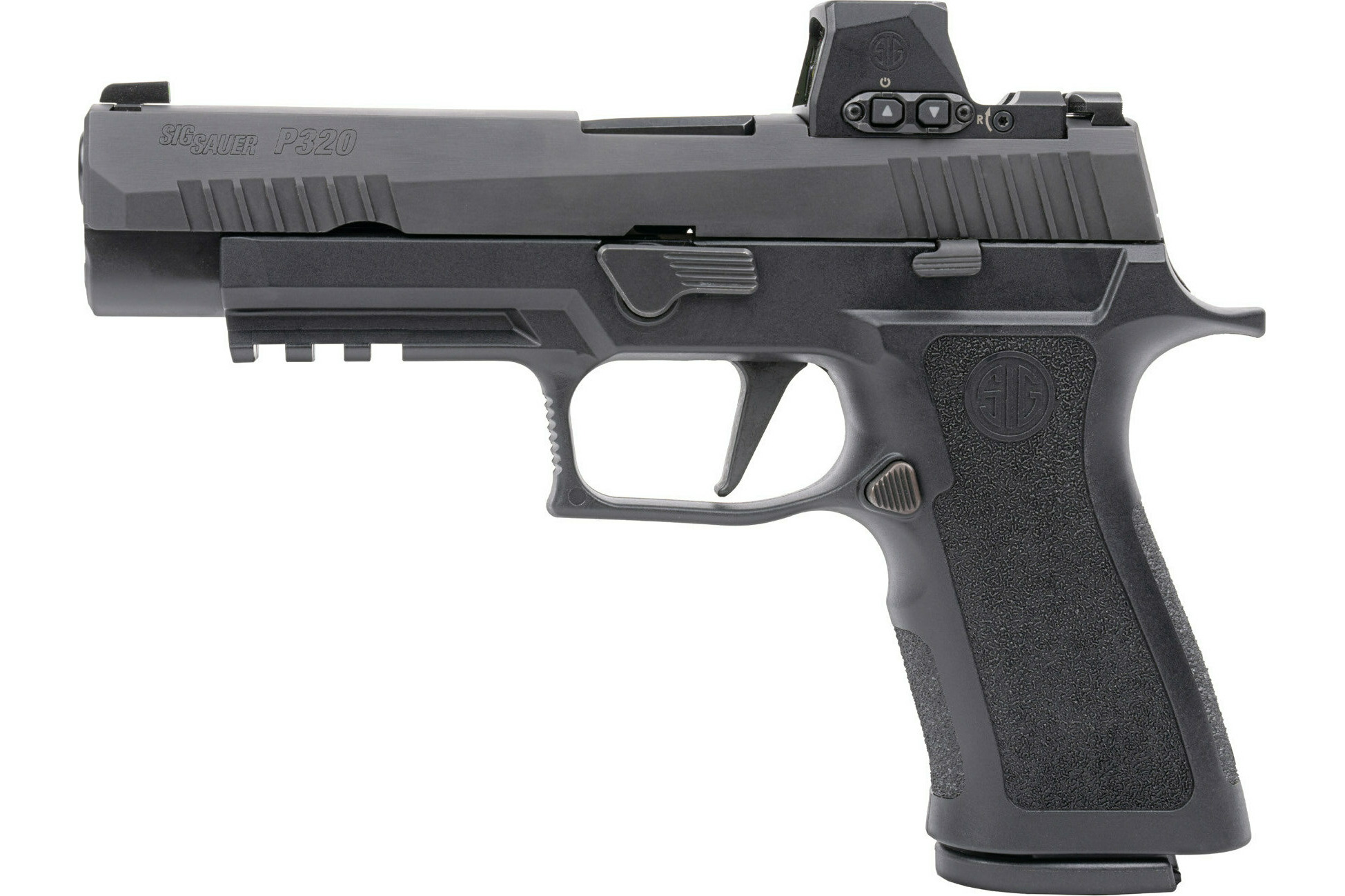
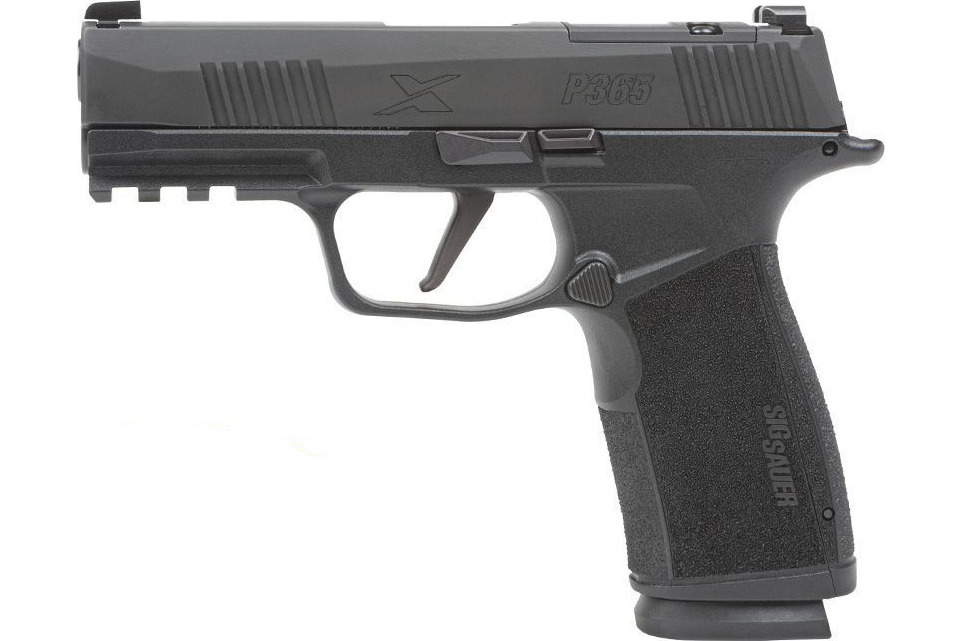
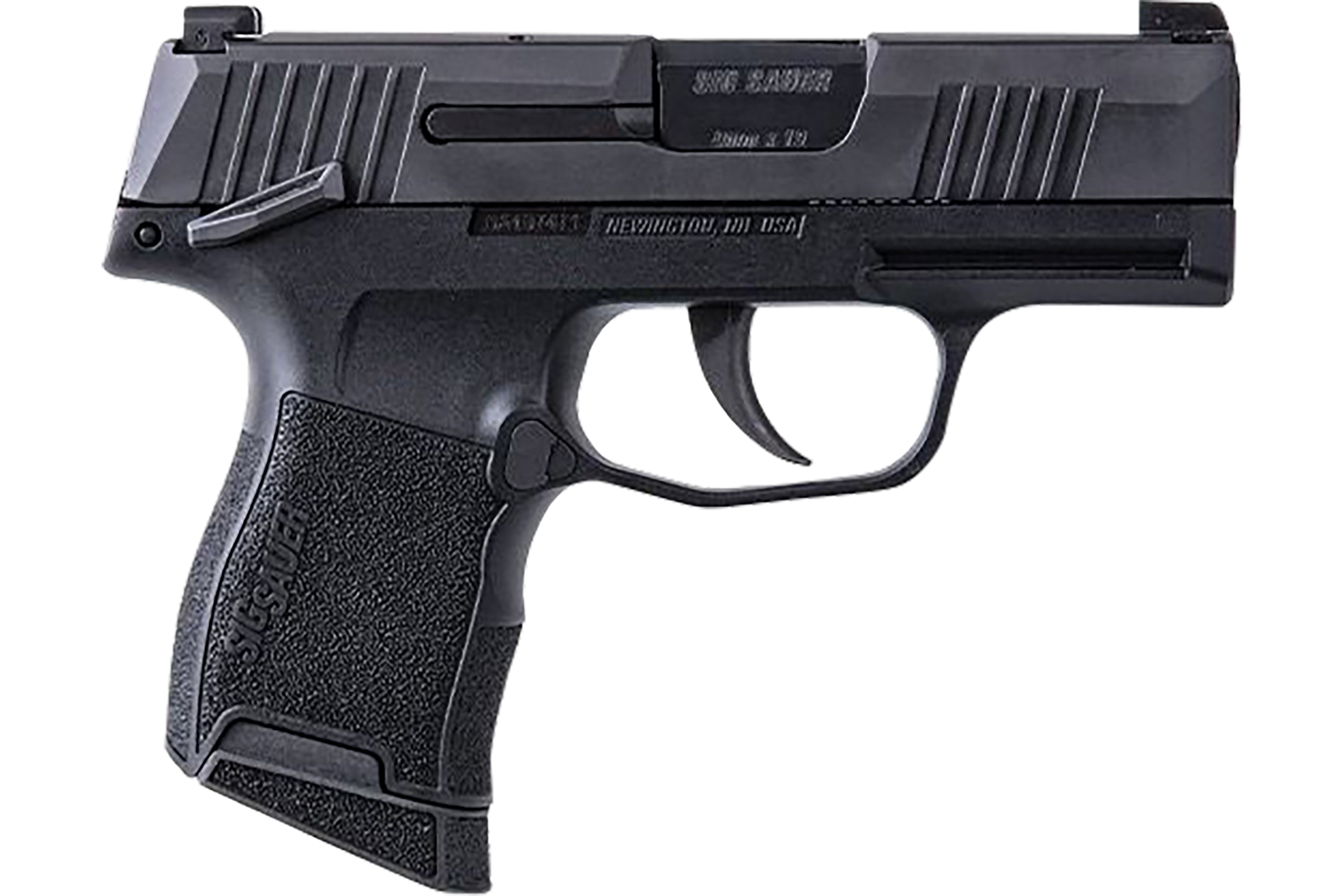
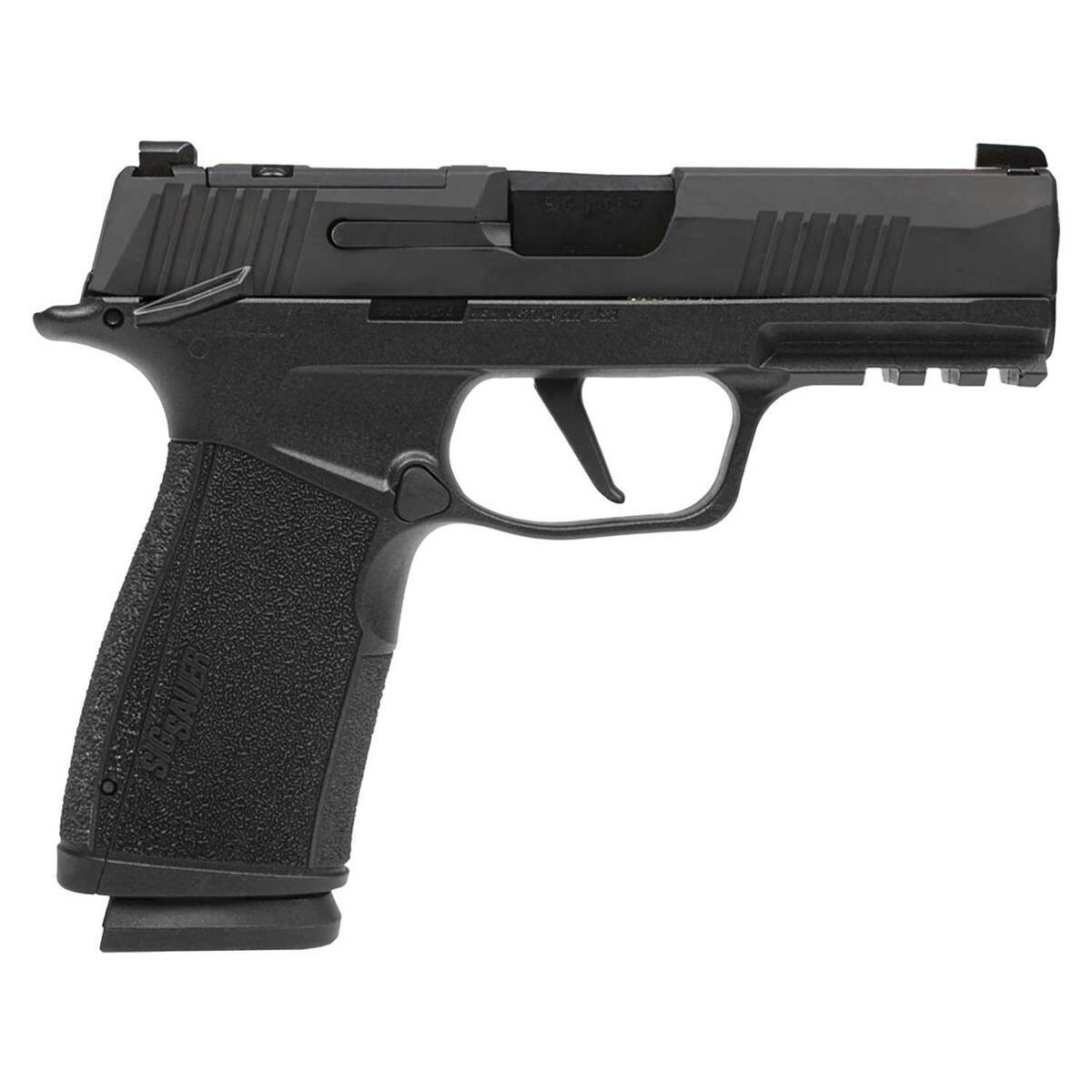
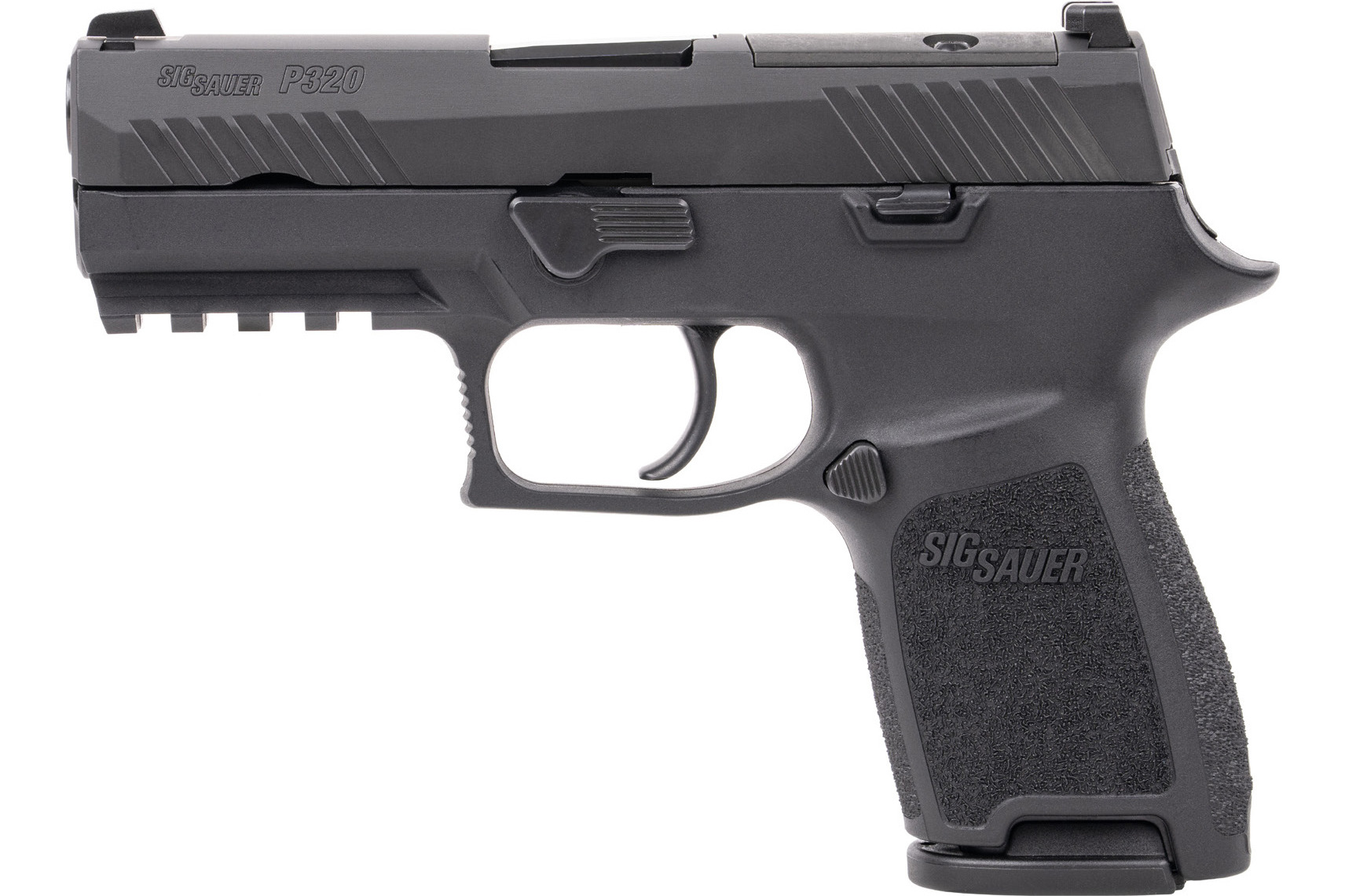
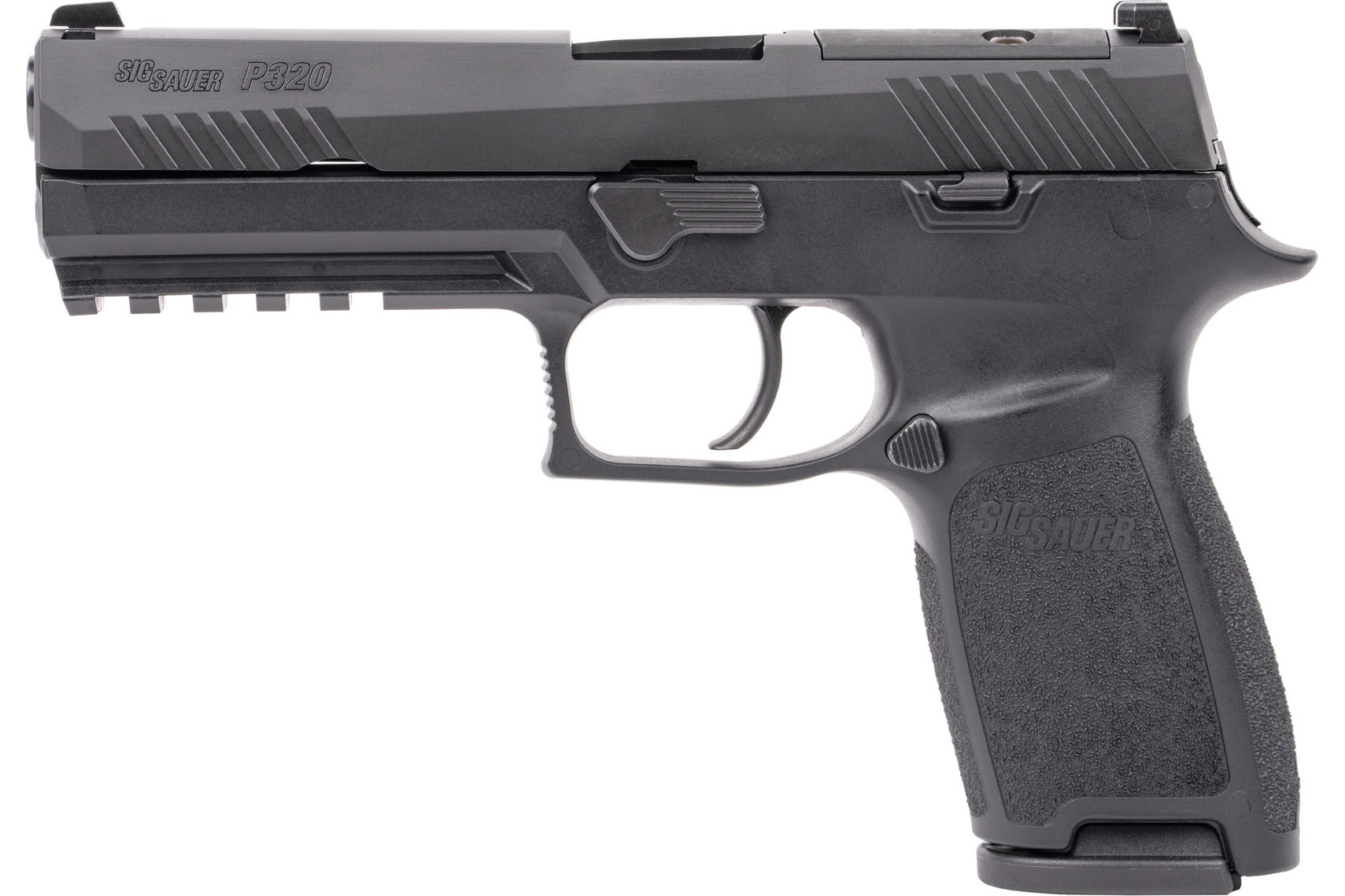
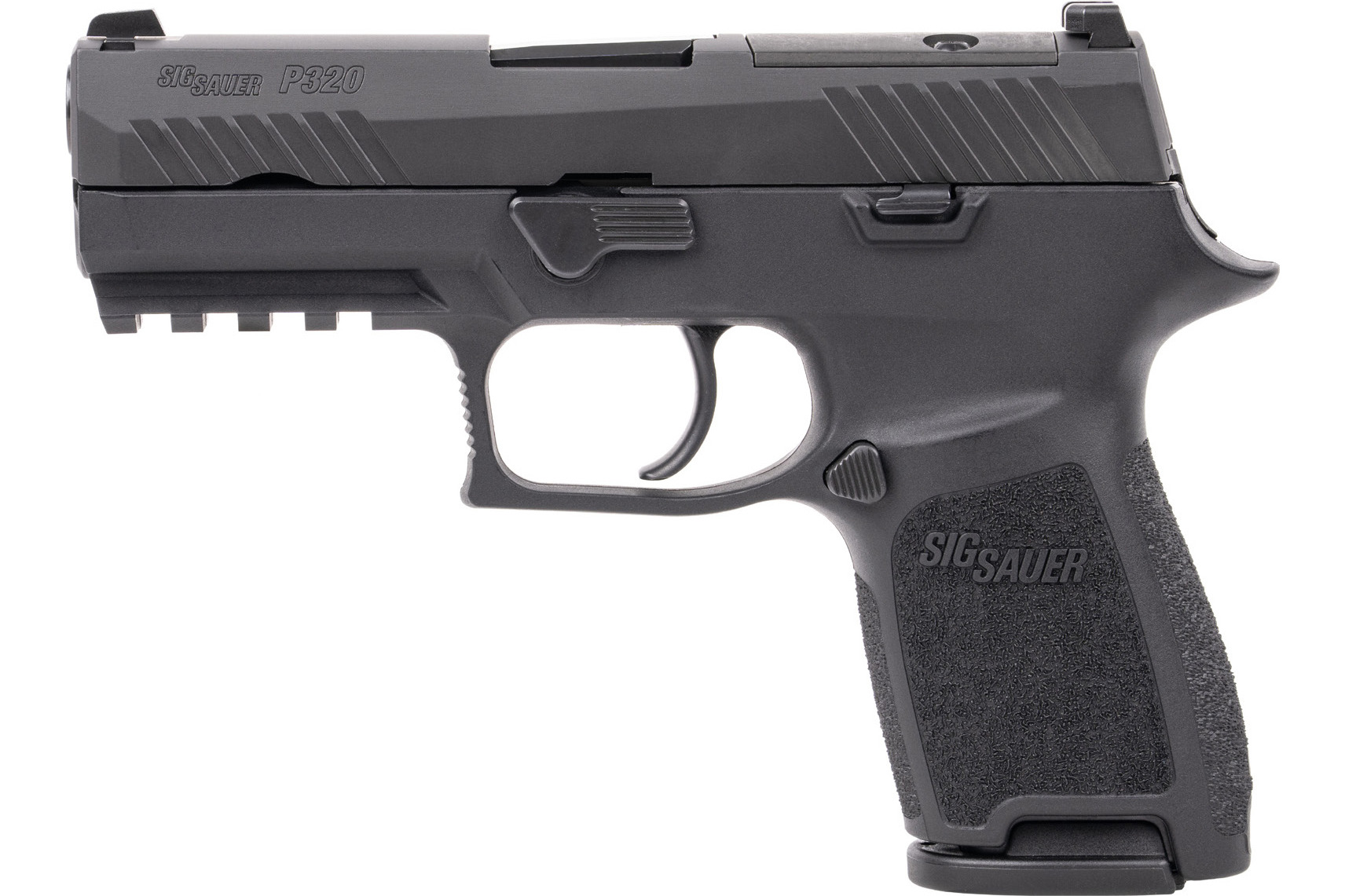
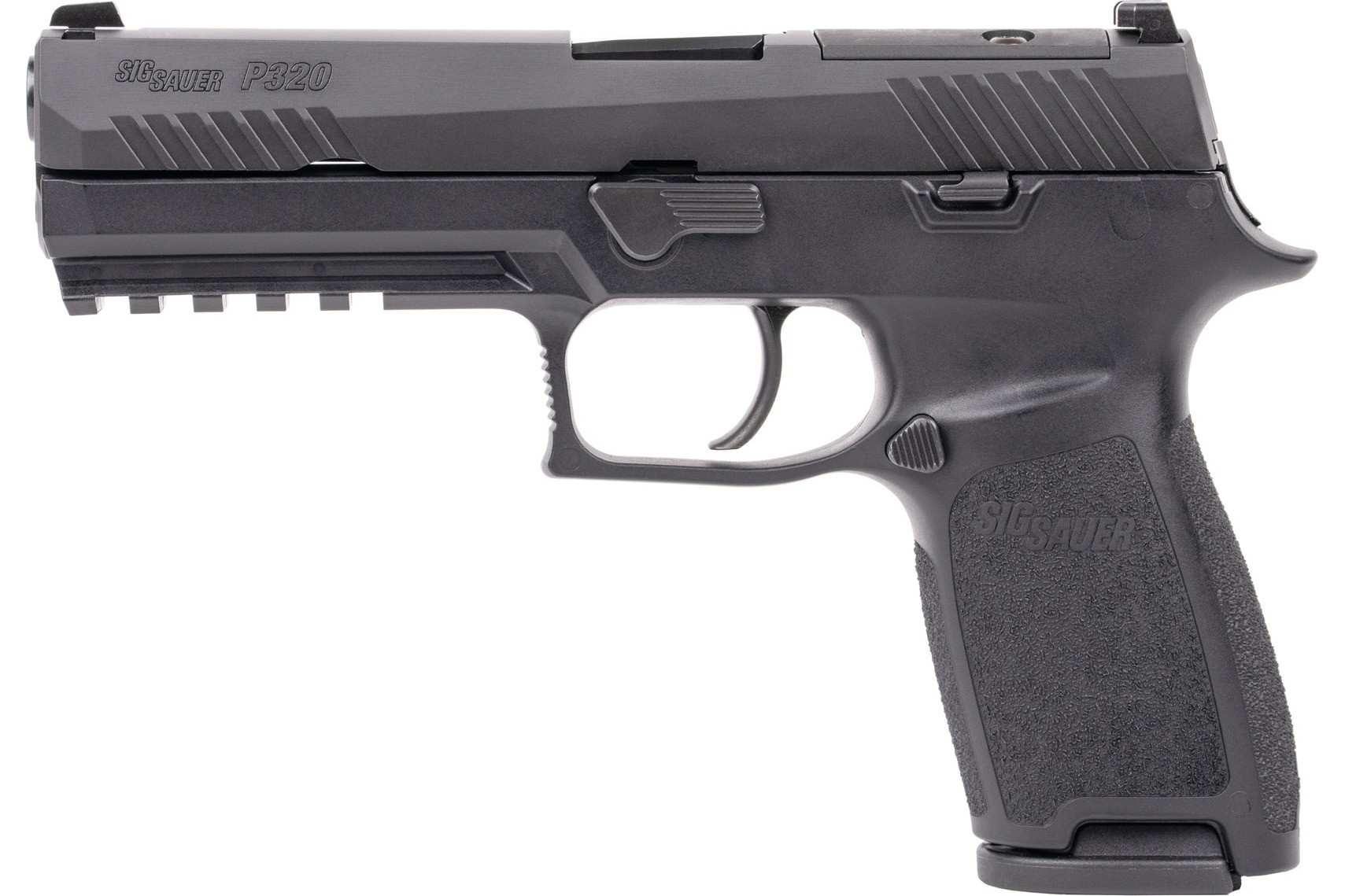
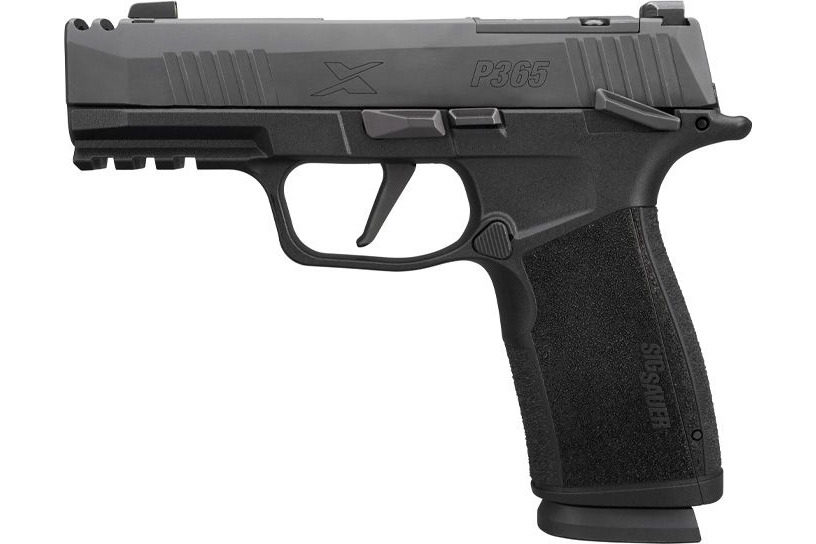
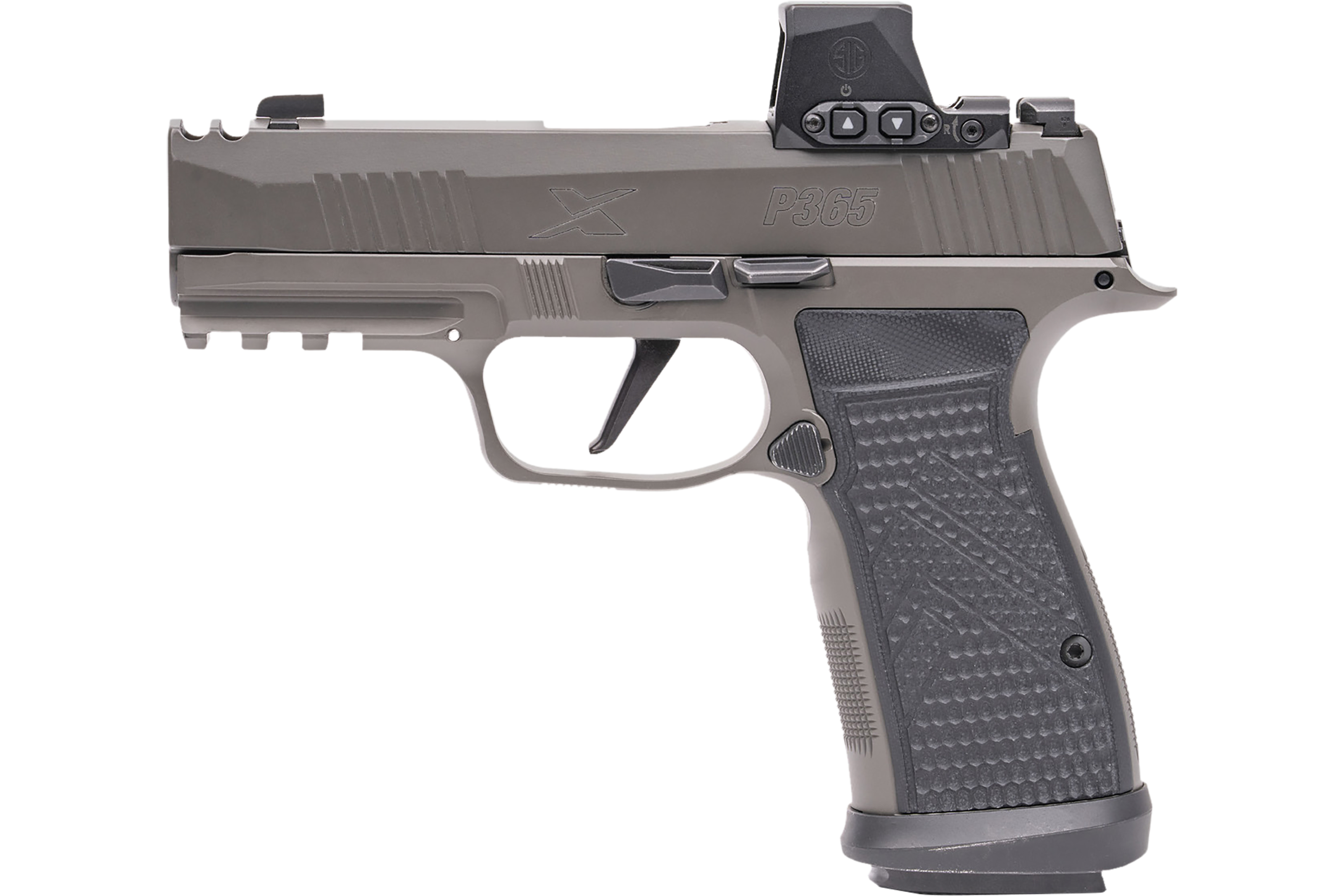
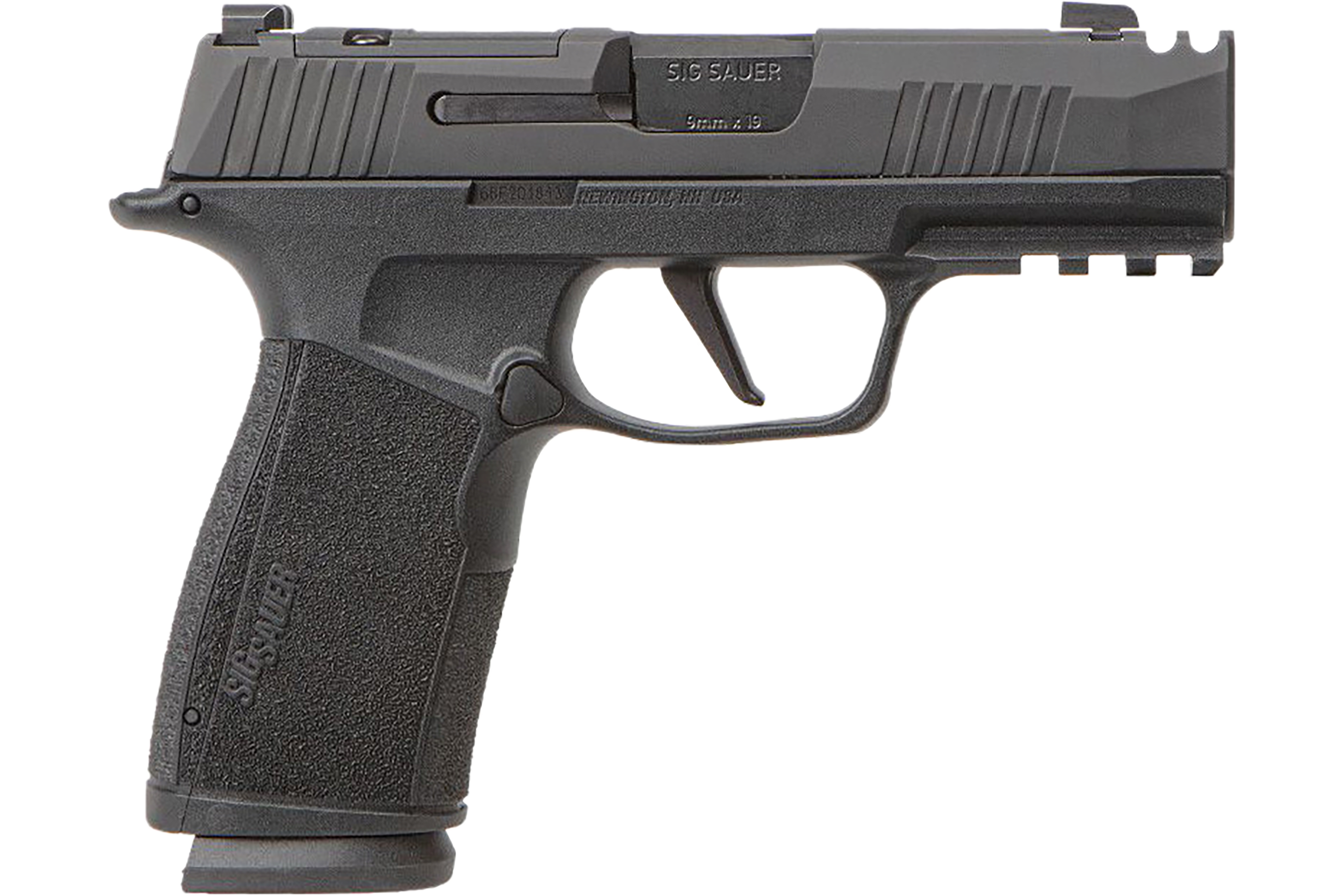
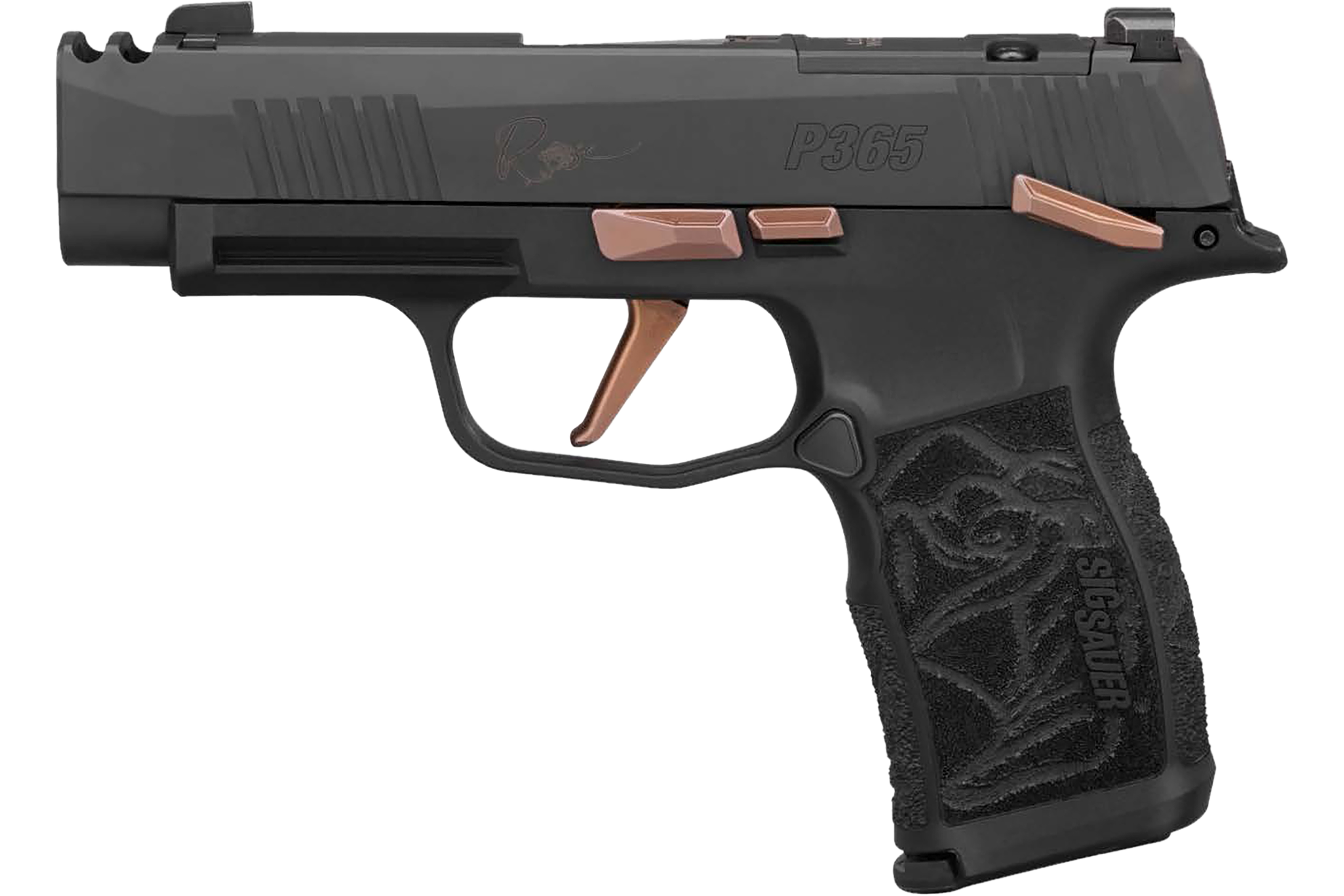
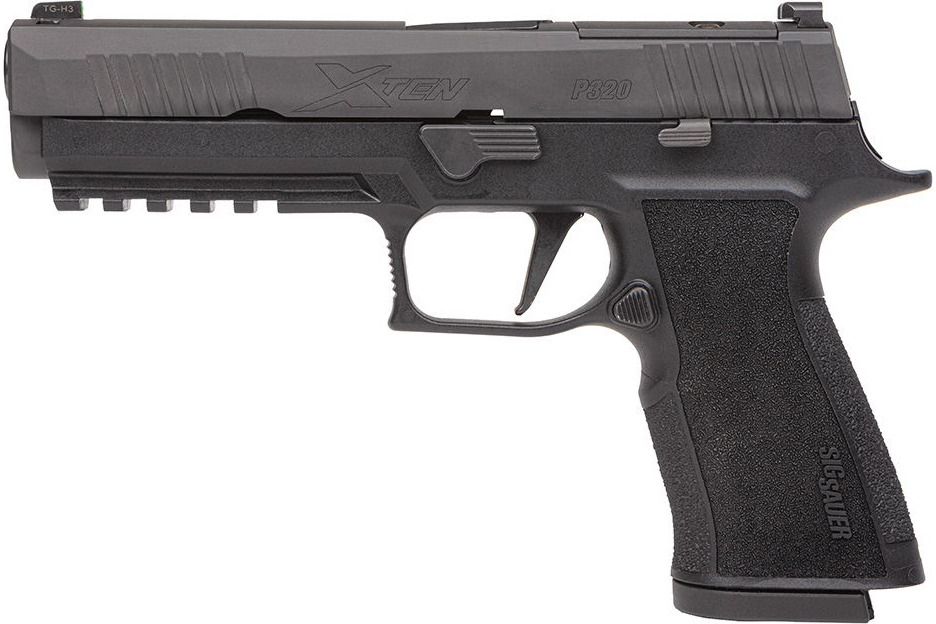
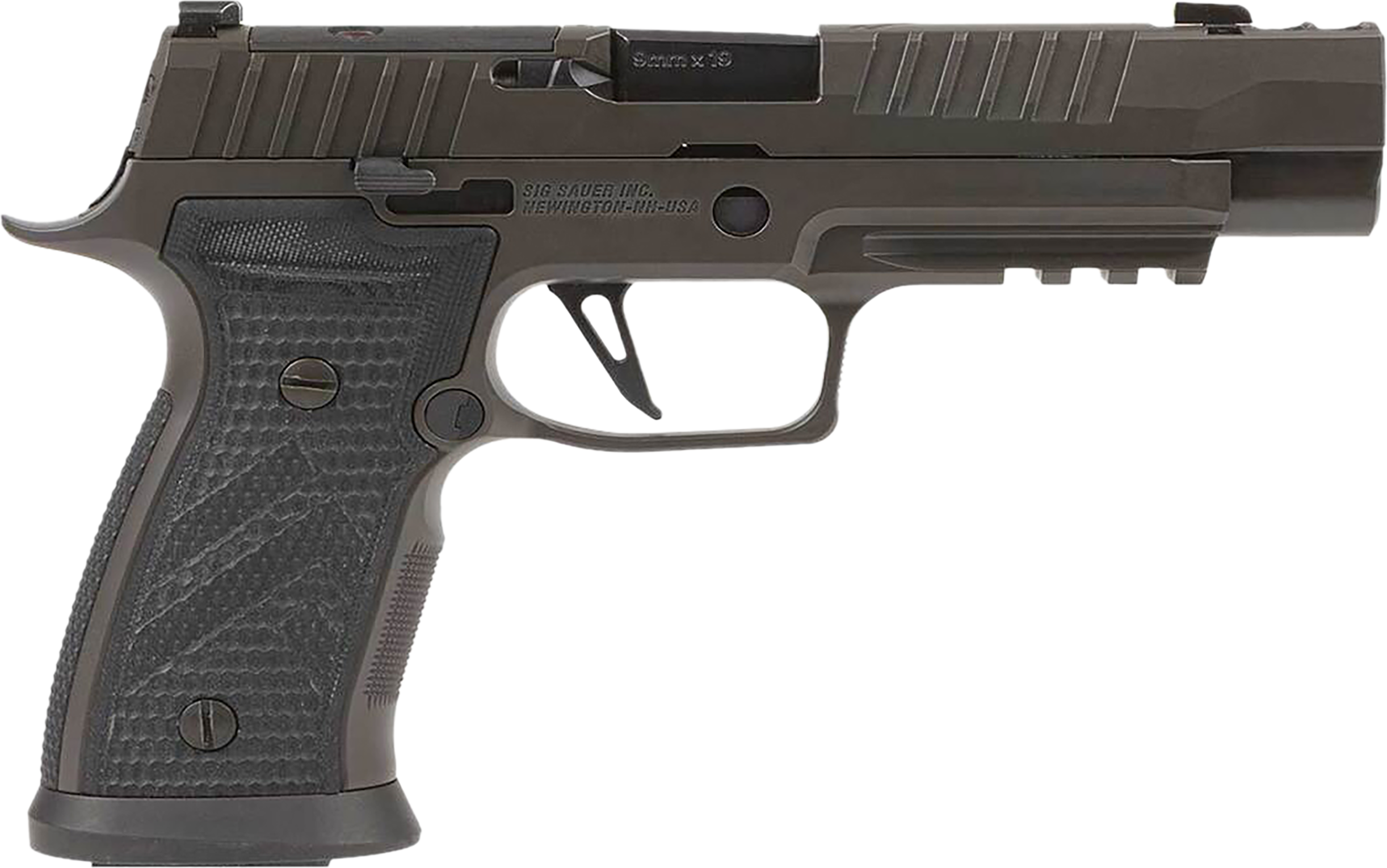
The hosts film at Take Training Range in South Carolina and focus on comparing the Sig Sauer P320 and P365 families. The P320 lineage is tied to the M17 and M18, current U.S. military sidearms, and extends into Sig’s Custom Works offerings. They highlight the P320 AXG Pro with its aluminum grip, half dust cover, and aggressive slide cuts, noting its distinct, almost sci‑fi appearance. They also reference the heavy P320 SXG model developed with competitive shooter Max Michel. In contrast, the P365 series is described as Sig’s slimmer carry line, including the P365 XMacro comp version and a standard small P365. The lineup is framed as offering a size and configuration for most hands and carry preferences, with the P365 generally viewed as a dedicated concealed carry platform.
The discussion turns to the controversy surrounding alleged drop-fire issues with the P320. The hosts acknowledge the negative reputation in some online circles but limit their comments to personal experience. One has shot various Sig pistols on the channel for about two and a half years without experiencing unintended discharges. Another mentions owning an early first-generation P320 that never received the voluntary upgrade, yet has been carried regularly in a Safariland holster without incident. They emphasize that the video is not sponsored by Sig Sauer and that they cannot confirm or deny others’ claims, only report their own results. In contrast, they note hearing virtually no widespread complaints about the P365 line, which they describe as extremely popular for concealed carry.
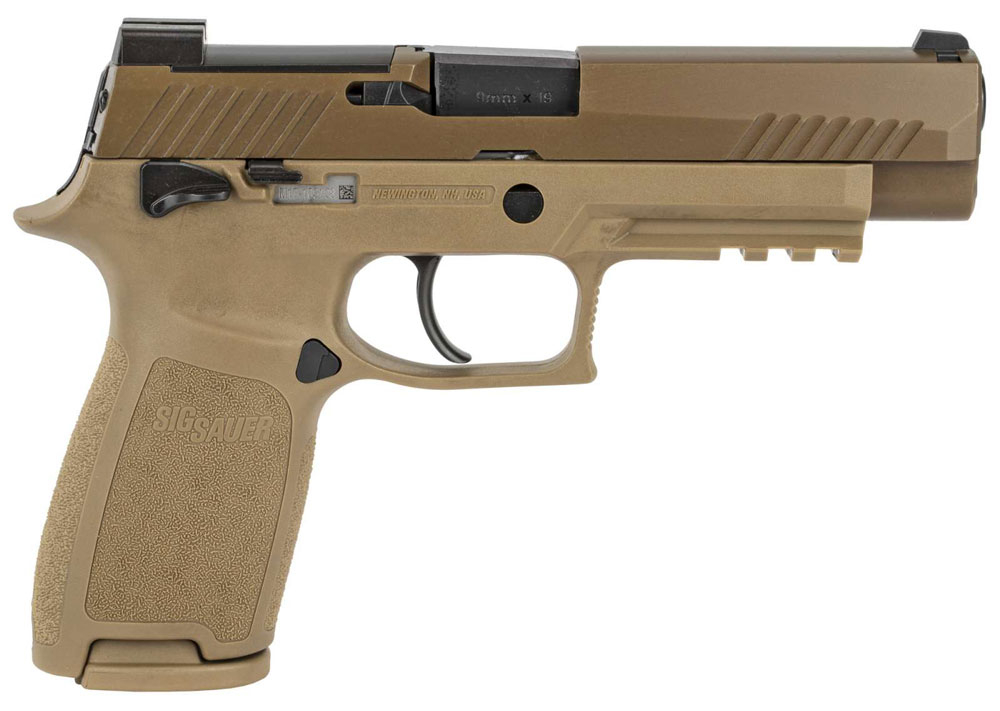
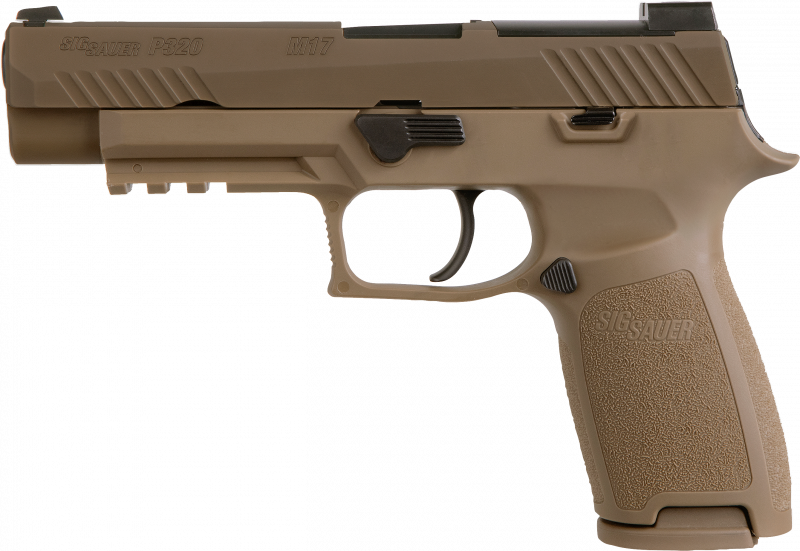
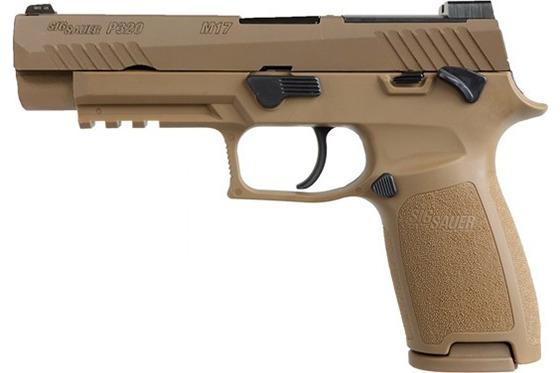
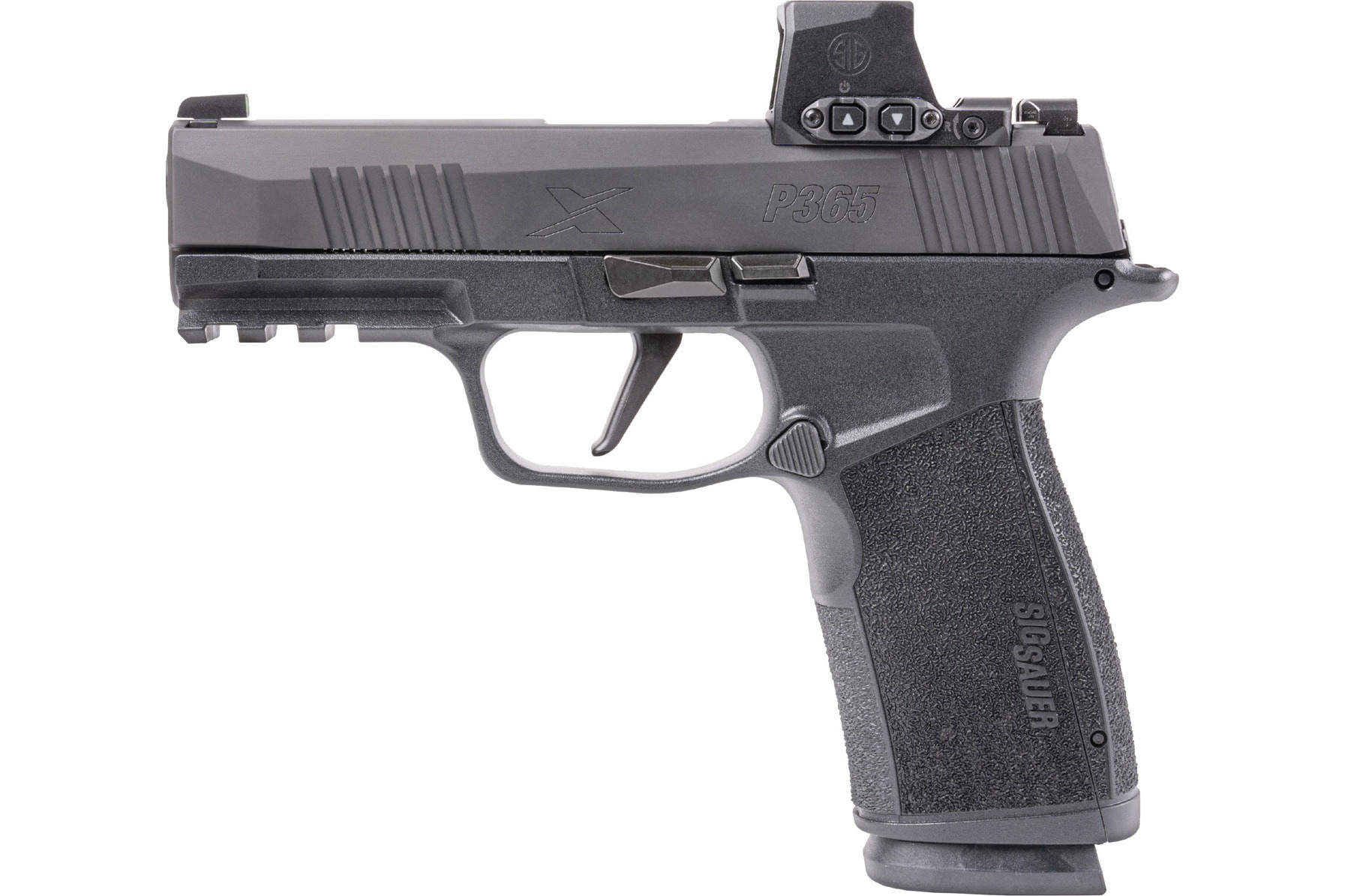
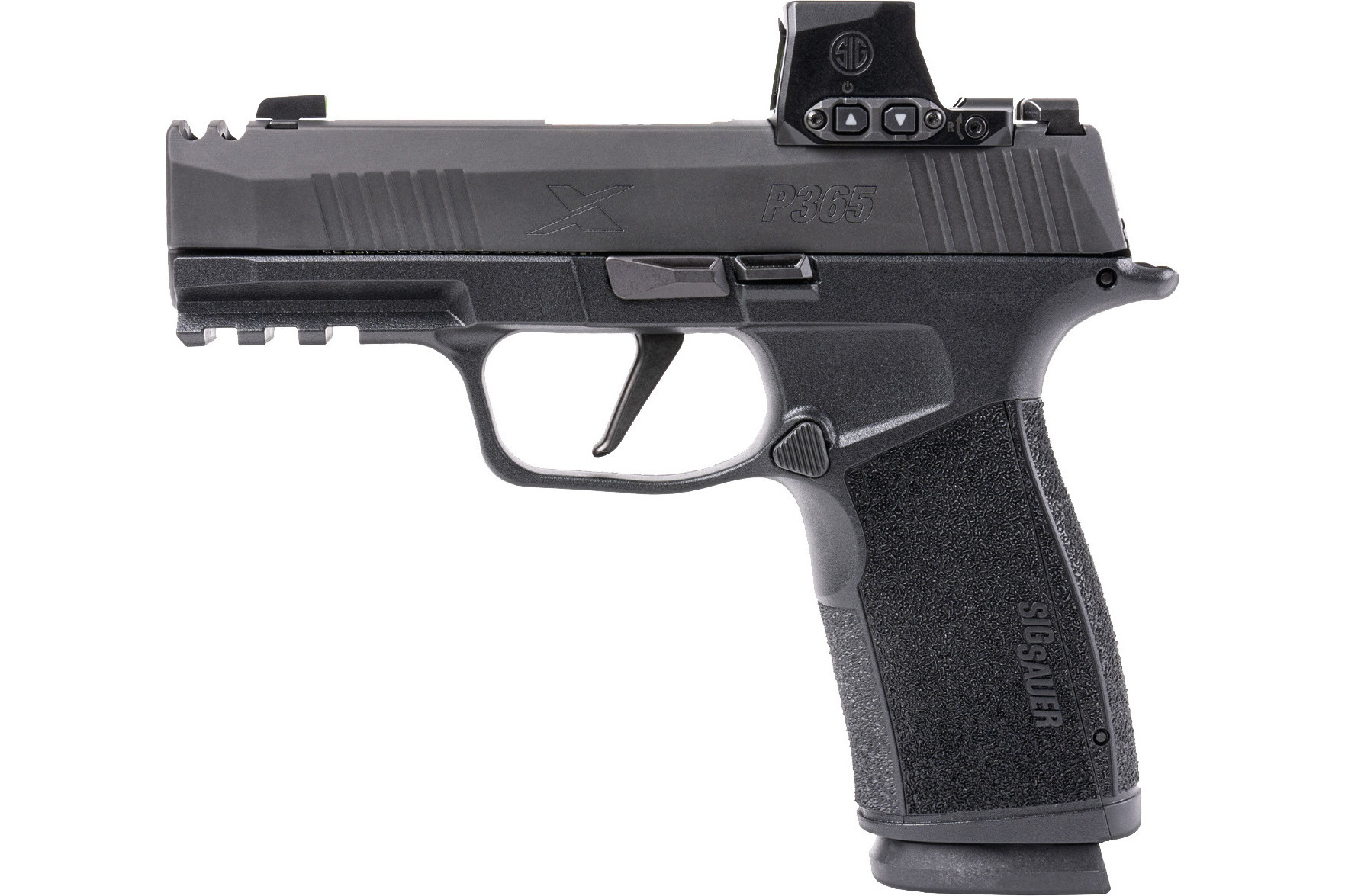
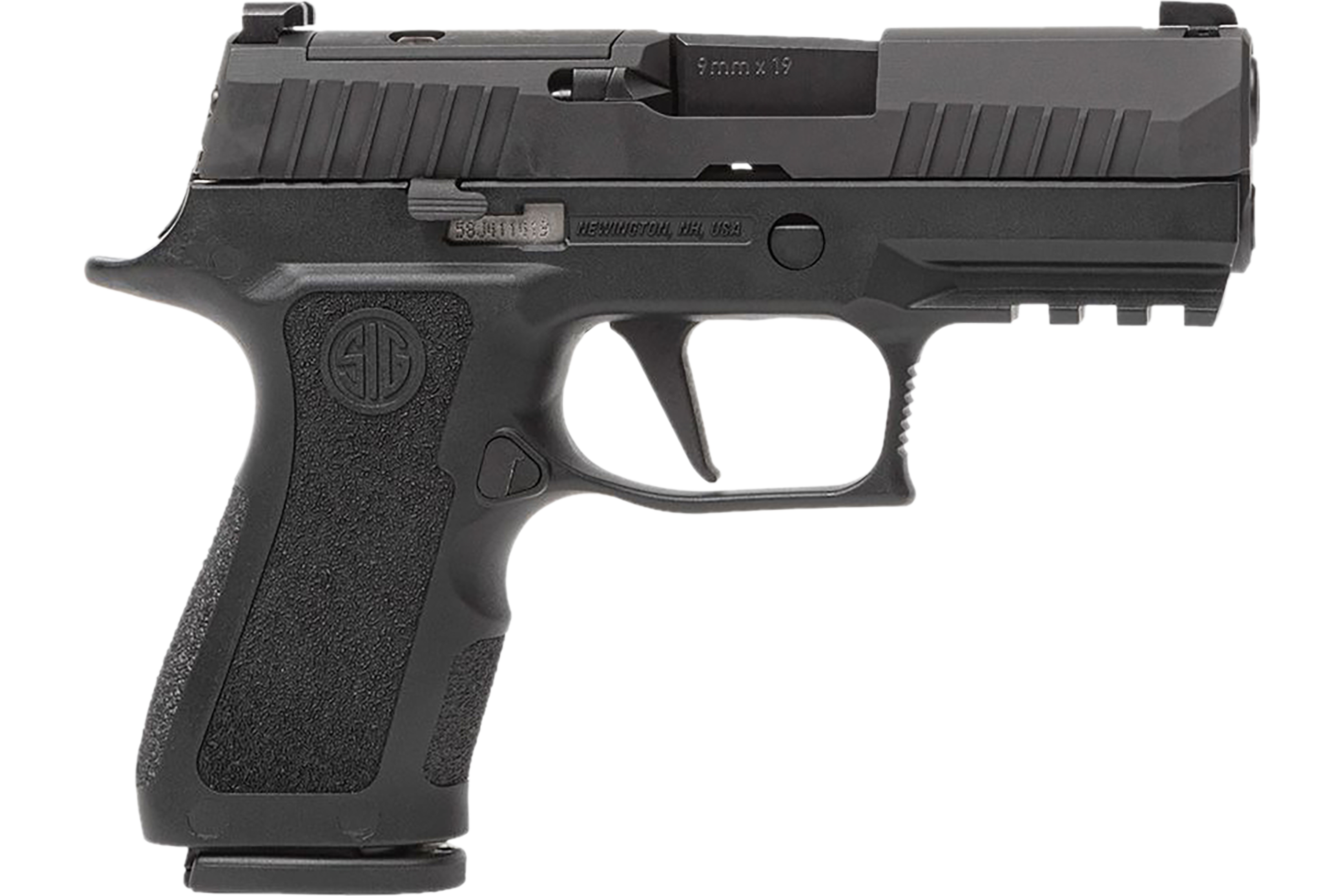
On the range, the hosts shoot a P320 and a P365 side by side, acknowledging that the comparison is not exactly apples to apples because the P365 variants are slimmer carry guns. One shooter runs a P365 XMacro style gun with a compensator and a Holosun 507 optic, while the other uses a standard M17 configured similarly to the Army’s service pistol. The M17 is described as feeling like a familiar full-size duty gun. A recurring critique is the P320 grip module, which some find too thick or “chubby” in the hand, though they note it can be swapped for an X-series grip. When switching immediately from the P365 to the P320, one shooter finds the P320 noticeably softer due to its larger size and weight, but still prefers the slimmer ergonomics of the P365-based frame.
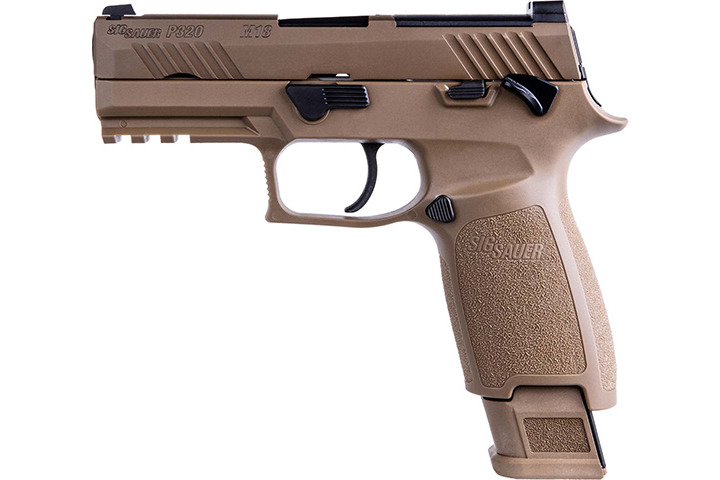
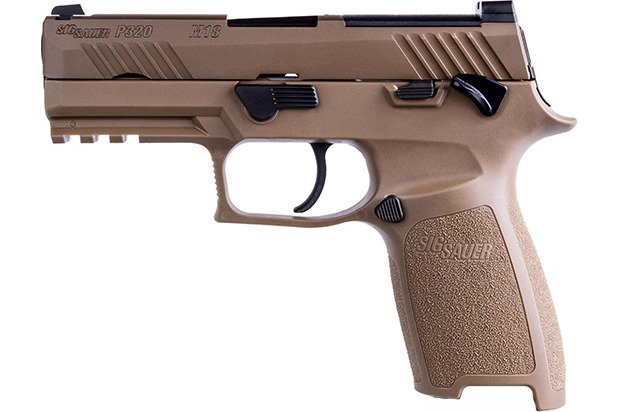
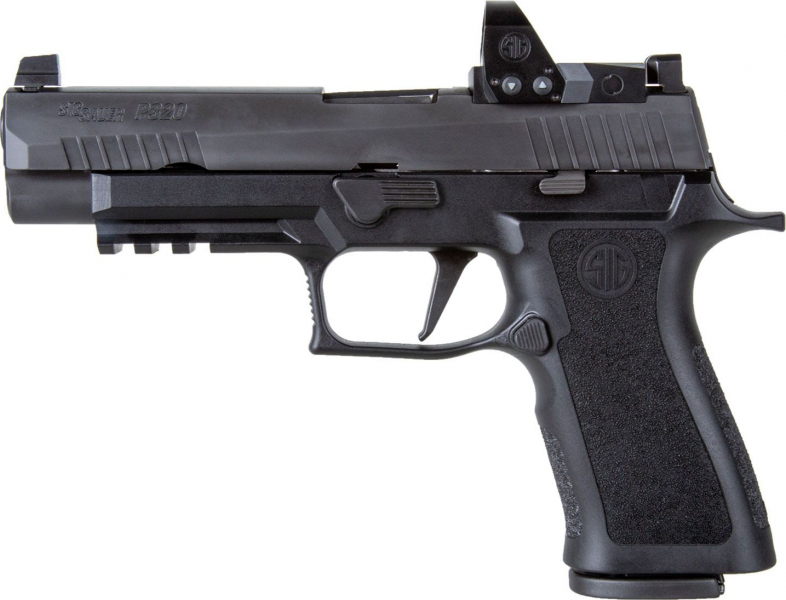
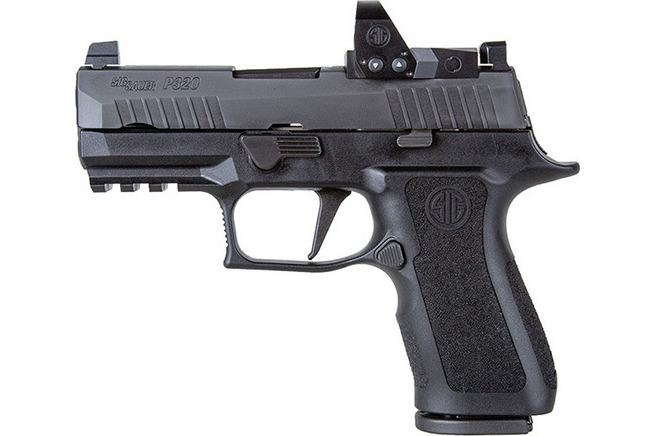
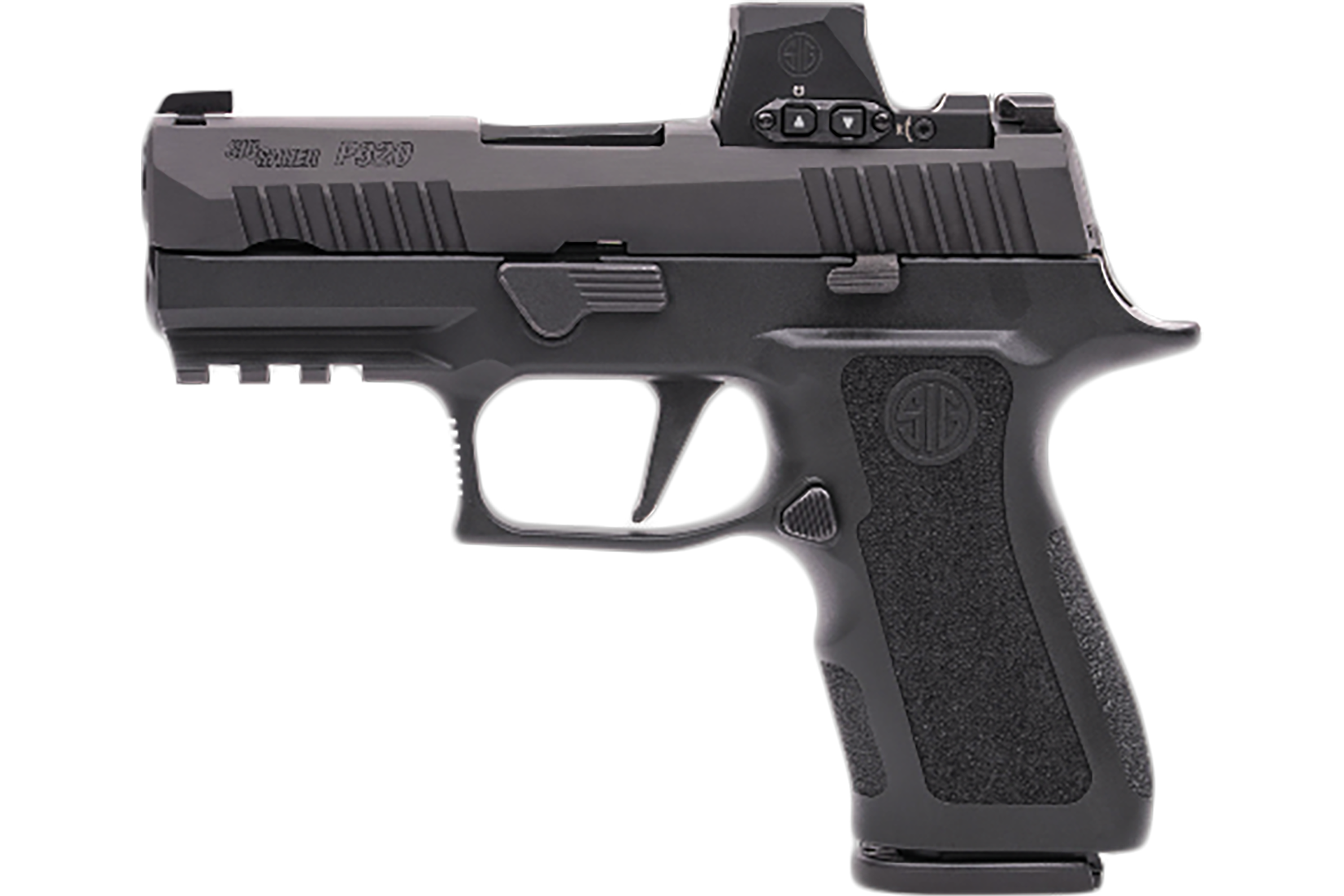
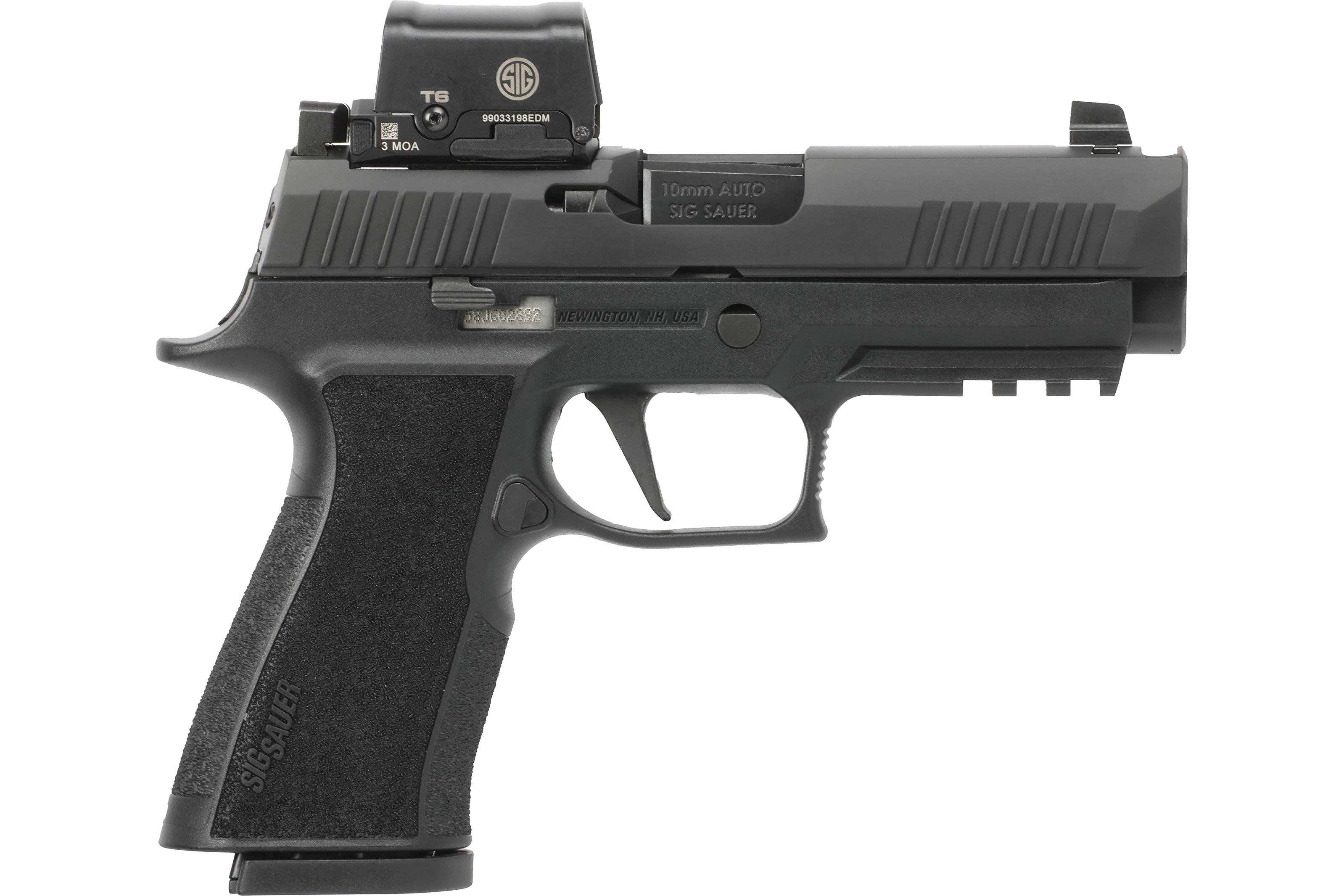
They spend time on the full-size P320, including the M17 and M18, noting that the Marine Corps uses the M18 while the Army fields the M17. The pistols’ optic mounting system, loaded chamber indicator, and finish (described as Cerakote or anodizing) are appreciated. However, the medium-size grip module on the M17 draws criticism for its overall girth, even though the texturing and stippling are acceptable. The hosts stress that the P320 is a modular platform: the fire control unit can be removed and installed into different grip modules, allowing users to change frame size and feel. Despite their ergonomic complaints, they agree the P320 is a solid shooter with manageable recoil and good performance, and they recognize that the military contract indicates broad institutional confidence in the design.
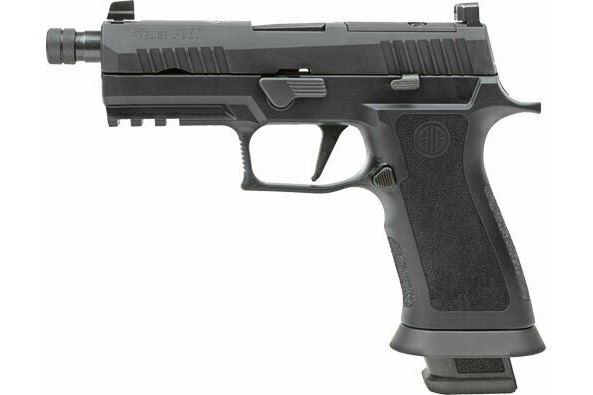
To clarify what modularity means, the hosts disassemble the pistols and show the internal chassis systems. Using a Tac Ops style P365 as an example, they display its milled fire control unit with rails at the front and rear, describing it as a more substantial, machined component. They then contrast it with the P320’s stamped-style chassis, formed by pressing metal into shape. The P365 chassis appears slimmer overall, matching the pistol’s compact profile, while the P320’s internal unit is larger and more robust. By comparing the two side by side, they illustrate how both platforms rely on removable fire control units that legally constitute the firearm, enabling grip module swaps and configuration changes without replacing the serialized core.
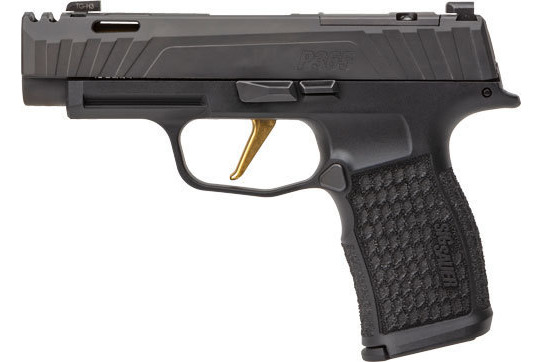
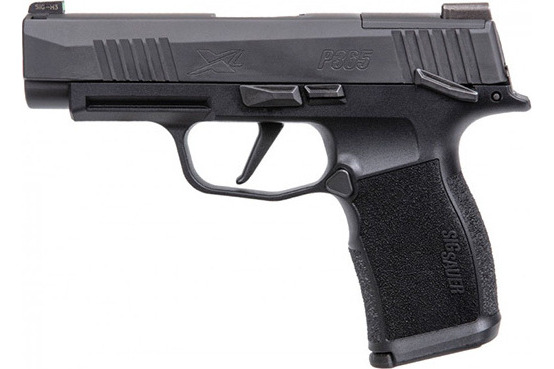
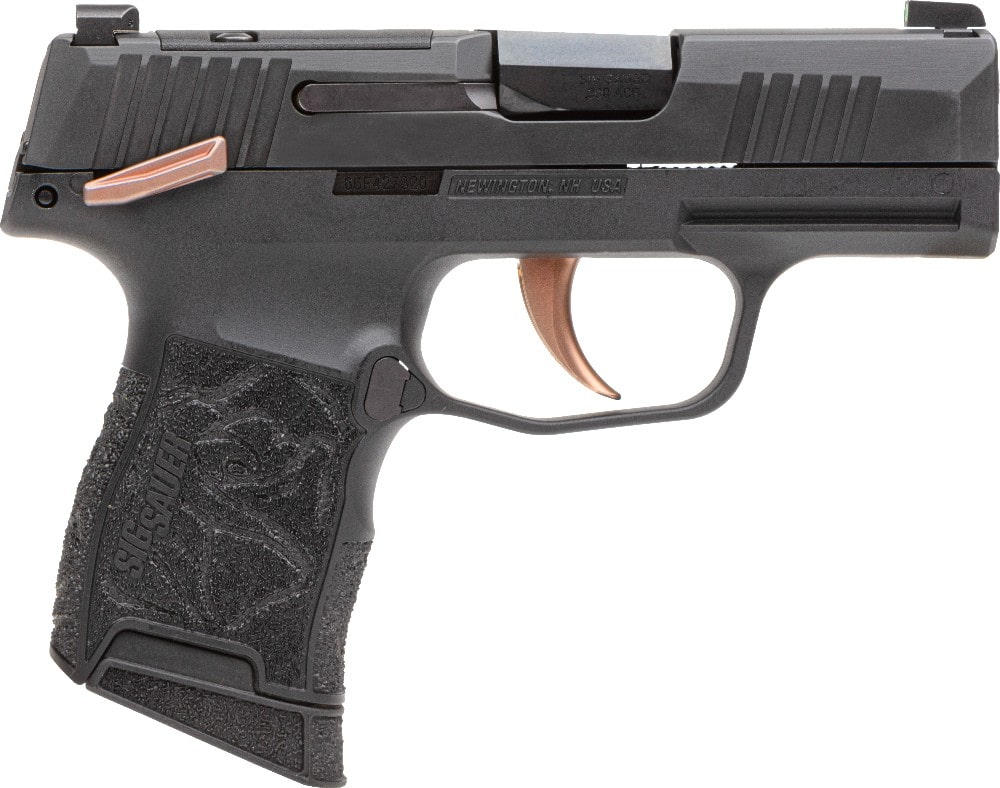
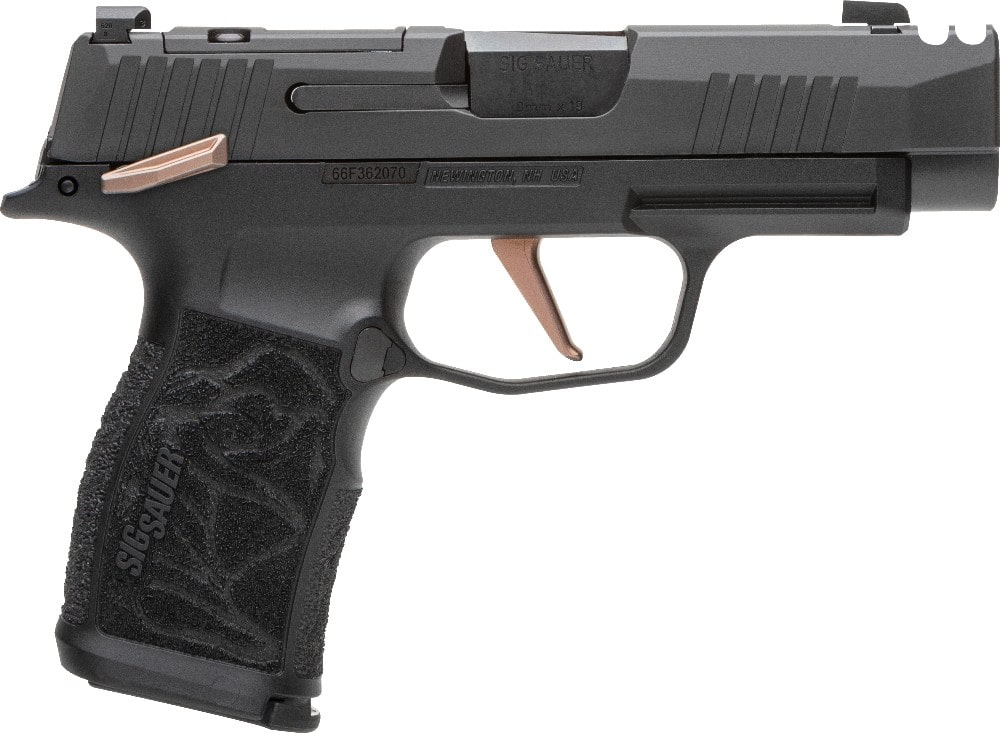
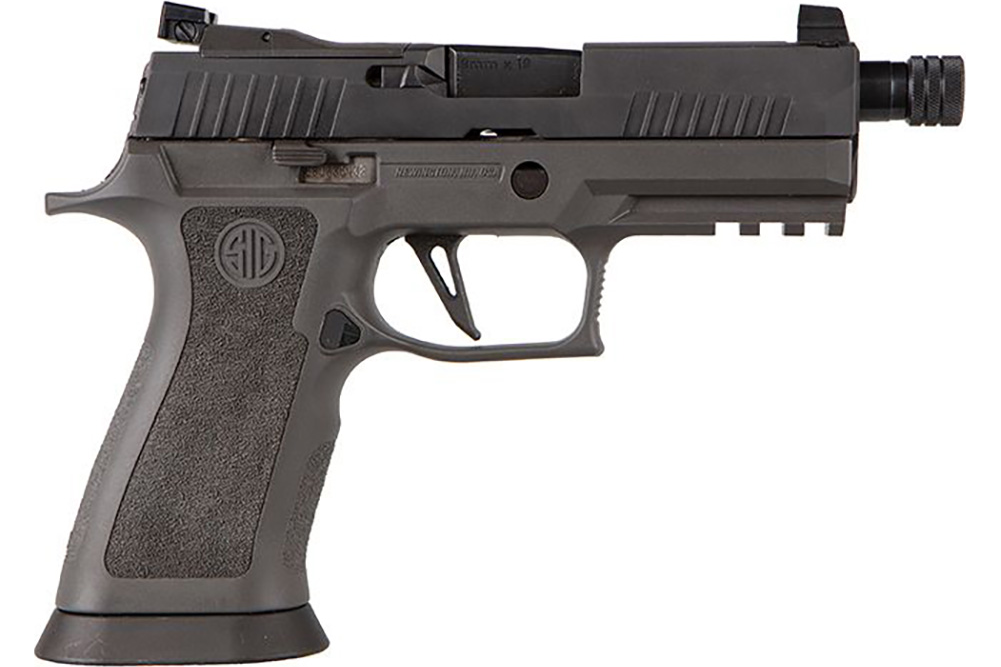
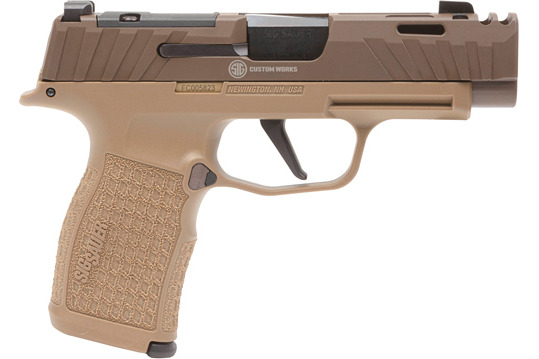
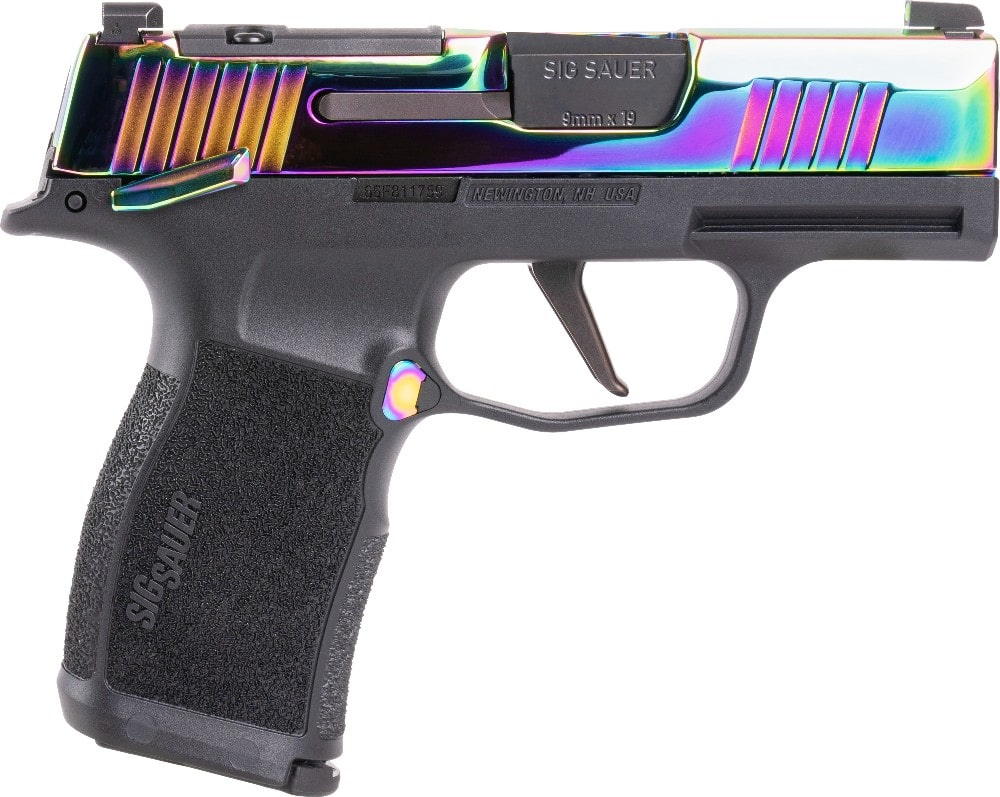
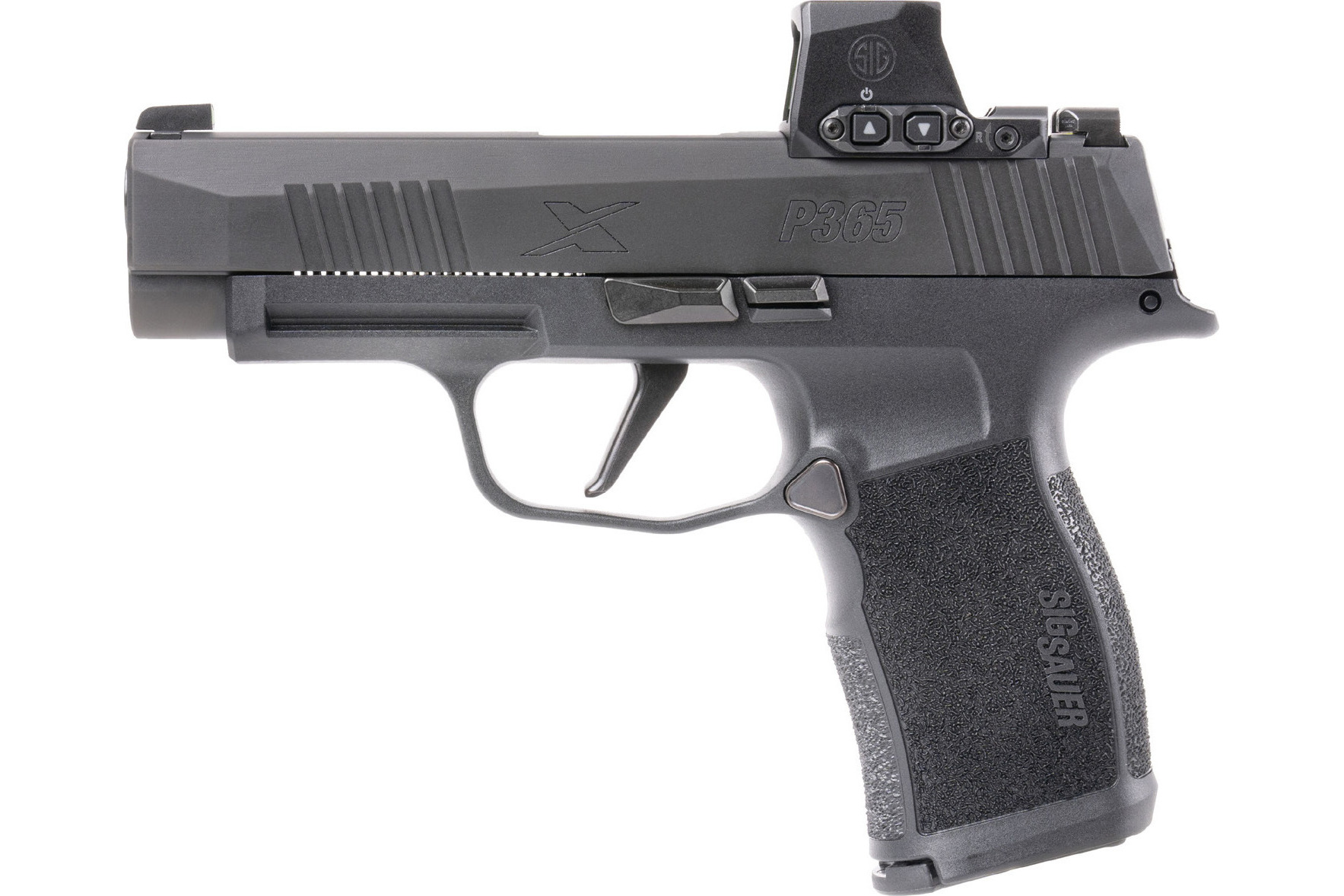
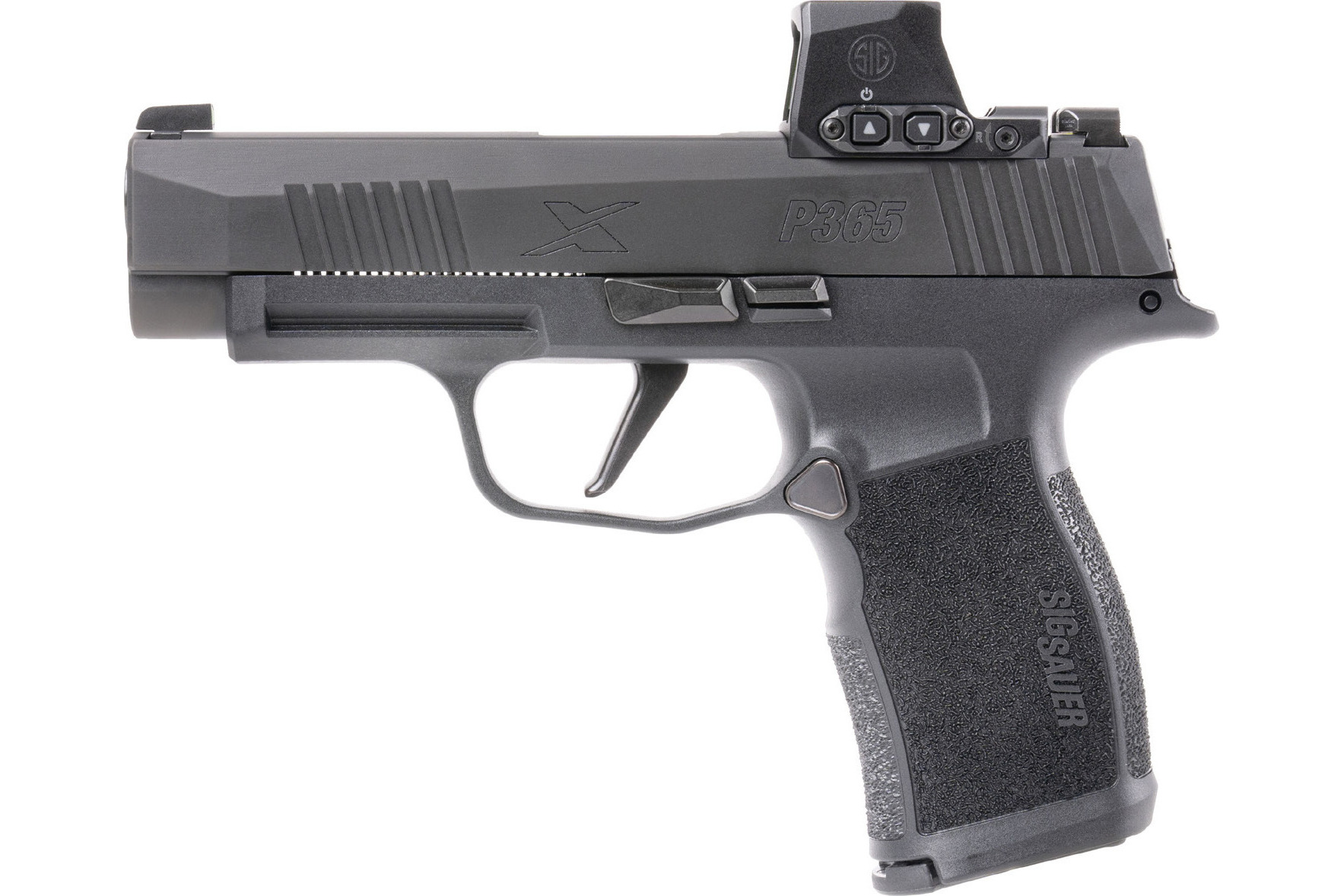
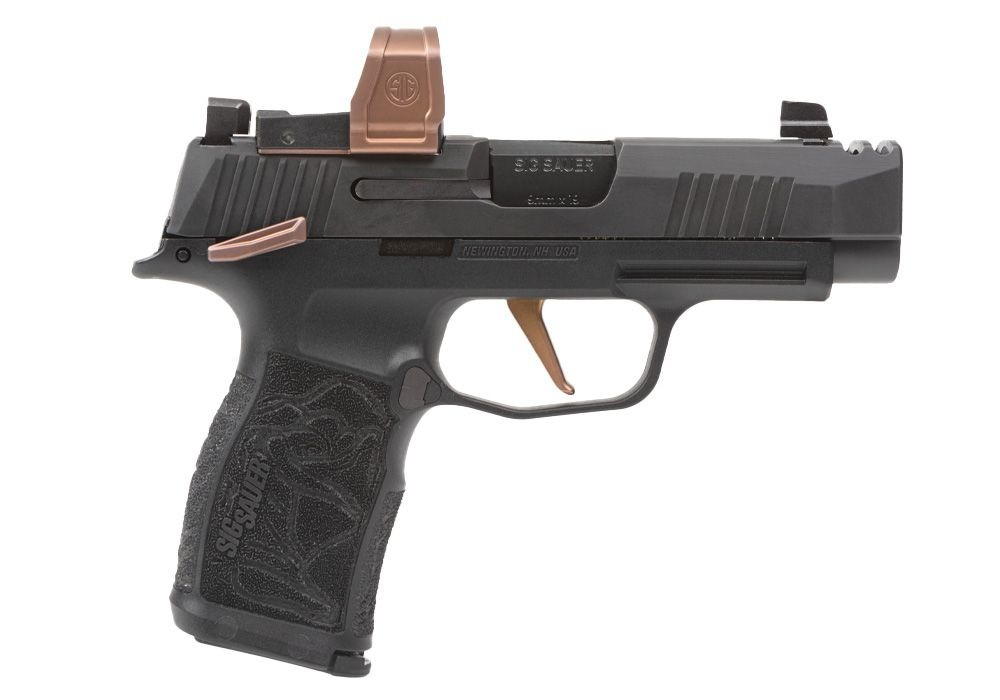
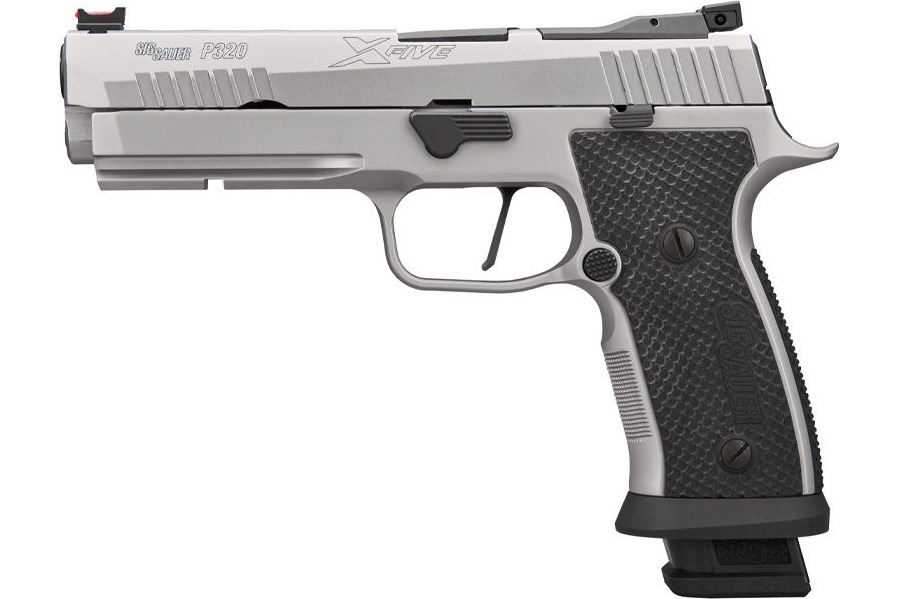
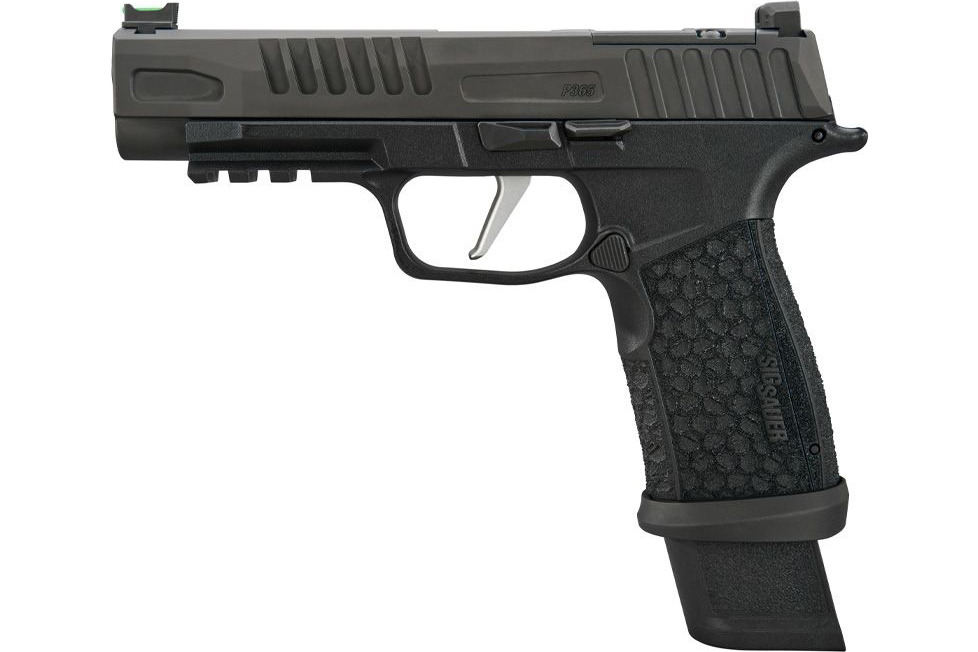
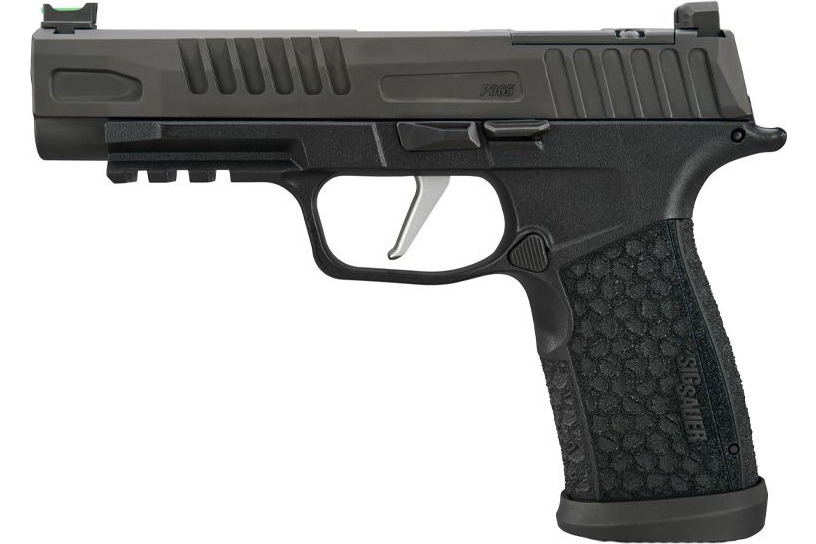
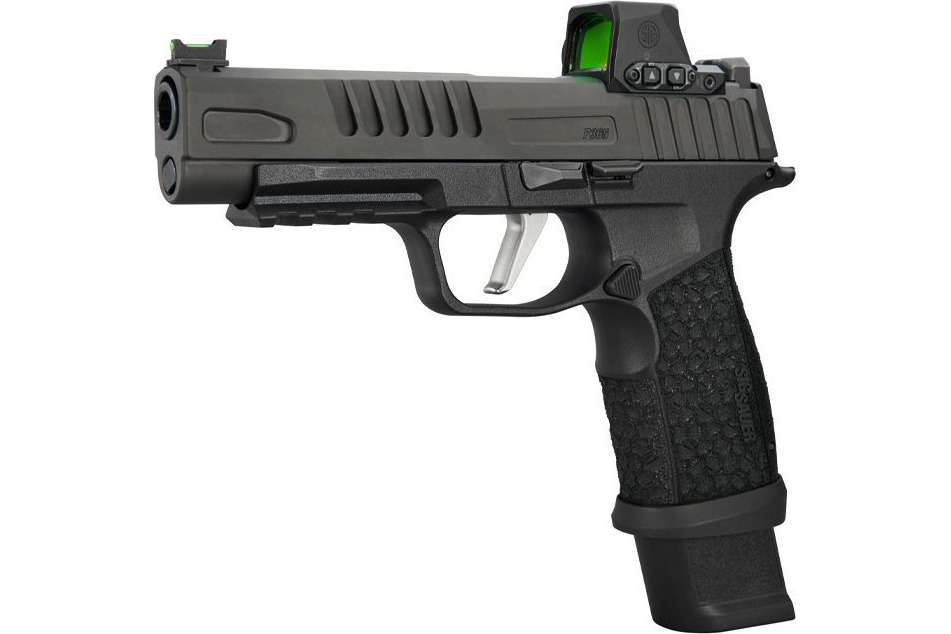
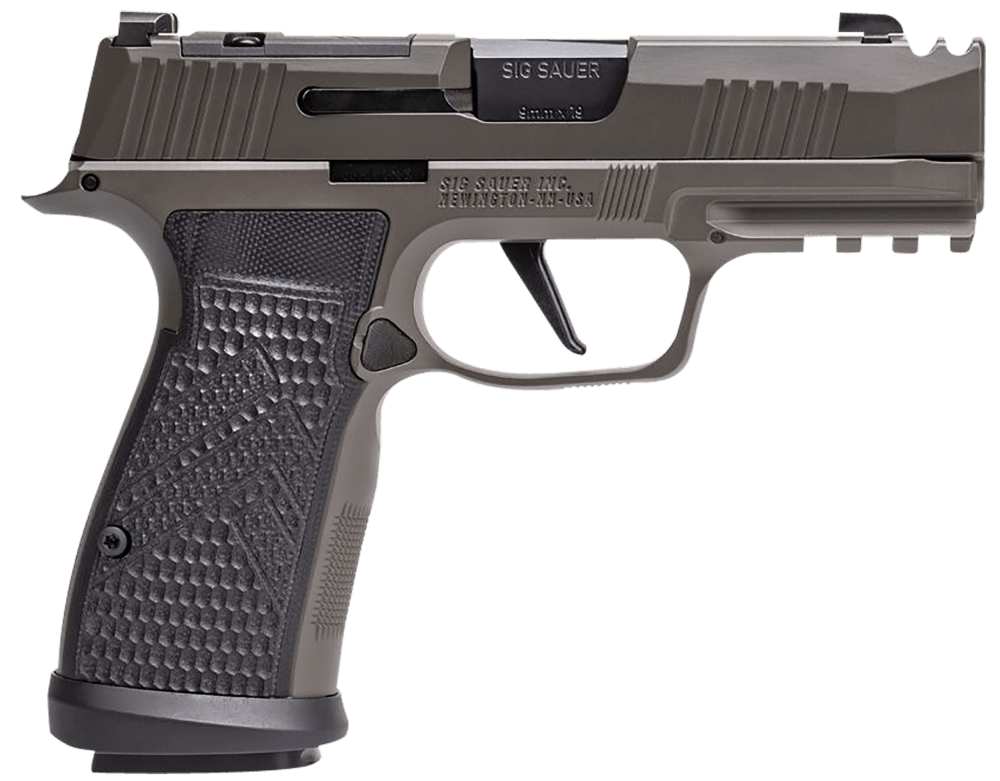
The hosts move to higher-end Sig Custom Works models, specifically the P320 AXG Pro and the P365 XL Spectre Comp. The AXG Pro is described as a more premium P320 with an aluminum grip module and distinctive styling, positioned as a step up from standard polymer-framed versions. The P365 XL Spectre Comp features a different slide finish, an integrated compensator at the front of the slide, and an upgraded trigger. It is also shown with a weapon light and an antimatter wing-style gas pedal accessory, which they note is more typical on competition pistols but is being tried here. After shooting the Spectre Comp, one host points out that the aggressive slide serrations can abrade the support-hand finger under recoil, even though the pistol itself feels soft-shooting for its size.
After firing both the P365 XL Spectre Comp and the P320 AXG Pro, the hosts compare recoil characteristics. One finds the Spectre Comp slightly snappier than the XMacro-style gun, attributing it to the smaller grip, while the other feels the opposite, perceiving less snap from the Spectre Comp. They explain that perceived recoil involves more than muzzle rise; the sensation of the slide slamming into the frame, similar to how some slides can damage optics, also matters. The XMacro’s compensator reduces muzzle rise but still feels sharp to one shooter as the slide hits the frame. The AXG Pro is praised as a very enjoyable shooter, though one host wishes for a full-length dust cover for aesthetics and potential balance, while another suggests the shortened dust cover may help reduce front-end weight and nose dip.























 Loading...