The video opens on the Take Aim Training range in South Carolina with Kai, Ryan, and Eliza introducing a special Sig MCX Rattler LT showdown. They explain that they have three people and three guns, each chambered in a different caliber: .300 Blackout, 7.62x39, and 5.56. All three rifles are described as incredibly rare and are configured identically so the only variable in the comparison is caliber. The hosts emphasize that they have not seen anyone else do this exact three-way Rattler LT comparison and that it should be a big, exciting test. Before any shooting starts, they decide that each person will represent one caliber as their “team,” turning the technical comparison into a friendly competition among the three shooters.
As they handle the rifles, the hosts point out that many viewers are probably already familiar with the .300 Blackout Rattler, but the 5.56 and 7.62x39 versions are far harder to find. Kai notes that some people at home are likely drooling over the two non-standard calibers because of how uncommon they are. The group reiterates that these particular Rattler LTs are not typical commercial offerings and that having all three calibers together on the same range day is unusual. This rarity is part of what makes the video special, since it lets viewers see side-by-side performance from configurations that most shooters will only ever hear about.
The conversation shifts to the background of these uncommon configurations, especially the 7.62x39 model. Ryan explains that this version traces back to the Razer program and to specific European units that operate in regions where 7.62x39 is the dominant cartridge. Those units wanted a familiar modern weapon system that could still use the locally prevalent caliber, allowing them to blend in logistically and visually while taking advantage of regional ammunition. The hosts describe this as a way to avoid leaving an obvious NATO footprint in certain areas. They gesture to the 7.62x39 and 5.56 Rattler LTs on the table and emphasize that these are direct descendants of that specialized requirement, now appearing in a rare civilian-accessible form.
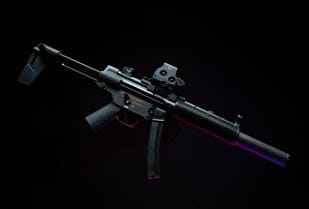
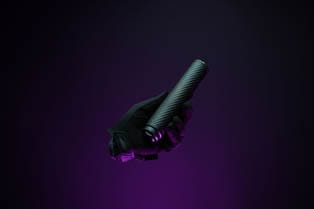
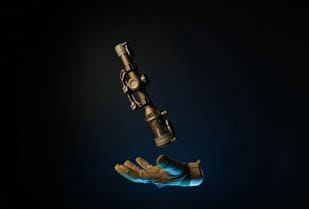
To keep the showdown fair, the hosts walk through how each MCX Rattler LT has been set up. All three rifles are equipped with HuxWrx (Hux Works) Ventum suppressors, with a 5.56 Ventum can on the 5.56 gun and appropriately sized Ventum models on the 7.62x39 and .300 Blackout rifles. On top, each Rattler wears a Sig Sauer Romeo 8T red dot optic mounted on a Unity Tactical riser. Kai gives shout-outs to Lincoln at HuxWrx, Max and Morgan at Sig, and Hai at Unity for helping provide the gear, while clarifying that the video itself is not sponsored. The point of this standardized setup is to create an apples-to-apples comparison where recoil, blast, and handling differences come from caliber choice rather than from different accessories or configurations.
The hosts explain that the core of the comparison will be ballistic gel testing with each caliber fired from the same short-barreled Rattler LT platform. They outline that they will be using .300 Blackout in both supersonic and subsonic loads, along with 7.62x39 and a 55-grain .223/5.56 load. All shots will be taken from the same distance into gel blocks so viewers can see how bullet weight and velocity affect the internal track and depth of travel. The goal is to show how each cartridge behaves when launched from a compact, suppressed carbine rather than from a full-length rifle, giving a realistic picture of performance in the kind of configuration many people actually run on an MCX Rattler LT.
When the 7.62x39 Rattler LT is fired into the ballistic gel, the hosts focus on how the classic intermediate cartridge behaves from the short, suppressed barrel. They observe the size and shape of the temporary cavity and the permanent track left in the block, commenting on how the heavier, larger-diameter projectile drives through the medium. They note any visible yaw or tumbling as the bullet travels and discuss how the cartridge maintains its reputation for strong penetration even when velocity is reduced by the compact platform. The segment encourages viewers to think about how this performance might translate to roles that prioritize barrier performance or general-purpose use in environments where 7.62x39 is common.
Next, the 5.56 Rattler LT is tested with a 55-grain .223/5.56 load. The hosts pay close attention to how the lighter, faster bullet behaves from the short barrel, especially in terms of early yaw and fragmentation. They examine the gel block for a narrower but more violently disrupted track and compare the overall depth of travel to what they saw with 7.62x39. The discussion touches on how barrel length and resulting velocity can influence 5.56 effectiveness, raising questions about ideal engagement distances and ammunition selection when using this cartridge in ultra-compact platforms like the MCX Rattler LT.
The hosts then move to the .300 Blackout Rattler LT loaded with supersonic ammunition. They fire into the gel and analyze how the heavier .30-caliber bullets behave at higher speeds from the short barrel. The resulting track is compared to both 5.56 and 7.62x39, with attention paid to the width of the disrupted area, any expansion or fragmentation, and the overall depth of travel. They frame .300 Blackout as a cartridge designed to perform well from short barrels, and they discuss how the supersonic loads seem to bridge the gap between the lighter 5.56 and the traditional 7.62x39 in terms of energy delivery and controllability in a compact, suppressed carbine.
Switching to subsonic .300 Blackout, the hosts demonstrate the quiet, heavily suppressed role that many shooters associate with this cartridge. They note the dramatic reduction in report when firing and then study the gel blocks to see how the slower, heavy bullets behave. The track often shows deeper, more controlled travel with less violent disruption than the supersonic loads. The presenters look for signs of expansion versus simple straight-line passage and compare the overall profile to the other calibers tested. They emphasize the trade-offs between extreme sound reduction and terminal effect, pointing out that subsonic .300 Blackout is often chosen for highly specialized roles where stealth and suppressor performance are prioritized over raw energy transfer.
After all the shots are fired, the hosts lay out the gel blocks for a direct visual comparison. They walk viewers through each track, contrasting the strong penetration of 7.62x39 with the fragmentation-driven disruption of 5.56 and the versatile profiles of .300 Blackout in both supersonic and subsonic forms. They highlight which loads produced the most dramatic cavities, which traveled the farthest, and which seemed best suited to the short-barreled, suppressed Rattler LT platform. This side-by-side look helps clarify the distinct ballistic personalities of each cartridge when all other variables—rifle model, barrel length, optics, and suppressors—are held constant.
With the gel results fresh in mind, the hosts shift to practical implications. They outline likely roles for each caliber: 7.62x39 for robust penetration and compatibility in regions where that cartridge is common, 5.56 for lighter recoil, flatter trajectory, and fragmentation-driven effects, and .300 Blackout for short-barrel optimization and suppressed versatility, especially when switching between supersonic and subsonic loads. They also touch on factors like ammunition cost, availability, and how each choice might integrate with a viewer’s existing gear. The discussion is framed around home defense, vehicle-based setups, and professional use, helping viewers think about which Rattler LT configuration best matches their own priorities.
The friendly competition angle returns as each shooter commits to a caliber. Eliza quickly claims .300 Blackout as her choice. Ryan decides to go in a different direction than usual and picks 7.62x39, surprising Kai. That leaves Kai with 5.56, which he jokingly pretends to accept reluctantly even though the others point out it is actually his favorite setup. They tease each other about their picks, with Joshua off-camera chiming in as a fan of 7.62x39 and the AK pattern in general. Each person briefly explains why their chosen cartridge appeals to them, tying their preferences back to the gel results and their shooting impressions from the identically configured Rattler LTs.
Building on the team concept, the hosts invite viewers to pick a side in the caliber debate. They encourage people watching to declare allegiance to Team 5.56, Team 7.62x39, or Team .300 Blackout in the comments and to explain their reasoning based on the gel data, their own range time, or their preferred use cases. The tone is lighthearted and competitive rather than argumentative, with the presenters stressing that the goal is to inform and entertain rather than crown a single absolute winner. This call to action is meant to spark discussion and let the audience join in the same kind of friendly ribbing and comparison happening on the range.
As the structured portion of the test winds down, the hosts recap what they have shown: three rare Sig MCX Rattler LT carbines, all set up the same way with HuxWrx Ventum suppressors, Sig Romeo 8T optics, and Unity risers, firing four different ballistic profiles across three calibers into gel. They briefly revisit the key differences they observed and reiterate that each cartridge brought its own strengths to the compact platform. The group thanks the companies that helped with gear and, more importantly, thanks the viewers and customers who support the channel and make in-depth tests like this possible. They signal that the formal comparison is over and that it is time to relax and simply enjoy shooting.
In a more casual closing segment, one of the hosts turns to Joshua, who has been working behind the camera, and invites him to keep shooting if he wants. This moment shows that the crew is still on the range having fun with the Rattler LTs even after the main testing is complete. The mood is relaxed and appreciative as they talk about how enjoyable the day has been. Handing the rifles over to a team member who is usually off-screen highlights the camaraderie among the crew and underscores that, beyond the technical data and rare hardware, they are all enthusiasts who simply enjoy time on the range together.
The video closes with a heartfelt thank-you to viewers and customers. The hosts emphasize how much they appreciate the audience’s support and mention how much fun they had putting the Rattler LT showdown together. They include a brief religious note by offering a blessing and saying “God bless” as part of their sign-off. Before the final fade-out, they promise to see everyone in the next video and use familiar phrases about catching viewers on the next one, reinforcing that this is part of an ongoing series of range content and comparisons.











 Loading...