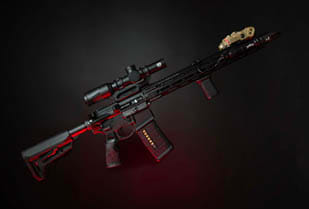
Brandon from Classic Firearms speaks with Sean about a new U.S. Palm AR-15 entering the market. Sean describes it as a purpose-built AR-15 developed by engineers and shooters with extensive experience around the platform. The rifle is positioned as an option for enthusiasts who already know what they want from an AR, emphasizing that it was designed by “AR guys for AR guys.” The goal was to incorporate the full range of features expected in a modern AR-15, rather than introducing a radically different concept, while still refining performance and durability for demanding users.
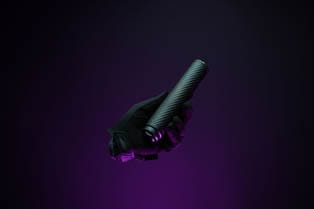
The conversation highlights the rifle’s distinctive muzzle device, called the Hurricane hybrid flash hider. Sean explains that it is 3D printed to achieve complex geometry that traditional machining cannot easily produce. This design is intended to deliver one of the lowest flash signatures available, with ports that also provide compensating effects to keep the rifle flat under recoil. Brandon notes claims that the device effectively eliminates visible flash and expresses interest in testing that performance on the range. Sean emphasizes that the muzzle device contributes to a very flat-shooting feel while maintaining control and consistency.
Sean describes the rifle as being designed from the ground up for hard use. He states that it is robust enough for combat-style applications, yet still suitable for casual range use or home defense. The feature set is compared to what is typically found on AR-15s in the roughly $2,000 price range, but the planned retail price is around $1,299. The intent is to offer a configuration that covers common user needs without requiring additional upgrades, providing a complete package for shooters who want a durable and versatile AR-15 platform.
Brandon points out the unusual interface between the handguard and upper receiver. Sean explains that this is U.S. Palm’s monolock system, which departs from a traditional AR-15 layout. The upper receiver is extended forward and serves as the mating surface for the handguard, creating a more rigid connection. This approach is intended to deliver monolithic-style performance while preserving the modularity of a standard AR-15. The design maintains a true free-float barrel, aiming to improve consistency and accuracy by minimizing external forces on the barrel from the handguard or accessories.
The rifle features fully ambidextrous controls, which Sean describes as an expected standard for any new AR-15 entering the market. Brandon notes the enlarged ambidextrous bolt release on the right side, describing it as a large paddle that does not protrude excessively. Sean explains that the controls were intentionally designed to provide strong, positive manipulation points at every critical location on the rifle. The goal was to balance size and accessibility so that controls are easy to reach and operate without becoming obtrusive, enhancing ergonomics for both right- and left-handed shooters.
Sean shares results from early durability testing of the U.S. Palm AR-15. During an initial test phase involving 50,000 rounds, he reports that no parts failed, down to small components such as pins and bolts. When asked about malfunctions, he provides a mean rounds between stoppages figure of 21,000 rounds, averaged across five rifles. Brandon reacts positively to the reliability numbers and expresses interest in eventually shooting the rifle himself. The discussion closes with an emphasis on the platform’s tested endurance and consistent function under extended round counts.















 Loading...