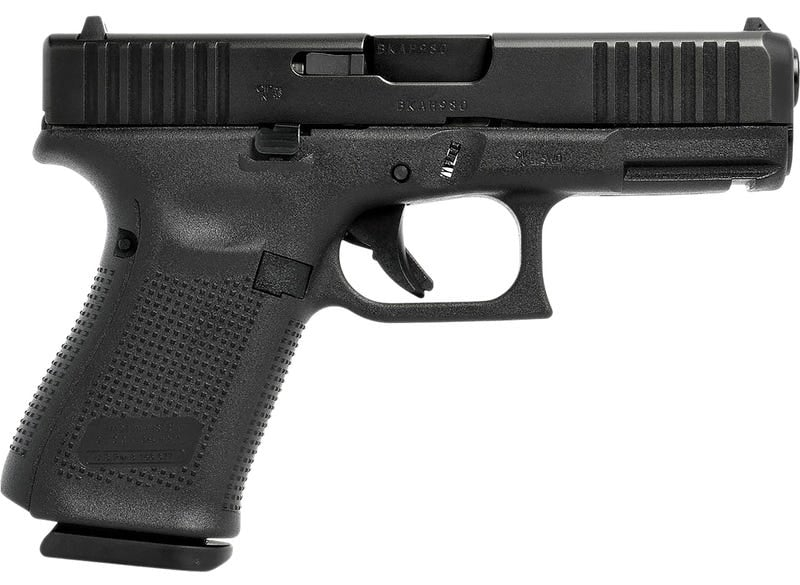
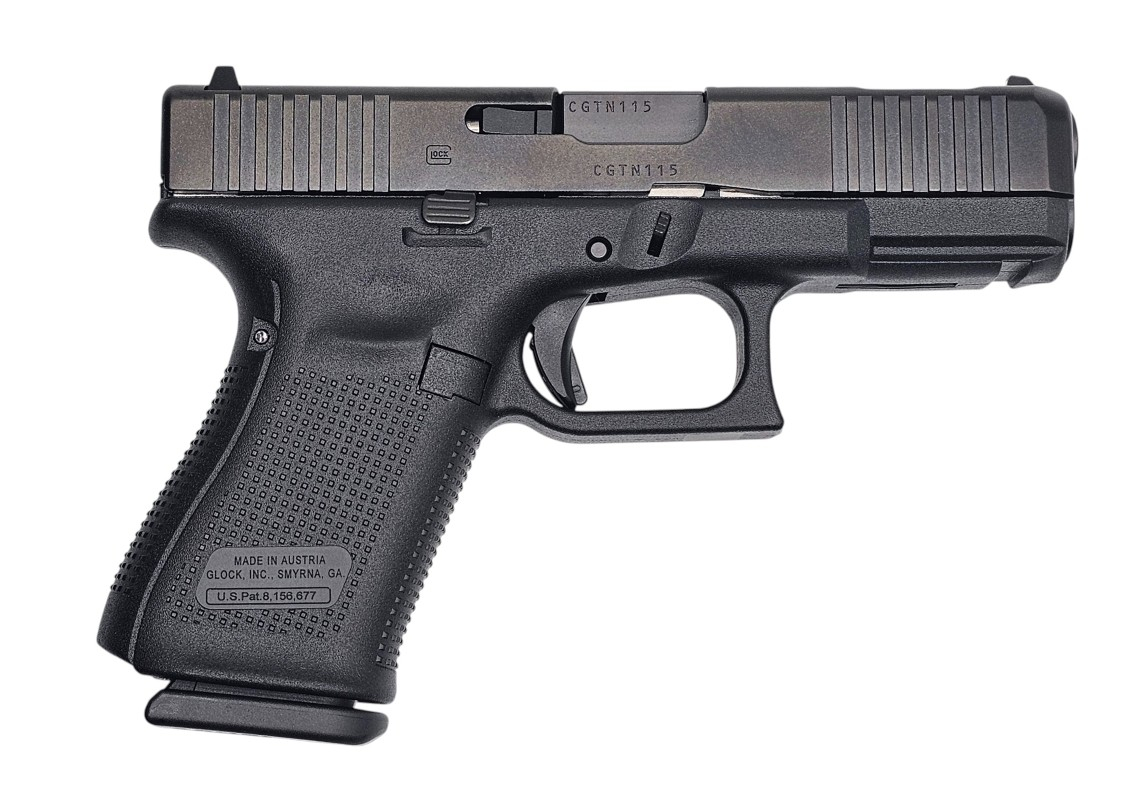
The video introduces the Glock 19V, described as an all-new Gen V variant, alongside the Glock 19CV, a ported model. The host notes that the C designation is not new, referencing earlier Glock 19C and 17C pistols from Gen 3 and Gen 4 that helped popularize ported configurations. The focus is on comparing a standard Glock 19V to the ported Glock 19CV to see how much the ports affect performance. The goal is to evaluate muzzle rise, overall shooting characteristics, and the visible flash pattern from the ports under different lighting conditions.
The discussion turns to what is actually different on the Gen V slide. Glock changed the back plate area and the channel around the striker. On the Gen 5, this area is a bit thicker and shaped differently, while the Gen V adds a track in the striker channel. This track is intended to make it harder to use devices that modify the pistol’s operation. Because of these changes, the Gen 5 slide back plate and related slide parts are not interchangeable with the Gen V assembly. Viewers are cautioned not to buy Gen 5 slide components expecting them to fit the Gen V, since the Gen V uses its own specific slide assembly.
The host explains the meaning of the C designation on the Glock 19CV. C is said to stand for compensation, and the pistol uses ports in the barrel and slide rather than an external compensator attached to the muzzle. Ports are described as holes in the barrel that vent high-pressure gases upward as the bullet exits. This upward gas flow pulls the muzzle down, reducing muzzle rise and providing a more controlled shooting experience. A compensator is described as a separate device attached to the muzzle that serves a similar purpose. The video aims to see how effective the Glock 19CV’s ports are at mitigating muzzle rise compared to the standard Glock 19V.
Shooting begins at dusk to highlight muzzle flash. The standard Glock 19V is fired first, showing a typical flash from the muzzle that is more visible in low light but manageable. The ported Glock 19CV is then tested, and the difference in flash profile is immediately apparent. The 19CV produces pronounced fireballs not only from the muzzle but also from the angled ports, creating a distinct V-shaped flash pattern. The host notes that the flash is bright enough to obscure the target and make accurate follow-up shots harder in the dark. The ported gun is also described as noticeably louder, with more perceived concussion during rapid strings of fire.
The video then shows both pistols fired during the day to compare behavior in brighter conditions. The standard Glock 19V exhibits minimal visible muzzle flash, with only occasional small flashes at the muzzle. The ported Glock 19CV still produces a visible flash profile even in daylight, and it remains louder, causing some ringing in the ears despite hearing protection. The contrast between the two pistols is less dramatic than at night, but the 19CV’s ports continue to create more noticeable flash than the non-ported 19V. The demonstration reinforces how lighting conditions significantly affect how prominent the flash from the ports appears to the shooter.
In closing, the host summarizes the trade-offs between the Glock 19V and Glock 19CV. In terms of basic shooting feel, the ported 19CV is said to shoot much like a regular Gen 5 Glock, but with reduced muzzle rise. The ports are described as effective at keeping the muzzle flatter. However, this comes with clear downsides: a large flash profile, especially in low light, and increased noise and concussion. The host notes that shooting the 19CV indoors, in a vehicle, or in confined spaces would likely be uncomfortable due to the loud report and blast. Viewers are asked for their experiences with C models from Gen 3 and Gen 4, and for opinions on the new Gen V versus earlier generations.





















 Loading...