The discussion opens with Eliza and Matt addressing widespread confusion about recent ATF decisions not to enforce certain National Firearms Act registration rules. They stress that understanding the current situation requires going back to the 1930s. The National Firearms Act of 1934 was Congress’s response to high‑profile crime in the 1920s and early 1930s, targeting specific weapon types rather than all firearms. The video lists NFA‑regulated categories: short‑barreled rifles, short‑barreled shotguns, suppressors, machine guns, destructive devices, and the catch‑all “any other weapon.” A key feature was the $200 transfer or making tax, intentionally set as a massive financial barrier at the time. Today, that same $200 is more of a bureaucratic hurdle than a true deterrent, but it remains central to how the law is justified. This historical framework sets up why later changes to that tax amount have such major constitutional implications for suppressors and SBRs.
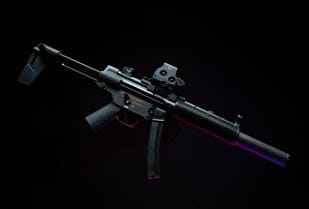
The video then moves to a 2025 bill signed by President Trump that reduced certain NFA transfer taxes to zero dollars starting in January 2026. This applied to specific NFA items, including short‑barreled rifles, short‑barreled shotguns, and suppressors. A lawsuit quickly followed, arguing that the NFA was upheld as an exercise of Congress’s taxing power, not a general police power. If the tax is set to zero, the plaintiffs claimed, there is no longer a genuine tax and therefore no constitutional basis for the registration scheme tied to it. The court agreed in part, ruling that when the NFA tax on those items is effectively zero, mandatory federal registration cannot be enforced on that tax foundation. As a result, for these categories, the NFA’s registration and tax requirements were deemed to lack a valid legal underpinning, opening the door to major changes in how suppressors and SBRs are treated at the federal level.
Building on the court’s decision, the video explains that the ruling would normally apply only within a specific federal circuit or to named parties. However, the ATF announced it will not enforce NFA registration requirements for short‑barreled rifles, short‑barreled shotguns, and suppressors against anyone nationwide. These items are no longer treated as NFA‑registered at the federal level, but they are still firearms that must go through a Form 4473 and background check when transferred by an FFL. The hosts emphasize that federal non‑enforcement does not override state law. States fall into three broad groups. Some have no extra registration and now simply follow the new federal baseline. Around 15 states, including North Carolina, tie legality to federal NFA registration, creating uncertainty or continued restrictions. A smaller group bans suppressors or SBRs outright, where possession remains illegal regardless of ATF policy. Viewers are warned that state‑level rules still fully control what is actually lawful to own or build.
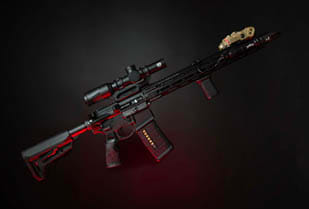
In the final portion, the video focuses on practical effects for gun owners in states where these items are otherwise legal. With federal NFA Form 1 and Form 4 requirements no longer enforced for short‑barreled rifles, short‑barreled shotguns, and suppressors, transfers now proceed like standard firearms using only a Form 4473 and background check through an FFL. Enthusiasts in permissive states, such as South Carolina, can convert AR pistols into SBRs without filing NFA paperwork, provided state law allows that configuration. The hosts also note that individuals may be able to manufacture their own suppressors or other NFA‑type builds without federal registration, again strictly subject to state statutes. They repeatedly caution that none of this is legal advice and that restrictive “blue” states may still prohibit or tightly regulate these items. Viewers are urged to research their own state codes, consult professionals if needed, and ask clarifying questions in the comments before making any changes or purchases.














 Loading...