The video opens with a close look at the FN SCAR 16S, highlighting how this rifle became one of the most recognizable modern firearms thanks to its presence in pop culture, especially games like Call of Duty: Modern Warfare 2. The host frames the SCAR 16S as a highly desired rifle that many enthusiasts grew up seeing on screens long before they could own one. This segment sets the stage by explaining that the featured rifle is a classic, early-generation SCAR 16S rather than the newest configuration. The discussion emphasizes the distinctive aesthetics that made the original SCAR iconic, from its profile to its color and overall silhouette. Viewers are introduced to the idea that, beyond its visual appeal, the SCAR 16S has deep military program roots and a complex development history that shaped both its reputation and its current civilian form.
Attention then shifts to how the legacy SCAR 16S compares to FN’s newer variants featuring extended M-LOK rails. The updated models offer more modern ergonomics and accessory mounting options, but the host notes that many shooters still prefer the look and feel of the older configuration. The video explores the idea of turning the rifle into a more compact, CQB-oriented setup by shortening the barrel. It explains that simply cutting and threading a 16-inch barrel can upset the SCAR’s gas system, leading to reliability and over-gassing issues. To address this, several solutions are outlined: using FN’s factory short barrel and gas block assembly, installing the Scarborator, or opting for PMM’s smaller gas screw to reduce gas flow. The segment also touches on NFA considerations when moving to short barrels, underscoring that proper parts and tuning are essential to keep the SCAR running smoothly in a shorter configuration.
The video then dives into the history behind the SCAR program, starting with SOCOM’s 2004 request for a new modular rifle to replace the M4. FN ultimately won that competition, and the SCAR 16 was intended to become the new standard 5.56 platform for special operations forces. However, the program encountered issues that limited widespread adoption of the SCAR 16, and SOCOM eventually reverted to the familiar M4 platform. The host explains that the M4, as a direct descendant of the M16, has proven remarkably durable in service and continues to see extensive use even as newer initiatives like the M7 and the hyper velocity HICAR program move forward. This context underscores how difficult it is to displace an entrenched service rifle. The segment also notes that, despite the SCAR not fully replacing the M4, FN chose to make the SCAR 16S available to civilians, allowing enthusiasts to own a rifle closely tied to a major military development effort.
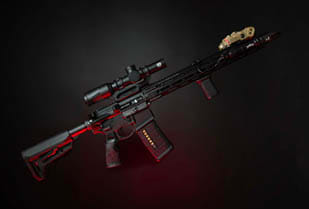
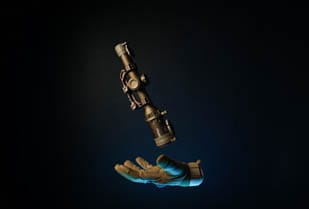
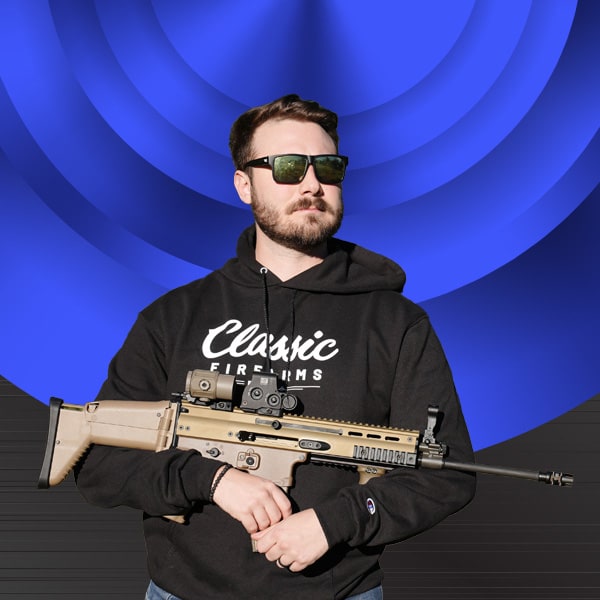
In the final portion, the focus turns to how this particular SCAR 16S is set up and how it might be compared to other modern rifles. The rifle wears an Eotech EXPS 3-1 optic, featuring a single center dot and a dedicated night vision button, paired with an Eotech G43 magnifier. The magnifier works best with the SCAR’s stock fully retracted, which the host notes when discussing eye relief and usability. The gun retains its original SCAR rear and front sights and the distinctive “UGG boot” stock, reinforcing the mostly stock, Gen One character of this build. A Magpul RVG vertical front grip is added for simple, practical control without over-accessorizing. To close, the video invites suggestions for comparison content, mentioning potential matchups against the Spear LT, IWI Carmel, ACR, CZ Bren, and M4 or 416-style rifles. The goal is to recreate a 2004-style trial among today’s 5.56 modular platforms, using the SCAR 16S as a key benchmark.














 Loading...