The video opens by targeting viewers who are considering, obtaining, or have just received a concealed carry license, and frames concealed carry as a serious responsibility. It stresses that carrying a firearm requires deep familiarity with local and state laws, as well as reciprocity rules when traveling. Viewers are urged to research their city and state statutes and to use tools like the USCCA reciprocity app to stay current on where their permit is valid. The discussion then shifts to selecting a concealed carry pistol. Examples include a Sig 365X Macro carried in a Vertx Everyday fanny pack and a Bodyguard 2.0 in .380, illustrating how different setups balance concealability, capacity, and shootability. The speaker explains that no pistol is perfect; choices involve trade-offs between size, comfort, recoil control, and magazine capacity. New carriers are encouraged to prioritize what matters most for their lifestyle and body type, recognizing that the ideal gun for one person may not work for another.
Viewers are encouraged to visit indoor ranges with rental walls to test a wide variety of pistols before buying, including models they might not initially consider. This experimentation helps reveal how individual physiology, grip, and ergonomics affect recoil control, accuracy, and comfort. The video emphasizes that preferences can change over time, and switching firearms as skills and needs evolve is normal. Once a pistol is chosen, the focus turns to knowing it intimately: understanding the trigger wall, reset, and how to perform smooth reloads and manipulations, which requires time and ammunition investment. Gear selection begins with holsters, where universal designs and any option lacking a rigid kydex trigger guard are strongly discouraged. A safe holster must fully cover the trigger, provide solid retention, and often give an audible click when the gun seats. Recommended brands include Tier 1 Concealed, Henry Holsters, Watchdog Tactical, and the Incog X collaboration. The segment also highlights the importance of purpose-built EDC belts, such as stiff nylon or thick leather options, and mentions Hunter Constantine belts and Vertex bags and fanny packs as reliable carry platforms.
The video continues by warning new carriers not to get overwhelmed by the sheer volume of available gear. Instead, it recommends focusing on a solid foundation: a quality holster, a sturdy EDC belt, and a practical carry method such as Vertex backpacks, Vertex fanny packs, or the Zindira Sophia bag. Once basic gear is squared away, the emphasis shifts heavily to training. Simply obtaining a concealed carry license is described as the starting line, not the finish. Viewers are urged to use shot timers, run structured drills, and seek reputable in-person instructors or carefully vetted online training content to simulate real pressure. The speaker underscores that responsible carry means being able to handle the firearm under stress, not just at a relaxed indoor lane. A key skill is diagnosing and clearing malfunctions quickly, such as failures to feed or eject, while maintaining awareness and control. The segment recommends building these skills deliberately so that manipulations become automatic when adrenaline spikes, reinforcing that proficiency is as important as equipment.
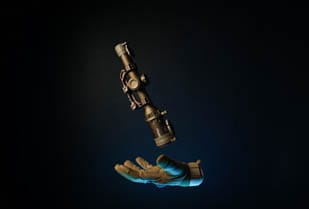
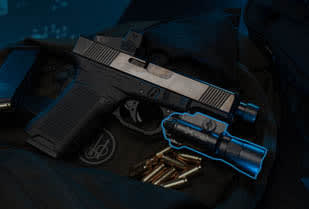
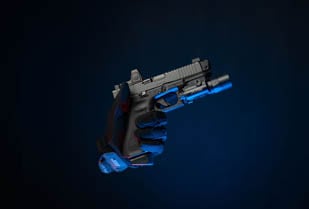
This section highlights extensive dry fire as one of the most valuable training tools for concealed carriers. Viewers are encouraged to practice at home with paper targets, laser targets, and dummy rounds, using tools like Cert and Mantis laser pistols to track performance. Safety is emphasized: when dry firing with a real firearm, all live ammunition should be stored in a separate room to prevent negligent discharges. Shot timers are recommended even for dry practice to introduce time pressure. The video suggests competitive shooting as a powerful way to simulate stress, expose weaknesses in draw, reloads, and accuracy, and then focus training on those deficiencies. Only after mastering the base pistol does the discussion move to accessories. Examples include a Romeo X optic on a Macro and a Surefire XC3 weapon light, both of which require dedicated familiarization before being carried defensively. Finally, the segment covers defensive ammunition, recommending reliable hollow points that feed consistently in the specific gun, noting that some firearms are finicky with certain loads and must be tested thoroughly.
The closing segment cautions against buying expensive, flashy concealed carry gear purely for status or social media appeal. Viewers are urged to purchase only what they genuinely like, need, and can use effectively, rather than chasing trends or brand prestige. The speaker recaps the core priorities for starting concealed carry: thoroughly understanding relevant laws and reciprocity, committing to ongoing training beyond the permit class, choosing appropriate gear such as a reliable pistol, holster, and belt, and then thoughtfully adding accessories and vetted defensive ammunition. Emphasis returns to the idea that skill and familiarity with equipment matter more than having the most expensive setup. The video ends with encouragement for viewers to keep training, refine their setups, and share their concealed carry journeys, fears, and discoveries in the comments to help others learn. A lighthearted joke about someone driving a Dodge Ram provides a humorous sign-off, reinforcing a friendly, community-focused tone while still underscoring the seriousness of responsible concealed carry.












 Loading...