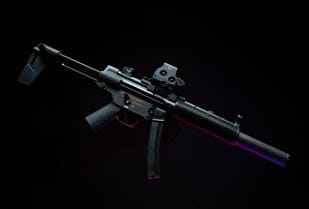
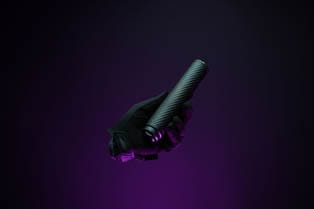
The livestream opens with the Classic Firearms crew introducing Grayson, PTR’s marketing manager and longtime friend of the channel, now based near Myrtle Beach where PTR manufactures in-house. They frame PTR’s identity around roller-delayed HK-style platforms, especially MP5-inspired builds and new SD-style offerings like the PTR 9 STMB, STMA, and Alpha/Bravo SD variants. Features such as M-LOK rails, full-length Picatinny, telescopic stocks, and Magpul sights are highlighted, along with blast chambers designed to accept various suppressors and reliably run FRT-style triggers. The discussion pivots to PTR’s Vent series 3D-printed titanium suppressors: Vent 1 for .30-caliber, Vent 2 for 9mm, plus a 5.56 model. Grayson explains their PIP (purposely induced porosity) monolithic cores, emphasizing not just decibel reduction but also reduced muzzle flash and gas blowback. They touch on durability, cleaning considerations, and real-world performance, then answer caliber questions, noting Vent 1’s use on 6.5 Creedmoor and .308. Events like CANCON and Suppress Fest are recommended for side-by-side suppressor testing, and they compare U.S. rules with stricter European regulations such as Switzerland’s handgun and rimfire limits.
The conversation turns practical as PTR’s rep explains how to maintain monolithic Vent suppressors. Ultrasonic cleaning is recommended, with users encouraged to track fouling by weighing the can over time. They float the idea of a low-cost send-in cleaning program so owners can restore performance without specialized equipment. The hosts reiterate that the Vent 1, with its hub-compatible mounting, is an ideal first suppressor for shooters running 5.56, .308, or .300 Blackout, and they reference strong independent Pew Science data backing its performance. From there, the crew talks about informal torture testing, describing MCX and competition rifles run for thousands of rounds without cleaning to see how suppressors and guns behave when truly dirty, contrasting that with unrealistic mag-dump abuse. A viewer question about Glock 43X 15-round magazines sparks a discussion of scarcity driven by the huge installed base of 43X owners and the need to feed new gun production. They recall retail gun counter days, noting how many buyers lean heavily on staff recommendations when choosing firearms and accessories.
The hosts reminisce about learning the gun world through YouTube channels like Tactical Toolbox while working behind the gun counter, then describe how industry relationships grew through Leviathan and a lavish CCW Safe event in Oklahoma City. They joke about the Leviathan name and media hit pieces from groups like Moms Demand Action, then shift into SHOT Show culture in Las Vegas, including overlapping with the World of Concrete convention and the nightlife that surrounds both. Grayson outlines PTR’s low-hype SHOT strategy: instead of teaser campaigns, they quietly dropped the 9SD MBB on day one. The SD-style 9mm platform is described as “Nerf gun quiet,” with an extended charging handle and compatibility with optics like EOTech. Attention then moves to the PTR Jack, a compact shotgun rooted in the Maverick 88 but reworked with strengthened internals. It is pitched as a practical farm, UTV, or side-by-side gun and part of a broader trend toward factory SBR/SBS-style short guns, with brief mentions of NFA Form 1 approvals and live chat interaction.
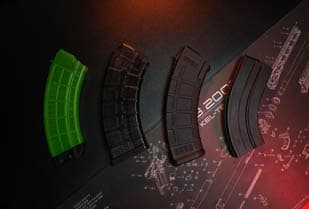
Joking about Jason’s massive hands leads into a comparison of pistol ergonomics, from the Walther PDP and Glock 34 to the slim Glock 43X, and how hand size shapes carry choices. The crew then dives into SBR-style shotguns that can run minishells with adapters, Mossberg stock compatibility, and AR-style foregrip and grip options for customizing compact scatterguns. They recall exploring the SHOT Show basement, nicknamed “the dungeon,” where they met a British sapper called Butters and discovered both standout products like the Ride Out Dragon and oddities such as the Turkish Boss 12. PTR’s updated Vent suppressor info page is mentioned, featuring Q&A and data for curious buyers. The hosts explain that their livestreams are intentionally not ad-monetized so viewers can ask questions without mid-roll interruptions. Focus returns to PTR’s MP5 offerings: American-made, built on original HK Portuguese-spec machining, with options for Pic rails and M-LOK, tungsten bolts tuned for FRT triggers, and backed by a 100% transferable warranty. Grayson teases an upcoming robust 9mm Inconel Vent Spiritus can designed to complement these roller-delayed guns.
The hosts outline PTR’s broader lineup, emphasizing that the company builds both suppressors and roller-delayed firearms domestically. They mention GI and retro series rifles, GR SBRs, and .308 pistols, noting that Vent suppressors are tuned to work well with roller systems without the excessive blowback and fouling associated with older SD-style setups. The classic G3/91-pattern 7.62x51 roller-delayed rifle is praised as surprisingly controllable and enjoyable in full-auto, especially when suppressed, and they speculate about future accessories like AS Designs stocks or chassis to modernize these platforms. Discussion shifts to why roller-delayed systems dominate in 9mm and .308 but are rarer in 5.56 or 300 Blackout. This leads to an update on the PTR 63, a 5.56 AR-type roller-delayed project that has been delayed because PTR’s resources are focused on the booming suppressor market. They stress the risk of launching a flawed gun in an unforgiving firearms community. A super chat about optics for an MR762 or 416 16-inch DMR build prompts recommendations: Primary Arms 3–14 MPVO, EOTech Vudu 4–12 with an EFLX-style enclosed dot, SIG Tango 6T-style 1–6, and Leupold Mark 5HD 3.6–18 paired with an enclosed Acro, reflecting the trend toward enclosed red dots and rapid innovation in optics and thermals.
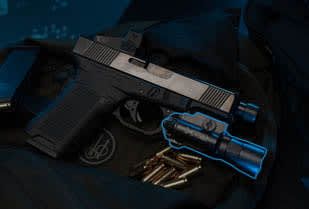
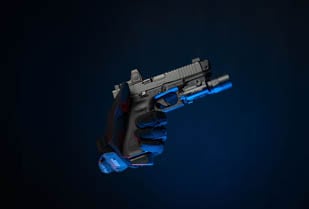
Thermal optics take center stage as the hosts note how prices have dropped, citing DNT units like the Hydra Mini and the RH25 as a high-end benchmark, compared with older $2,500 entry points. They share practical zeroing methods: taping hand warmers to targets, using Infinity Targets that retain heat signatures, torching steel to create hot spots, exploiting contrast with cold spray paint, and even heating a marble and taping it to paper for a precise aiming point. A dark comedy idea surfaces about filming Las Vegas in thermal to make homeless people resemble zombies, segueing into talk about Kill Tony, Skankfest, WrestleMania, and the possibility of doing stand-up. The new “Info War” news-style segment debuts, featuring the CZ Duty, a modular pistol built around a serialized fire control unit with interchangeable grip modules and slides, available with or without manual safeties. The hosts express fatigue with ever-shrinking EDC guns and a desire to see larger rigs and open carry return. They briefly tease a new SIG 9mm pistol, informally dubbed the P385, another FCU-based design they handled during a SIG visit but did not get to shoot.
The crew describes handling a new pistol that feels similar to the Springfield Echelon and mentions the LTaw, essentially a SIG Rattler LT-style platform they were allowed to handle but not fire. Everyday carry choices come up, with shoutouts to the Glock 19, Glock 43X, and even a CZ Shadow 2 for those willing to carry a heavier gun. A teased Glock Flux chassis image draws attention: it integrates an optic mount into the pistol in a way reminiscent of P365-style setups. One host regrets passing on the original Flux Glock chassis years ago due to SBR and legal uncertainties, now that the design has proven desirable. They note how inexpensive used SIG P320s have become, sometimes around $150 or bundled with other items, as newer models and configurations crowd the market. The new SIG hybrid pistol, described as a P365 that takes P320 magazines and feels like it “took steroids,” is debated in terms of role, compared to Glock’s 17/19/45 size logic. They highlight SIG’s intense brand loyalty, with customers quickly buying SIG optics and merch despite past controversies, and contrast that with HK’s more boutique, “Gucci” reputation in the U.S. market.
Brand comparisons continue as the hosts note that while HK enjoys a high-end image, SIG dominates U.S. civilian sales volume, with the P365 cited as a top-selling pistol for years, especially during COVID. They pivot to anticipated ATF guidance on suppressors, SBRs, and SBSs, mentioning the ATF director’s assurance that properly documented 4473 transfers will not count against dealers, while acknowledging how difficult it is to track regulatory changes. A growing pre-owned suppressor market is discussed, enabled by e-Form person-to-person transfers. Concerns about unknown round counts and abuse are balanced against manufacturer warranties and rebaffling services that make used cans more viable. The crew then recaps a visit to Q, describing a 3D-printed Boom Box V2 in 300 Blackout and a clear Honey Badger V3 prototype that reveals internal workings. They brainstorm names like “missile dropkick” for a larger 6.5mm can and note Q’s move into flow-through designs, despite Kevin Brittingham’s historical preference for traditional baffle cans. Lighthearted roasting and car talk, including Rivian versus GT500 comparisons, keep the tone loose while still covering serious product developments.
The hosts acknowledge how long livestreams inevitably go off the rails, joking about potential sponsorships from companies like HIMS and BlueChew and trading jabs about being “bricked up.” They mock traditional gun-industry marketing that relies on booth models and “gun bunnies,” floating the idea of an “aspiring gun bunny” T-shirt for SHOT Show. Conversation shifts to next-gun wishlists: MP5s and other roller-delayed platforms, Q’s Boom Box, and the Masterpiece Arms Reaper and its compact variants all get mentions. There is clear affection for 1980s-style firearms, including carry-handle AR builds and retro aesthetics. Forced reset triggers (FRTs) come up, with talk of versions being developed for platforms like the MPA Reaper, the Thompson, and hopes for an Uzi FRT, reflecting a desire to modernize classic SMGs. They debate what counts as a current “FUD gun,” suggesting examples like the M14, .30-30 lever actions, certain Glock Gen 2/3 setups with irons and OWB carry, and the perennial 1911. The hosts note how many former critics of “Tupperware guns” now quietly carry polymer pistols.
Gun culture stereotypes take center stage as the hosts describe a relative who appendix carries a 1911 in a leather holster, embracing the FUD identity. They discuss open carry norms in places like Texas and rural North Carolina, and how some people loudly signal gun ownership with 5.11 clothing, bumper stickers, and provocative T-shirts. The idea of open carrying swords surfaces, with swords framed as ideal novelty gifts for men, mostly used for drunken backyard antics like mock Fruit Ninja sessions with friends. Industry news follows: Aero Precision is resuming parts shipments to dealers after a dry spell in uppers, lower parts kits, and stripped lowers. That shortage had opened space for companies like Ruger and Radical to sell stripped lowers to the growing AR builder crowd. The hosts reminisce about the trend of customizing budget AR-15s with red anodized parts from brands like Strike Industries, describing it as a common early-phase mistake where owners add red charging handles, controls, and accessories to otherwise basic rifles such as the M&P Sport 15, creating loud but functionally unchanged builds.
The discussion turns to how political events like Sandy Hook and the COVID-19 pandemic triggered massive gun-buying surges. AR-15 prices and magazine costs spiked, and many first-time buyers later traded in low-end rifles such as Charles Daly models once the panic cooled. The hosts debate what is worse at the range: a bright red charging handle or an AR pistol with no sights or optic, ultimately agreeing that shooting a pistol-format AR without any aiming system is unsafe. Some ranges now ban such setups entirely. They highlight the stream’s $100 club, where viewers whose cumulative donations cross $100 receive stickers, shirts, and other swag. A form is used to verify real emails and match usernames so rewards go to the right supporters. PTR’s name is unpacked as “Proven Trusted Refined,” reinforcing the brand’s positioning. They mention AS working on a compatible lower and trigger setup for PTR platforms and jokingly argue over who has the best facial hair in the gun community, referencing personalities like Brandon Herrera, Chase from Africa, and others seen at SHOT Show and the Gundies.
The final stretch is heavy on comedy and camaraderie. The hosts joke about someone concealed carrying a full-auto Glock 18 and riff on Sean Ryan casually giving away SIG pistols, even imagining a Sean Ryan-branded SIG model. They place a call to Ka, the president of Tisas, teasing him about promising free Tisas pistols to women at bars and trading stories about cars and racing. Ka’s celebrity status in Turkey is highlighted, including how a single social media story featuring him generated a wave of Turkish followers and a memorable anecdote about him air-racking a Desert Eagle, likely causing an injury. As the episode winds down, they thank the PTR guest for joining and promote PTR’s website. A limited-time Classic 10 discount code is announced, offering 10% off PTR products such as suppressors, accessories, and magazine bundles for about a week. They repeatedly mention a 6 a.m. timer, hinting that viewers should check the site early the next morning, then close the stream with thanks, blessings, and safety wishes to the audience.











 Loading...