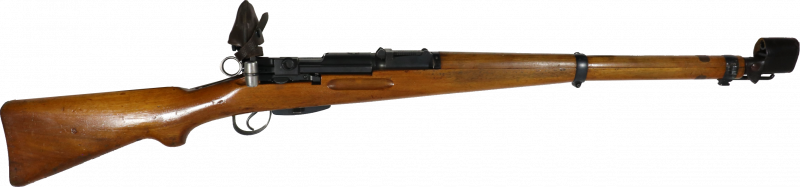
The hosts open on a clear North Carolina day at the Classic Firearms outdoor range, set up with steel out to 450 yards. They introduce the Swiss K31, a popular Swiss surplus straight-pull rifle known for its accuracy. The rifle in the video is equipped with a diopter-style competition sight, not the original military issue, but a system designed for the matches where K31s are still commonly used. The range behind them is the same 450-yard layout used in their bolt gun series, but they note they will be shooting with unmagnified sights, relying on the naked eye. They plan a friendly competition to see what can be done on steel with this surplus rifle and aperture sighting system.
The discussion shifts to the K31’s design and chambering. The rifle uses a six-round detachable box magazine feeding the 7.5x55mm Swiss cartridge, a full-power round comparable in size and performance to 7.62x51mm / .308 Winchester. They clarify that, despite common belief, the K31 is not technically part of the Schmidt–Rubin family. Colonel Schmidt designed earlier straight-pull rifles, while Rubin developed the 7.5x55mm cartridge. The K31 itself was designed by Colonel Furr, retaining a straight-pull action but with a shorter bolt and receiver to allow a longer barrel at the same overall length. They also touch on Swiss surplus grading, noting that metal components are often in better-than-expected condition, while stocks—especially the butt area—can show heavy wear from being stood in snow during service.
With the basic overview complete, they move to live fire at 300 yards using the diopter competition sights. The shooter runs a full magazine of six rounds, working the straight-pull action and listening for impacts on steel. After the string, he believes he scored a hit with the first and last shots, with four misses in between, and looks forward to reviewing the downrange camera to confirm. The segment emphasizes how demanding precise shot placement can be at 300 yards with an unmagnified aperture sight, even on a rifle with a reputation for excellent accuracy like the Swiss K31. The focus remains on practical performance rather than formal target scoring.
Jason takes the rifle next, noting he has not fired this specific platform at distance before, especially with this style of aperture sight. He confirms the safety, comments on the distinctive straight-pull operation, and begins engaging steel. Spotting feedback shows he initially hits a red gong at roughly 200 yards before holding farther out. Subsequent shots are called just high or several inches right of center, with one impact on the middle target landing about 8 to 12 inches to the right. Another round is described as directly high by 4 to 6 inches. Jason enjoys the experience and finds the rifle “pretty dope,” acknowledging he needs more practice with the sighting system but is encouraged by his early results at distance.
They then extend the challenge to the full 450-yard distance available on the range. No changes are made to the K31’s sight settings beyond a few practice shots. During warm-up, Jason flips one of the 450-yard steel targets, so one plate now hangs oddly instead of straight down. The first shooter engages the 450-yard target and receives calls like left low by about 4 inches, low by 2 inches, and skimming off the right and left edges. The last shot is described as hitting near the low left corner around the 7 o’clock position. Although no clear center hits are confirmed in this string, the near misses around the edges of a roughly 6-inch square plate at 450 yards illustrate how tight the margin of error is with iron sights at that distance.
Jason steps back up for his 450-yard run. His first shots are called about a foot left, then just left and just below the plate by a few inches. He then connects solidly, with one hit knocking the chain off the target so it swings as a diamond instead of a square, complicating the sight picture as it moves. Another shot goes just over before the magazine runs dry. The hosts highlight that Jason achieved two solid hits out of six shots at 450 yards using an unmagnified diopter sight, which they consider impressive. They discuss how a thinner front sight blade, like that on a 1903 Springfield, can make precise aiming easier at long range. Both agree that hearing steel ring at distance with a surplus bolt-action rifle is especially satisfying.
They wrap up by reflecting on the Swiss K31’s performance and reputation. The rifle is described as comfortable to shoot and often regarded as one of the most accurate surplus rifles available. Jason rates it a solid eight out of ten based on his experience. They recap that one shooter made several confirmed hits at 300 yards, while Jason pushed out to 450 yards and scored multiple impacts without magnification. The conversation turns briefly to other surplus rifles they would like to test on the range, such as the 1903 Springfield and 8mm Mauser, and to the broader appeal of surplus bolt guns for both historical interest and practical shooting. Viewers are encouraged to suggest additional surplus platforms and topics for future videos.
In a short bonus segment, they fire the last two rounds available for a bit of redemption, scoring another hit and narrowly missing a second target just low. The hosts thank each other and reiterate how enjoyable the Swiss K31 is to run on steel. They note that everyone should consider adding some Swiss surplus to a collection, emphasizing the fun and challenge of shooting a straight-pull 7.5x55mm carbine with iron or diopter sights at real distances. The video closes with standard channel sign-offs, mentions of ongoing giveaways, and an invitation for viewers to return for more surplus rifle content and range testing in future episodes.




















 Loading...