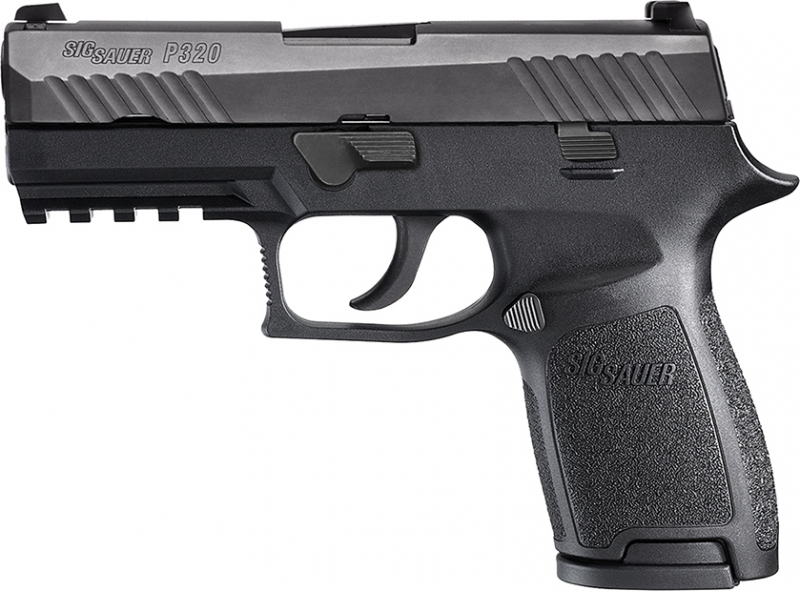
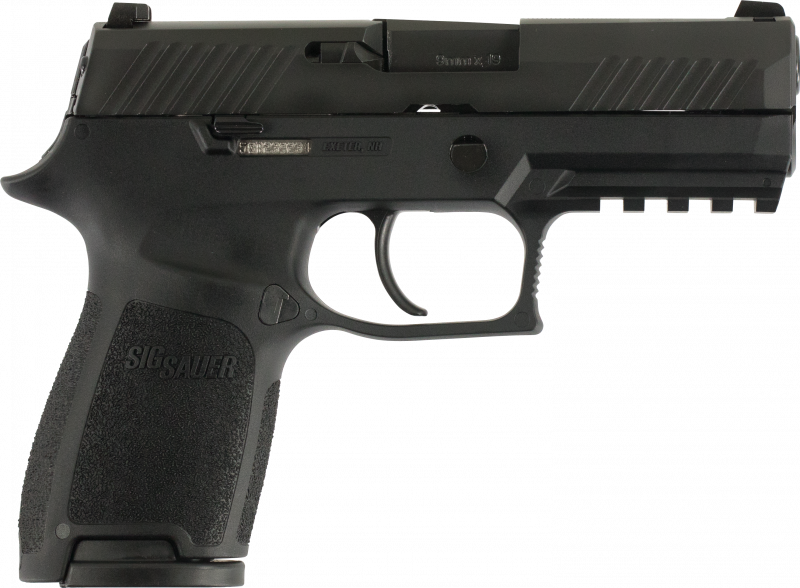
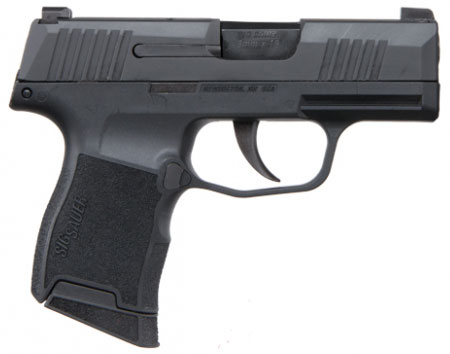
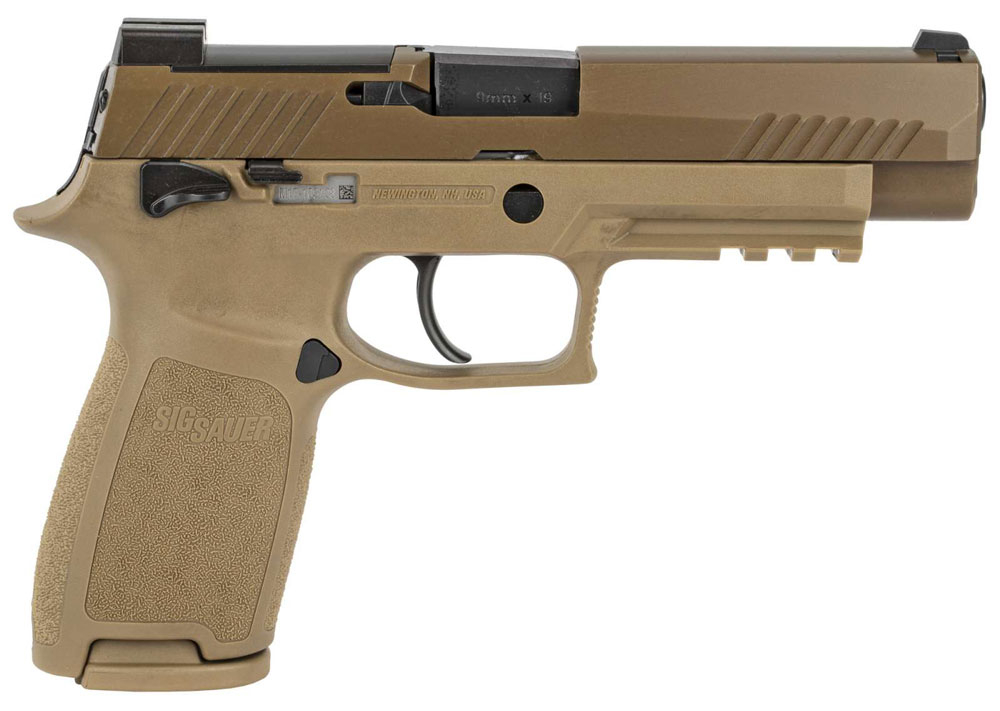
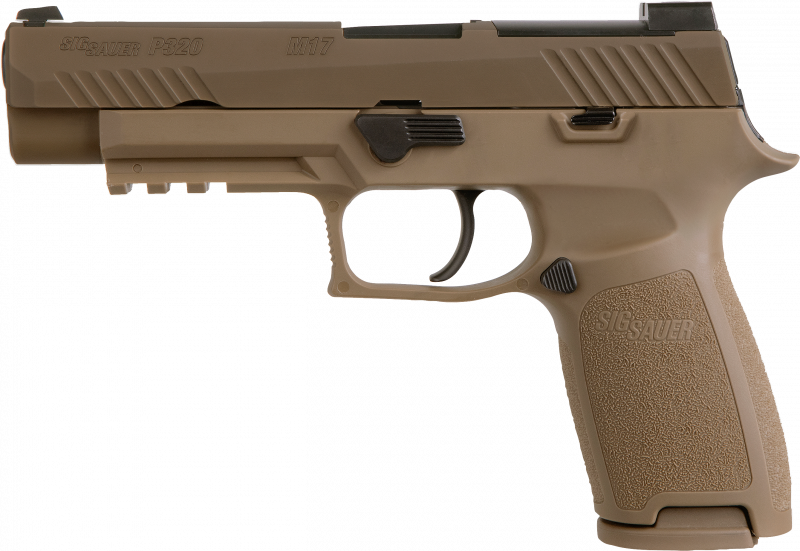
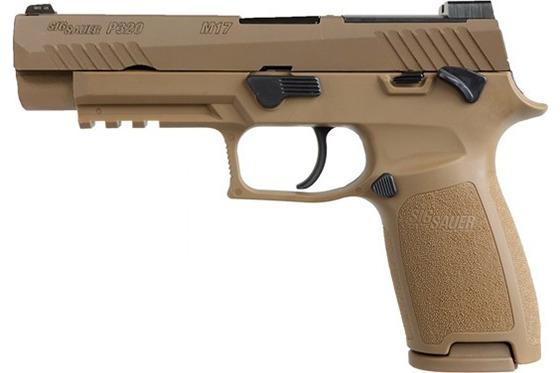
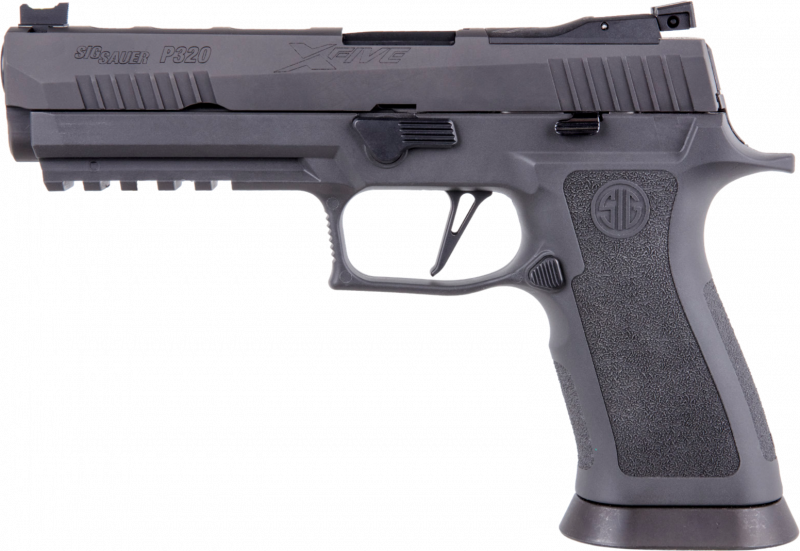
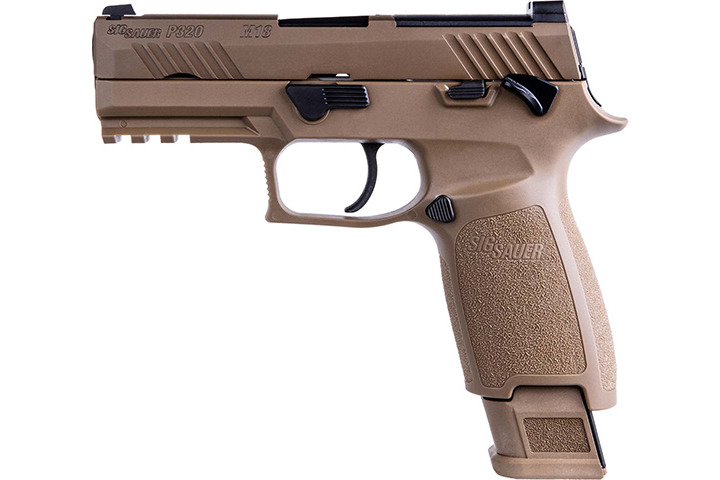
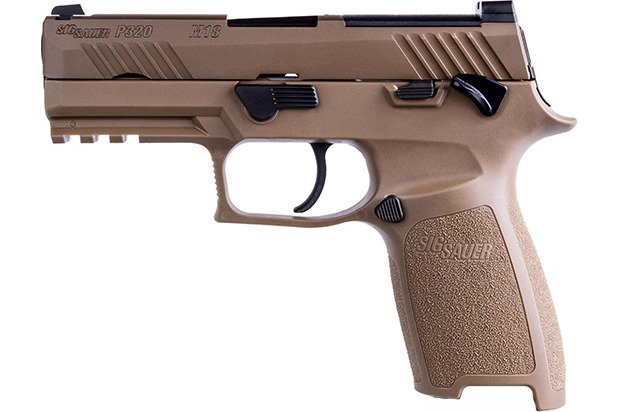
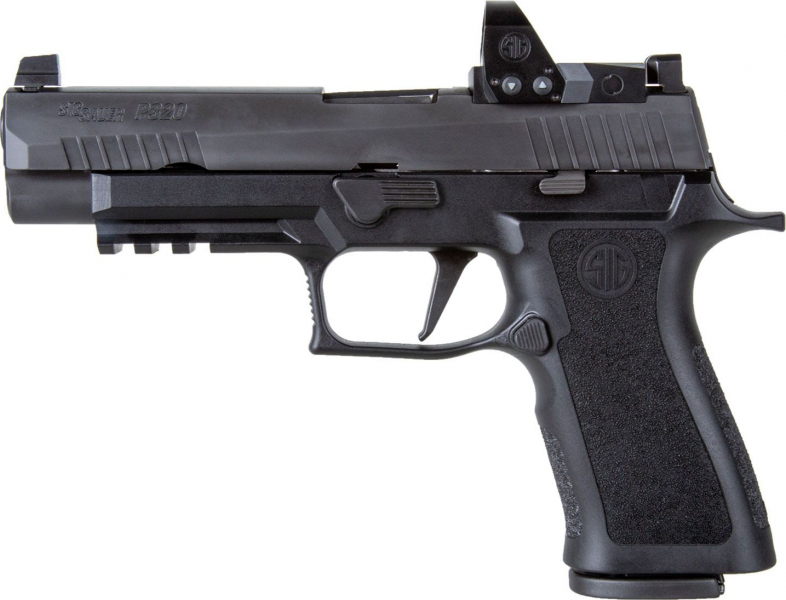
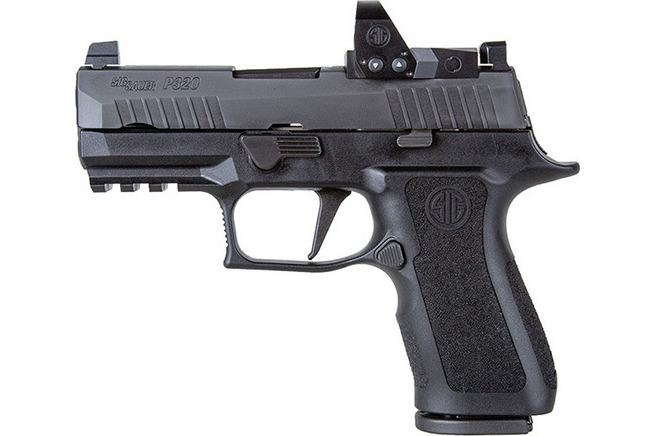
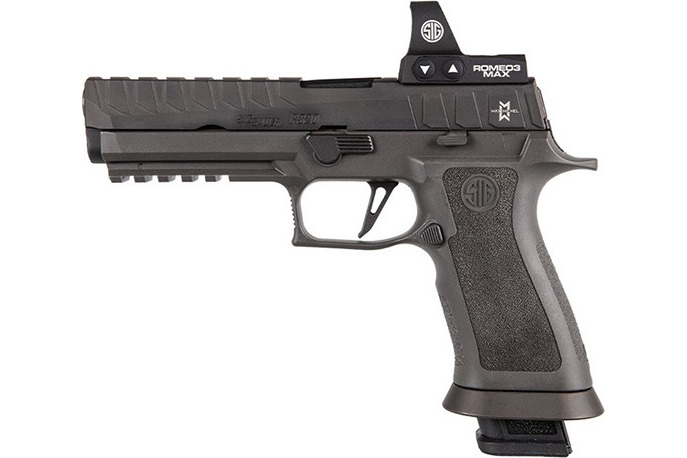
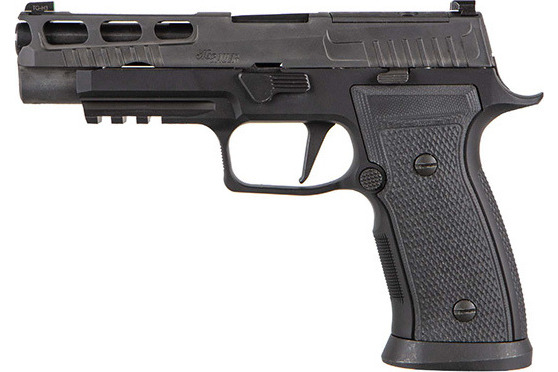
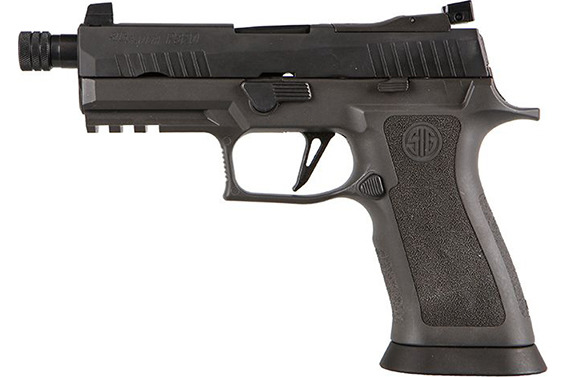
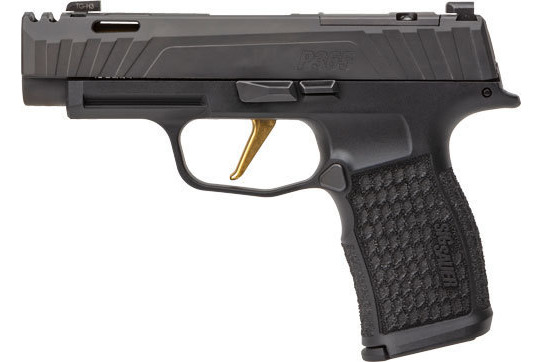
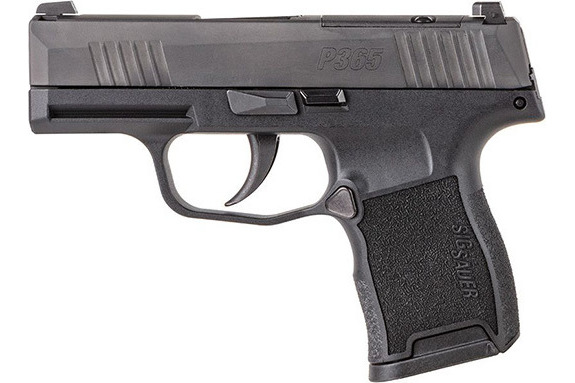
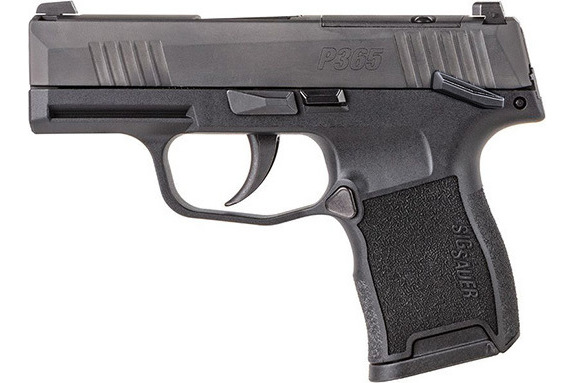
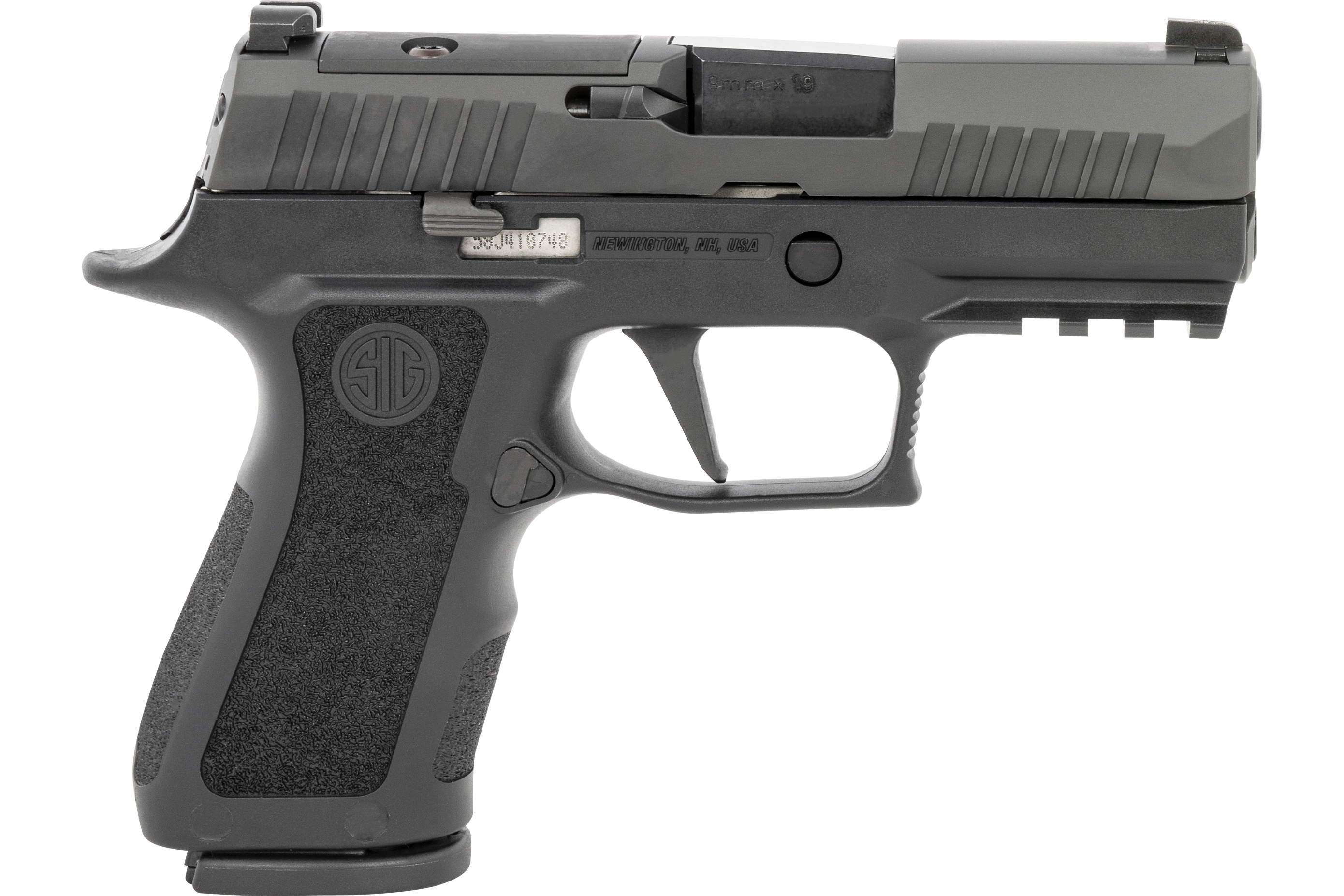
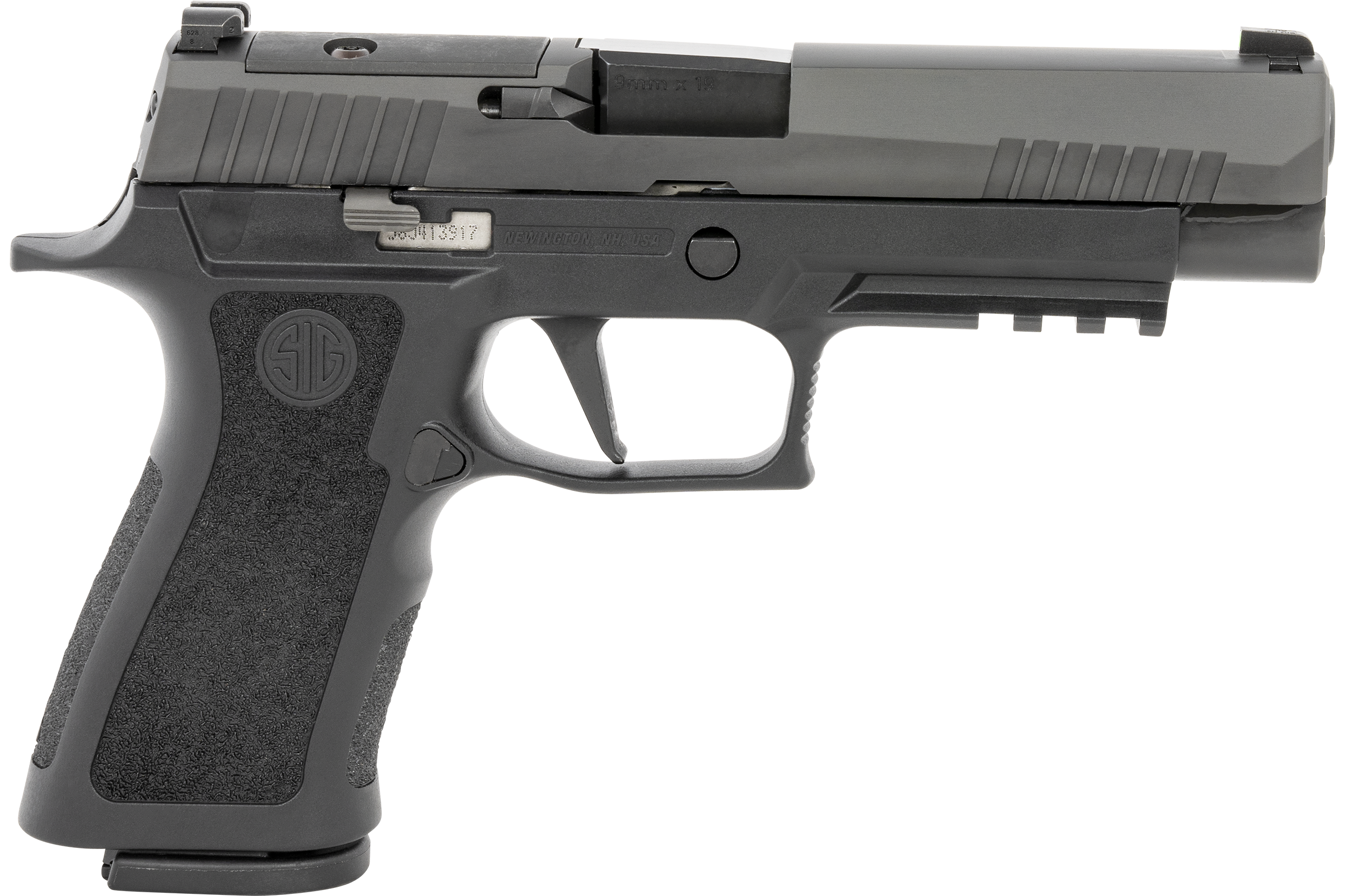
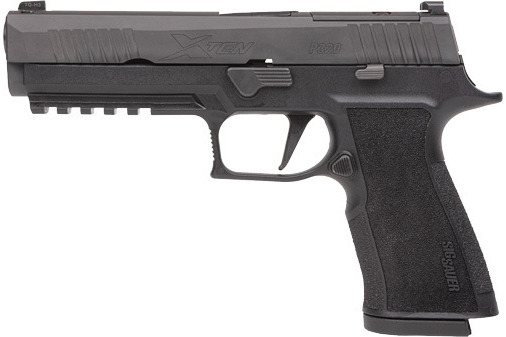
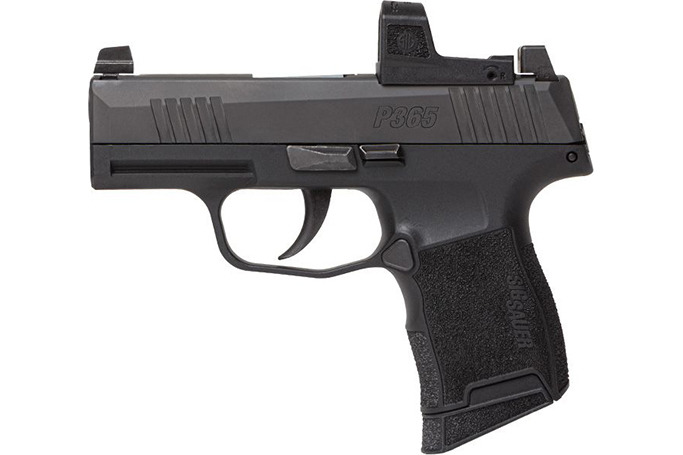
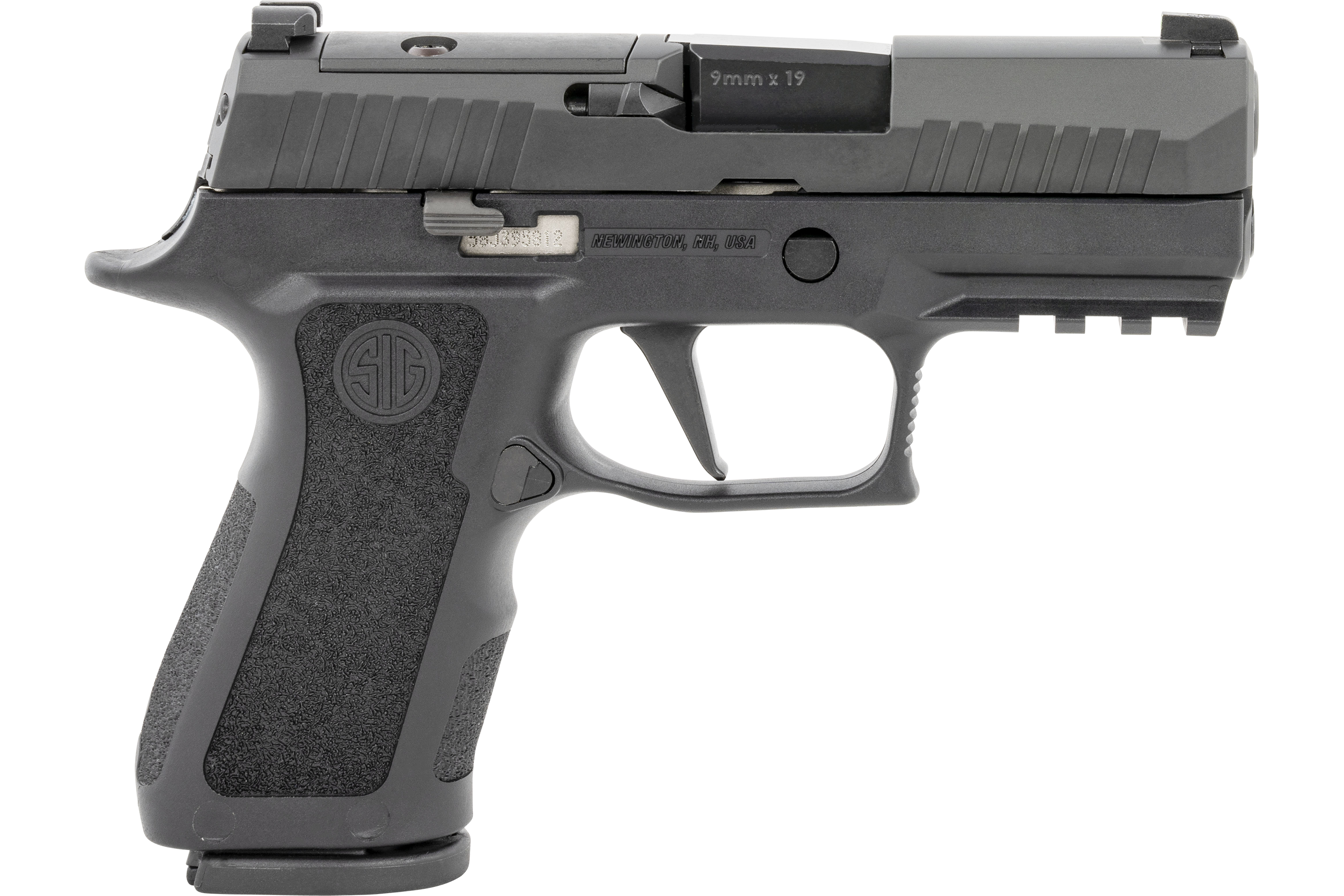
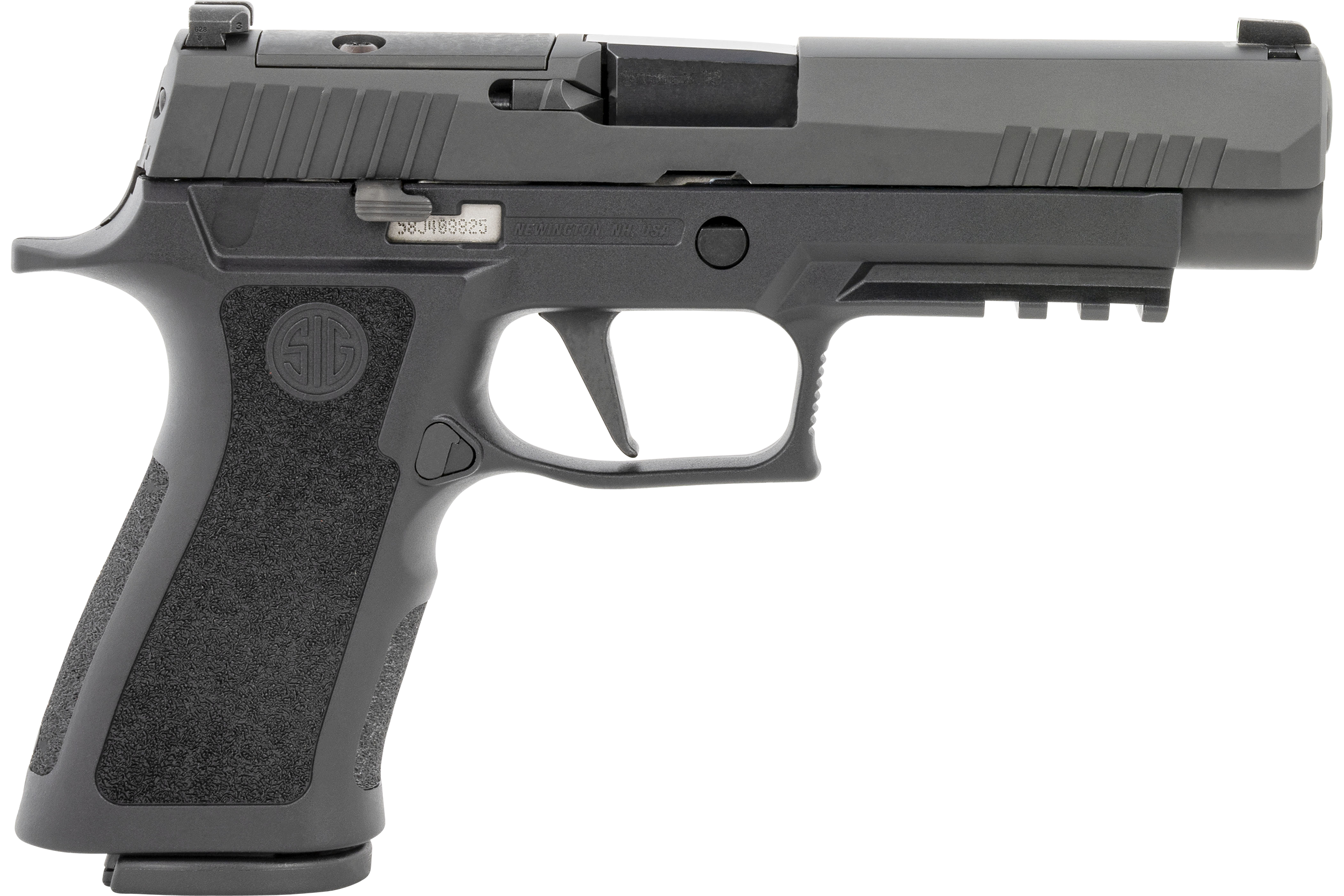
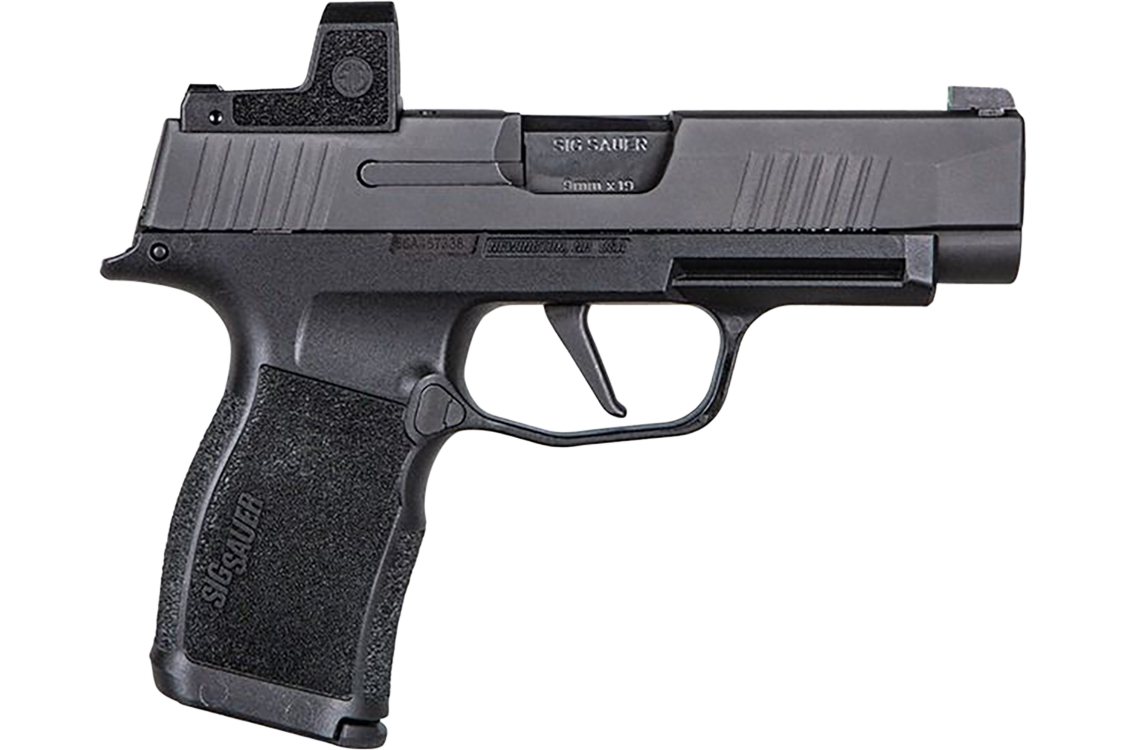
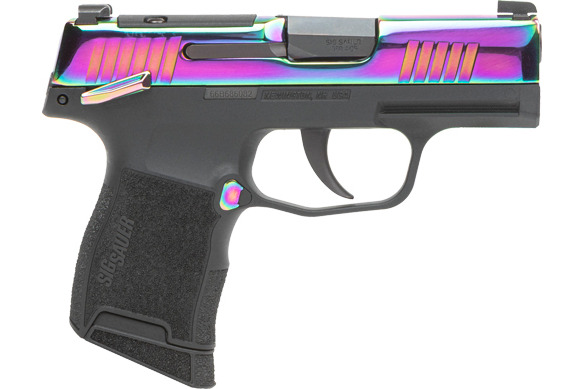
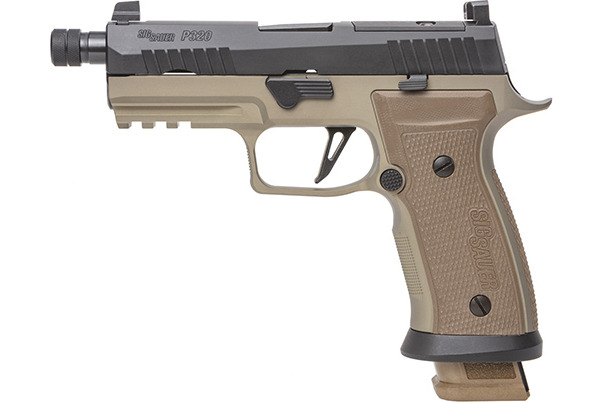
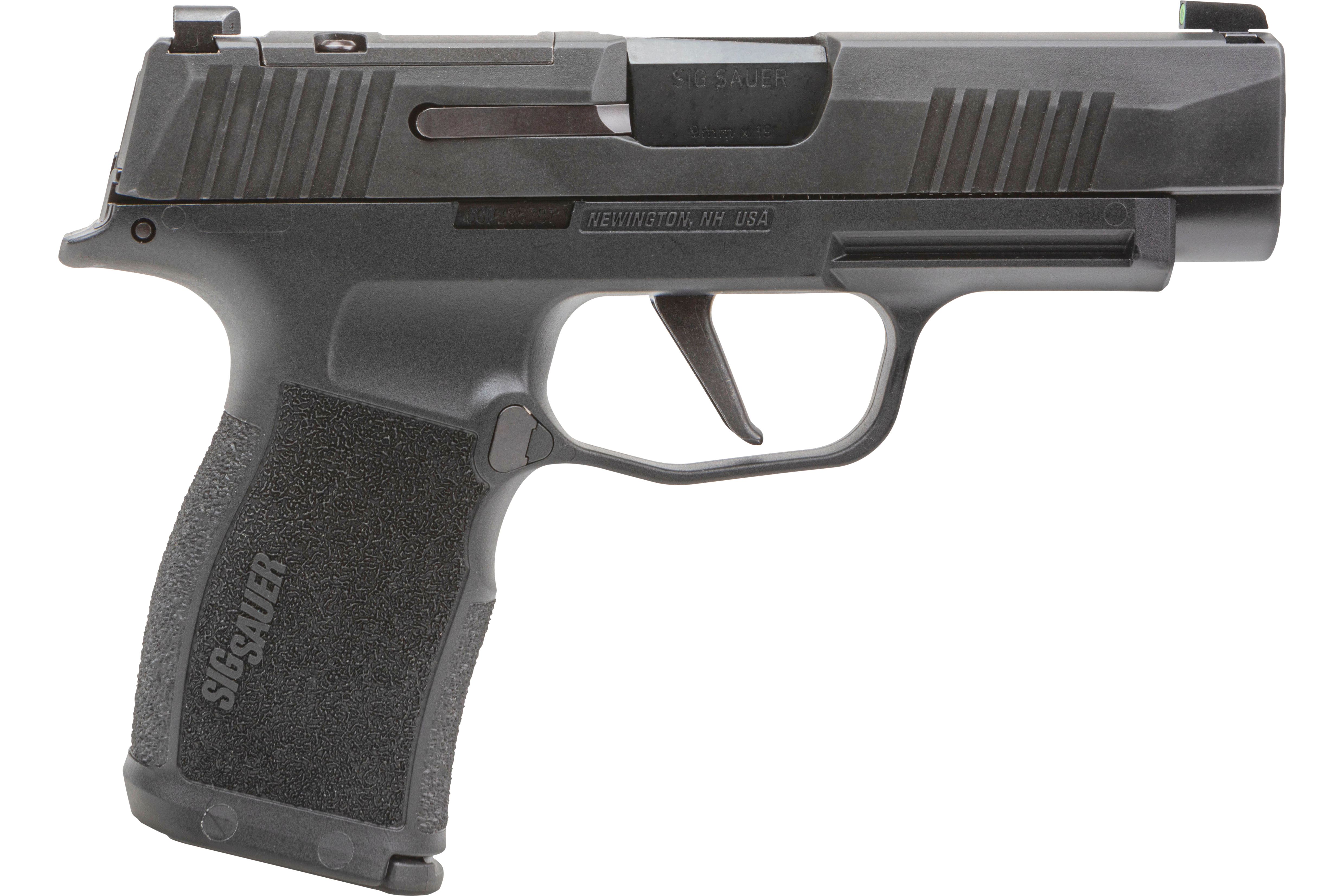
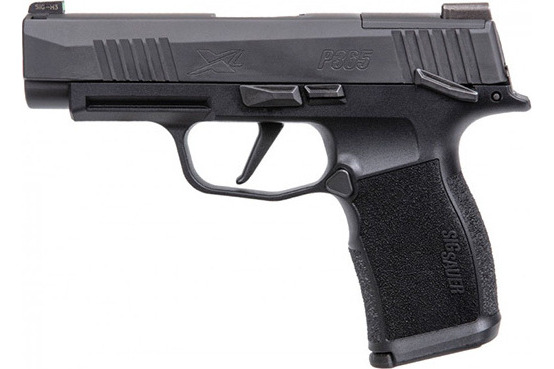
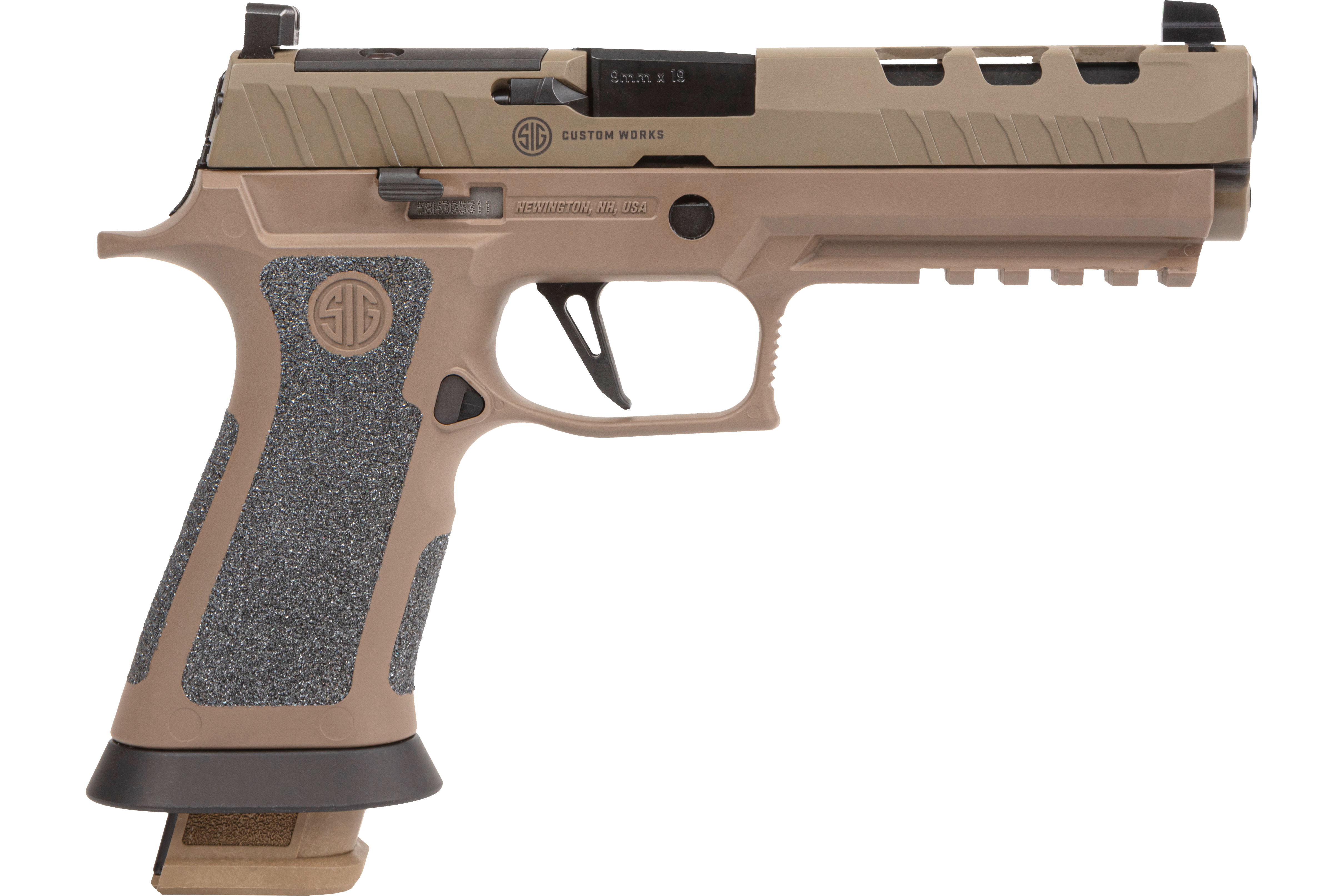
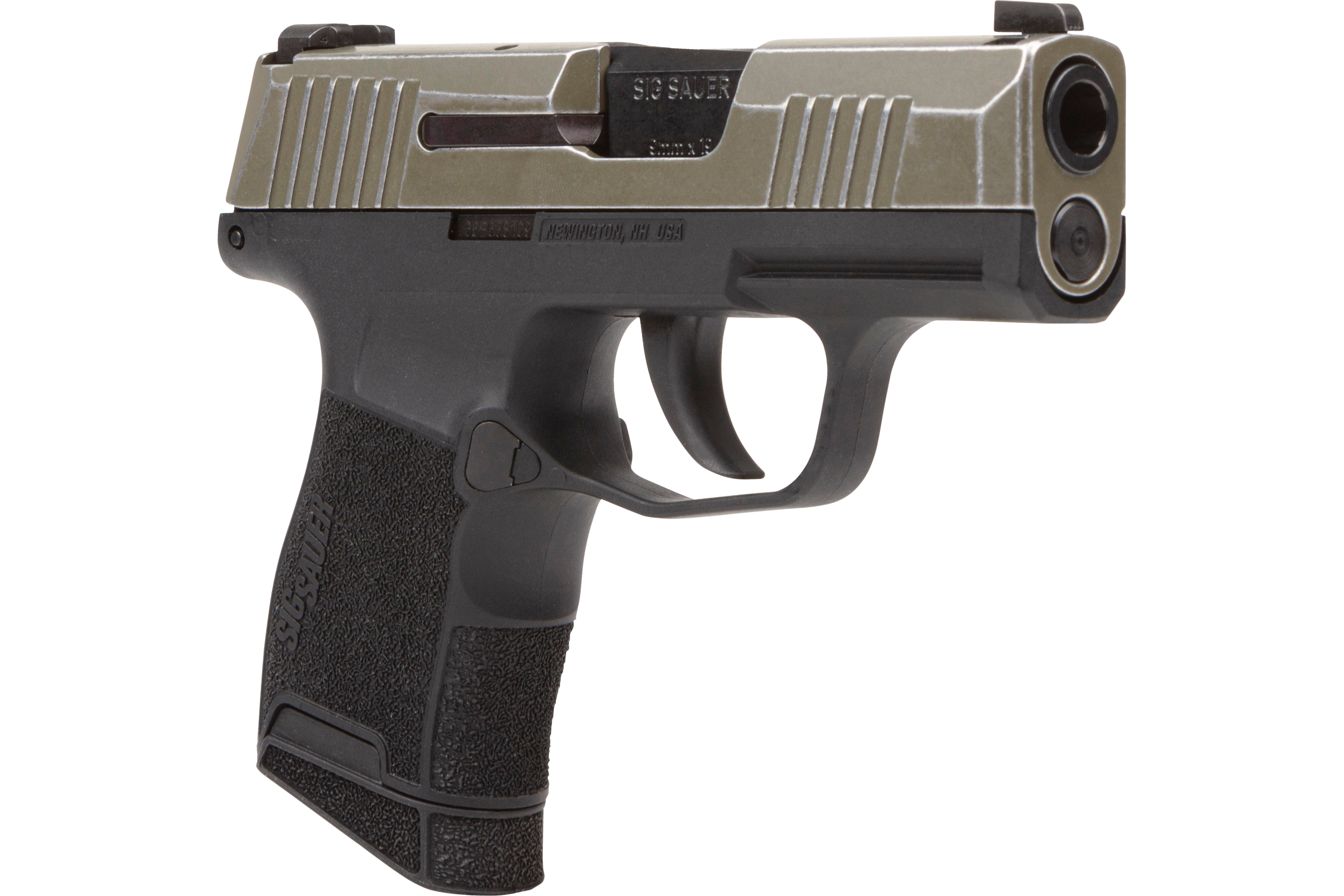
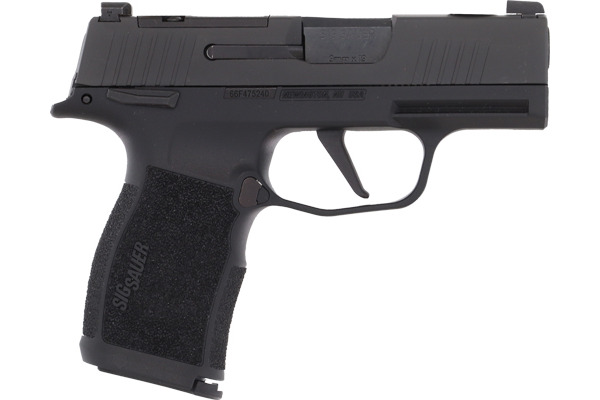
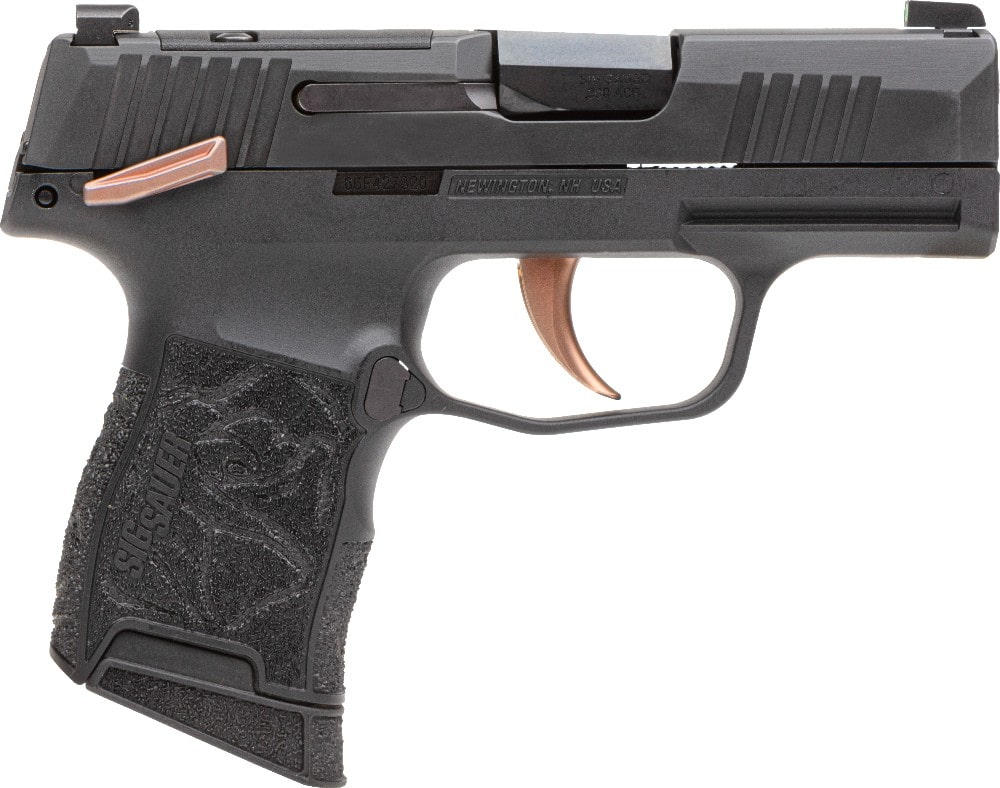
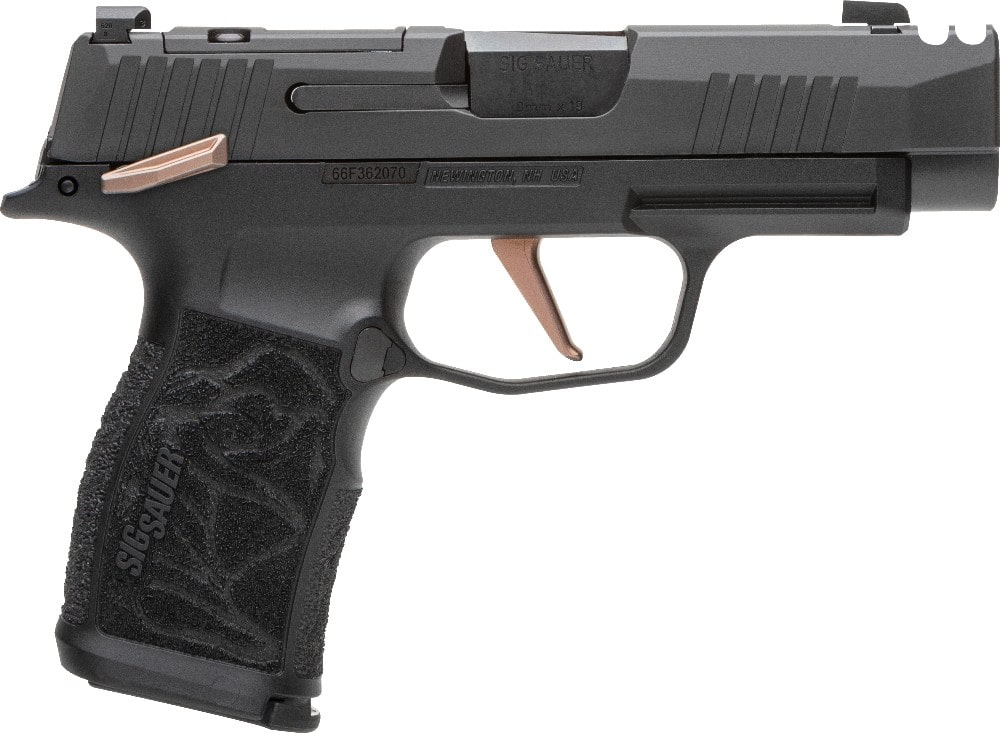
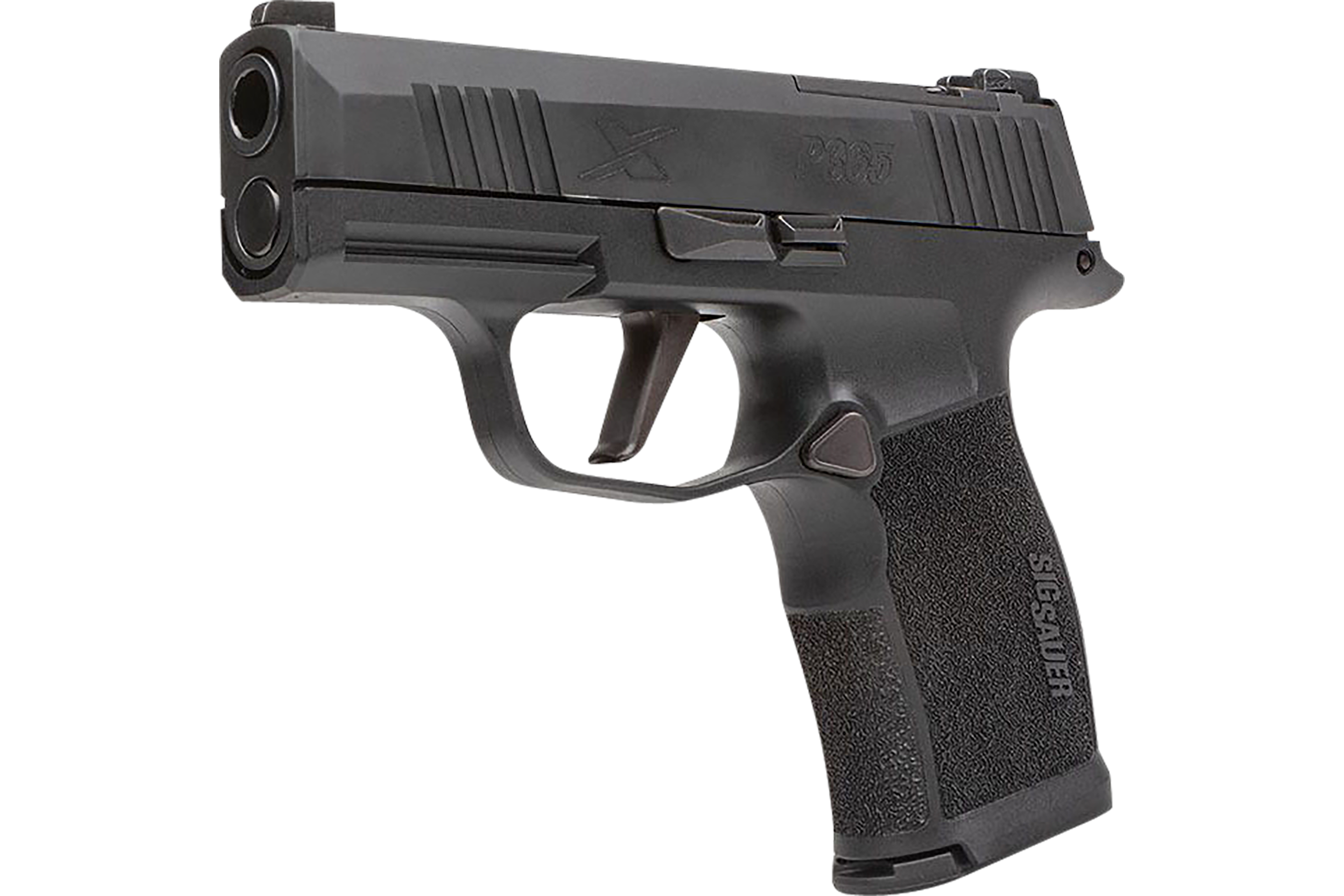
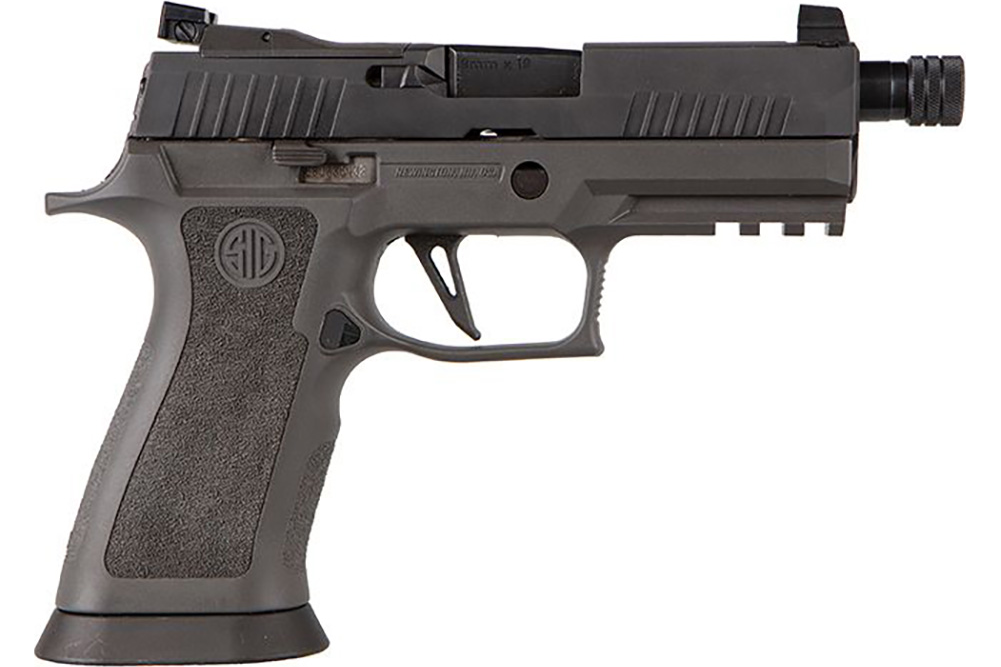
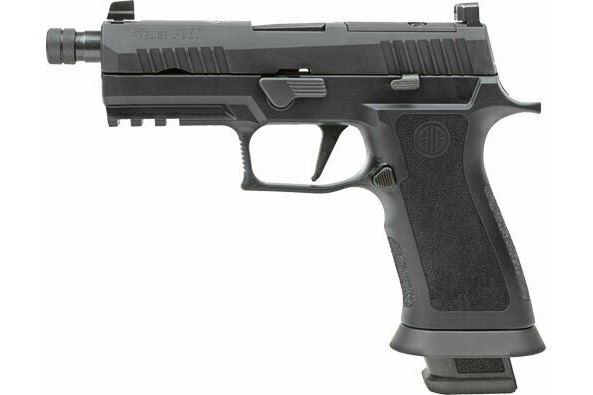
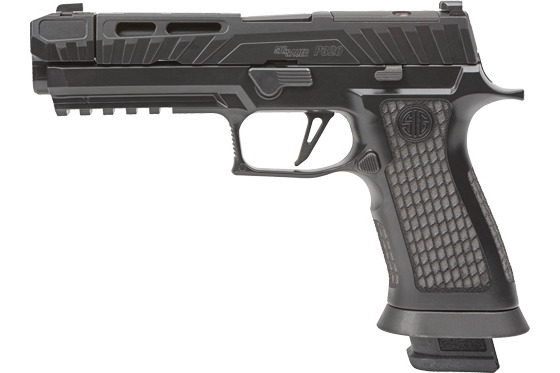
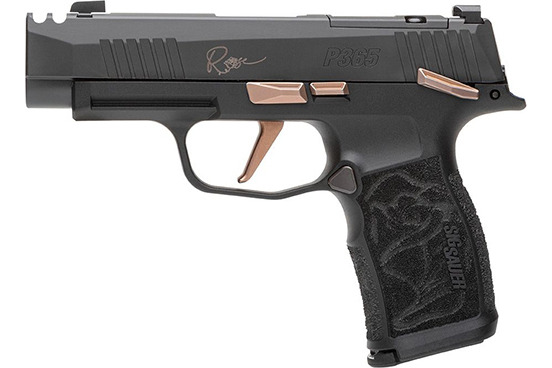
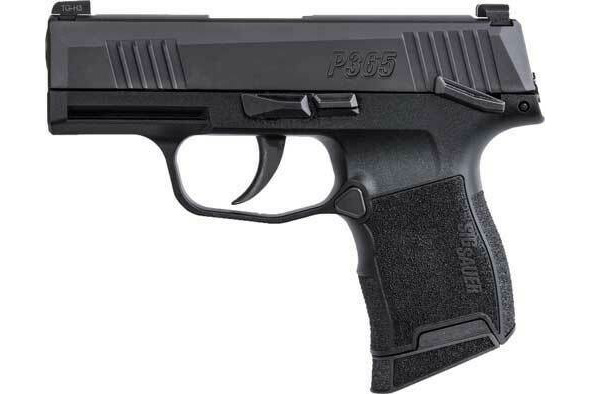
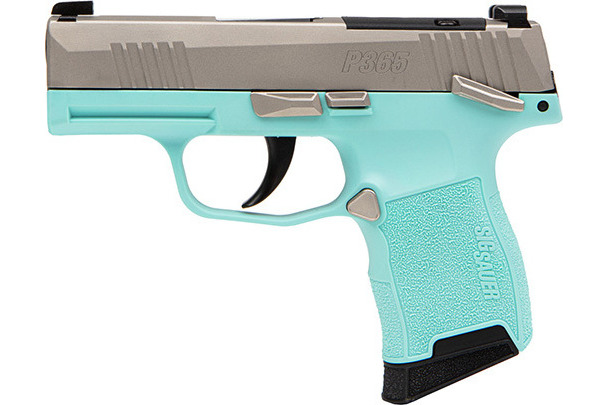
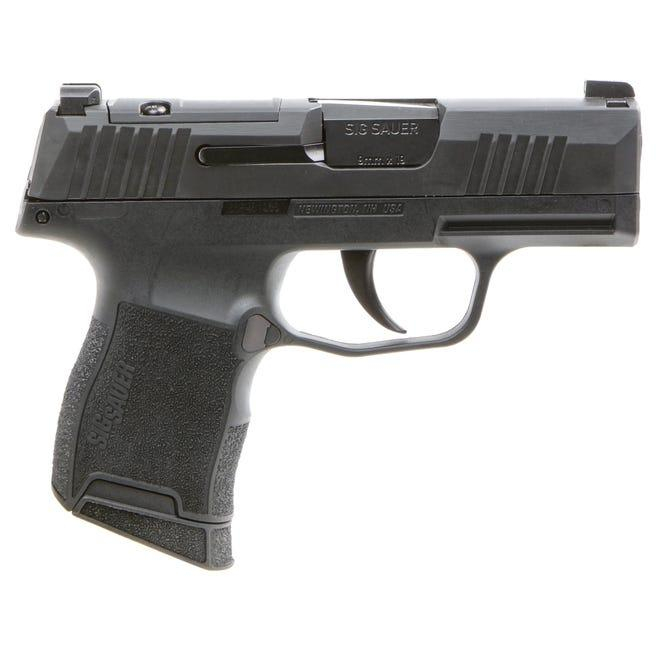
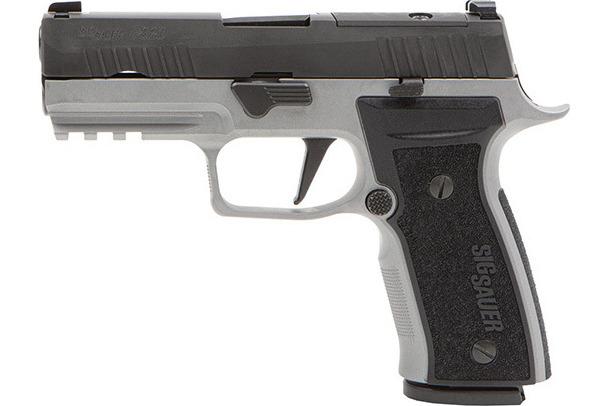
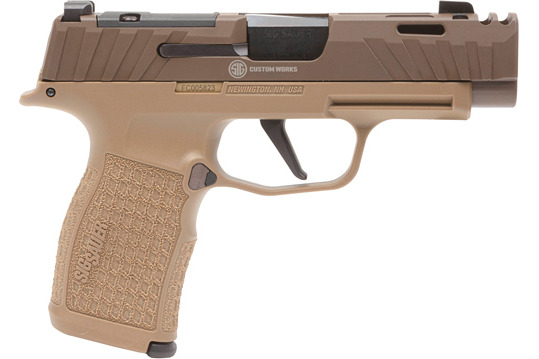
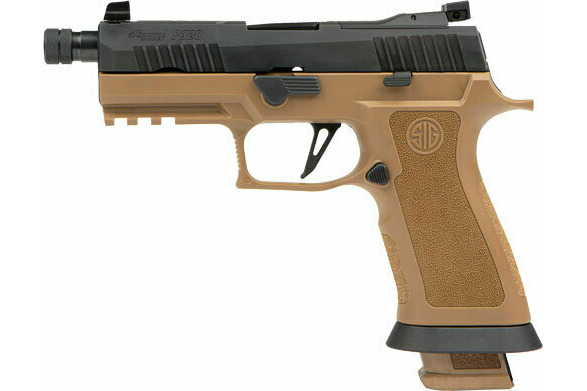
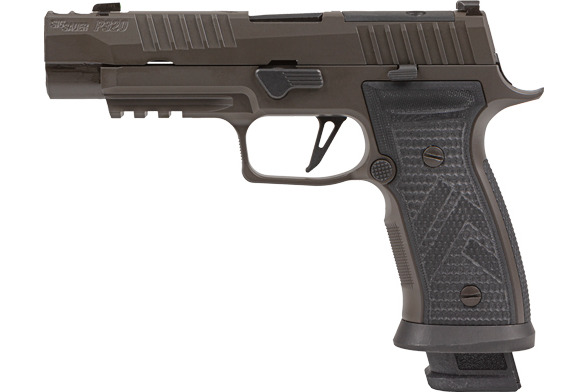
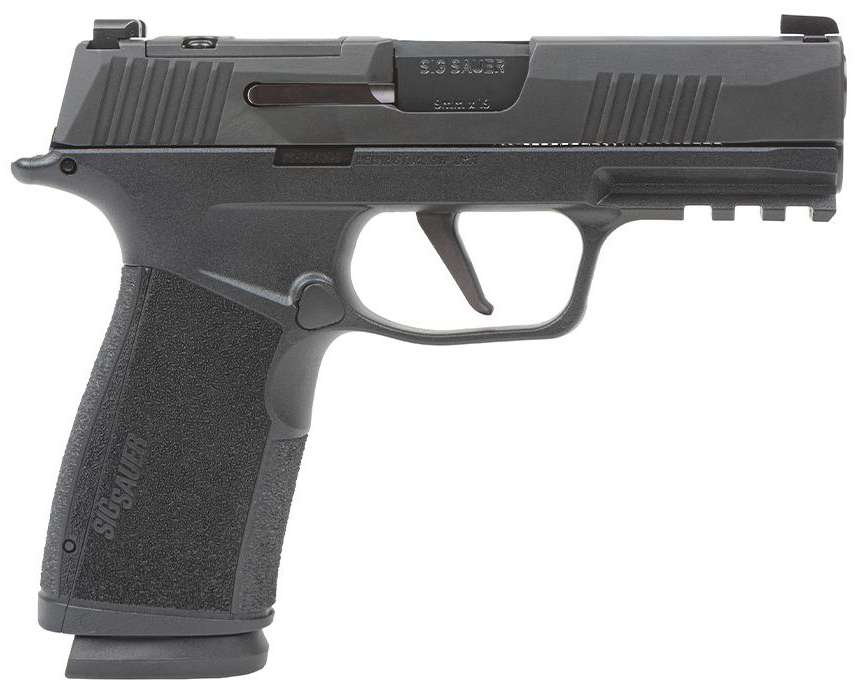
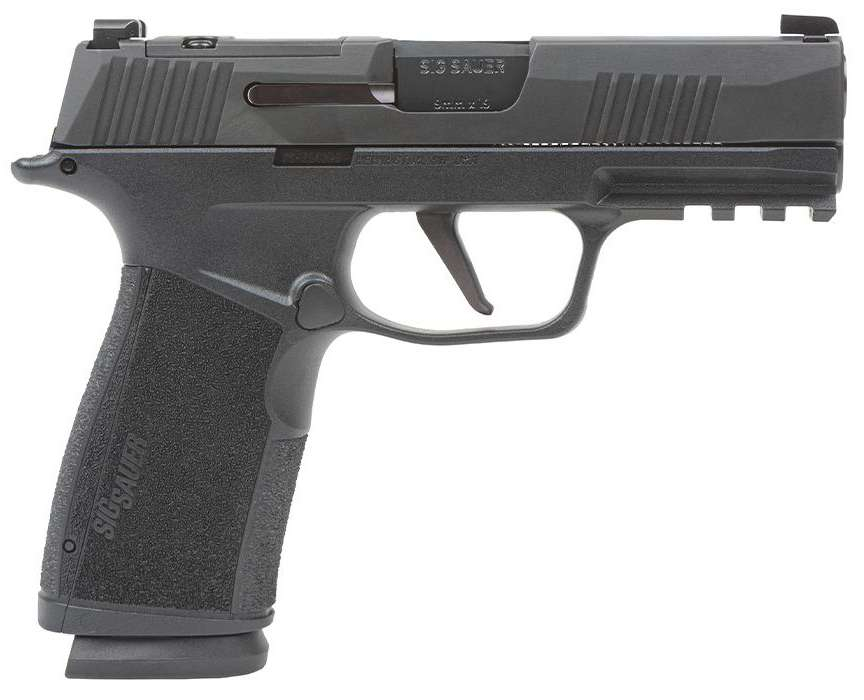
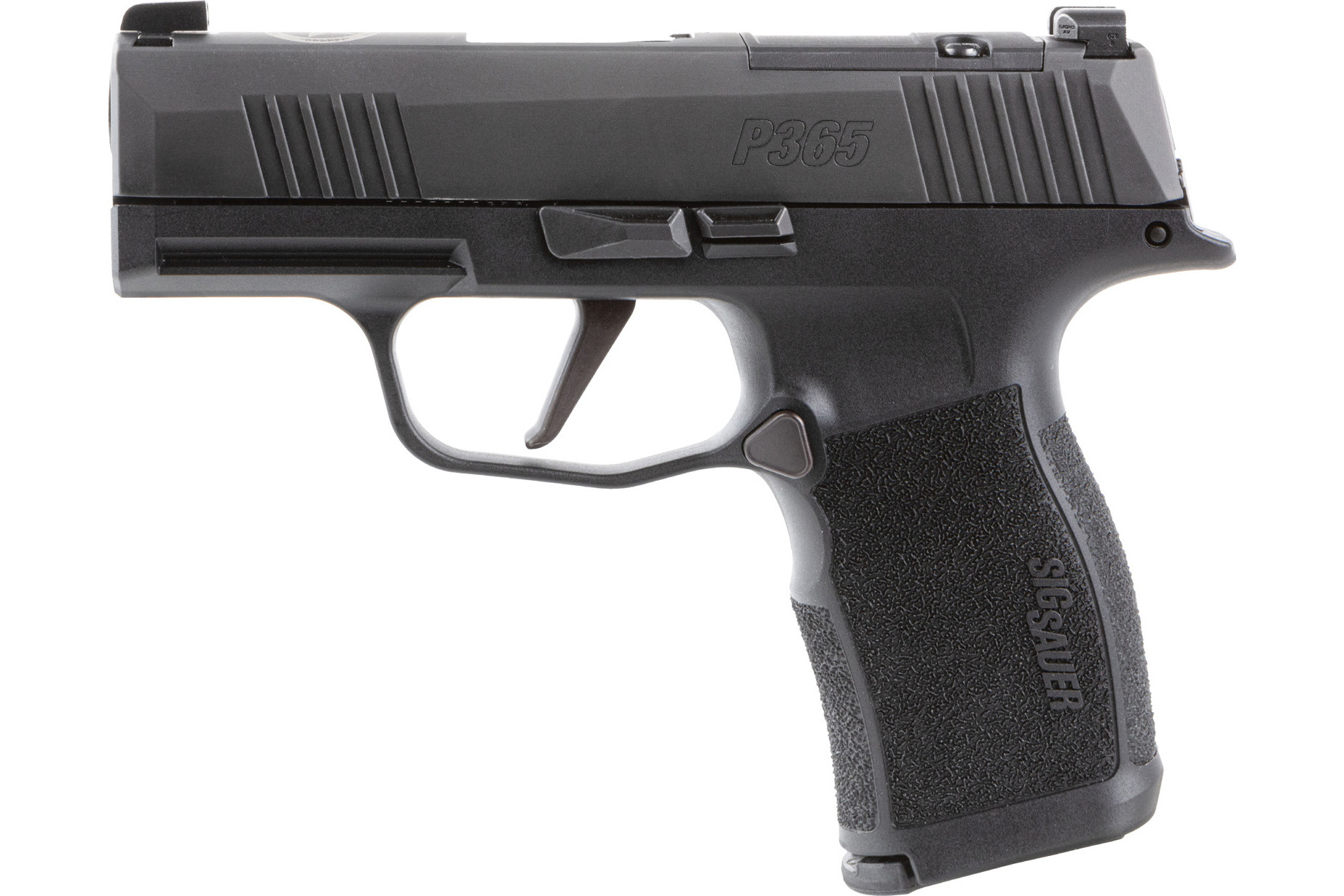
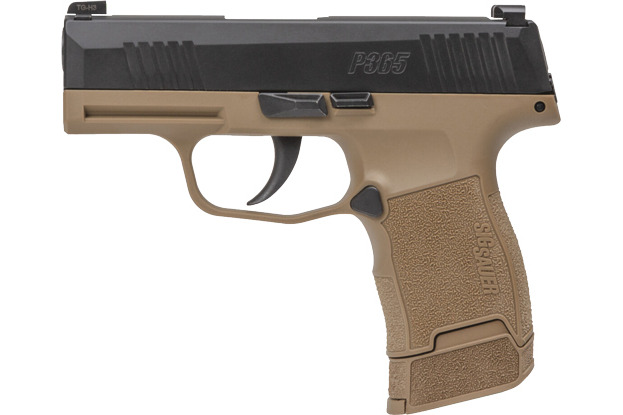
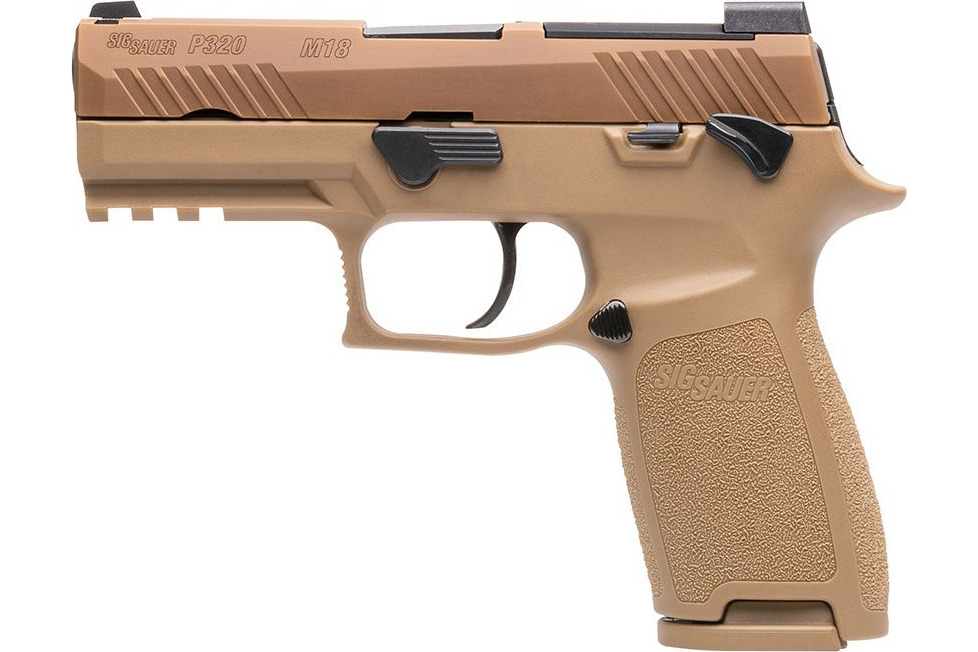
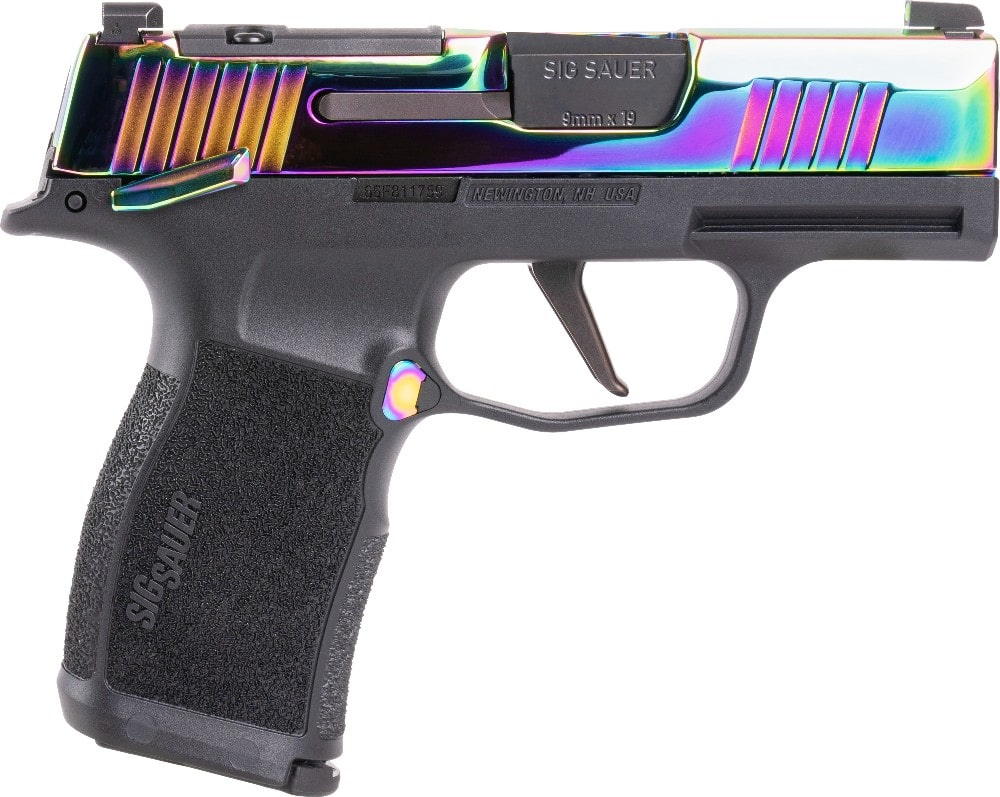
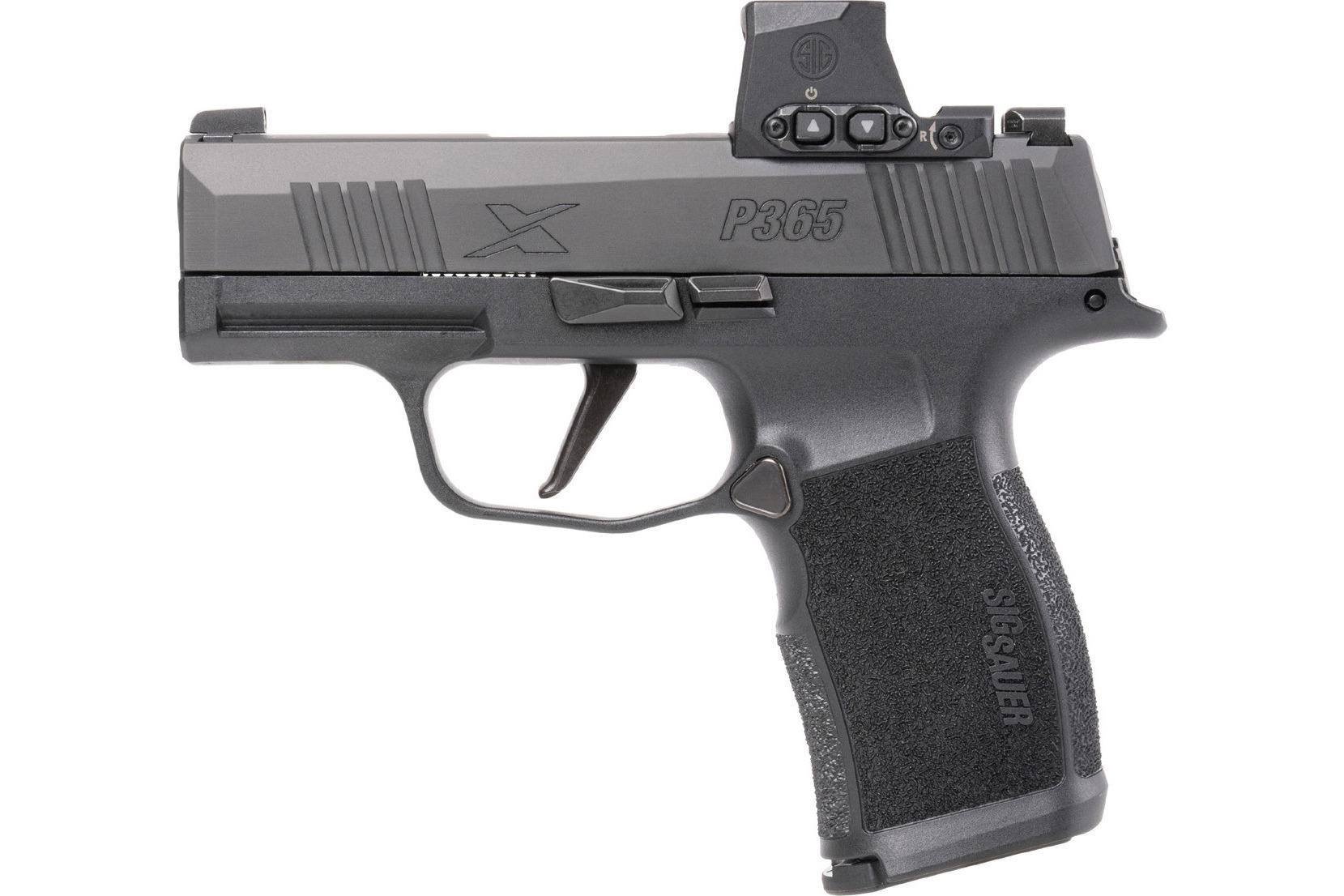
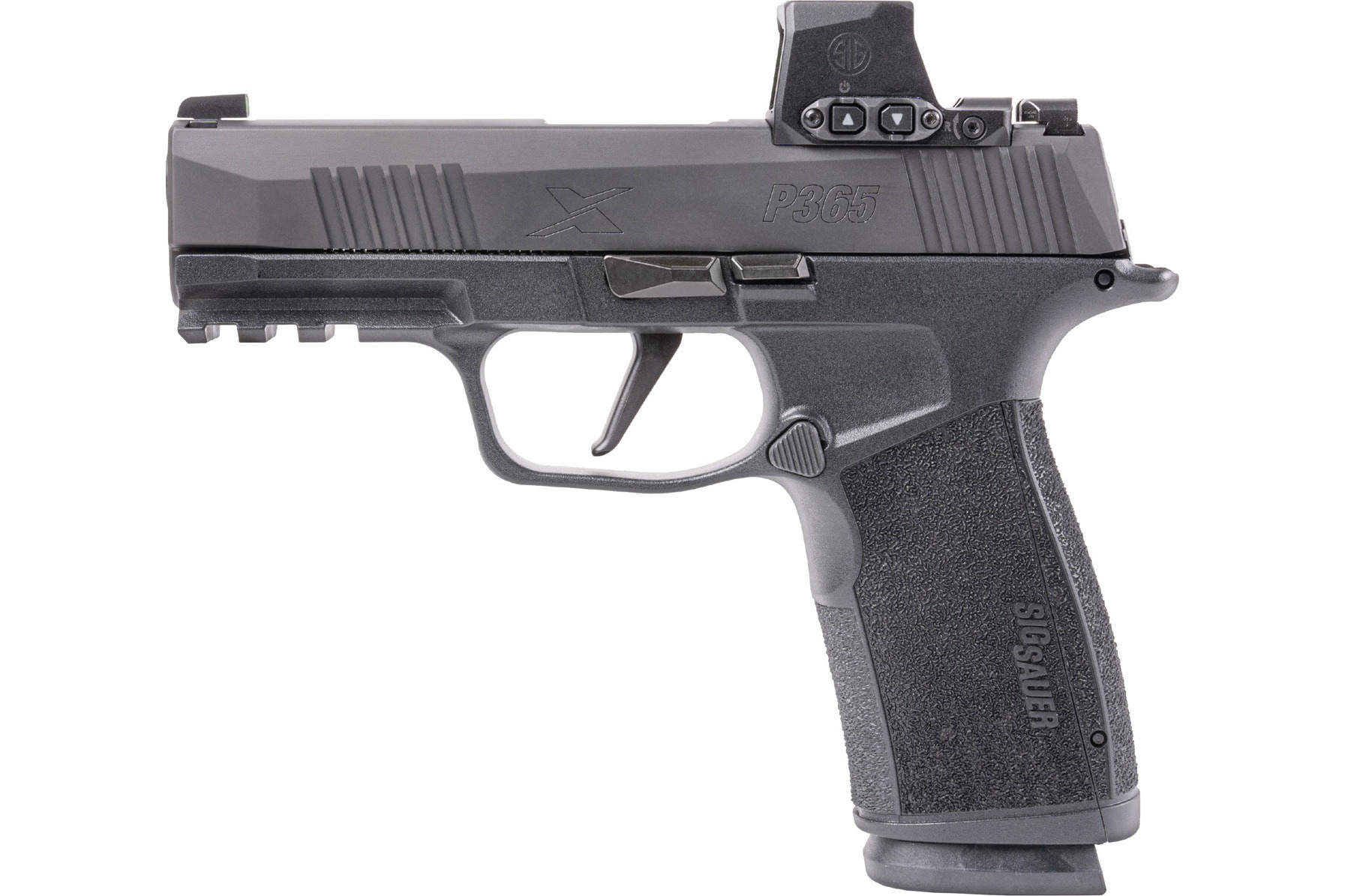
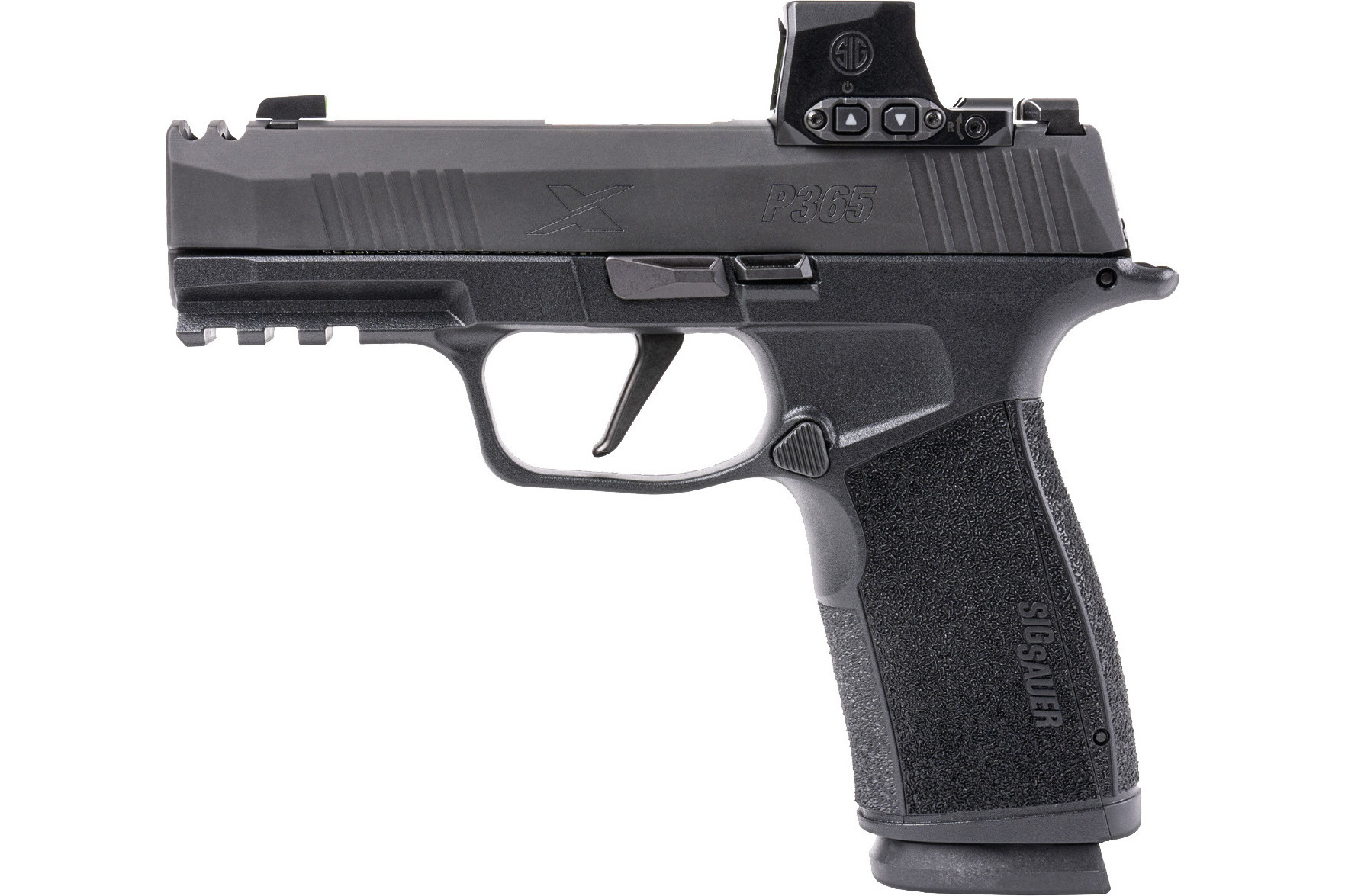
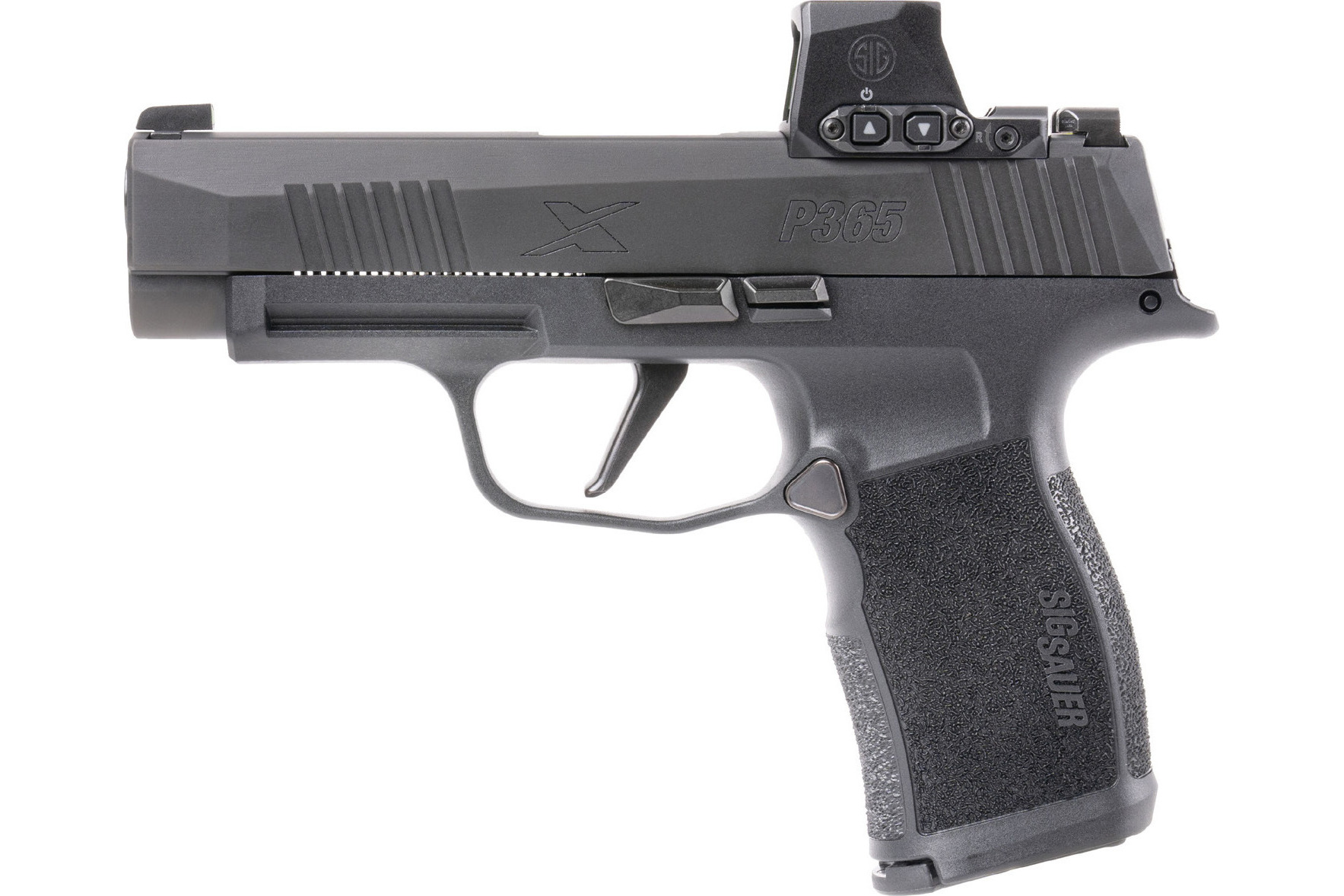
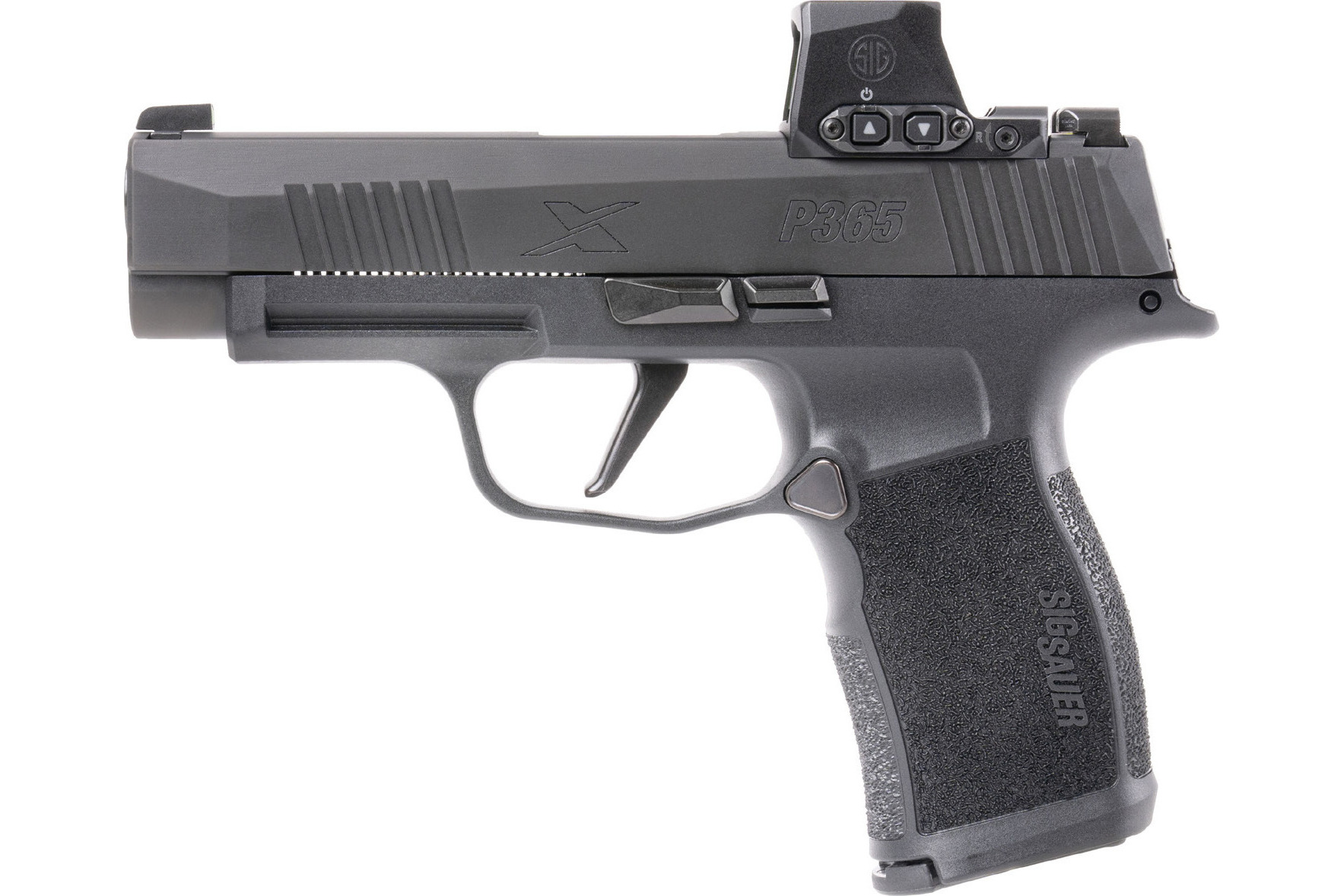
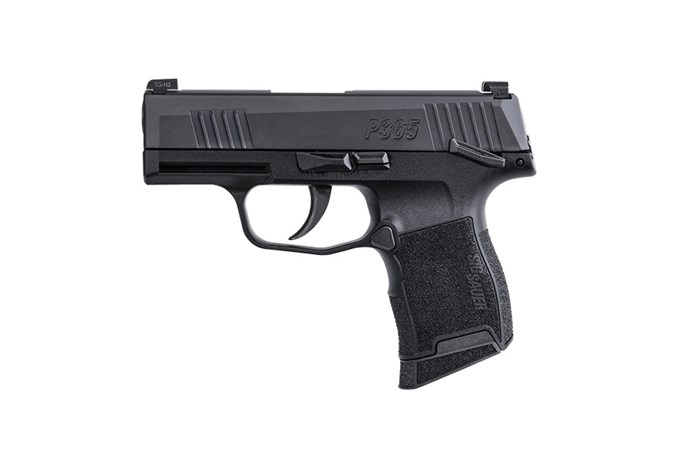
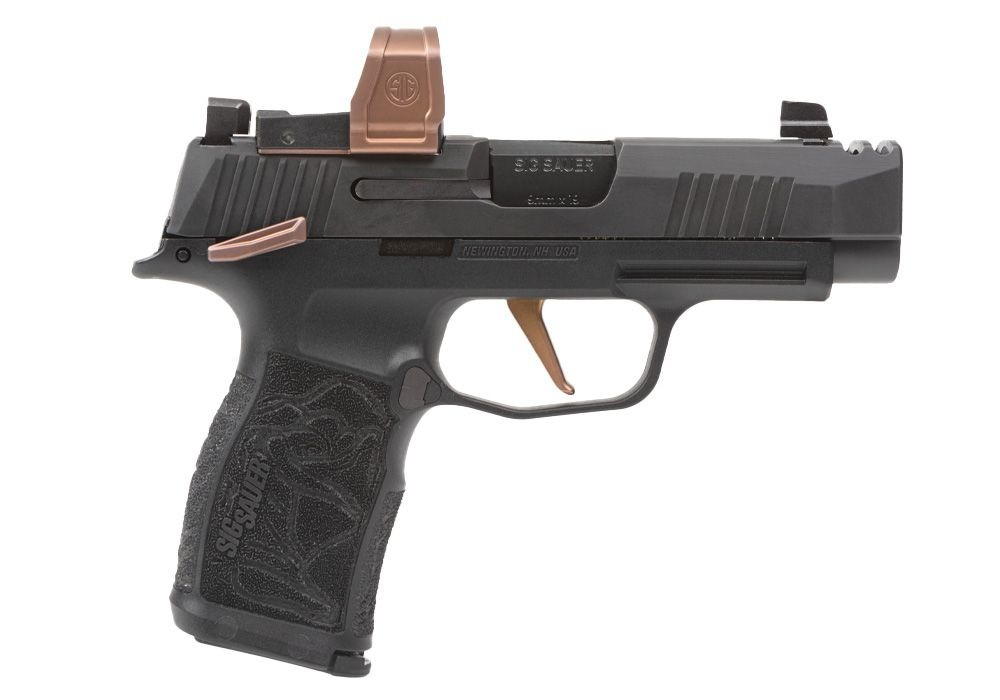
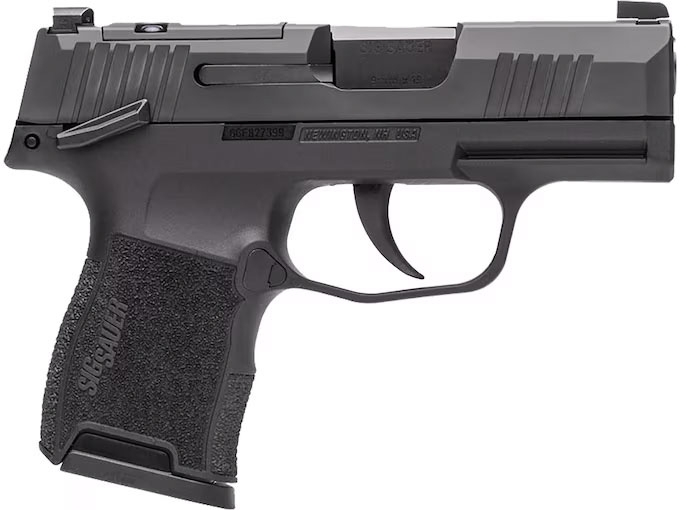
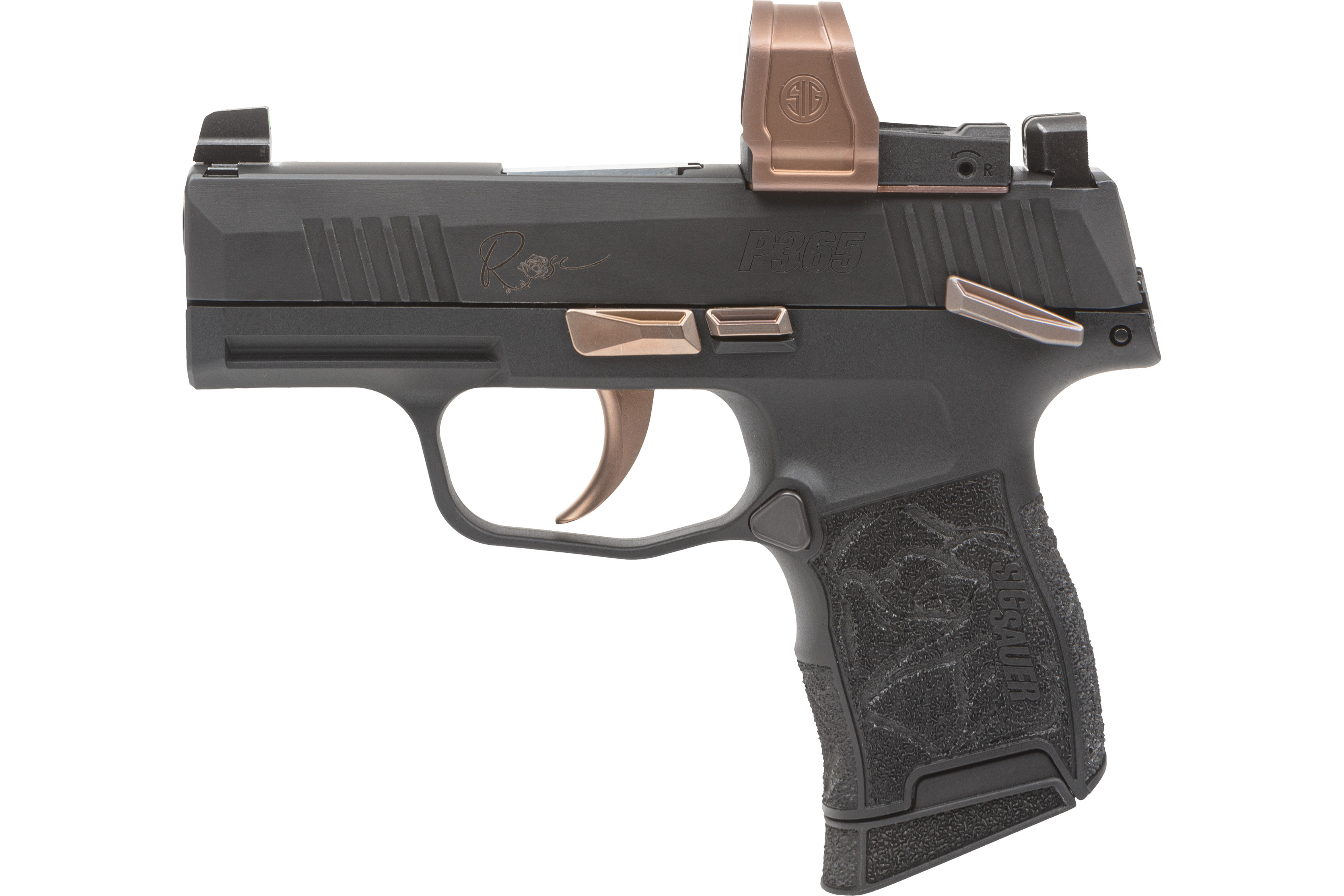
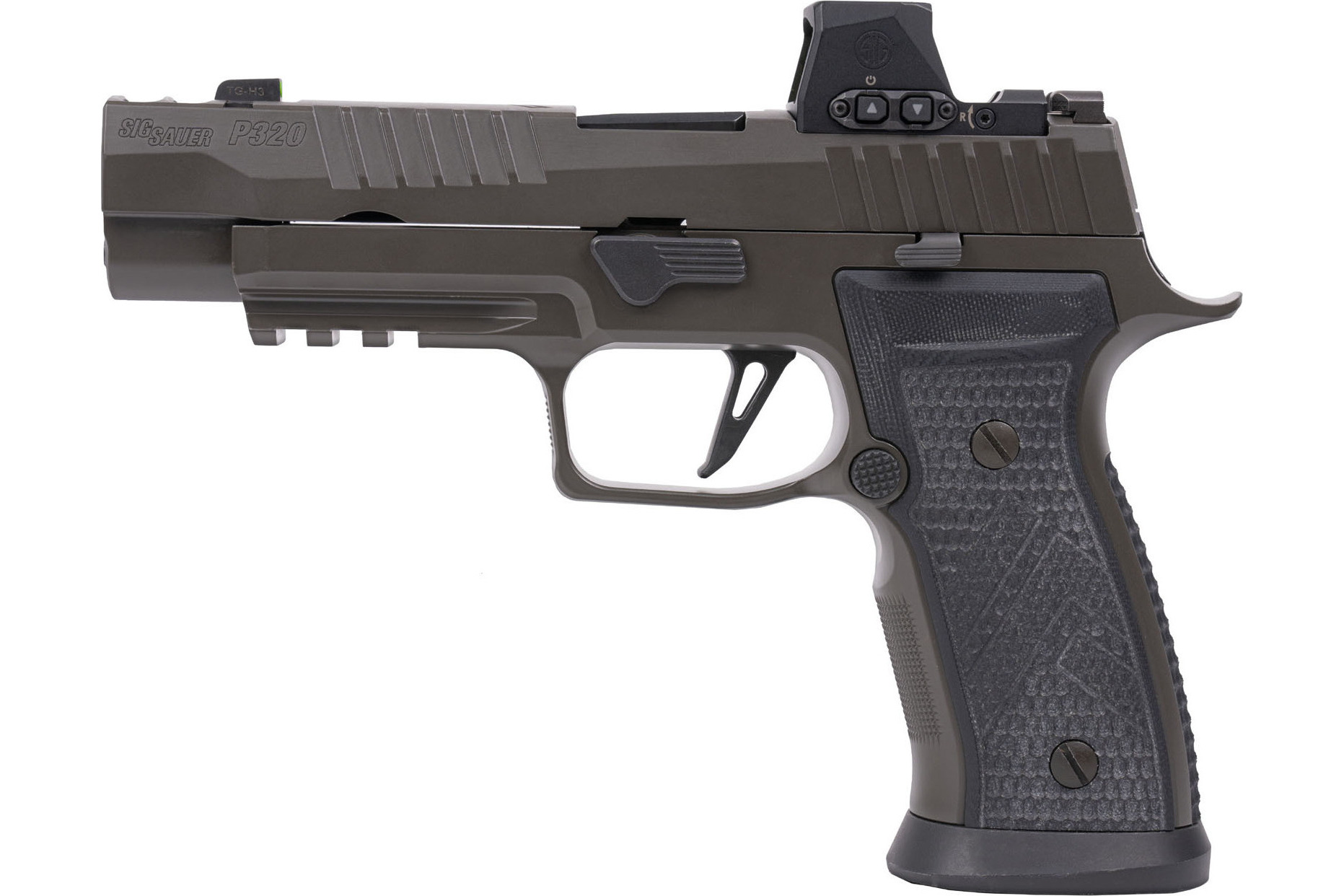
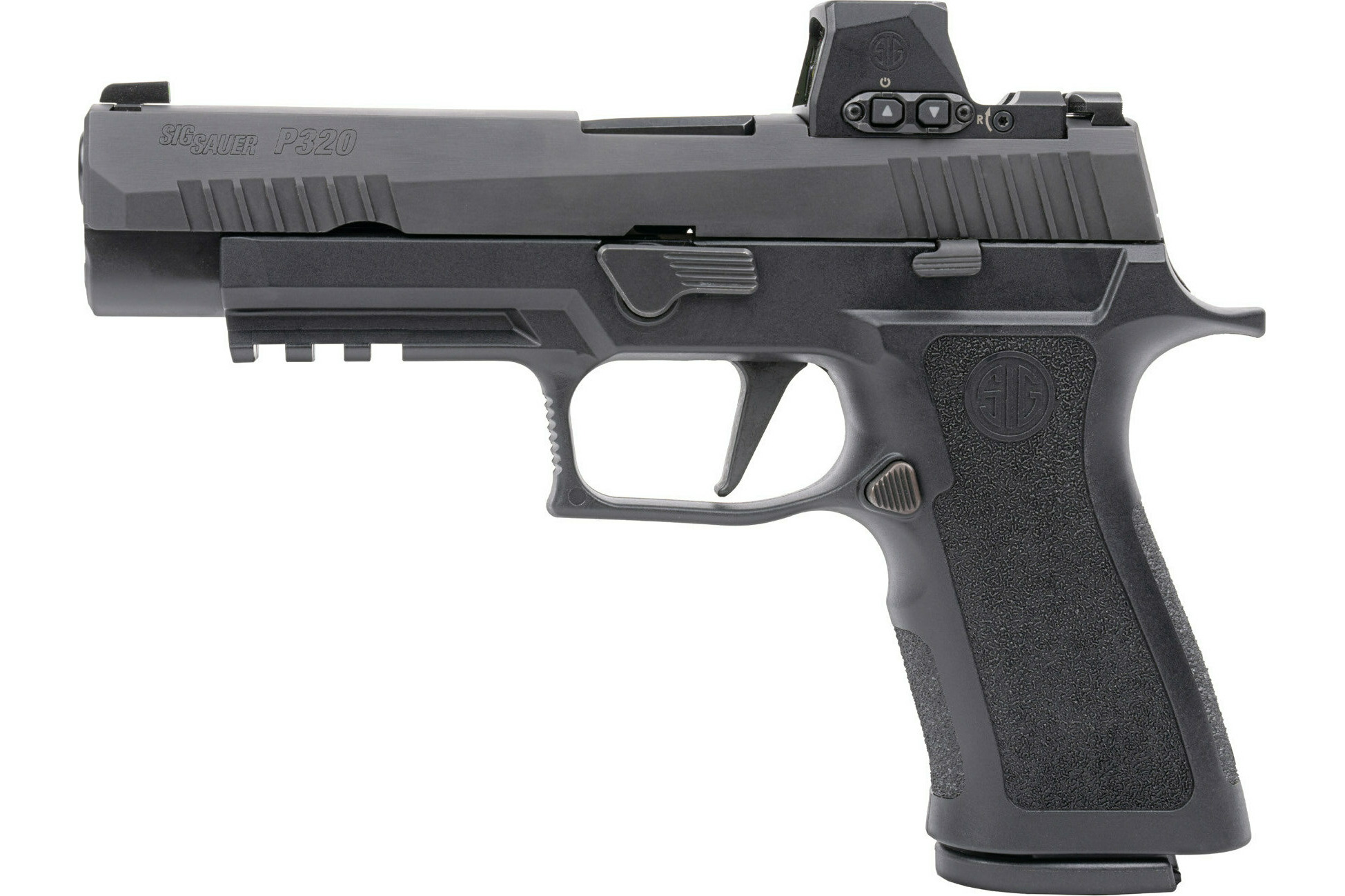
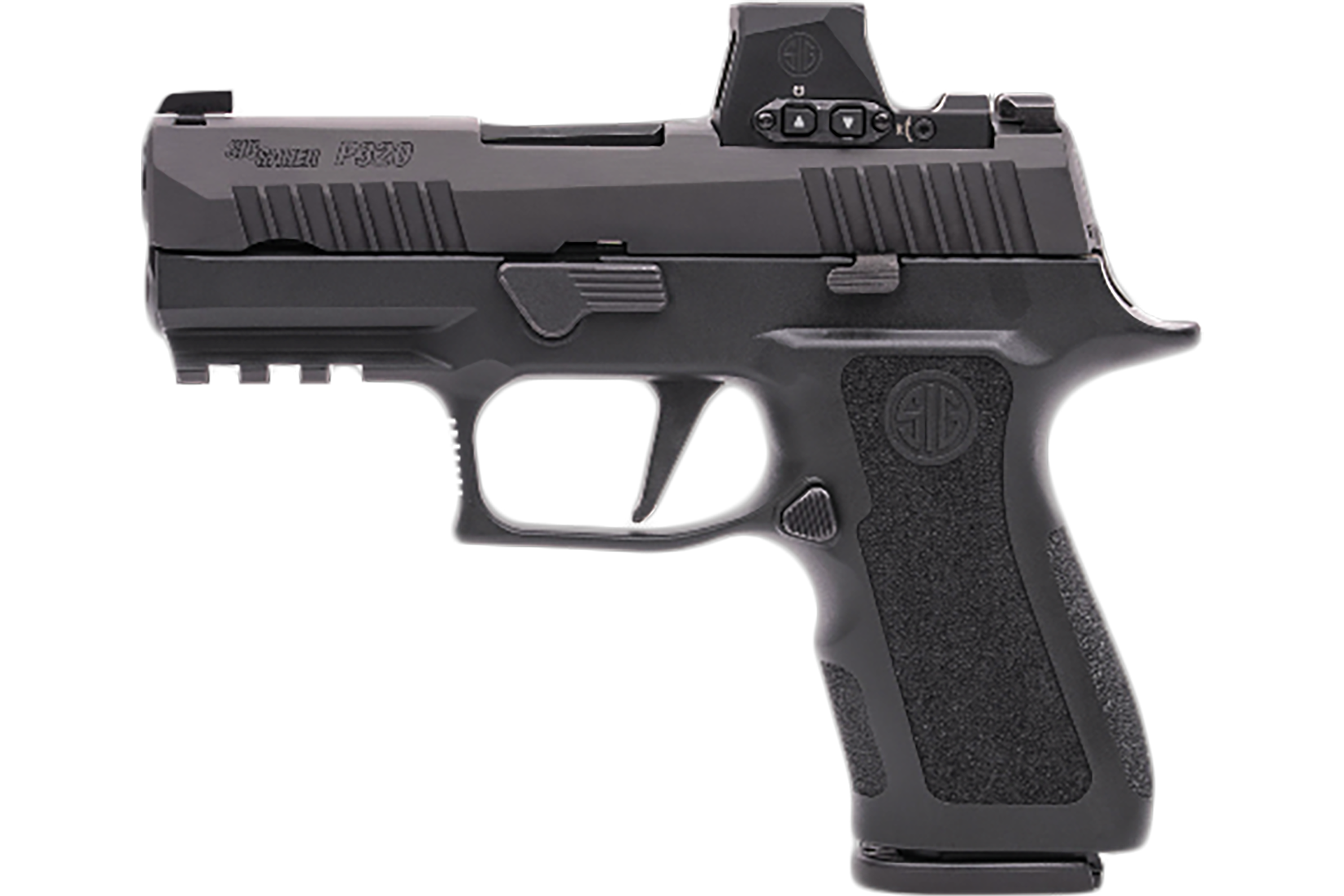
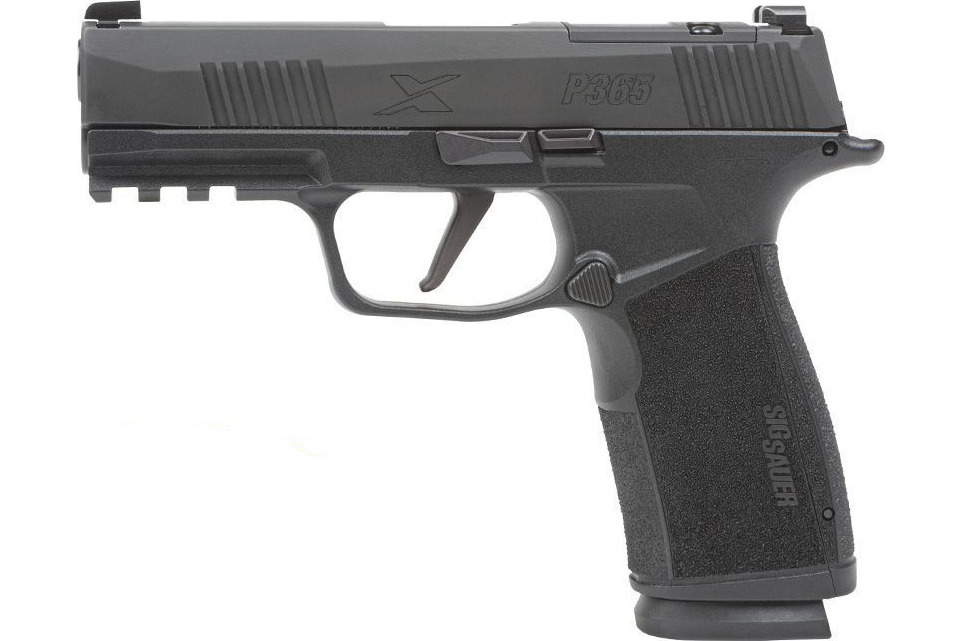
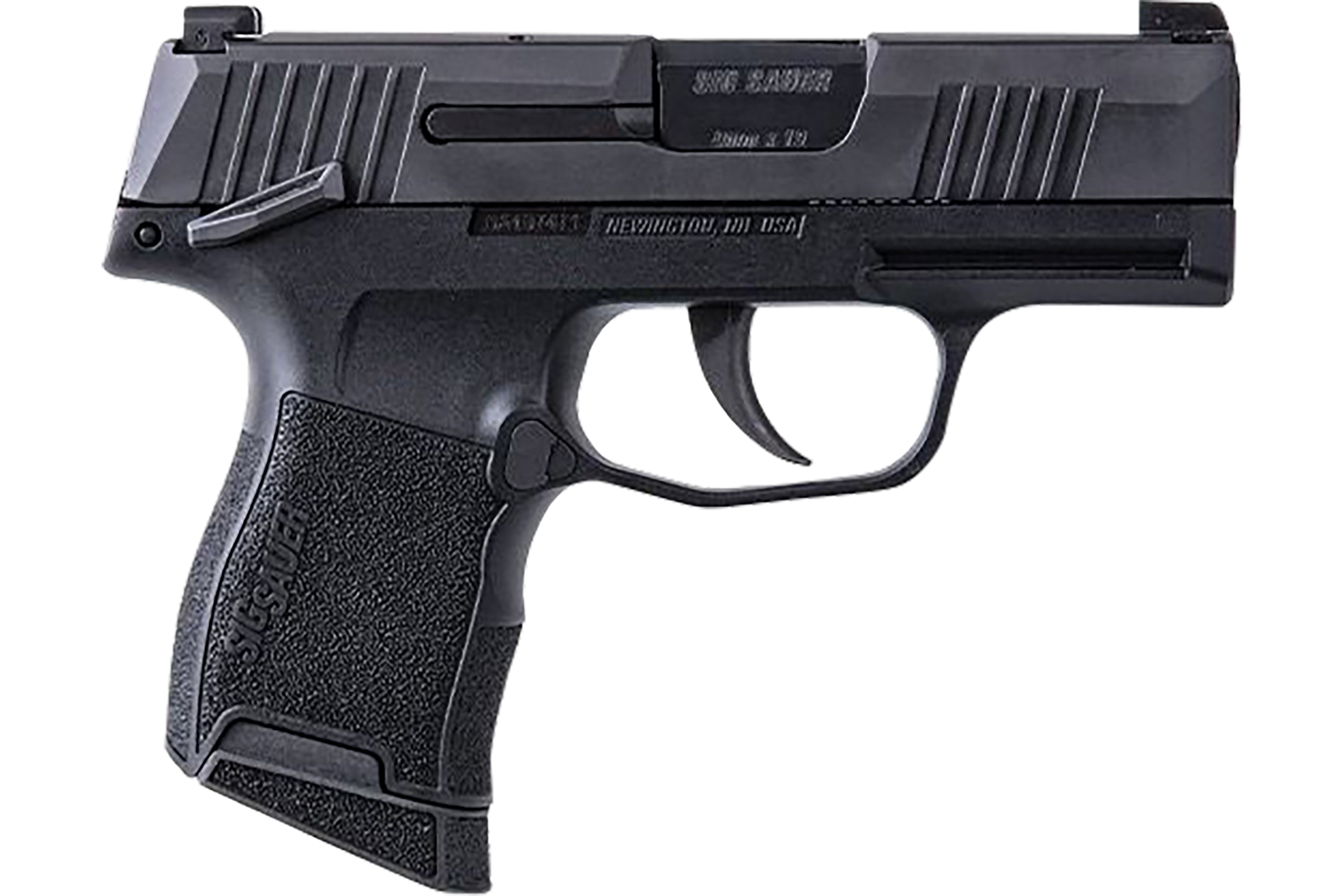
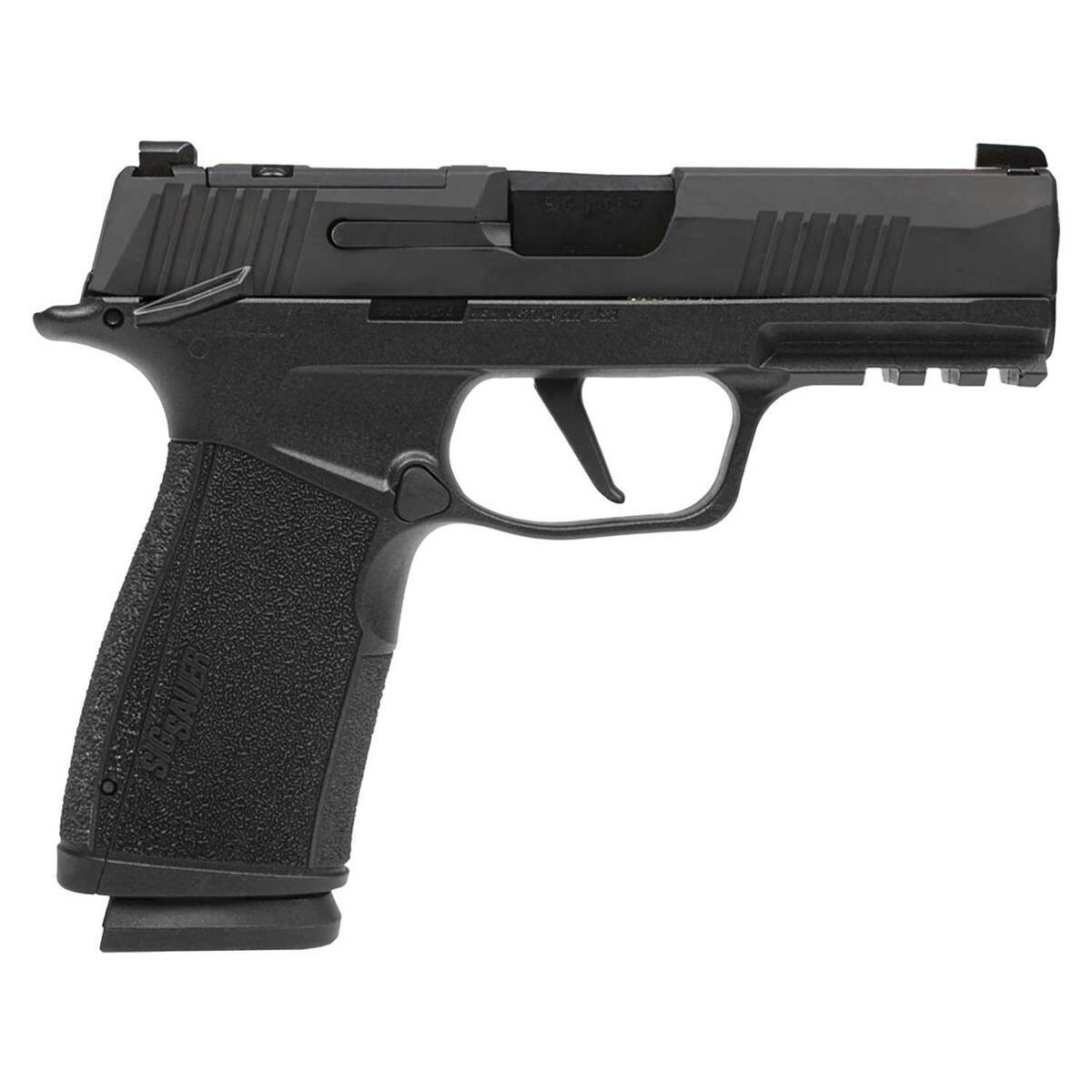
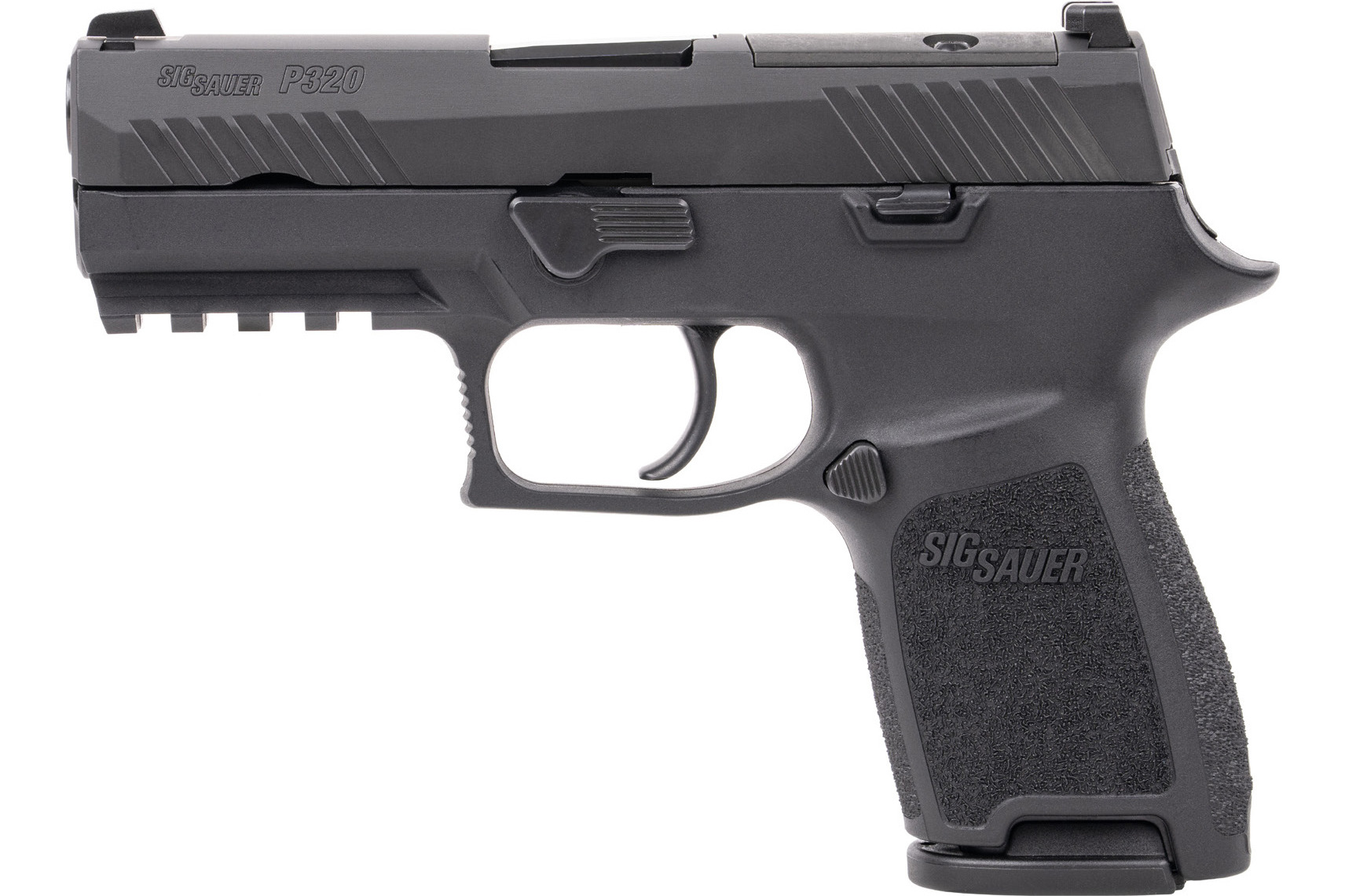
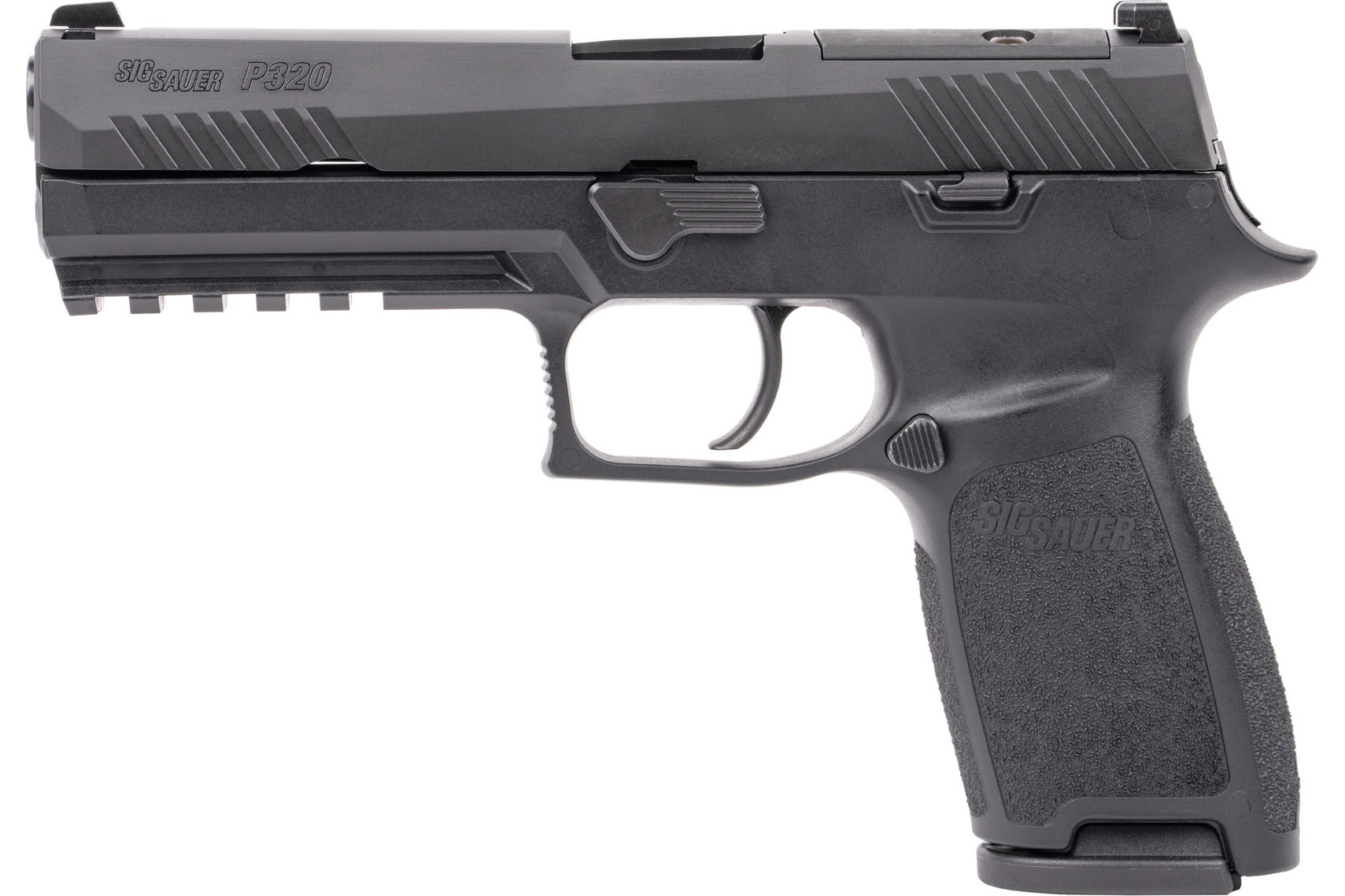
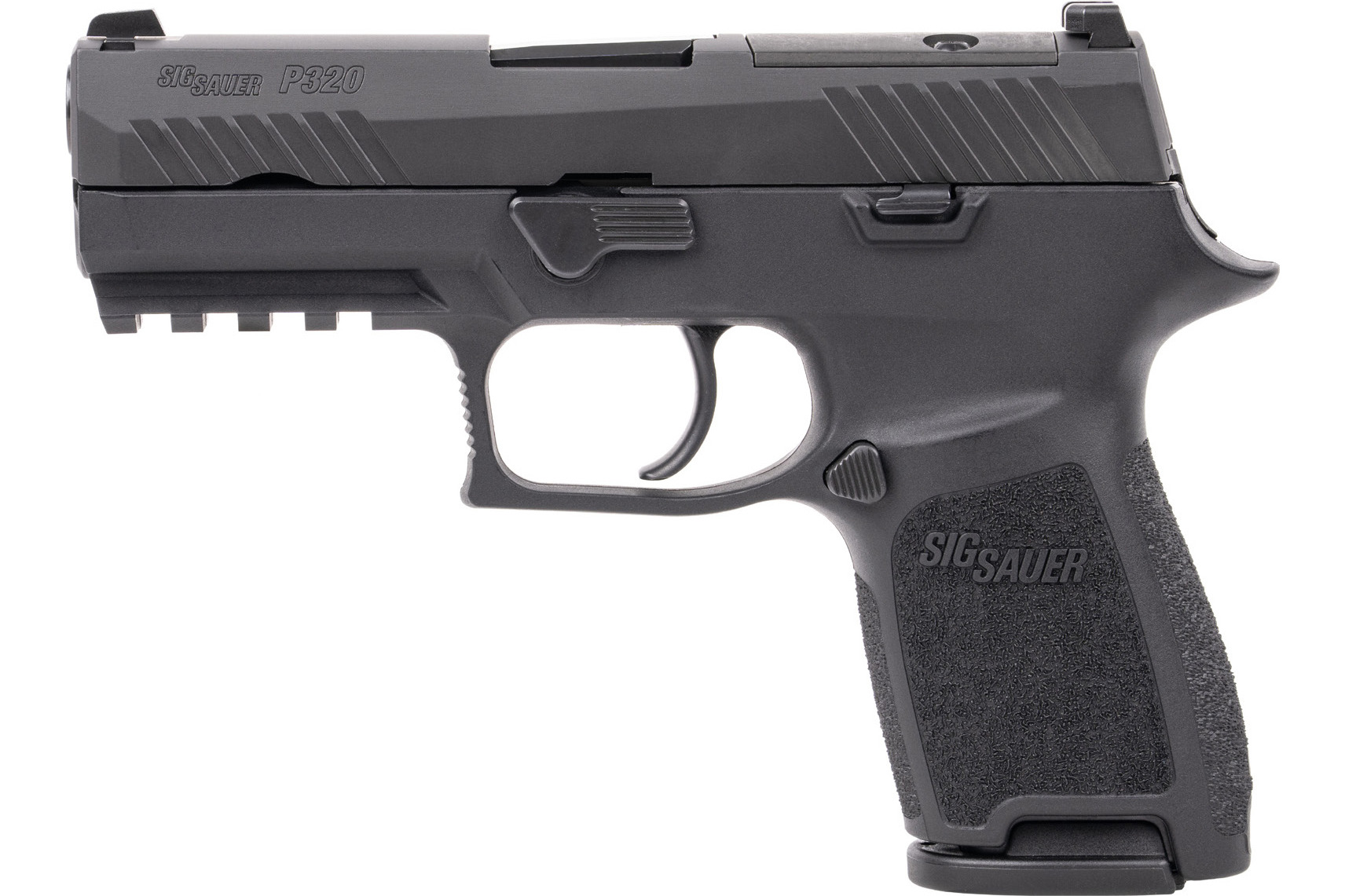
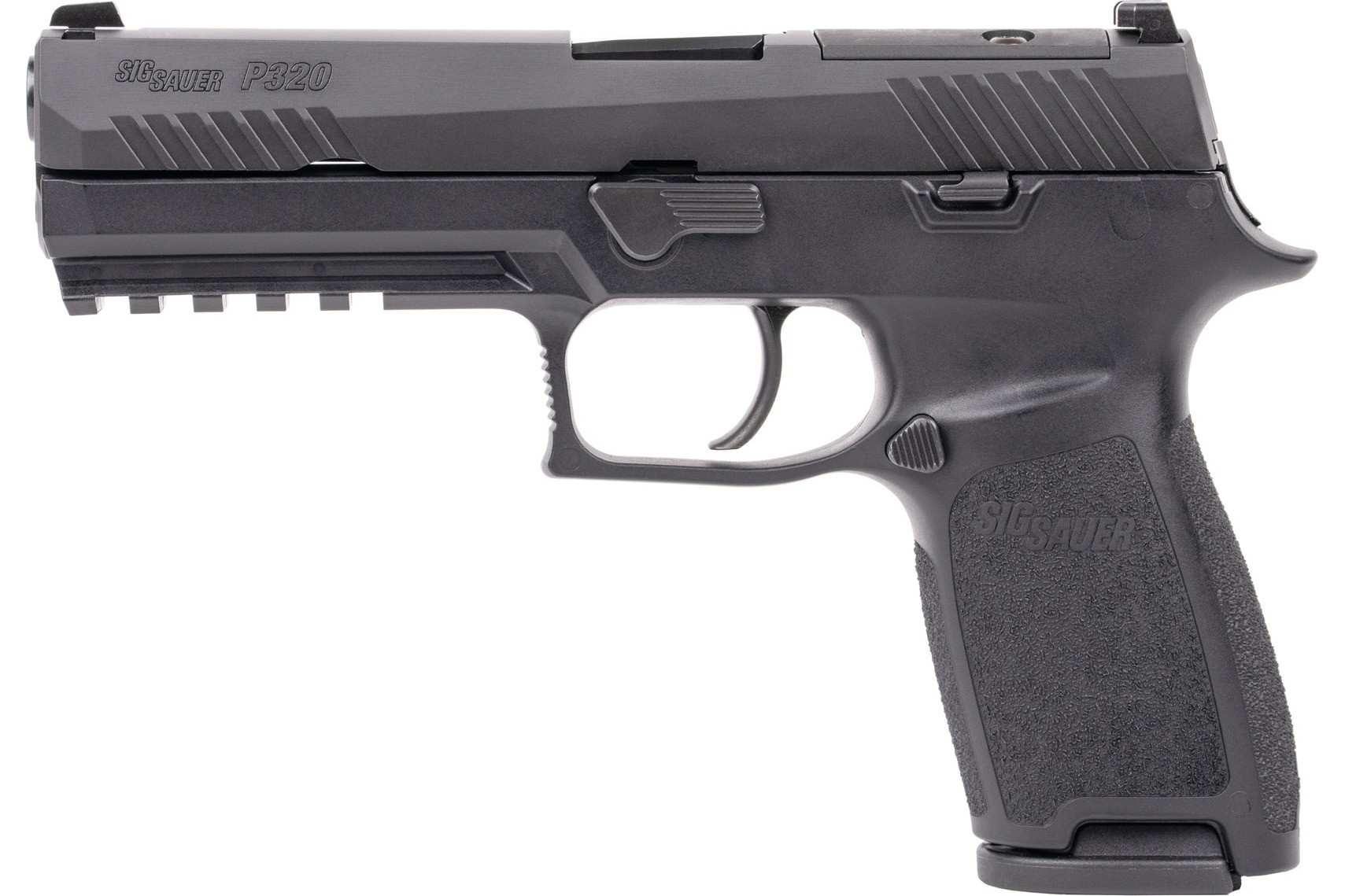
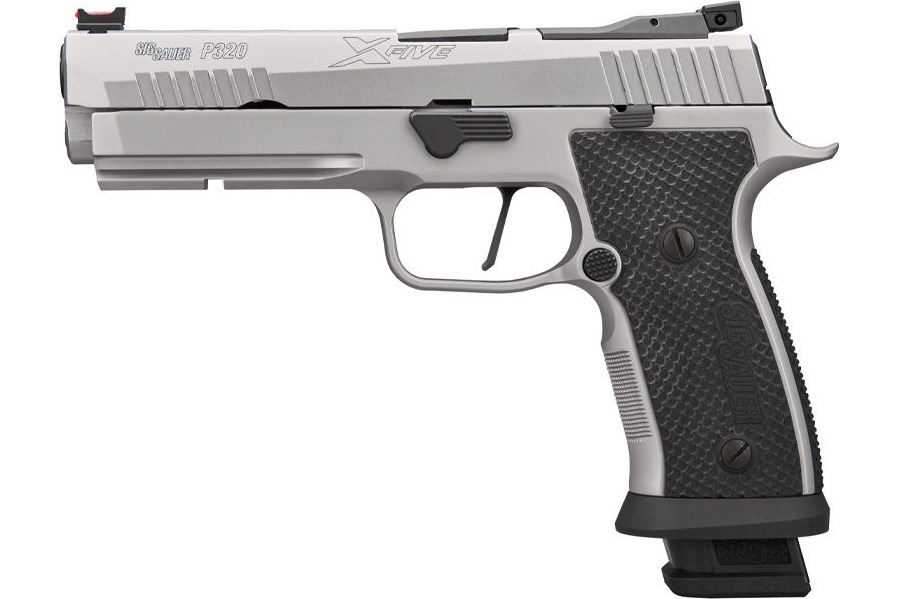
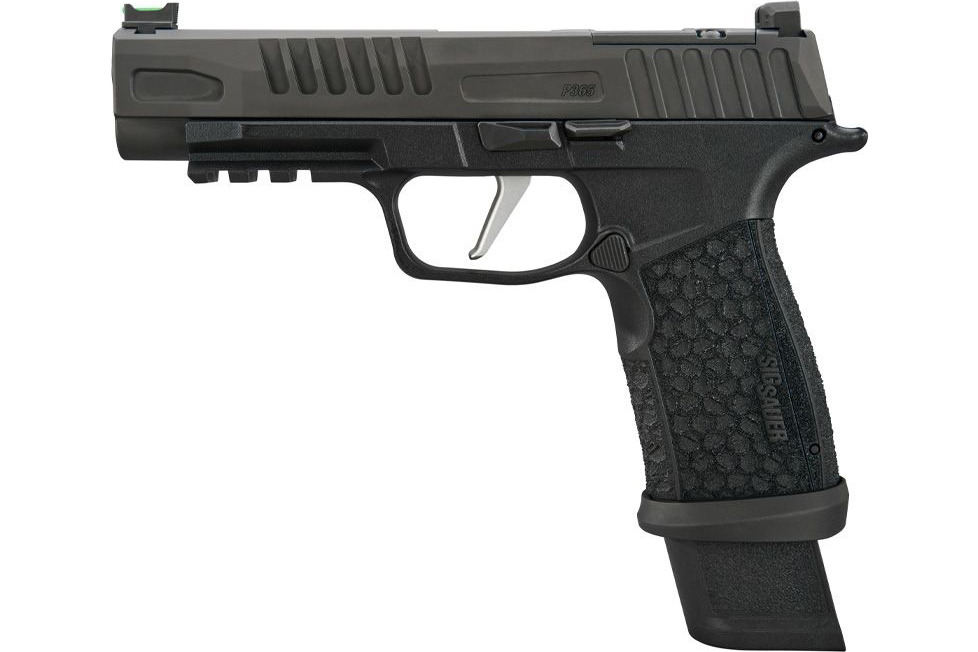
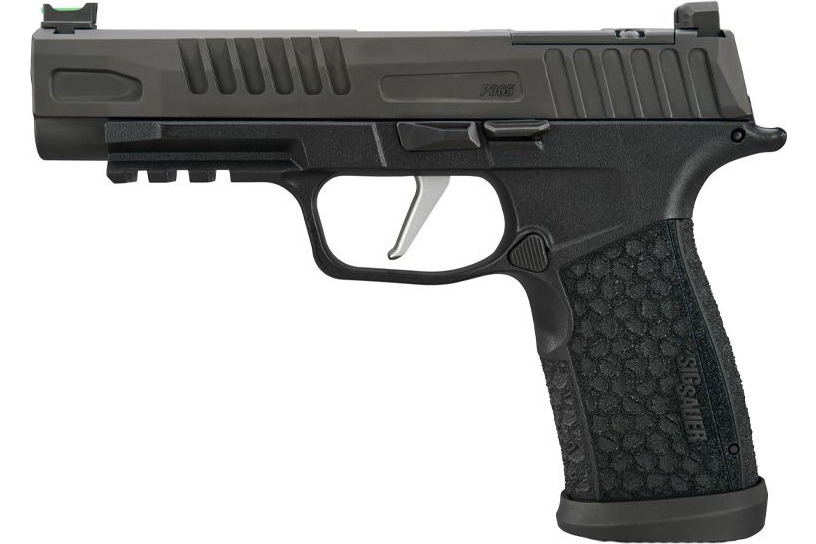
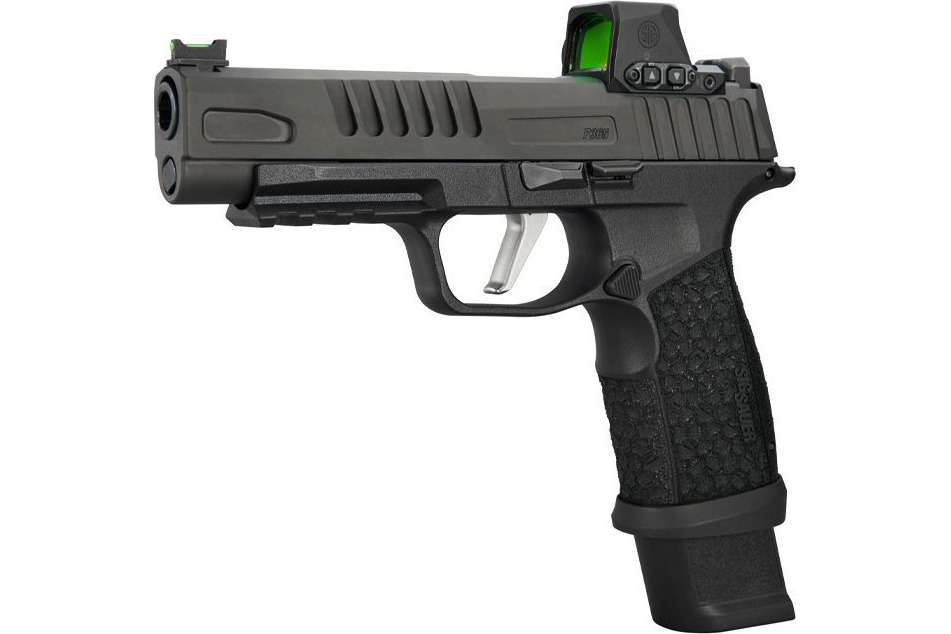
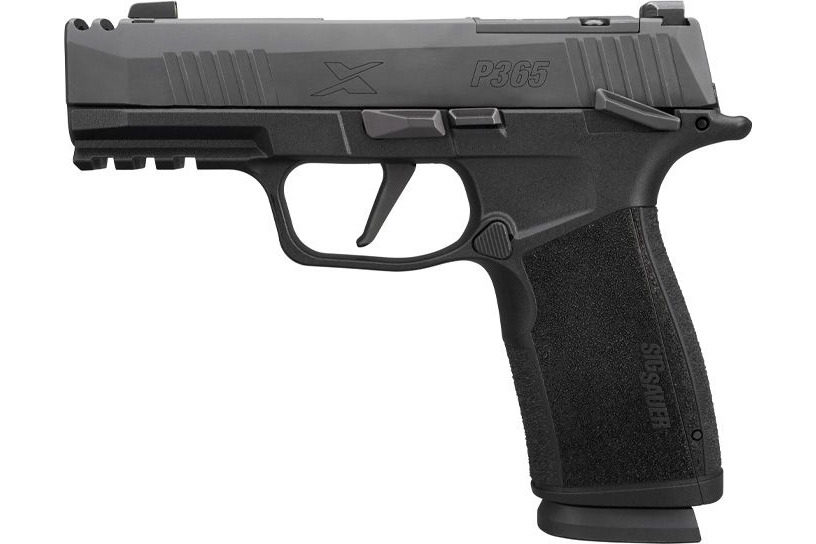
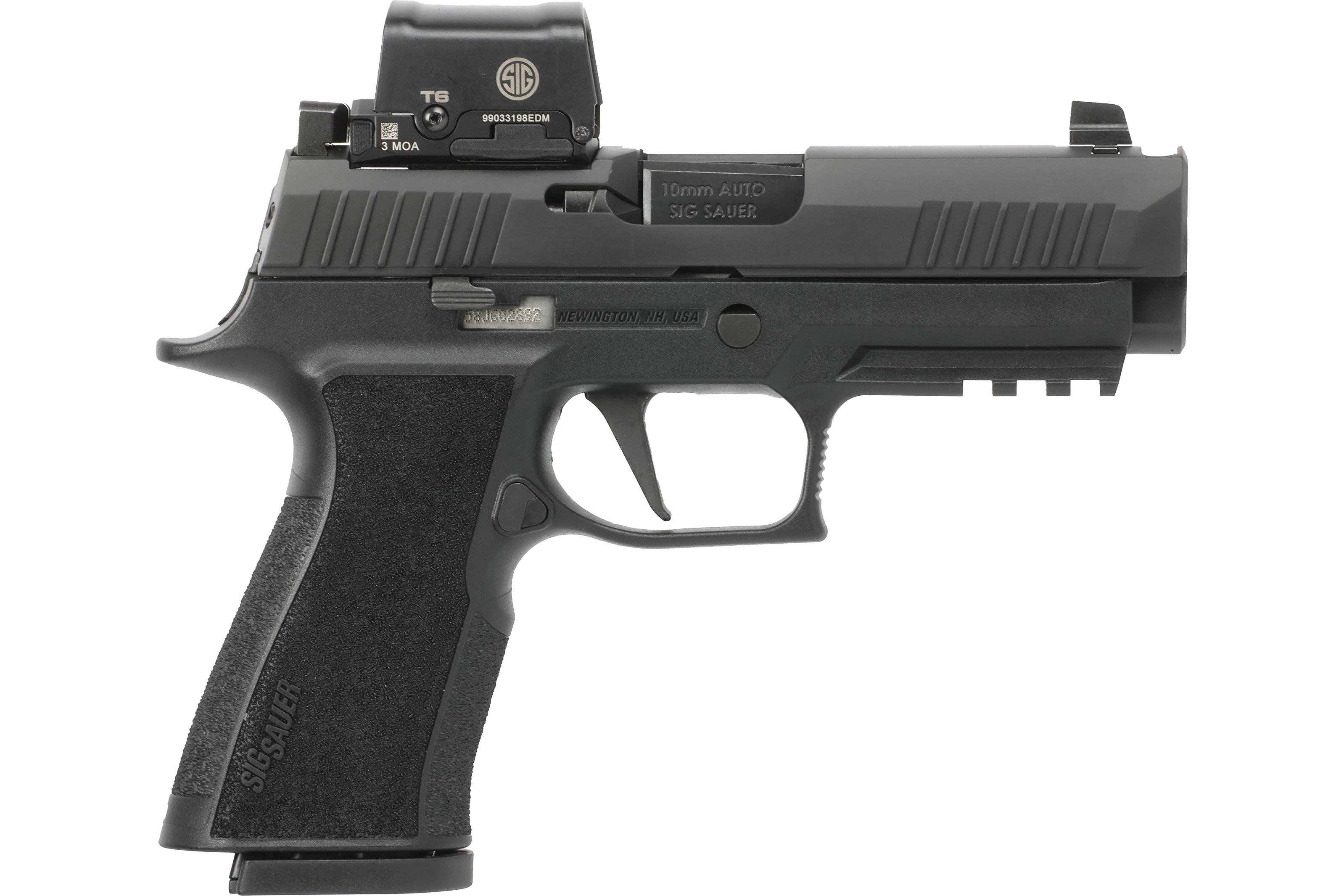
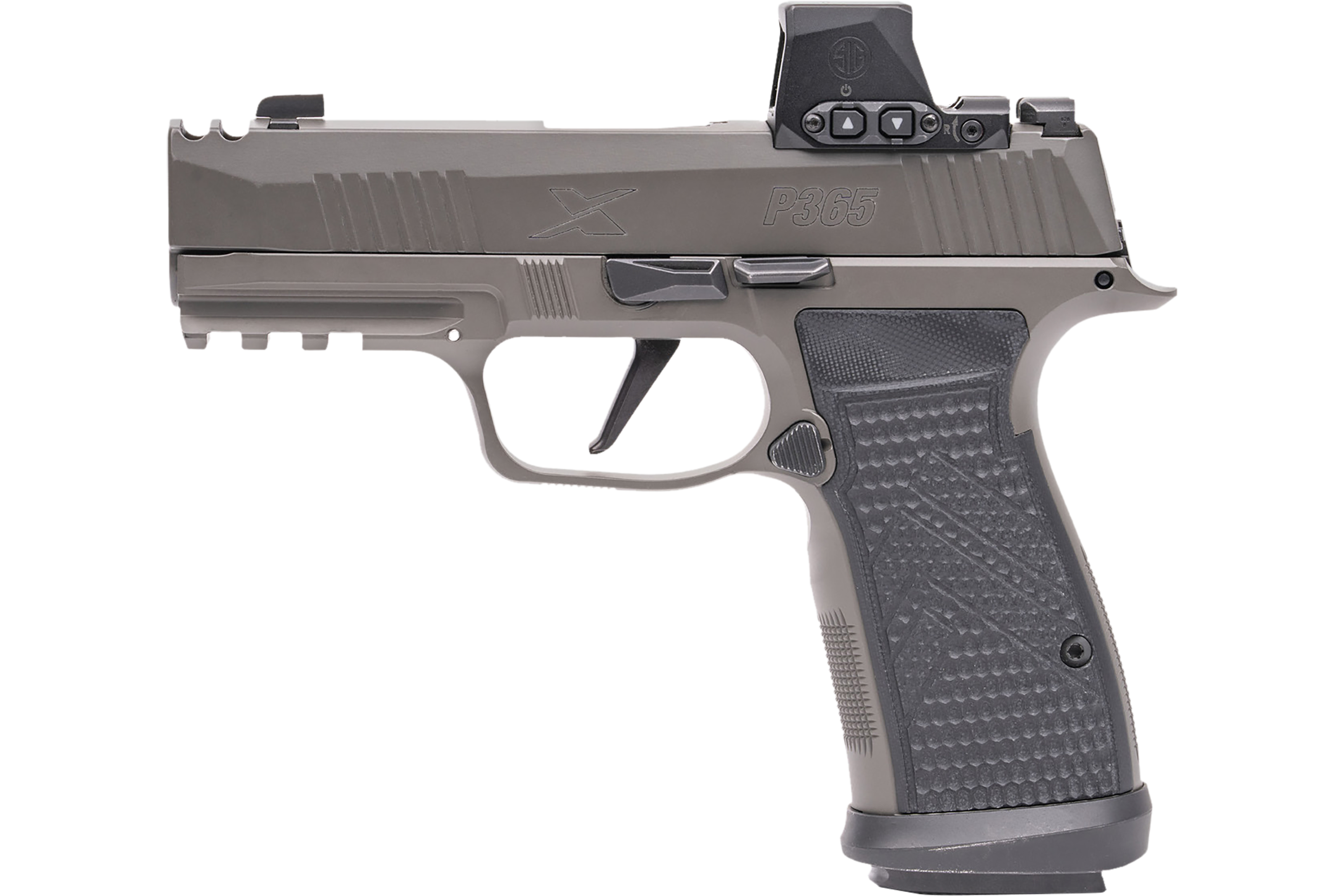
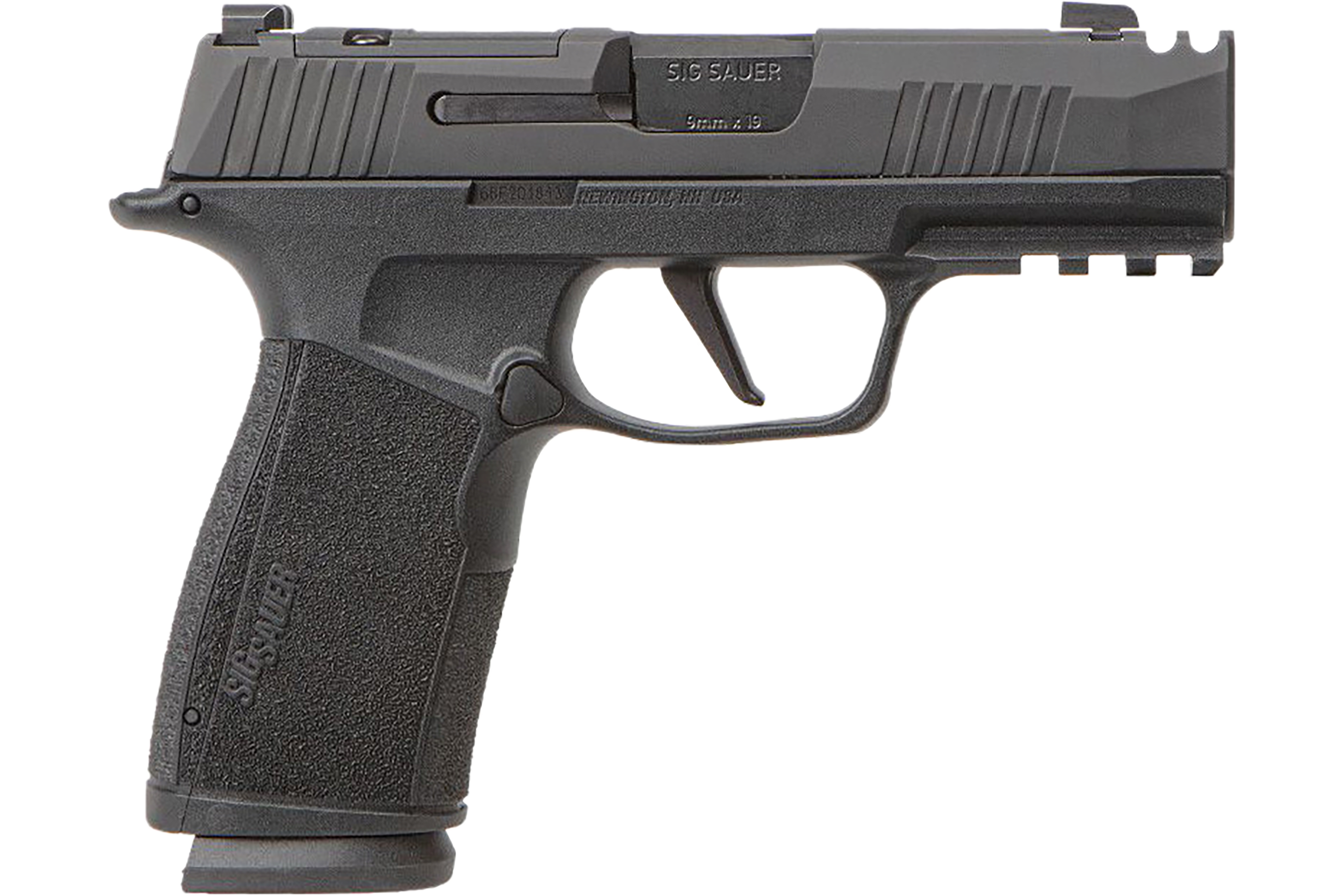
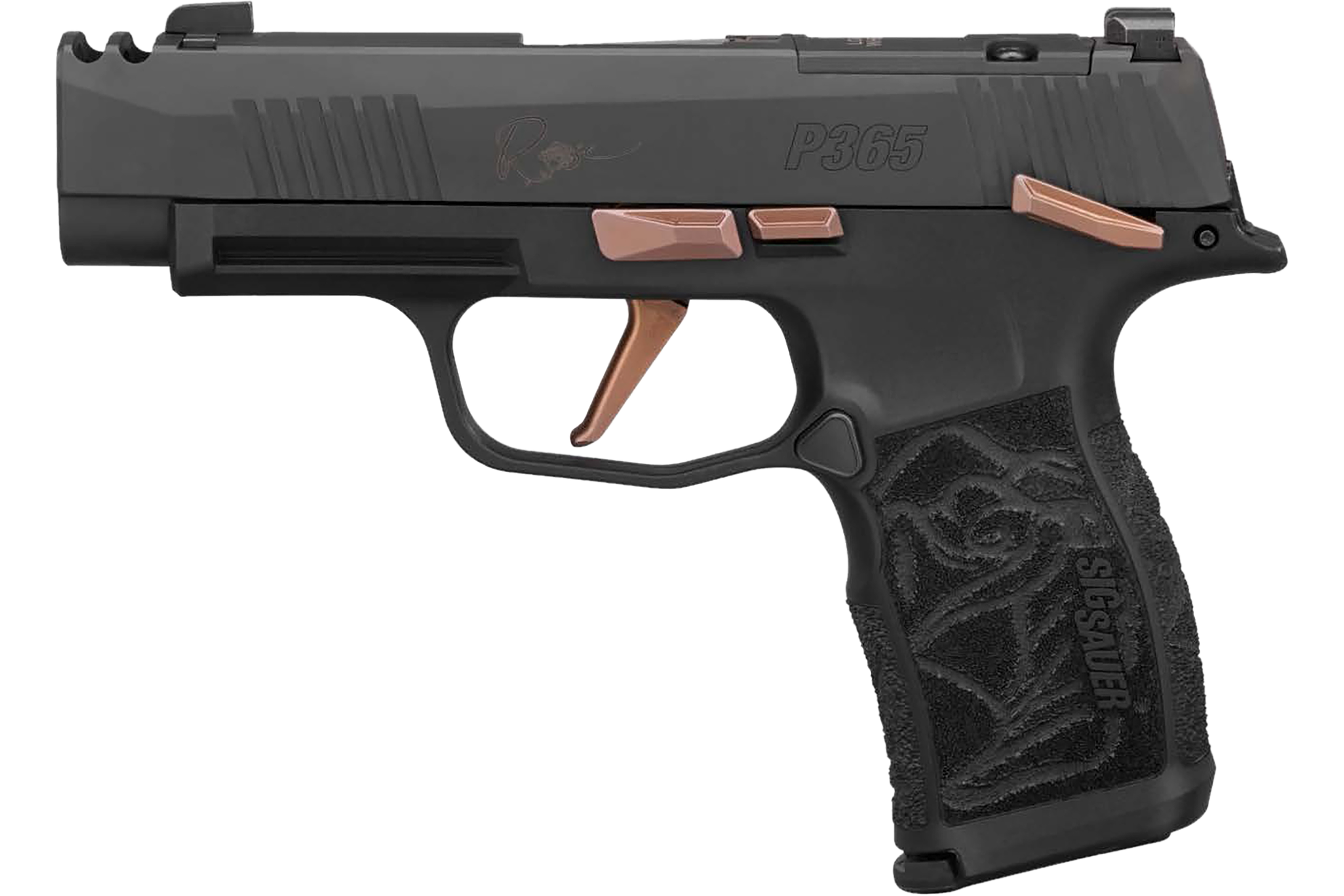
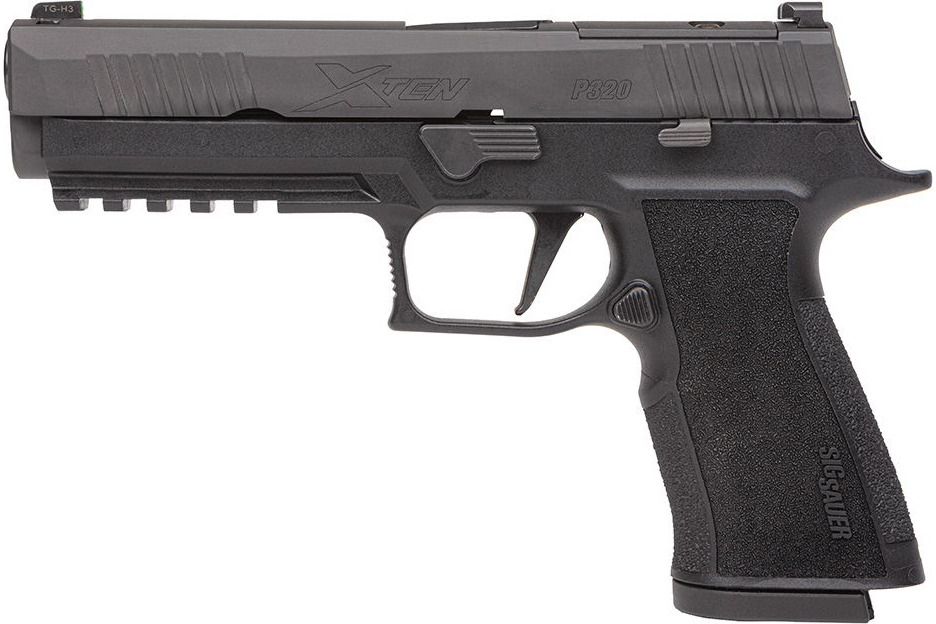
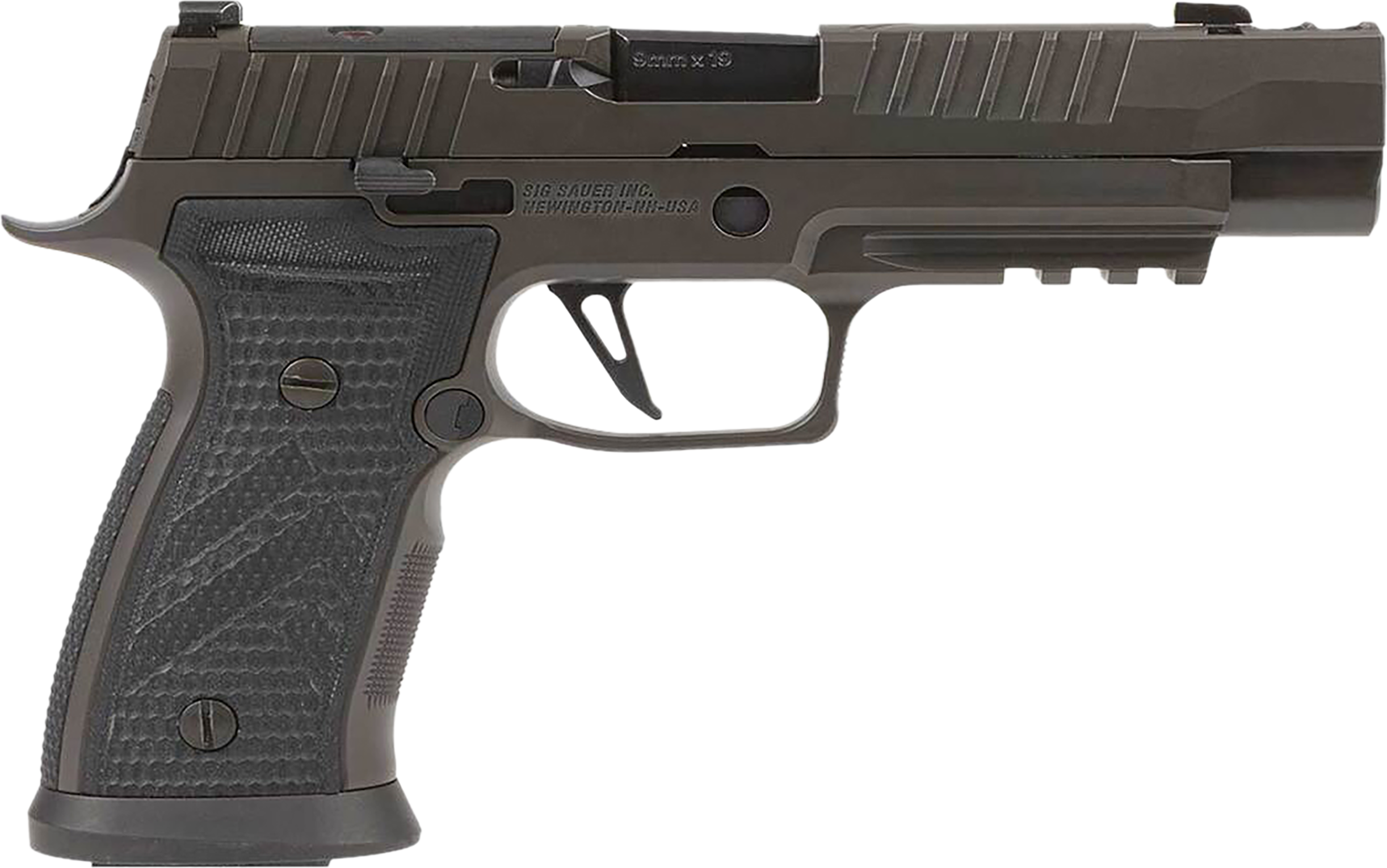
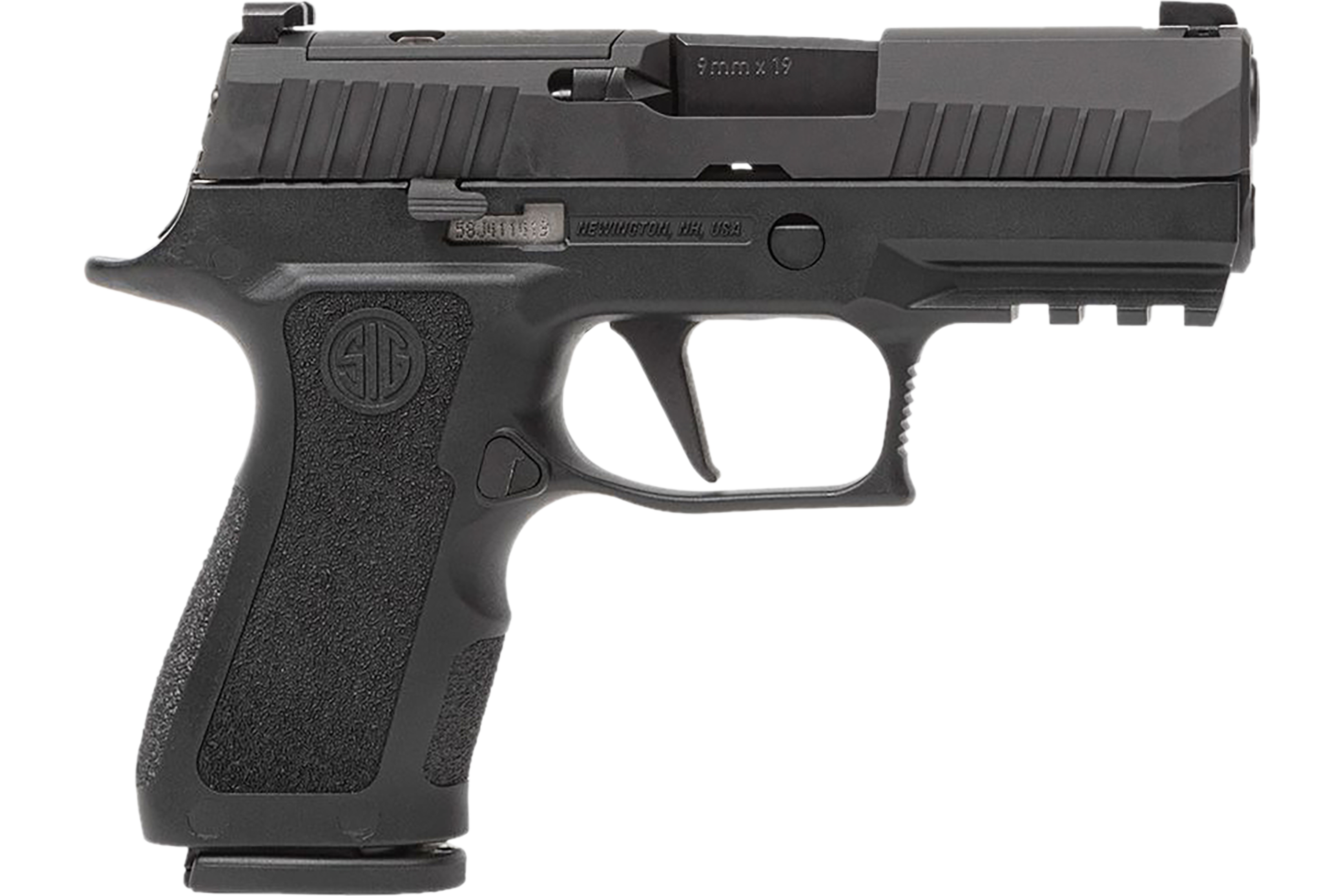
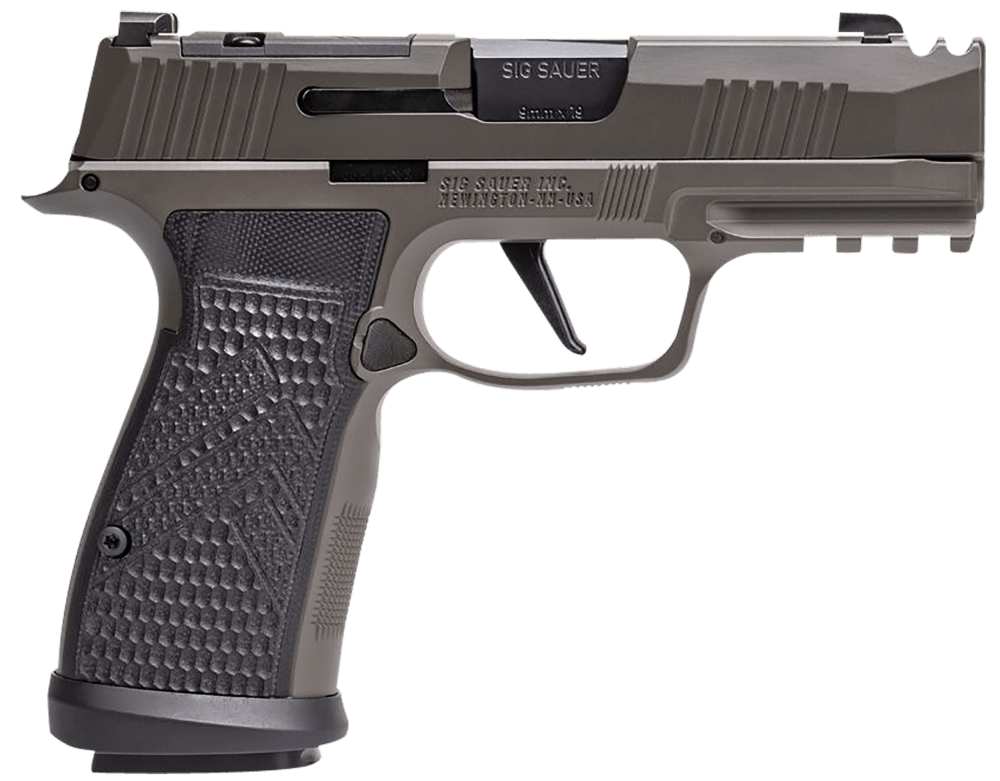
The video opens with an overview of Sig Sauer’s modern striker-fired lineup, focusing on the P320 and P365 families. The P320 is framed as the larger, duty-oriented platform, directly related to the military’s M17 and M18 pistols. The hosts reference popular variants such as the P320 Compact, full-size configurations, AXG Pro, and X5-style models, emphasizing how the system has grown into a broad ecosystem. In contrast, the P365 series is presented as a slim, high-capacity concealed carry line, including the standard small P365 and the larger P365 XMacro comp. The discussion highlights how the P365 family manages to pack impressive round counts into a very thin profile, making it attractive for everyday carry. From the outset, the hosts stress that both platforms share Sig’s modular fire control concept, allowing users to change grip modules, slides, and configurations to tailor each pistol to specific roles, from concealed carry to duty or competition use.
Attention then turns to the P320’s widely discussed drop-fire controversy. The hosts acknowledge the negative reputation that developed online and in the media, referencing the early-generation P320 pistols and the voluntary upgrade program Sig Sauer offered. They explain that some owners chose to send their pistols in for the upgrade, while others kept their original Gen 1 guns. The presenters note that, despite the chatter, neither of them has personally experienced any drop-fire incidents or reliability failures with their P320s, including early models that never received the voluntary upgrade. They contrast this with the P365 line, which has not attracted the same level of controversy or public scrutiny. The segment underscores that their real-world use has been uneventful in terms of safety issues, and they encourage viewers who actually own and shoot these pistols to share honest experiences, rather than relying solely on secondhand reports or internet rumors.
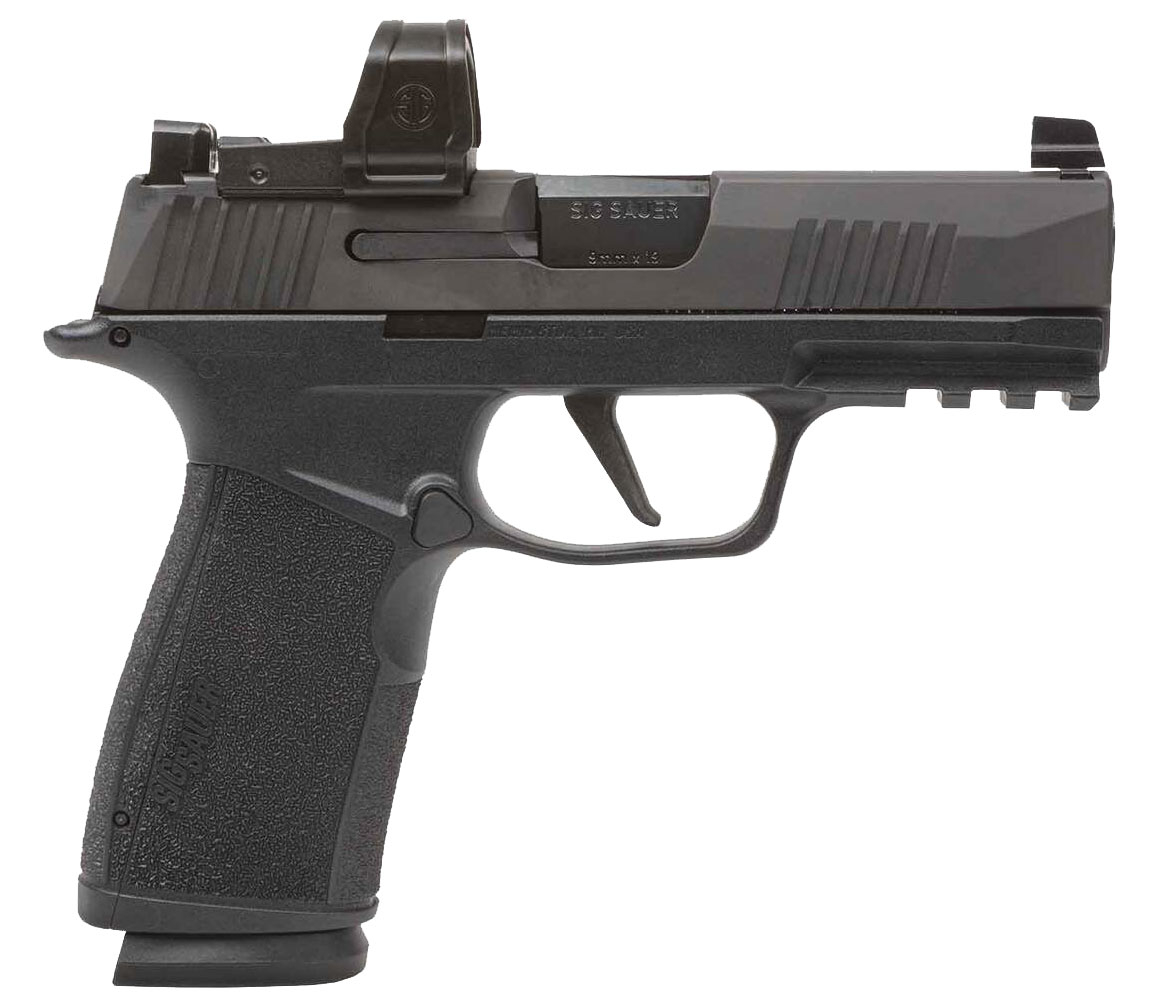
The hosts move to live-fire impressions, shooting a P320 Tacops equipped with a Holosun 507 optic alongside an M17 and various P365 configurations. They describe how the heavier P320, especially in Tacops and M17 form, tends to shoot softer and flatter due to its mass and full-size grip, making it comfortable for extended range sessions. The Holosun 507 red dot on the Tacops is used to demonstrate how easily the P320 platform supports optics-ready setups. In contrast, the P365 variants, including the XMacro comp, are evaluated as carry-focused pistols that still perform impressively on the range. The compensator and longer grip of the XMacro comp help control muzzle rise and provide a solid purchase, narrowing the performance gap with the larger P320. Throughout the shooting segment, the hosts emphasize practical handling, recoil control, and how each platform feels under live fire rather than just on paper.
After shooting, the discussion shifts to ergonomics and how each platform fits different roles. The P320’s grip module is described as somewhat thick in the hand, especially in duty-size and Tacops-style configurations. While that thickness contributes to controllability and a solid, full grip, the hosts note it can feel bulky for concealed carry and may print more under clothing. By comparison, the P365 and particularly the XMacro comp offer a thinner, more concealable profile while still delivering impressive capacity. The XMacro comp’s 17-round capacity is highlighted as comparable to many full-size pistols, yet the overall package remains slimmer and easier to hide. The standard small P365 is praised for being extremely compact while still offering a usable grip for most shooters. This segment underscores the trade-offs between shootability, grip thickness, and concealability, helping viewers decide whether a thicker P320 or slimmer P365 better suits their daily carry needs.
The hosts then demonstrate the core modularity that defines both the P320 and P365 families by removing the fire control units from their frames. They show how the serialized fire control unit, or chassis, is the legal firearm component, allowing users to swap grip modules, slides, and barrels without buying an entirely new gun. On the bench, they compare different grip modules and discuss how easily a P320 can be transformed from a compact carry gun into a full-size range or duty pistol, or even into competition-oriented X5-style builds. Similarly, the P365 line can be reconfigured with different grip lengths, slides, and compensators, such as moving from a standard P365 to an XMacro comp-style setup. This modular approach is presented as a major advantage for shooters who want to experiment with ergonomics, capacity, and role-specific configurations while keeping the same familiar trigger and internal fire control system.
Building on the modularity discussion, the video contrasts two types of fire control units: a milled chassis and a stamped chassis. The hosts point out that the milled version features four-point rails, offering more robust and continuous contact surfaces for the slide to ride on. This design is suggested to enhance durability and smooth operation under heavy use. The stamped chassis, by comparison, uses a different manufacturing method and rail layout, which may be lighter or more economical but lacks the same four-point rail structure. By physically showing these internal differences, the presenters highlight that not all Sig modular chassis are identical, even within the same family. Viewers are encouraged to consider how these internal design choices might affect long-term wear, perceived smoothness, and potential upgrade paths when selecting specific P320 or P365 variants, especially if they plan to shoot high round counts or customize extensively.
In the closing portion, the hosts reiterate that they have not personally encountered problems with their P320 pistols, despite the platform’s online reputation, and that the P365 series has been similarly trouble-free in their experience. They emphasize that real-world user feedback is valuable and invite viewers to share their own experiences with both the P320 and P365 in the comment section, whether positive or negative. The presenters repeatedly thank viewers for watching and express appreciation for their business and support, offering a brief blessing and promising to return with more content. As the video wraps up, a lighthearted, somewhat unclear joke about maybe they should “like more Firefox it too” slips in, adding a casual, humorous note before the final farewell. The sign-off sequence loops slightly due to editing or transcription quirks, but the message remains a warm thank-you and an invitation to join them in the next video.























 Loading...